90 mile beach travel guide: everything you need to know
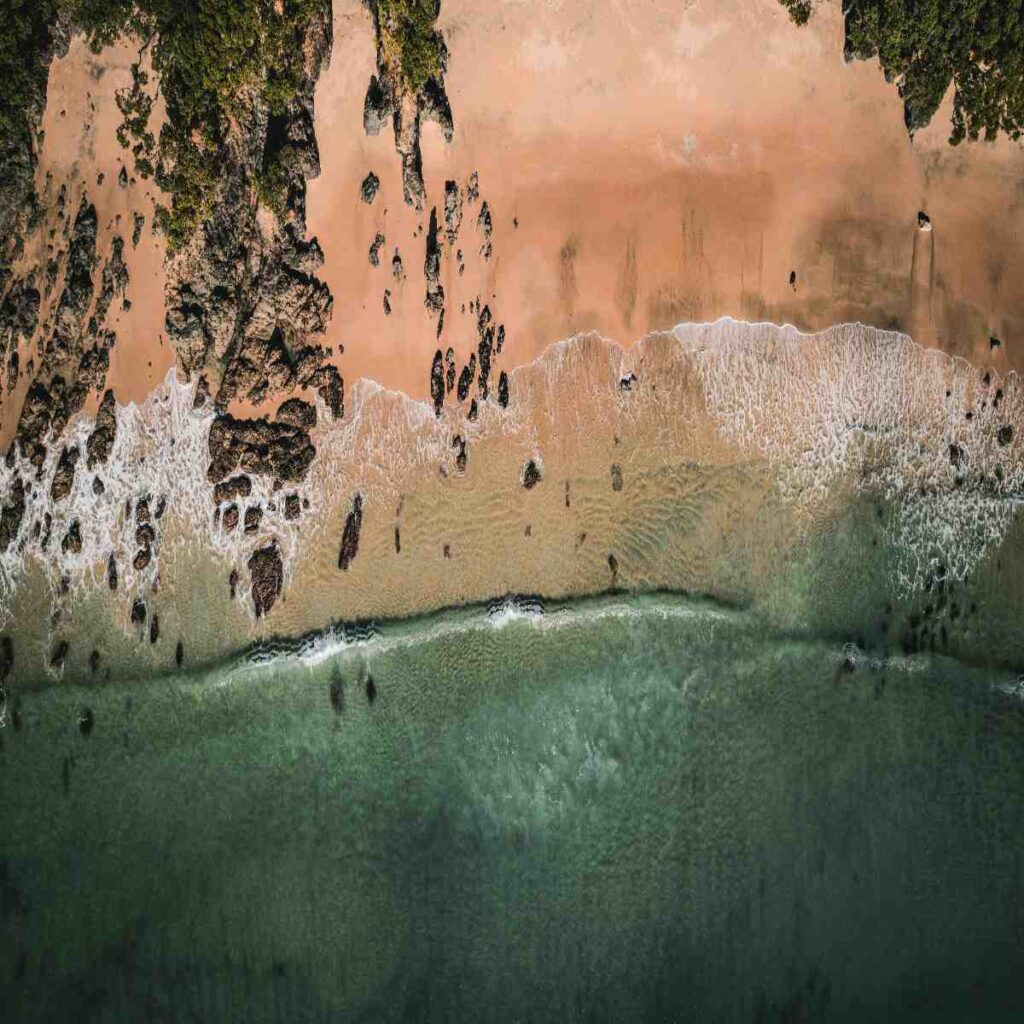
If you’ve ever typed “90 mile beach” into a search bar and felt a bit confused, you’re not alone. The name actually refers to two different, equally captivating stretches of sand: one in the Far North of New Zealand and one along the Gippsland coast in Victoria, Australia. This guide pulls both of them together in one place, so you can figure out which one fits your style of travel – or perhaps plan a trip to each, one after the other.
This is written for curious, independent travelers who like knowing the practical details as much as the pretty highlights. You’ll find clear comparisons, how to get there, when to go, what to do, and honest thoughts on what’s genuinely worth your time.
90 mile beach at a glance
Before diving into the details, it helps to step back and see the big picture. The two beaches that share this name have very different personalities, and that’s a good thing. It means you can pick the one that matches whether you’re dreaming of wild dune landscapes and 4WD adventures, or slow walks next to calm lakes and simple seaside towns.
| Feature | Ninety Mile Beach, New Zealand | Ninety Mile Beach, Victoria (Australia) |
|---|---|---|
| Country & region | New Zealand, Far North (Aupōuri Peninsula) | Australia, Victoria (Gippsland coast) |
| Actual length | About 88 km (roughly 55 miles) | About 145 km (close to 90 miles) |
| Nearest major city | Auckland (via Northland road trip) | Melbourne (via Gippsland road trip) |
| Main vibe | Wild, remote, dramatic dunes and ocean | Long, relaxed coast with lakes and small towns |
| Best suited to | Adventurous road trippers, photographers, nature lovers | Families, road trippers, beach walkers, low-key holidaymakers |
| Typical activities | 4WD beach driving, sandboarding, surfcasting, scenic tours | Swimming, beach walks, fishing, lakes, wildlife watching |
If you already know you’re focusing on New Zealand logistics like routes, tours, and driving tips, a deeper dive such as an in‑depth 90 Mile Beach New Zealand guide will help you plan the details. If a long road south‑east of Melbourne sounds more like you, a dedicated Ninety Mile Beach Victoria road trip piece can round out your Gippsland itinerary.
Ninety Mile Beach, New Zealand
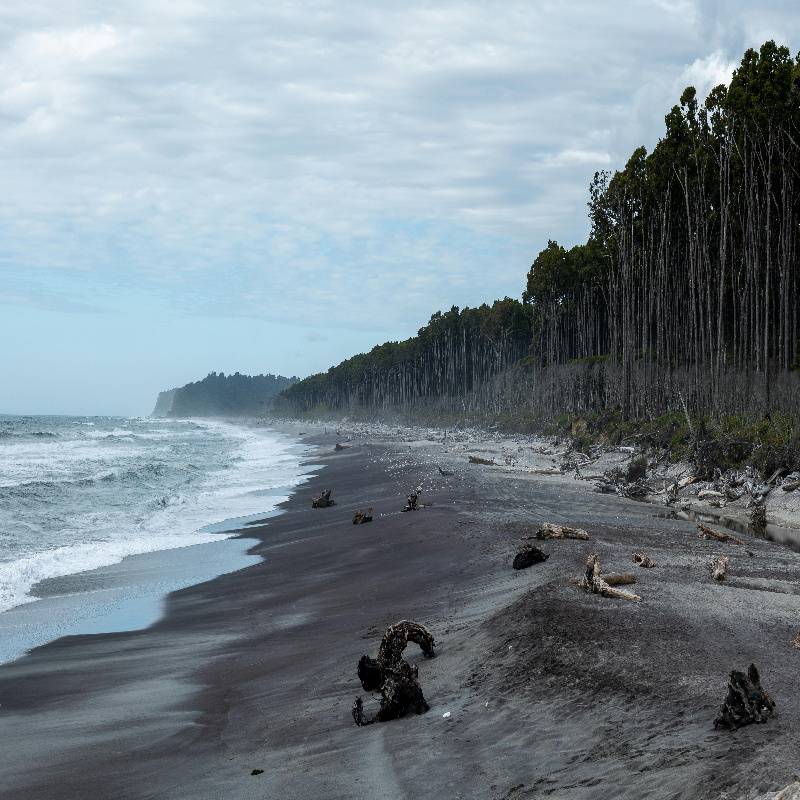
Ninety Mile Beach in New Zealand runs along the western edge of the Aupōuri Peninsula, forming a long, straight line of sand from near Ahipara up toward Scott Point, not far from Cape Reinga. It feels like the edge of the map: huge skies, constant surf, and dunes that look almost otherworldly in the late afternoon light. The name is a bit misleading – it’s closer to 88 kilometres – but when you stand on it, exact numbers stop mattering.
Because the sand here is firm when the tide is low, parts of this stretch of coast are officially classed as a highway. That sounds thrilling – and it can be – but it’s also where common sense matters more than bravado. Some people love the idea of driving along the beach under a big sky; others are happier letting an experienced local guide handle the driving while they simply watch the waves.
Where Ninety Mile Beach NZ is and how to get there
This beach sits in the Far North, with Kaitaia acting as the main service town and Ahipara as a handy base right at the southern end of the sand. From Auckland, most travelers drive north, often breaking the journey with a night or two in places like Paihia or the Bay of Islands before heading further up to Kaitaia. If you prefer to move faster, it’s possible to do the trip in a single long day by car, but it’s a lot more enjoyable with at least one stop.
Public transport in this region is limited, which is why many visitors either rent a car or join an organized Cape Reinga and Ninety Mile Beach tour from towns such as Paihia or Kaitaia. Those tours typically combine key stops – the lighthouse at Cape Reinga, Te Paki sand dunes, and a stretch of driving along the hard‑packed beach – so they suit travelers who don’t want to worry about tides, sand, or getting stuck.
Driving on the beach: 4WD, tours, and reality
Driving on Ninety Mile Beach in New Zealand can feel like something out of a movie the first time your wheels touch the sand. The surface is firmer than many people expect at low tide, but the risks are very real: soft patches, incoming tides, and hidden streams can all catch drivers out. Unless you have a suitable high‑clearance vehicle, understand local conditions, and can read tides, it’s usually wiser to either stick to access points and car parks or join a 4WD tour.
If you do choose to drive yourself, it’s worth treating every bit of advice you get – from rental companies, locals, and official notices – as mandatory, not optional. Check tide times, avoid driving anywhere near high tide, never rush crossings where freshwater streams meet the sea, and make sure your insurance actually covers beach driving. Many New Zealand‑focused planning resources on visiting 90 Mile Beach go into this in more nitty‑gritty detail, which can be reassuring if you’re still on the fence.
Te Paki sand dunes and other highlights
One of the most memorable experiences near Ninety Mile Beach is visiting the Te Paki sand dunes. These sweeping dunes rise steeply from the landscape, and sandboarding here has become almost a rite of passage for visitors heading to Cape Reinga. The climb up can be a bit of a workout – you sink in with each step – but sliding down on a board at speed usually makes up for it, even if you end up with sand in what feels like every pocket of your clothes.
Apart from the dunes, the beach itself is a playground for surfcasting, beach walks, and quiet moments of photography. Stretching along the shore at sunset, when the light softens and long shadows form from the dunes, can be surprisingly calming. Anglers often stand in small clusters casting into the waves, hoping for snapper or other local species, and there’s a sense that life moves to the rhythm of the tides more than the clock.
Where to stay near Ninety Mile Beach in New Zealand
Ahipara is the classic base for those who want to be right by the sea at the southern end of Ninety Mile Beach. You’ll find a mix of campgrounds, holiday parks, simple apartments, and a handful of more comfortable stays. It’s the kind of place where you might fall asleep to the sound of the waves and wake up already thinking about coffee and an early‑morning stroll on the sand.
Kaitaia, a little inland, offers more services: supermarkets, fuel, cafes, and a broader mix of motels and budget‑friendly accommodation. Many Cape Reinga and beach tours depart from here, making it a practical choice if you prefer day trips rather than driving yourself. If you’re trying to build a wider Far North itinerary, it can help to pair a planning‑heavy New Zealand guide with a broader 90 mile beach travel overview that compares this region with the Victorian coastline.
Safety, culture, and etiquette
Spending time on Ninety Mile Beach means sharing space with the ocean, the wind, and an environment that can change quickly. Swimming conditions are often rougher than they appear at first glance, and rips can form, so it’s important to be cautious and, ideally, stick to areas that are known to be safer. There are no guarantees with wild beaches, and a little extra caution goes a long way.
The Far North is also an area with deep cultural significance, particularly around Cape Reinga, where many Māori traditions connect the land and sea with stories of journeys and ancestry. Even if you don’t know all the details, treating the place with respect – keeping noise down at key sites, staying on marked paths, and avoiding any graffiti or litter – is simple but meaningful. Travel here feels better when you think of yourself as a guest rather than just a visitor passing through.
Ninety Mile Beach, Victoria (Gippsland)
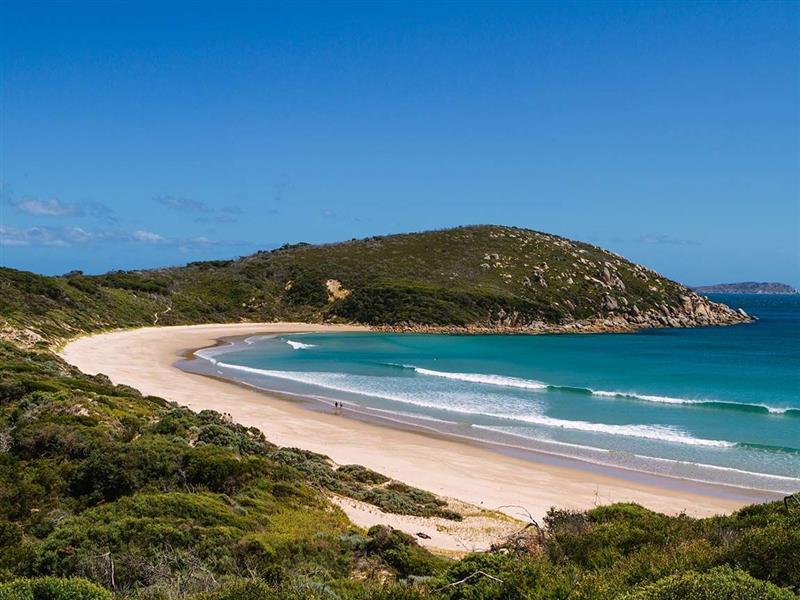
On the other side of the Tasman Sea, Victoria’s Ninety Mile Beach traces an almost unbroken line of sand between the Gippsland Lakes and the open waters of Bass Strait. It’s longer than its New Zealand namesake and, in many ways, more understated. Think low‑key seaside settlements, a wide ribbon of sand, and lakes just behind the dunes rather than big, towering cliffs or dramatic headlands.
This stretch of coast forms part of a bigger ecosystem that includes lakes, wetlands, and protected marine areas. It’s an excellent choice if you like the idea of long walks, quiet mornings with a coffee overlooking the surf, or mixing beach time with boating and birdlife. Instead of a big, single “wow” moment, the appeal here builds slowly as you settle into the rhythm of a few unhurried days.
Where Ninety Mile Beach Victoria is and how to get there
Ninety Mile Beach in Victoria runs along the state’s south‑eastern coast, forming the outer edge of the Gippsland Lakes system. The main access towns include Seaspray, Golden Beach, and Loch Sport, with other small communities dotted along or near the shoreline. Each has its own slightly different feel, from simple holiday parks and beach shacks to more established services.
Most visitors start in Melbourne and drive east, following either the Princes Highway or a more scenic route through Gippsland. Depending on where you’re heading, you’re typically looking at a drive of around three to four hours, which makes the area ideal for a long weekend or a few days tacked onto a bigger Victorian road trip. For a more structured approach, a focused Ninety Mile Beach Victoria road trip guide can help map out stops, fuel breaks, and side trips around the Gippsland Lakes.
What to expect: towns and access points
Seaspray is one of the more familiar gateways to Ninety Mile Beach, with direct access to the sand, a surf beach, and enough facilities to keep a short stay comfortable. It feels like a classic, understated coastal town: relaxed, a little windswept at times, and at its best when you slow down. Golden Beach and the nearby shoreline offer quieter stretches again, with a focus on simple holiday houses, camping, and time on foot.
Loch Sport has the added twist of being right on the Gippsland Lakes, with the ocean a short walk across the dunes. That gives you options: calm lake waters on one side, surf and open beach on the other. It’s easy to spend a couple of days moving between the two, especially if you enjoy boating, paddling, or just watching the light change over the water.
Activities at Ninety Mile Beach Victoria
Victoria’s Ninety Mile Beach is all about space. You can walk for what feels like forever along the sand, with the steady push and pull of the waves setting the pace. Swimming is possible in many areas, though it’s always worth checking local advice about conditions and favouring patrolled sections when they’re operating, especially if you’re not a strong swimmer or you’re travelling with kids.
Fishing is popular along this coast, both from the beach and linked to the nearby lakes and estuaries. Birdlife can be surprisingly varied, particularly around the Gippsland Lakes and adjacent wetland areas, so it’s worth packing binoculars if that sort of quiet, patient observing appeals to you. There are also chances, at certain times of year, to spot dolphins or whales offshore, though you’ll need a bit of luck – and perhaps a warm jacket – if you’re planning to stand on the dunes scanning the horizon.
Accommodation and facilities around Gippsland’s coast
Accommodation along Victoria’s Ninety Mile Beach tends to be low‑rise and practical rather than flashy. Expect holiday parks with cabins and powered sites, modest motels in nearby towns, and a lot of simple beach houses and rentals geared towards families, fishers, and repeat visitors. It’s the kind of place people return to year after year, sometimes to the exact same campsite or cottage.
Facilities vary by town: some have small general stores, cafes, and basic services, while others are quieter and rely more on you stocking up in larger regional centers before you arrive. It’s worth planning your groceries and fuel stops in advance, especially if you’re visiting in the shoulder seasons when some places cut back their hours. A well‑planned Gippsland itinerary that weaves Ninety Mile Beach into lakes, forests, and inland towns can make this feel like a rounded, satisfying part of a longer journey.
Safety, surf, and environment
The ocean along Ninety Mile Beach Victoria can look deceptively gentle from a distance. Like many Australian beaches, it’s shaped by rips, shifting sandbars, and changing conditions, so swimming in patrolled areas when surf lifesavers are present is the safest option. On more remote sections, it’s often better to treat the sea as something to walk beside rather than plunge into, unless you’re very experienced and entirely comfortable with the conditions.
Parts of this coastline and the nearby lakes are protected as national parks and marine reserves, which helps safeguard dunes, seagrass beds, and wildlife habitats. Staying on marked tracks, avoiding driving on fragile dunes, and keeping your distance from nesting birds or seals are simple ways to respect the place. It doesn’t take much, but it does make a difference over time, especially in areas that are slowly recovering from storms, erosion, or past damage.
Best time to visit Ninety Mile Beach
The “right” time to visit either version of 90 mile beach depends on what you’re hoping for: warmth, fewer crowds, calmer driving conditions, or maybe just the dates you have off. Both beaches sit in climates where summer brings the most predictable beach weather but also the most visitors. Shoulder seasons, on the other hand, often reward patience with softer light, quieter walks, and slightly cooler water.
Seasons in the Far North of New Zealand
Summer in the Far North (roughly December to February) tends to be warm, bright, and busy, with long daylight hours and plenty of people on the move. It’s the easiest time to string together a Northland road trip that includes Ninety Mile Beach, Bay of Islands, and Cape Reinga, but accommodation and tours can book out early. If you like energy and don’t mind some crowds in the more popular areas, this is the straightforward choice.
Spring and autumn (roughly September to November and March to May) can be more variable in terms of weather, yet they often offer a sweet spot where the water is still tolerable, prices can be a little friendlier, and the roads feel less hectic. Winter visits are possible – the Far North is milder than many other parts of the country – but you’ll need to be comfortable with cooler temperatures, changeable conditions, and shorter days.
Seasons along Victoria’s Ninety Mile Beach
Victoria’s coastal climate leans cooler overall, so summer (December to February) is again the obvious beach season. Even then, you can get days where a breeze off Bass Strait makes things feel a touch fresher than you might expect, which is often a good thing when you’re out walking. This is also when small towns and holiday parks are at their liveliest, with more services open and more people around.
Spring and autumn bring mild days and crisp evenings, with plenty of potential for long walks and quieter stays that feel more reflective than high‑energy. Winter visits can be rewarding if you like the idea of empty sands, dramatic skies, and cosy nights indoors, but swimming might become more of a quick, brave dip than a lazy afternoon in the water. For planning a season‑by‑season trip, a more specific road‑trip article on the Victorian coastline can help you weigh weather, budgets, and school holiday timing.
Getting to 90 mile beach and getting around
Reaching either Ninety Mile Beach is part of the experience. These aren’t city beaches you hop to on a quick tram; they sit at the end of drives that gradually strip away traffic lights and multi‑lane highways. That shift – from city to countryside to coast – is often what makes the first glimpse of the sand feel so satisfying.
Reaching Ninety Mile Beach in New Zealand
From Auckland, many travelers take State Highway routes north through Whangārei and further toward the Bay of Islands before curving inland toward Kaitaia. It’s straightforward driving for the most part, with a mix of open road, small towns, and sections where you may want to stop simply because a viewpoint or cafe catches your eye. If you can, building in one or two nights en route stops the drive from feeling like a slog.
Once you’re near Kaitaia or Ahipara, getting around is easiest with your own vehicle, especially if you want to explore other corners of the Far North on your own schedule. That said, if you’re not comfortable with rural roads or you’d rather not think about navigation, a dedicated “how to visit 90 Mile Beach New Zealand” style guide that focuses on tours, transfers, and local options might suit you better than doing everything independently.
Reaching Ninety Mile Beach in Victoria
From Melbourne, the main decision is whether to head directly along the highway to your chosen Gippsland base or to take your time with detours to towns, forests, or inland lakes. For many people, the first visit focuses on simple logistics: leave the city, drive for a few hours, arrive at somewhere like Seaspray, and breathe in the salty air. On a second or third trip, it’s easier to experiment with back roads and small side stops.
Within the Gippsland region, distances between coastal points and service towns are manageable but not trivial, so planning your fuel and grocery stops in advance saves stress. A structured Ninety Mile Beach Victoria road trip plan can give you a realistic sense of how many days you actually need, rather than guessing and either rushing or leaving big gaps of unplanned time.
Top things to do around 90 mile beach
Both beaches reward slow travel. Rather than racing from viewpoint to viewpoint, most of the enjoyment comes from simple, repeated rituals: morning walks, quiet afternoons, a few favorite spots that you return to more than once. Still, it’s helpful to have a list of highlights in mind so you don’t leave thinking, “Oh, I wish I’d known about that.”
Things to do at Ninety Mile Beach New Zealand
- Join a Cape Reinga and Ninety Mile Beach tour that includes time at Te Paki sand dunes and a drive along the hard‑packed sand.
- Try sandboarding on the dunes – even if you’re not usually an adrenaline‑seeker, one or two slides can be enough to create a lasting memory.
- Walk stretches of the beach around Ahipara, especially at lower tide, and feel how far away everyday life seems.
- Spend time surfcasting at dawn or dusk if you enjoy fishing, or simply watch others as they line up along the water’s edge.
- Explore the wider Far North: Cape Reinga, nearby bays, and small detours that rarely make it into short itineraries.
If you’re particularly focused on activities, you might find it useful to pair this overall guide with a dedicated “best things to do at 90 mile beach” style article that ranks and compares experiences across both countries in more detail.
Things to do at Ninety Mile Beach Victoria
- Walk long sections of the sand near Seaspray, Golden Beach, or other access points, choosing a length that matches your energy for the day.
- Swim or paddle on days when conditions are gentle and, ideally, in patrolled areas where surf lifesavers are present.
- Head over to the Gippsland Lakes for boating, kayaking, or simply sitting by the water as the light shifts in the late afternoon.
- Bring a fishing rod if that’s your thing, with the understanding that part of the pleasure is just standing in the fresh air even if the fish aren’t biting.
- Take a slow drive between coastal towns and inland centers, building in unhurried stops for coffee, bakery treats, or short forest walks.
The more you allow yourself to slow down here, the richer the experience becomes. That might sound a little sentimental, but this is not really a place that rewards rushing.
Where to stay, eat, and stock up
Planning where you’ll sleep, eat, and refuel isn’t as glamorous as choosing photo spots, but it’s what makes the trip feel smooth rather than stressful. Both versions of Ninety Mile Beach are anchored by small towns and service hubs where practical details matter just as much as the view.
Staying near Ninety Mile Beach New Zealand
In Ahipara, you’ll find a mix of holiday parks, beachfront cabins, and apartments, some right near the water and others tucked slightly back from the shore. It’s easy to fall into a neat rhythm here: wake to the sound of waves, cook breakfast or stroll to a local cafe if there is one within reach, then choose between a beach walk, a tour, or a slower day in town. Nothing is super high‑rise or flashy; the atmosphere is more laid‑back than showy.
Kaitaia offers more extensive services: supermarkets, fuel stations, pharmacies, and a wider range of motels and guesthouses. Staying here works well if you want to mix time at the beach with other Far North sights, or if you prefer to be a short drive away from the sand rather than right on it. It can also be a practical jumping‑off point if you’re following a New Zealand‑wide itinerary that strings together spots like the Bay of Islands and the west coast.
Staying along Ninety Mile Beach Victoria
Accommodation along Victoria’s Ninety Mile Beach tends toward the cosy and practical. Holiday parks often offer cabins and powered sites, sometimes just a short walk from the dunes. Small motels and rentals cater to families, couples, and groups who want a self‑contained base with a kitchen and space for wet towels and sandy kids’ shoes.
Food and supplies vary by location. Some towns may have a small general store, a takeaway shop, and perhaps a cafe or pub, while others lean more heavily on you bringing what you need from larger regional centers. Checking opening hours ahead of time, especially outside school holidays, can save you from turning up hungry to find a “closed” sign. Building these practical checks into your wider Gippsland planning helps the whole road trip feel more relaxed.
Safety, etiquette, and responsible travel
A beach that seems endless can give a feeling of freedom, but it also calls for a bit of humility. Both Ninety Mile Beaches are shaped by strong natural forces – tides, winds, currents – and they don’t really care whether you’ve come a long way to see them. Approaching them with respect keeps you safer and leaves the places in better shape for whoever comes next.
Simple habits go a long way: pack out all rubbish, avoid disturbing dunes and vegetation, respect any local cultural or spiritual sites, and listen to local advice about swimming and driving conditions. If a sign, ranger, or local tells you that something is risky on a given day, it’s usually because they’ve seen what can go wrong, even if the danger isn’t immediately obvious to you.
FAQ and common questions about 90 mile beach
Is 90 mile beach really 90 miles long?
In a word, no – at least not in New Zealand. Ninety Mile Beach there is closer to 55 miles long, and the name likely comes from older travel times when judging distances was more art than science. Victoria’s Ninety Mile Beach, on the other hand, gets closer to the mark at around 90 miles in length, depending on how you define its start and finish.
Can you drive on 90 mile beach?
In New Zealand, parts of Ninety Mile Beach are treated as a highway, and 4WD vehicles do drive along it at low tide. However, conditions can be hazardous, and many rental companies either ban or strongly discourage beach driving. For most visitors, joining an organized tour is the safer and less stressful way to experience that sensation of driving along the sand.
In Victoria, Ninety Mile Beach is not used as a public highway in the same way, and the focus is more on walking, swimming, and simply enjoying the shoreline. Any vehicle access rules are set locally, and you should always obey signage and stay well away from dunes and protected areas.
Which Ninety Mile Beach is better for families?
“Better” is subjective, but Victoria’s Ninety Mile Beach often suits families who want an easy‑going holiday with a mix of beach, lakes, and small‑town comforts. The driving is simpler, and there are more options for gentle walks, picnics, and casual swims when conditions are right. It’s the sort of place where you can establish a base and settle in for a few days without needing to move constantly.
New Zealand’s Ninety Mile Beach can also work for families, especially as part of a broader Far North road trip, but it tends to feel wilder and more remote. If you’re travelling with kids, it’s worth being realistic about driving distances, the energy levels needed for things like sandboarding, and your own comfort level with rural roads and variable weather.
How many days do you need at 90 mile beach?
For New Zealand, many people fold Ninety Mile Beach into a two‑ or three‑day loop that also includes Cape Reinga and other nearby spots. A full day dedicated to a tour or beach time, plus some extra time for driving and short stops, usually feels about right. If you’re the type who loves big skies and quiet beaches, however, you might easily stretch that to four or five days in the Far North without getting bored.
In Victoria, a classic pattern is to spend two to four days in the Gippsland region, with a mix of beach time, lakes, and nearby forests or small towns. Because the drive from Melbourne is relatively straightforward, it’s easy to treat this as a long weekend escape. If you’re already on a longer road trip east, you might find yourself tempted to linger here longer than planned, especially if the weather happens to be kind.
Is 90 mile beach worth visiting?
If you like big, open landscapes and the feeling of being near the genuine edge of things, then yes, 90 mile beach – in either country – can be quietly unforgettable. It’s not a theme park; there are no guarantees about perfect weather, and sometimes the sea will be too rough or the wind too strong. But those are also the conditions that shape these places and give them character.
The key is to match the beach to your style of travel. If you want dune adventures, dramatic vistas, and a sense of remoteness, the New Zealand version probably comes first. If you’re after a relaxed coastal rhythm with lakes, small towns, and repeatable rituals, Victoria’s long ribbon of sand might suit you better. Either way, approaching both with curiosity, respect, and a bit of flexibility tends to reward you with memories that linger much longer than the tide line.
Bringing it all together
In the end, 90 mile beach is less about the number on the map and more about what the place feels like when you’re standing there, watching waves roll in and the horizon blur slightly in the distance. New Zealand’s Ninety Mile Beach leans into drama and wildness; Victoria’s version leans into calm repetition and simple pleasures. Both ask you to slow down, pay attention, and accept that nature sets the schedule.
If you’re planning a trip, it can help to start with this broad overview, then zoom into more focused resources: a practical New Zealand planning guide for routes and tours, a detailed Victorian road trip outline for Gippsland, or an activity‑focused look at the best things to do around these long, sweeping shores. Somewhere between those layers, you’ll probably find the version of 90 mile beach that feels right for you.