Best places to visit in france
If you are trying to figure out the best places to visit in France, it can honestly feel a bit overwhelming. Paris is always tempting, of course, but then you see photos of lavender fields, alpine lakes, cliff-top villages, and suddenly one trip does not feel like enough. This guide is designed to slow things down, walk you through the main regions, and help you choose the places that actually match the way you like to travel.
Think of this as a friendly, big-picture guide rather than a rigid checklist. You will get ideas for a classic first trip, inspiration for coastal and countryside escapes, and a few realistic itineraries you can tweak. When you are ready to go deeper, you can jump over to more focused guides like a 7‑day Paris and day trips itinerary or an in‑depth south of France route that explores Provence and the Riviera.
How to choose where to go in France
Before diving into individual destinations, it helps to understand how France is laid out and how people actually move around it. Most first-time visitors anchor their trip in Paris, then add one or two regions that fit their interests: history on the coast, wine country, sunny south, or mountains. The main mistake is trying to do everything at once and spending half the trip on trains or in the car.
A simple way to choose your route is to think about three things: time of year, transport style, and your must-have experiences. If you are visiting in July or August, the Mediterranean and Atlantic coasts are lively but crowded and hot, while spring and autumn are beautiful in cities and wine regions. If you prefer trains, you will be drawn naturally to places with strong rail links like Paris, Lyon, Bordeaux, Strasbourg, and Nice; if you are happy to rent a car, smaller countryside areas and coastal pockets open up easily.
Understanding the main regions at a glance
Here is a quick mental map, without getting too technical about administrative borders. In the north and northwest you have Normandy and Brittany, with rugged coasts, quiet countryside, and a lot of World War II history. To the west and southwest you find the Loire Valley, Bordeaux, Dordogne, and the Atlantic coast, which mix châteaux, vineyards, medieval towns, and long sandy beaches.
In the south you have Provence and the French Riviera (Côte d’Azur), which bring together Mediterranean cities like Marseille and Nice with hilltop villages, gorges, and lavender fields. The east is home to Alsace and the Burgundy region, where half-timbered towns and wine routes feel almost storybook. Then there are the mountains: the French Alps and the Pyrenees, which can be as gentle or as adventurous as you want, from lakeside strolling to serious trekking or skiing.
Best places to visit in France for first-time visitors
If this is your first trip, the best places to visit in France will probably feel like a mix of “must-see” and “I could come back here again.” You want enough iconic sights to feel you have really been, but also a couple of slower days where you sit in a café and watch everyday life. A classic pattern is to spend several days in Paris and add either the Loire Valley for châteaux or Normandy for history and coastline.
Paris: the essential starting point
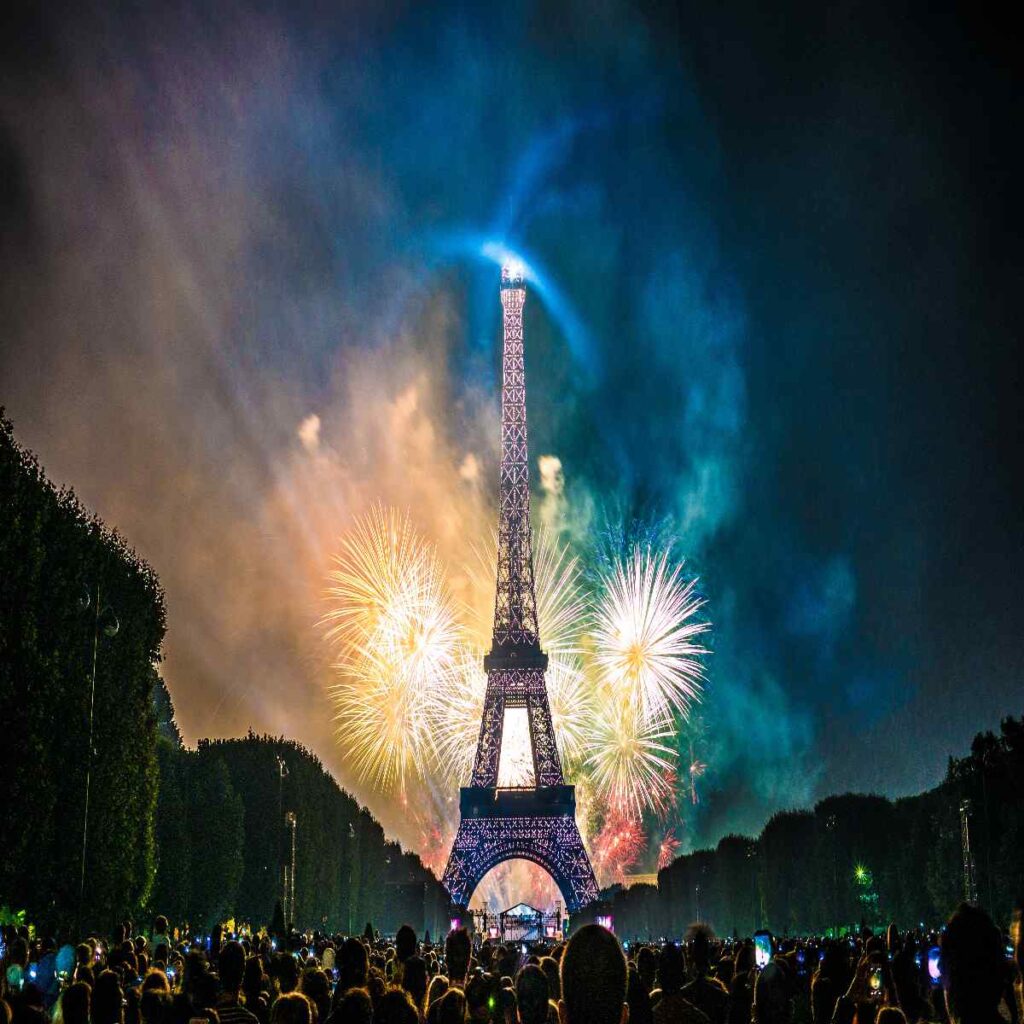
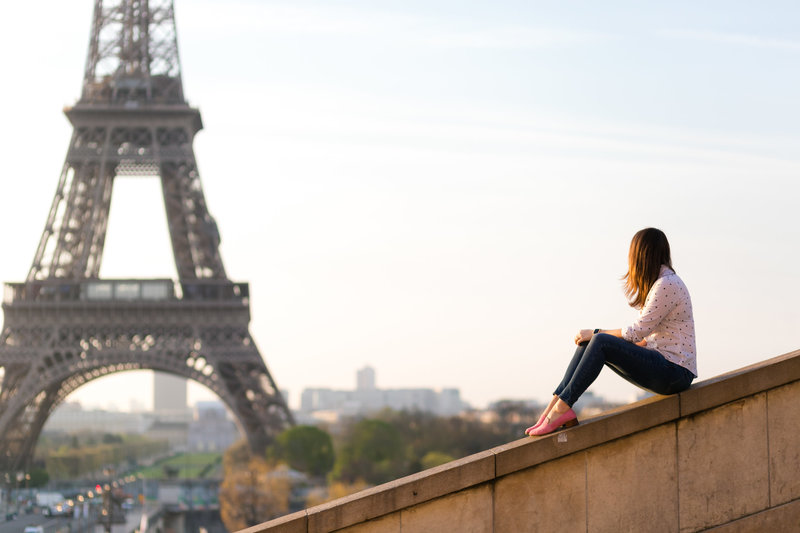
Paris is almost impossible to skip, and that is fine. It rewards repeat visits, but even four or five days can give you a satisfying mix of landmarks and local neighbourhoods. You can divide your time between big-ticket sights such as the Eiffel Tower, Louvre, and river cruises, and more relaxed wandering in areas like the Marais, Saint‑Germain, or the Canal Saint‑Martin.
For a first visit, it often works well to plan one “anchor” experience per day (a museum, a monument, a special dinner or show) and leave room for spontaneous detours. If you are planning a full week in and around the capital, consider building your days using a more detailed 7‑day Paris and beyond itinerary that includes side trips and practical timing ideas.
Versailles and nearby side trips
Versailles is one of the easiest and most impressive day trips from Paris. The palace, with its famous Hall of Mirrors and formal gardens, does get busy, but with an early start or a late-afternoon visit it can still feel surprisingly peaceful in the wider grounds. Many visitors underestimate how large the estate is, so comfortable shoes and a flexible schedule help.
If you want to add a second side trip, places like Giverny (for Monet’s gardens) or the Champagne region are popular options. Some travellers prefer to use Paris as a fixed base and join organised day trips, while others like to shift hotels and spend a night outside the city. Both approaches work; it mostly depends on how often you want to pack and unpack.
Loire Valley: châteaux and river landscapes
The Loire Valley feels like a gentle counterpoint to Paris: green landscapes, grand Renaissance châteaux, and slow-moving rivers. Towns such as Amboise, Blois, and Tours make good bases, from which you can visit famous castles like Chenonceau, Chambord, and Villandry. You can see a lot in two or three days without rushing, especially if you focus on a handful of highlights rather than every single château.
Many travellers enjoy exploring this region by car, because it gives you the freedom to stop in smaller villages or picnic by the river. If you prefer not to drive, it is still possible to combine trains with local tours to reach the main sights. A future Loire-focused cluster guide can go into more detail, but on this pillar page it is enough to show how well the valley pairs with Paris on a one or two-week itinerary.
Normandy: history, cliffs, and half-timbered towns
Normandy mixes powerful history with peaceful rural scenes. The D‑Day landing beaches and related museums can make for an intense but meaningful day or two, especially around places like Omaha Beach and Arromanches. Nearby, Bayeux offers a charming base with its famous tapestry and a small, walkable old town.
Beyond the D‑Day sites, you also have coastal towns such as Honfleur, with its pretty harbour, and the dramatic island abbey of Mont‑Saint‑Michel. You can visit parts of Normandy on day trips from Paris, but spending several nights in the region allows a slower rhythm and less time in transit. A future Normandy itinerary article could link closely to this pillar and deepen the historical side of the trip.
Coastal and island escapes in France
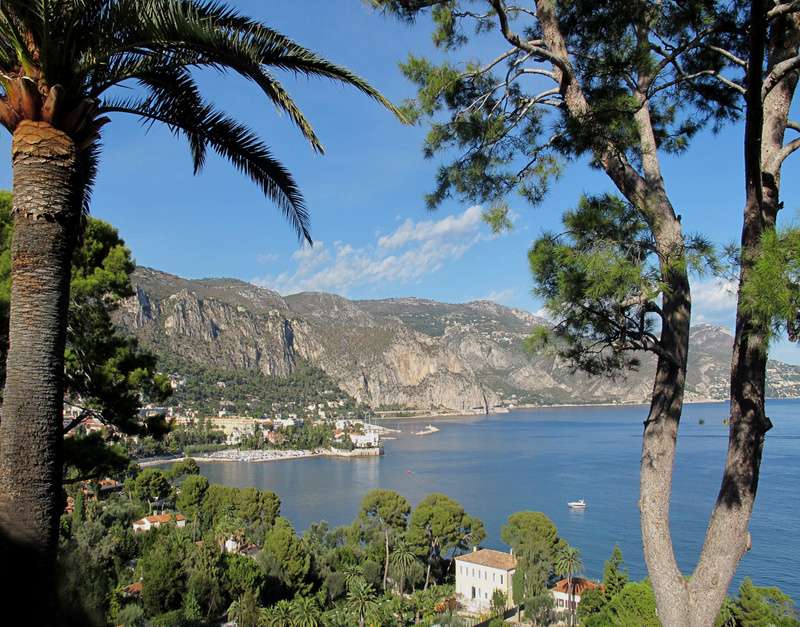
France’s coastline is far more varied than many first-time visitors expect. There are glamorous beaches lined with palm trees and luxury hotels, windswept bays where you share the sand with seabirds, and quiet islands where the main decision of the day is which café terrace has the best view. If your idea of the best places to visit in France involves sea air and long evenings outside, the coast will probably pull you in quickly.
French Riviera (Côte d’Azur)
The French Riviera is the Mediterranean at its most polished: Nice with its seafront promenade, Cannes with film-festival glamour, Antibes with its old town and harbour, and a string of smaller coastal villages. The light feels almost exaggerated on clear days, which is part of why so many painters were drawn here. Beaches are often pebbly rather than sandy, but the water is usually an inviting shade of blue.
With good train links between the main towns, you can base yourself in one place and explore up and down the coast. From Nice, for example, you can day-trip to Èze, Monaco, or Menton without needing a car. If you are dreaming of lavender fields and old stone villages as well as the sea, pairing the Riviera with a dedicated south of France itinerary that includes inland Provence can work beautifully.
Provence and the Mediterranean coast
Provence stretches from the Rhône valley to the Mediterranean, blending Roman sites, colourful markets, vineyards, and villages stacked up on hillsides. Cities like Avignon and Aix-en-Provence make strong bases, while the coastal city of Marseille and nearby Cassis open the door to the Calanques, a series of steep limestone inlets with turquoise water. The region looks different in each season: lavender is usually associated with summer, but autumn light and quieter streets can be just as appealing.
Driving gives you the most freedom here, especially if you want to explore smaller villages or places like the Luberon, Verdon Gorge, or quieter stretches of coast. However, if you prefer to travel by train and bus, you can still piece together a satisfying route, focusing on a few main centres. This is one of those areas where taking your time pays off; three or four days can work, but a week lets you see very different sides of Provence.
Brittany: wild coasts and seaside towns
Brittany, on the northwestern tip of France, feels distinct in both culture and landscape. Think jagged coastlines, lighthouses, stone-built villages, and strong maritime traditions. Towns like Saint‑Malo, with its walled old centre facing the sea, are atmospheric in all kinds of weather, and the nearby “pink granite coast” has unusual rock formations that look almost sculpted.
This region is particularly appealing if you enjoy coastal walks, sea views, and cooler summer temperatures. It is also a good option if you are planning a road trip across northern France that includes Normandy, since the two regions sit side by side yet offer subtly different characters. For travellers who prefer quieter places to the buzz of the Riviera, Brittany often feels like a pleasant surprise.
Atlantic coast: Biarritz, La Rochelle and nearby islands
On the Atlantic side, the coast runs from the mouth of the Loire down to the Spanish border, with long beaches, dunes, and surf towns. Biarritz blends a slightly old-fashioned elegance with modern surf culture, while the area around La Rochelle and the Île de Ré is known for bike paths, oyster beds, and whitewashed houses with pastel shutters. Further south, the Arcachon basin and the tall sand dune of Pilat offer striking landscapes and wide sea views.
The Atlantic coast is naturally breezier and feels more spacious than some compact Mediterranean bays. Families often appreciate the wide beaches and relaxed holiday-town atmosphere, while food lovers come for seafood, regional wines, and local markets. It also combines nicely with inland wine regions like Bordeaux, making it an easy addition to a longer itinerary.
Storybook towns, wine regions and countryside
Not everyone is looking for big cities or beaches. For many people, the best places to visit in France are actually quiet towns, vineyards, and countryside that feels almost untouched by time. These are the areas where long lunches stretch into the afternoon, village squares come alive on market days, and you sometimes catch yourself thinking about moving there “just for a year or so.”
Bordeaux and Saint‑Émilion
Bordeaux is often described as a “mini‑Paris by the river,” with elegant 18th‑century architecture, broad boulevards, and a growing food scene. It is big enough to feel lively, but small enough that you can get your bearings quickly and enjoy walking along the riverfront or through compact historic districts. Wine is an obvious draw, yet you do not need to be an expert to enjoy a tasting or a vineyard visit.
Nearby Saint‑Émilion, a hilltop town surrounded by vineyards, is an easy day trip or overnight stay. Wandering its sloping streets, ducking into wine shops, and climbing to viewpoints gives you that picture‑book countryside feeling without being too remote. For travellers who want to build a trip around food and wine, a dedicated France wine travel guide can tie Bordeaux together with other classic regions like Burgundy and Alsace.
Burgundy: slow roads and vineyards
Burgundy sits to the southeast of Paris and feels calm and grounded. The landscape rolls gently rather than dramatically, dotted with villages, stone churches, and lines of vines. Towns such as Beaune make a popular base, with cellars to visit, nearby wine routes to follow, and enough restaurants to keep you busy for a few evenings.
This is a region where it makes sense to slow down. Instead of racing between towns, you might choose one or two bases and explore in loops, stopping at viewpoints and walking short sections of vineyard trails. It is also a nice counterbalance to more intense sightseeing days elsewhere in France; after a busy stretch of museums and monuments, a couple of relaxed Burgundy days can restore your energy.
Alsace: half-timbered villages and wine routes
Alsace, near the German border, is often described as fairy‑tale France, and that is only a small exaggeration. Towns like Strasbourg and Colmar have canals, cobbled streets, and brightly painted, half-timbered houses. In the surrounding countryside, wine routes wind through villages where flowers spill out of window boxes in summer, and the atmosphere turns cosy in autumn and winter.
Because the distances between villages are short, Alsace works well for a long weekend or a slightly longer stay where you hop from one town to another. You can explore by car, by bike, or using a mix of trains and local buses. Many people combine this region with nearby Germany or Switzerland, but it also stands nicely on its own as a gentle, scenic slice of eastern France.
Dordogne and the Lot
The Dordogne and neighbouring Lot valley are places people often fall for quietly. The landscape is green, dotted with limestone cliffs, meandering rivers, and hilltop villages. Medieval towns, markets, and prehistoric caves add layers of interest, but the overall pace tends to be slow and unhurried.
This is one of the best areas for travellers who enjoy staying in a countryside guesthouse or a small rental and doing day trips. You might spend one day canoeing on the river, another exploring a castle, and a third just wandering through a market and cooking with local ingredients. While it is a little less accessible without a car, the reward is a sense of space and calm that is hard to find in busier regions.
Mountains, nature and outdoor adventures
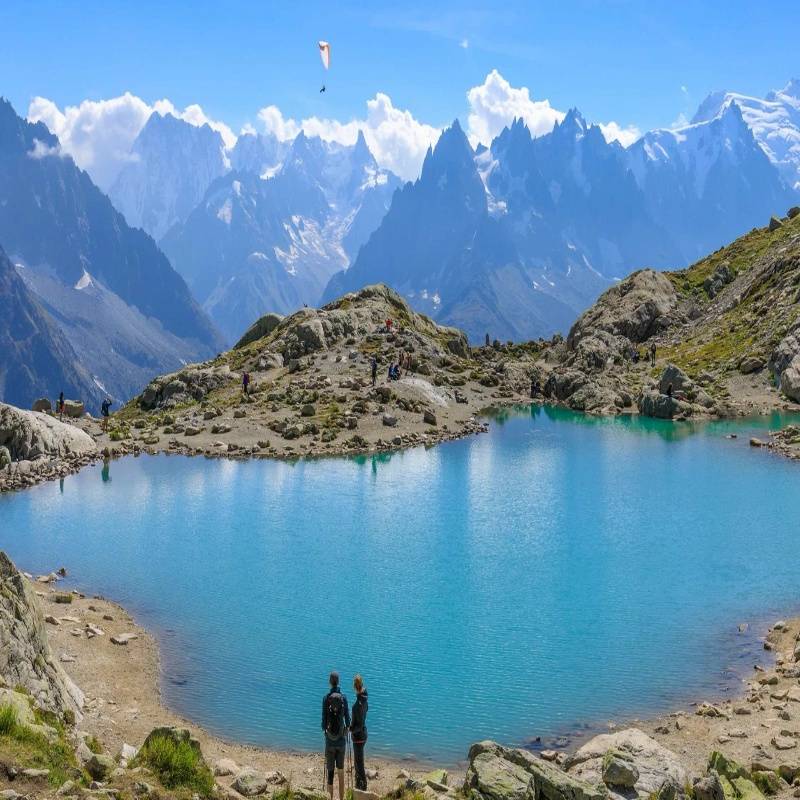
When people think of the best places to visit in France, mountains do not always come to mind immediately, but they really should. The French Alps, the Pyrenees, and inland gorges offer landscapes that feel almost cinematic, with clear lakes, jagged peaks, and small towns tucked into valleys. Whether you like gentle walks and cable cars or proper hikes and snow sports, there is likely a corner that fits you.
French Alps: Annecy, Chamonix and beyond
The French Alps stretch over a wide area, but two names come up again and again for visitors: Annecy and Chamonix. Annecy sits by a lake that can look almost unreal on sunny days, with the old town’s canals adding extra charm. It is easy to spend time here doing very simple things: walking along the water, renting a bike, taking a boat ride, or lingering over a meal with mountain views.
Chamonix, in contrast, feels more dramatically alpine, with high peaks and glaciers looming above the town. Cable cars and mountain trains take you up to viewpoints and trailheads, and the atmosphere is often buzzing with hikers and climbers in summer or skiers in winter. Even if you are not a serious mountaineer, it is hard not to feel a little thrill when the clouds part and the peaks appear.
Verdon Gorge and inland Provence
Inland from the Riviera and Provence’s coastal cities lies the Verdon Gorge, a deep canyon with turquoise water that is popular with hikers, kayakers, and road‑trippers. Driving the rim roads and stopping at viewpoints can easily fill a day. In summer the area can be busy, but there are still quiet corners and small villages where time seems to slow down.
Combining the gorge with the wider Provence region gives you a satisfying mix of open landscapes, lavender fields (in season), and historic towns. It is an area where a car really does make a difference, simply because the most scenic points are often not on main public-transport routes. That said, even a guided day trip from a base like Aix‑en‑Provence or the Luberon can give you a taste of the scenery.
Pyrenees and lesser-known mountain areas
Along the border with Spain, the Pyrenees offer a less crowded alternative to some Alpine hotspots. The mountains are slightly softer in shape in many areas, with green valleys, stone villages, and clear streams. Hiking, cycling, and winter sports are all possible, depending on the season and your comfort level with altitude.
Because the Pyrenees are a bit further from the most classic routes, they often appeal to people who have already visited France once or twice and want something a little different. Adding a few days here after time in Toulouse, Bordeaux, or the Basque country can create a nice contrast between city, coast, and mountains. If you are planning a more outdoors-focused trip, this could be one of the key sections you expand on in a separate specialist guide.
Sample itineraries combining these regions
Knowing where you want to go is one thing; turning that into a realistic route is another. It is easy to draw lines all over the map and then realise you would spend half your holiday in transit. These sample itineraries are not rules, but they give you a sense of how many places you can reasonably combine in one trip.
7-day classic France itinerary: Paris plus one region
In seven days, a straightforward plan is to focus on Paris and add just one extra area. You might spend four full days in the city and then three days in either the Loire Valley or Normandy. For a first visit, this balance gives you a good mix of art, architecture, food, and countryside or coast, without too many hotel changes.
If you know you prefer cities, you could stay based in Paris and use a structured Paris and beyond 7‑day itinerary that weaves in day trips instead. On the other hand, if you are comfortable renting a car, a short loop through Normandy or the Loire with one or two bases outside Paris can feel more immersive.
10-day “sun and stone” itinerary: Paris, Provence and the French Riviera
With ten days, you can comfortably combine Paris with the south of France. One option is to spend four or five days in the capital and then fly or take a high-speed train to Marseille, Avignon, or Nice. From there, you can carve out a few days for Provence’s inland towns and a few more for the coast.
A dedicated ultimate south of France itinerary can go into more detail on exact stopovers and driving routes, but the main idea is simple: choose a small number of bases and explore in day-trip “spokes” from each. This keeps your schedule flexible, leaves room for weather changes, and cuts down on constant packing and unpacking.
14-day slow-travel loop: cities, châteaux, and vineyards
Two weeks gives you enough time to explore several different sides of France without everything blurring together. A classic loop might look like this: Paris for four nights, Loire Valley for three, Dordogne or another countryside area for three, and Bordeaux or Burgundy for the remaining days. If you prefer the eastern side, you could replace Dordogne and Bordeaux with Alsace and another stay in Burgundy.
Food and wine lovers might use the same time to focus on fewer regions in more depth, perhaps combining Paris with a longer stay in Bordeaux, Burgundy, and Alsace. In that case, shaping your trip around a France wine-focused route can keep tastings and travel days balanced. However you arrange it, leaving at least one “empty” day for rest or spontaneous discoveries usually makes the whole trip feel more human and less like a checklist.
Practical tips for planning your trip
Once you have a rough idea of which regions appeal, a few practical details will make everything easier. France is well set up for travellers, but it still helps to think about timing, transport, and budget early. A little planning tends to save a lot of time on the ground.
Best time to visit the main regions
Spring (roughly April to early June) and autumn (September to October) are often ideal for cities, wine regions, and countryside. The weather is generally mild, sights are open, and crowds are more manageable than in peak summer. Lavender and sunflower fields in Provence usually peak in early to mid-summer, though exact timing varies by year.
Summer is best for beach destinations and mountain hikes, but you can expect higher prices and more competition for accommodation, particularly in August when many Europeans are on holiday. Winter brings Christmas markets in Alsace, quieter cities, and of course ski season in the Alps and Pyrenees. If your dates are fixed, it is usually better to choose regions that match the season rather than forcing a “summer style” trip in mid-winter or the other way around.
Trains, driving and getting around
France’s high-speed trains connect major cities quickly, which is why many itineraries hop between Paris, Lyon, Bordeaux, Strasbourg, Marseille and Nice without needing a car. For short to medium distances, regional trains and buses fill in a lot of gaps. If you prefer a more relaxed travel style, booking fewer but longer train journeys generally feels kinder than a string of early-morning departures.
Renting a car makes sense when your focus is on rural areas, coastal stretches with smaller towns, or regions like the Dordogne, Burgundy, or parts of Provence. Driving gives you freedom, but it also means considering parking, toll roads, and fuel costs. A hybrid approach can work well: train between major hubs, then rent a car for a few days in one region before returning it and continuing by rail.
Budgeting and setting expectations
Costs vary widely between regions and seasons, so it is hard to give single numbers that fit everyone. In general, Paris, the Riviera, and major ski resorts sit toward the higher end for accommodation and dining, while many countryside areas and smaller cities can be gentler on the wallet. Travelling outside peak months, choosing a mix of simple meals and occasional splurges, and using public transport where practical can all help keep costs in check.
What matters most is aligning your expectations with your budget. If you know you want a few special experiences, such as a fine-dining meal in Paris or a hot-air balloon over the Loire, you can plan simpler days around them. Likewise, if your budget is tight, focusing on fewer regions and staying longer in each often creates a richer experience than racing through the entire map.
Conclusion: finding your own best places to visit in France
There is no single route that suits every traveller, and that is part of the charm. The best places to visit in France will look a little different for each person, depending on whether you light up at the idea of city museums, wild coasts, mountain air, or long afternoons in wine country. What matters most is choosing a handful of regions that genuinely appeal to you and giving yourself enough time in each to breathe.
From here, you can sketch your own route: maybe a week in Paris and its surroundings, a stretch in the south of France, or a slow loop through vineyards and riverside towns. When you want more detail, lean on focused guides like a Paris and day trips itinerary, a south of France road trip plan, or a wine-country route that links Bordeaux, Burgundy and Alsace. With a bit of thought upfront and a willingness to leave some things for “next time,” your first (or next) journey through France can feel both memorable and surprisingly relaxed.