Caribbean Pink Sand Beach Escapes You’ll Never Forget

There’s something slightly unreal about a caribbean pink sand beach the first time you see one. You expect “pink” to be a marketing word, the kind that only shows up after a heavy Instagram filter. And then you get there—maybe not even at the perfect golden hour—and the shoreline really does have that blush tint, like someone dusted the sand with crushed rose petals (but, thankfully, it’s just nature doing its thing).
This guide is meant to be the page you keep open while planning: the science in plain English, the best Caribbean pink sand beaches worth rearranging a trip for, and the small logistical stuff people forget to mention until you’re already on the island. It’s not a booking site pitch. It’s closer to what a well-traveled friend would write down after a few trips, a few wrong turns, and a few “oh, that was easier than I thought” moments.
What makes a Caribbean pink sand beach pink?
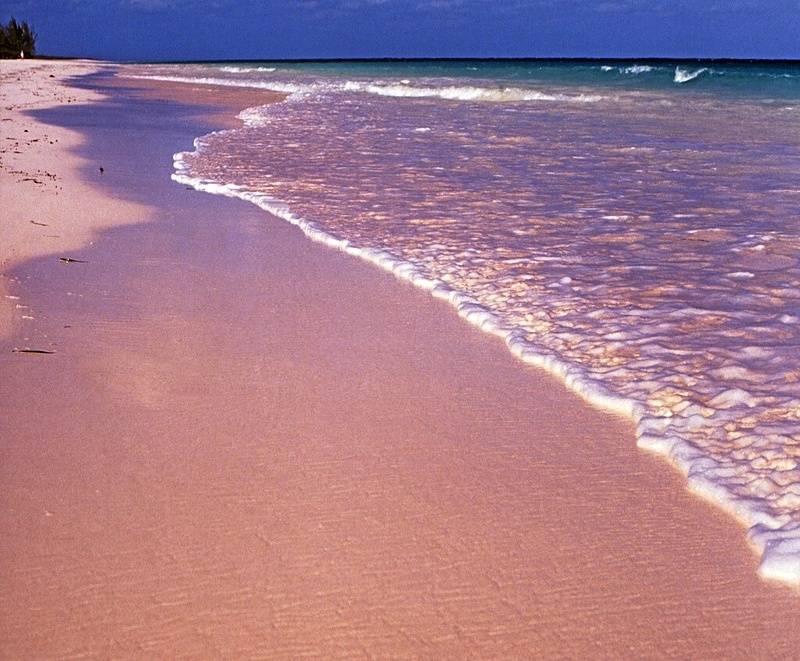
Pink sand usually isn’t one single “pink material.” It’s a blend. On many islands, the color comes from tiny marine organisms (commonly discussed as foraminifera) and fragments of coral and shells that break down over time and mix with lighter sand. When the grains are wet, the color often looks richer; when they dry out under harsh midday sun, the beach can look more pale and sandy than pink.
And here’s a detail that matters more than people admit: the light changes everything. The exact same beach can look noticeably pink at sunrise, sort of beige at noon, and then pink again when the sun drops and the sand cools. If you’ve ever felt slightly disappointed by a “famous” viewpoint because you arrived at the wrong time—yes, this is that kind of situation.
One more thing, and it’s not meant to be preachy: pink sand is fragile. Taking sand home in a jar feels harmless, but it adds up, and it’s exactly the kind of place where “a little” becomes a lot when thousands of visitors do it. If you want a souvenir, take photos. Take a silly video of your footprints getting washed away. Leave the sand where it belongs.
The best Caribbean pink sand beaches (the ones worth the effort)
Let’s get practical. A lot of articles list a few beaches, toss in a paragraph each, and move on. That’s fine for inspiration, but it doesn’t help you decide where to actually go. Below are the beaches that come up again and again for a reason—plus a few notes about who they’re best for.
Pink Sands Beach, Harbour Island (Bahamas)
If you only visit one classic pink sand beach in the Caribbean, this is the one people usually mean. Pink Sands Beach runs for about three miles along Harbour Island’s eastern coast, and the water is famously calm and shallow because offshore reefs help protect the shoreline. In other words: it’s beautiful, yes, but it’s also easy. Easy to swim, easy to wade, easy to spend a full day there without feeling like you “should” be doing something else.
What surprised me the first time I read about Harbour Island is how many access points there are. You’ll see hotels and resorts mentioned as landmarks (Coral Sands, Pink Sands Resort), but the beach itself isn’t “owned.” There are public pathways through Dunmore Town, and you can reach it without being a guest at a beachfront property.
How to plan it: Most people arrive via North Eleuthera, then take a short water taxi over to Harbour Island. From there, golf carts are the classic way to get around. It’s one of those places where the “getting there” sounds complicated in a paragraph, but in real life it usually feels like a small adventure—and then you’re on the beach wondering why you hesitated.
If Harbour Island is calling your name, the deeper, step-by-step planning version lives here: pink sands beach bahamas trip planning guide. (That page goes harder on the details—routes, timing, what to do if you only have a day, and the little things that keep the day smooth.)
French Leave Beach, Eleuthera (Bahamas)
Eleuthera is often the quieter neighbor to Harbour Island in people’s itineraries, and French Leave Beach is part of the reason. It’s long, airy, and less “scene-y.” The sand can lean rosy in places, and the color tends to show best when the shore is damp and the light is soft.
This is a good pick if you like the idea of pink sand but don’t want the social buzz that can come with the most famous beaches. The trade-off, though, is that you’ll want to be a little more self-sufficient—bring water, snacks, and your own shade plan if you’re staying a while.
Barbuda’s pink-sand coastline (Low Bay / 17 Mile Beach)
Barbuda is the daydream option. People talk about a long, champagne-pink shoreline—often described around Low Bay or the broader “17 Mile Beach” stretch—where you can walk and walk and feel like you’ve found an empty edge of the world. It’s also one of those places where the “pink” can be subtle in the wrong light, then suddenly obvious when a wave recedes and the wet sand glows.
Barbuda is best for travelers who are okay with fewer conveniences. Not fewer comforts, necessarily—just fewer things being right there at the beach. Sometimes that’s exactly what makes it special. And sometimes (quietly) that’s when you realize you packed the wrong snacks. It happens.
If you’re tempted by Barbuda (or other less-obvious islands), you’ll probably like this cluster post: hidden Caribbean pink sand beaches worth the detour. It’s designed for travelers who don’t mind a little friction if the payoff is solitude.
Crane Beach, Barbados
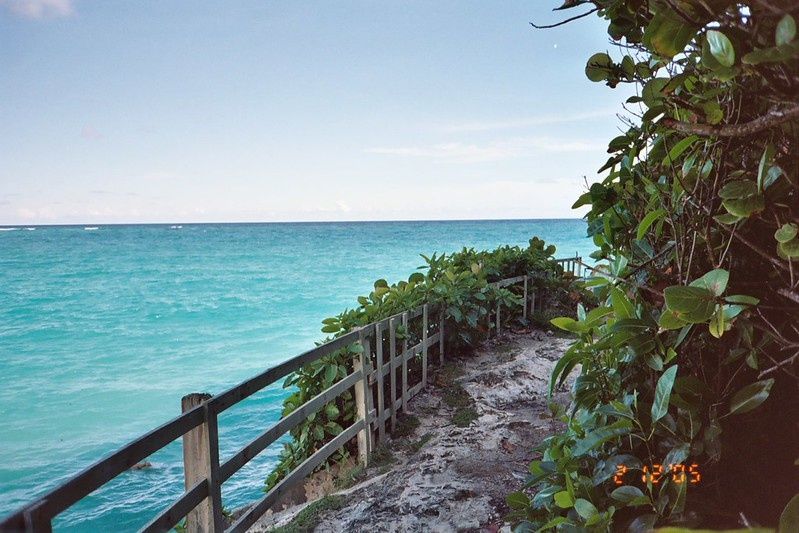
Barbados doesn’t always get highlighted as “the” pink beach destination, but Crane Beach is often mentioned for its pale pink tones and dramatic scenery. It’s the kind of beach where the color is part of the appeal, but not the only thing. The setting does a lot of the work—cliffs, a wide shore, and that Atlantic energy that can look gorgeous and also demand a bit of respect.
If you’re traveling with family, this is where being honest helps: it can be wonderful, but the water conditions can vary. Some days it’s an easy swim; other days it’s more of a “waist-deep, enjoy the view” kind of beach. That’s not a bad thing, just a planning thing.
Pink Beach, Bonaire
Bonaire is often talked about in the same breath as snorkeling and diving, and Pink Beach fits into that identity. It’s known as a shore-accessible spot for divers and snorkelers, and it’s one of those places where the “pink” is usually gentle—more blush than bubblegum. Still, when the light is right, it’s unmistakably different from a standard white-sand beach.
A small reality check (and I mean that in a helpful way): if your main goal is a vivid pink photo, Bonaire might not hit as hard as Harbour Island on the color alone. But if your goal is a beach day that turns into a snorkeling day that turns into “let’s stay for sunset,” Pink Beach makes a lot of sense.
Las Salinas (Cabo Rojo), Puerto Rico
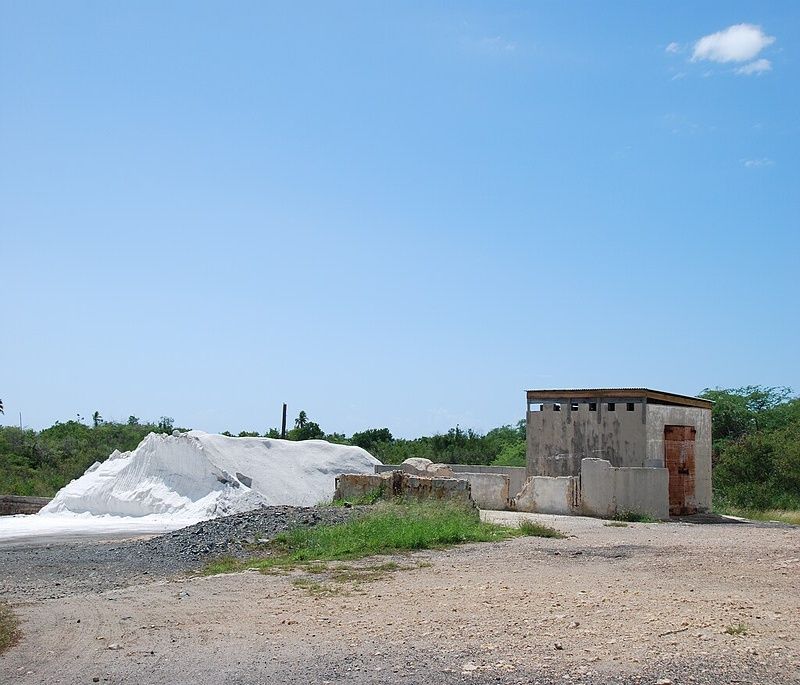
Puerto Rico doesn’t always get filed under “pink sand,” but Las Salinas in Cabo Rojo is often mentioned for its pink-tinged sand and striking water color. It’s a good option if you want a pink-ish beach experience without adding another country hop to your itinerary—especially if you’re already planning a Puerto Rico trip and want a memorable day drive.
It’s also a reminder that not every “pink” beach looks the same. Some are uniformly rosy. Some are streaked. Some are only really “pink” in the right conditions. That variety is part of the fun, I think. (Or maybe that’s just the traveler rationalizing why they keep chasing new beaches.)
How to choose the right pink sand beach for your trip
This is where people get stuck: “Which one is the best?” The honest answer is that “best” depends on how you travel. And, yeah, on how patient you are with logistics.
- If you want the iconic, easiest win: Harbour Island’s Pink Sands Beach is hard to beat for beauty plus swim-friendly water.
- If you want long, quiet, and wild: Barbuda is the daydream, especially if you’re okay with fewer facilities right on the sand.
- If you want a classic Caribbean vacation with resort comfort nearby: Barbados can be a strong fit, with Crane Beach as a highlight.
- If you want pink sand plus underwater time: Bonaire is a natural match for snorkelers and divers.
- If you want pink-tinged sand without complex island hopping: Puerto Rico is worth considering, especially as a bonus day trip.
Also, a small contradiction that’s worth saying out loud: the “best” pink sand beach isn’t always the pinkest. Sometimes it’s the one where the day feels effortless—shade, calm water, a place to grab lunch, and enough room to breathe.
When to go (and when the sand looks most pink)
People love asking for “the best month.” I get it. Planning is stressful, and a clear answer feels comforting. But for pink sand, the better answer is about conditions: the sand tends to look pinker when it’s wet and the light is soft. So early morning and late afternoon usually win.
Seasonally, the Caribbean has patterns—winter and spring can be popular for good reason, and some islands have calmer stretches or clearer water in certain months. But even then, weather isn’t a contract. If you can, build in flexibility: give yourself two mornings on the beach instead of one. It’s a simple way to increase your chances of seeing that perfect blush tone without feeling like you’re chasing it.
For a more nuts-and-bolts approach (packing, timing, and photography), this companion guide helps: how to plan a Caribbean pink sand beach trip. It’s especially useful if you’re trying to get photos that look real—beautiful, sure, but not like a different planet.
How to get there without overcomplicating it
Most pink sand beach itineraries work best when you pick one “main” island and build around it. Trying to hit four islands in one week sounds exciting, but it often becomes a blur of airports, ferry docks, and checking out of hotels. (Sometimes that’s fun. Sometimes it’s exhausting in a way you only notice after you get home.)
Here are the most common, realistic approaches:
- Bahamas-focused trip: Use Nassau or North Eleuthera as a gateway, then connect to Harbour Island and optionally Eleuthera beaches.
- Antigua + Barbuda pairing: Treat Antigua as the flight hub, then plan a Barbuda side trip for the long pink-sand stretches.
- Southern Caribbean nature trip: Base in Bonaire if snorkeling and diving are central, and treat pink sand as a bonus feature of the coastline.
- Puerto Rico base: Keep it simple with one island and explore pink-tinged spots by road.
If you’re building an itinerary and keep thinking, “This feels like too many moving parts,” that’s probably your answer. Simplify it. Give yourself more beach time than transit time.
What to pack (and what people forget)
This isn’t a packing list for everything—just the stuff that’s surprisingly relevant to pink sand beaches.
- Reef-safe sunscreen: Especially for places with reef-protected lagoons and snorkeling areas.
- Water shoes (optional, often helpful): Not always needed on soft sand, but useful where coral fragments show up near the shoreline.
- A dry bag: If you’re doing water taxis, boat rides, or just want a stress-free beach day.
- Shade plan: Some beaches have natural shade; others don’t, and midday sun gets intense fast.
- Neutral clothing for photos: White, beige, and soft blues tend to photograph well against pink sand without competing with it.
And yes, it’s worth repeating: don’t take sand. If a beach is famous for a rare color, it’s probably famous because it’s rare.
Photography tips for pink sand (without making it fake)
Pink sand can be tricky to capture because cameras and phones love to “correct” color. Sometimes your photo looks less pink than what you saw. Sometimes it looks neon and you think, “That’s… not quite right either.”
- Shoot early or late: Softer light helps the pink show up naturally.
- Include a reference: A towel, your feet, a hat—something that helps the viewer’s eye understand the sand color.
- Don’t over-edit warmth: A tiny tweak is fine, but heavy warmth can turn the whole scene orange and kill the real blush tone.
- Try wet-sand shots: The pink often appears strongest right where waves retreat.
If you’re the kind of traveler who cares about getting the photo but also wants it to feel honest, you’ll probably enjoy the more detailed approach in this planning and photography guide.
FAQ: Caribbean pink sand beaches
Are Caribbean pink sand beaches actually pink?
Yes, but often not in a “cartoon” way. Most are blush-toned, and the color shifts with light and moisture. If your expectations are based on heavily edited photos, the real beach may look softer—and then, suddenly, at the right moment, it looks exactly like the photos.
Is it safe to swim at a Caribbean pink sand beach?
It depends on the beach. Some, like Harbour Island’s Pink Sands Beach, are known for calm, shallow water due to offshore reef protection. Others, like Atlantic-facing beaches in Barbados, can have stronger surf at times. Checking local conditions the day you go is the safest approach.
Do pink sand beaches stay pink forever?
The color can change subtly over time, and it can look different season to season. Coastal systems are dynamic—storms, currents, and reef health all play a part. That’s another reason to treat these places gently.
Conclusion: picking your caribbean pink sand beach
If the goal is a trip that feels special—without needing to be complicated—a caribbean pink sand beach is one of the easiest “wow” experiences you can plan. Harbour Island is the classic for a reason, Barbuda is the quiet dream, and places like Bonaire or Puerto Rico can surprise you when you stop chasing perfection and just let the day unfold.