Is Aruba safe? A realistic guide for travelers

Is Aruba safe overall?
Overall, Aruba has a strong reputation for visitor safety, and major official advisories emphasize normal, everyday precautions rather than special restrictions.
The Government of Canada’s guidance summarizes the risk level as “Take normal security precautions in Aruba,” which is basically the advisory world’s way of saying:you don’t need to panic, you just need to pay attention.
The U.S. State Department uses similar language, advising travelers to “Exercise normal precautions in Aruba.”
That doesn’t mean nothing bad ever happens. It means Aruba is not broadly categorized as a destination where travelers should expect systemic instability or unusually high threats.
If this sounds a bit vague, it kind of is. So let’s translate it into reality: most issues travelers run into in Aruba look like petty theft, bad decisions around alcohol, and underestimating the ocean.
The ocean part surprises people, actually. It’s easy to forget that the most dangerous thing on a sunny vacation can be the water.
What “normal precautions” looks like in real life
In practical terms, “normal precautions” is a bundle of small habits:
Keep track of your phone and wallet, don’t leave valuables unattended, avoid isolated places late at night, and choose reputable operators for tours and water activities.None of that is exotic. It’s the same common-sense travel behavior that works almost anywhere.
Aruba-specific nuance matters, though. Canada’s advisory notes that petty crime like pickpocketing and purse snatching occurs, and it also calls out theft from vehicles, hotel rooms, and rental units.It also points out that crime tends to increase during big celebrations like Carnival (January through March).
There’s another line in the Canadian guidance that’s easy to skim past but worth taking seriously:
Coastal waters can be dangerous, and rescue services may not be consistent with Canadian standards.That’s not meant to scare you, but it’s a reminder that you should be conservative with water risks—especially if you’re not a strong swimmer or you’re traveling with kids.
Crime and personal safety (what’s realistic)
Aruba is not a “no crime” island. No place is.But the pattern that shows up in official guidance is the typical tourist pattern: opportunistic theft, especially when valuables are left unattended or when crowds make distraction easier.
The Government of Canada specifically mentions pickpocketing and purse snatching, plus theft from vehicles, hotel rooms, and rental units.It also recommends securing travel documents, not leaving valuables on the beach or in your vehicle, and avoiding unpopulated areas and unpatrolled beaches after dark.
Is Aruba safe for tourists in popular areas?
In the places most visitors actually spend time—hotel zones, beaches with lots of people, restaurant strips—Aruba generally feels easy and relaxed.Still, “relaxed” can make travelers sloppy. If you’ve ever left a phone on a café table because you felt comfortable, you know what I mean.
A simple rule that helps: when you’re in crowds (festivals, markets, busy nightlife), treat your valuables like you would in any big city.And during peak events like Carnival, be extra conservative—Canada specifically notes crime typically increases during that period.
If you’re traveling solo and you want a deeper, more personal walkthrough (including what to do at night, how to think about bars, and the “small boundaries” that reduce risk),read this companion guide on is Aruba safe for solo travelers.
Women traveling alone
It’s worth saying plainly: women traveling alone may experience harassment or verbal abuse, and Canada’s advisory calls that out directly.That doesn’t mean Aruba is unsafe for solo women, but it does mean you should plan for the possibility in the same way you’d plan for sunburn—annoying, preventable, and easier when you’re prepared.
Practical approach (not paranoia): choose accommodations with good lighting and staffed reception, keep your phone charged, and avoid isolated areas late at night.If something feels off, leave. That instinct is there for a reason, and it’s not “overreacting.”
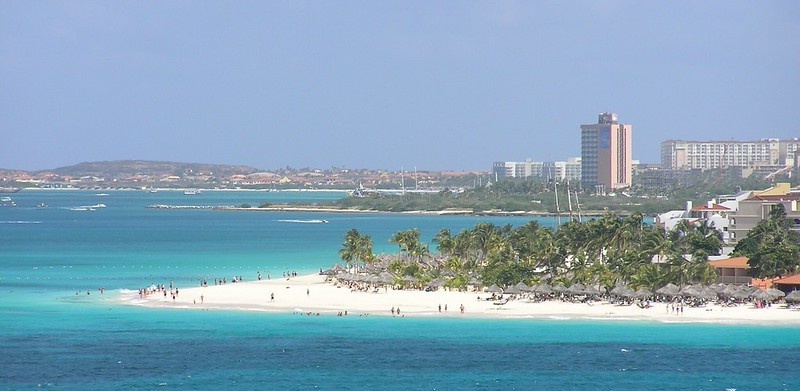
Beach and ocean safety (often the biggest risk)
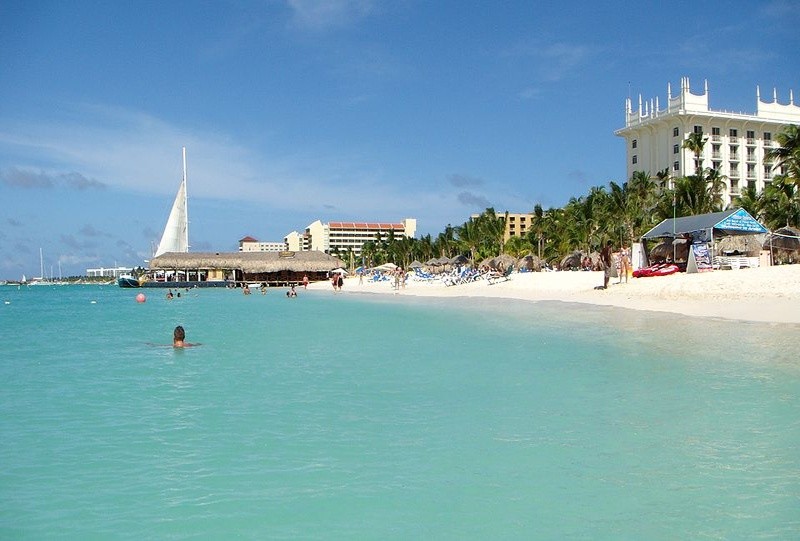
Aruba’s beaches are a huge part of why people go, and also—quietly—one of the places where travelers get into trouble.Canada notes coastal waters can be dangerous and that rescue services may not match Canadian standards, which is a polite way of saying you should not assume fast, well-resourced response everywhere.
Aruba’s official tourism site also warns travelers not to venture beyond buoys because currents can pick up quickly, and it notes that some north-coast beaches and coves are not for swimming at all (and will be marked by signs).
That north-coast point matters: the water can be rougher, conditions can shift, and “I’ll just dip in for a minute” can turn into a situation fast.
If you want the detailed version—how to read warning signs, how to think about currents, and what “safe enough” looks like for families—go here: Aruba beach and ocean safety tips.
Water sports: the fun can outrun the safety
Canada’s advisory is pretty direct about water sports: make sure equipment is in good condition, ensure helmets and life jackets are available, and avoid participating under the influence of alcohol or other substances.It also recommends checking whether your travel insurance covers accidents related to recreational activities.
That last point is less exciting than picking a snorkeling spot, but it’s one of those adult decisions that you’ll be grateful for if something goes wrong.Medical evacuation can be expensive, and Canada’s guidance explicitly advises having travel insurance that includes medical evacuation and hospital stays.

Getting around safely (taxis, driving, walking)
Most travelers move around Aruba without any major issues. Still, transportation is one of those areas where small misunderstandings can create stress.And stress, on a trip, tends to feel like “this place is unsafe” even when the real problem is just logistics.
Taxis: registered, not metered
Canada notes that taxis in Aruba must be registered and have license plates marked “TX.”They’re not metered; they use a flat rate by destination set by the government, and you should agree on the fare before you leave.
This is a simple fix. Ask the price first, confirm it, and then get in.It’s not about distrust. It’s about avoiding that awkward moment at drop-off when everyone suddenly remembers they have different numbers in their heads.
Driving: decent roads, different habits
Canada’s advisory says major roads are in good condition, but it also notes many drivers don’t respect traffic laws and that animals on the road can be a hazard.It adds that road signs are different from Canada, so visitors should familiarize themselves before driving.
Another easy-to-miss detail: Canada notes turning right on red lights is prohibited.If you’re used to turning right on red, that’s exactly the kind of “oops” that can turn into a ticket or a close call.
For a very practical checklist of everyday mistakes (rental car habits, beach valuables, common “don’t do this” moments),see mistakes to avoid in Aruba.
Entry requirements and documents (don’t get tripped up)
There’s a safety angle here that people don’t always think about: being unprepared at the border, or not having the right documents, can create risk—missed flights, forced last-minute changes, and a general feeling of chaos.
Aruba isn’t unusual, but it does have a few specific requirements worth knowing.
Canada notes that travelers must have a completed Embarkation/Disembarkation card (ED card) to enter Aruba, and that it can be filled out online within 7 days before travel.It also notes customs officials may ask for onward/return tickets, proof of purpose, sufficient funds, and proof of valid health insurance.
Also, by Dutch law, you must carry valid identification, and Canada advises having a copy of your passport with you at all times.In real life, many travelers keep the passport secured and carry a copy day-to-day, which is a reasonable balance between safety and practicality.
Health realities (mosquitoes, sun, and routine stuff)
It’s easy to equate “safe” with “crime-free,” but health issues can derail a trip faster than a stolen phone.
Canada’s health section flags mosquito-borne risks like dengue, Zika, and chikungunya, and it emphasizes bite prevention.
The CDC’s traveler guidance for Aruba also focuses on standard travel health preparation and staying up to date on routine vaccines, plus prevention steps for mosquito bites and food/water safety.For most travelers, the takeaway isn’t fear—it’s repellent, light long sleeves in the evenings if you’re prone to bites, and not ignoring symptoms after you get home.
Sun and dehydration are the unglamorous, very common vacation problems.Aruba’s tourism site reminds visitors about strong sun and hydration, and that’s honestly one of the most useful “safety” reminders in the whole conversation.
Laws, culture, and the stuff people accidentally mess up
This is where Aruba can feel “strict” if you’re not expecting it, even though it’s really just… the law.Canada’s advisory notes severe penalties for illegal drugs, and it also warns not to carry packages that aren’t yours.
Another surprisingly common souvenir mistake: Canada notes it’s strictly prohibited to remove seashells, corals, or beach sand from the island.It sounds small, but it’s the kind of thing that can create a very avoidable problem at the airport.

Safety by traveler type
Families
Aruba can be a very comfortable family destination, but families should treat the ocean with extra respect.
Canada’s guidance about dangerous coastal waters and inconsistent rescue services is especially relevant when kids are involved, because kids can drift faster than adults realize.
A simple approach: choose calmer, well-populated swimming areas, follow posted warnings, and consider life jackets for young or less confident swimmers even if everyone else seems casual.It can feel a bit over-prepared… until you see how quickly conditions shift.
Couples
Couples usually run into “soft risks”: nightlife misunderstandings, over-drinking, leaving valuables on the beach, or assuming a quick swim after cocktails is harmless.Canada explicitly advises avoiding water activities under the influence of alcohol or other substances, which is smart even if it’s not very romantic.
Solo travelers
Aruba can be great for solo travel, and many people love the independence of it.Still, Canada notes women traveling alone may be subject to harassment or verbal abuse, so it’s worth planning around that possibility without letting it dominate your trip.
The solo traveler cluster guide goes deeper on how to move through Aruba confidently (and comfortably) without shrinking your plans: read the solo traveler Aruba safety guide.
A simple, realistic safety checklist
If it helps to have a short list you can actually follow (instead of a thousand rules), this is the one:
- Keep passports secured; carry a copy of your passport for ID as recommended in Canadian guidance.
- Don’t leave valuables unattended on the beach or in vehicles; theft from vehicles and accommodations can happen.
- Be extra alert during crowded events like Carnival, when petty crime can increase.
- In the ocean, follow posted signs and local warnings; don’t swim beyond buoys, and avoid north-coast areas marked unsafe for swimming.
- For water sports, use reputable operators, check gear and life jackets, and do not participate under the influence of alcohol.
- Use registered taxis (look for “TX” plates) and agree on the fare before you depart.
- Use insect repellent and take mosquito bite prevention seriously to reduce risks like dengue, Zika, and chikungunya.
And if you want the “why” behind the checklist—especially the ocean piece—bookmark the deeper dive on beach and ocean safety in Aruba.
So… is aruba safe?
Yes, Aruba is generally safe for travelers, and official guidance commonly frames it as a destination where normal precautions are appropriate.But it’s not a bubble. Petty theft happens, harassment can happen, and the ocean can be more dangerous than it looks.
If Aruba is on your list, it’s reasonable to go—just travel like you mean it.Lock up valuables, don’t treat warning signs as suggestions, and don’t let vacation mood override basic judgment.That’s not a dramatic ending, I know. It’s just the honest one.