Self-guided Walking Tour of Little India Singapore
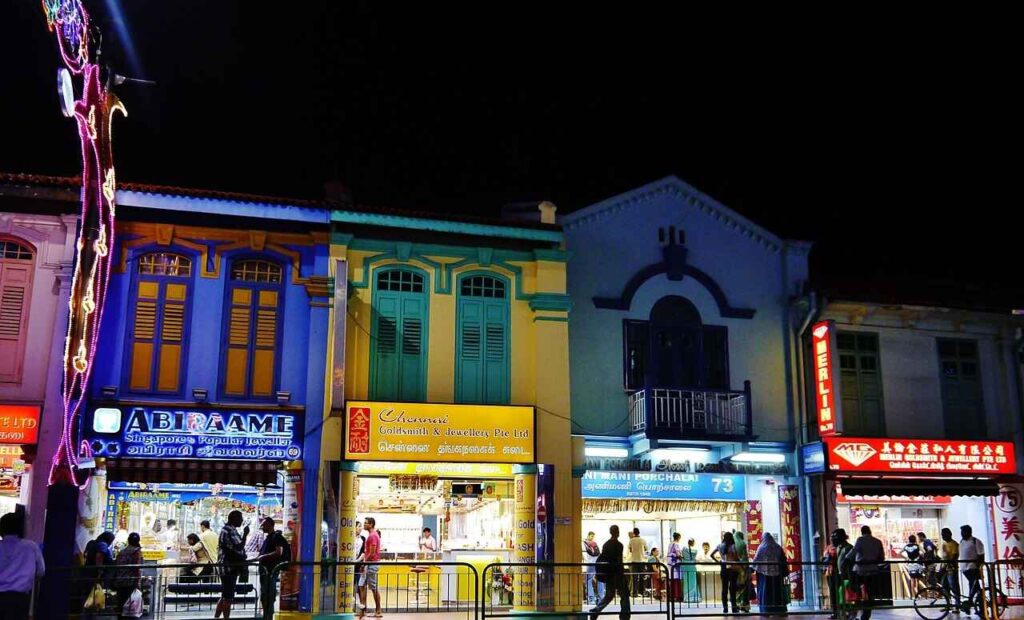
If you like exploring on foot, Little India is one of those places in Singapore that rewards you almost immediately. You step out of the MRT, and it’s like the city turns up the volume: garlands, temples, spices, textiles, and people moving with purpose. A self-guided walking tour of Little India Singapore is, honestly, one of the easiest ways to make sense of it all without feeling like you’re just wandering in circles.
This guide gives you a practical route (with variations), realistic timing, and a few “don’t overthink it” tips that make the walk smoother. It also links back to the main Little India Singapore pillar guide whenever you want the bigger picture—food, festivals, shopping, and the context behind what you’re seeing.
Before you start: quick expectations
This is a walk you can do year-round, but comfort depends a lot on timing. Mornings tend to be calmer and a bit cooler; late afternoons into early evening can be more atmospheric, especially if you enjoy busier streets and food energy.
The full route below is designed to take about 2.5 to 3.5 hours at an easy pace, including temple stops and time for photos. If that sounds like too much, there’s also a shorter loop that still hits the “classic” sights.
What to bring (and what to skip)
Bring water, comfortable shoes, and a small scarf or light layer if you plan to enter temples. It’s not about being overly formal; it’s more about being respectful and not feeling caught off guard when you see signage about modest dress.
Skip anything that makes you feel weighed down. Little India can be crowded in places, and you’ll enjoy it more if you’re not constantly adjusting a heavy bag or worrying about something dangling from your shoulder.
Route overview
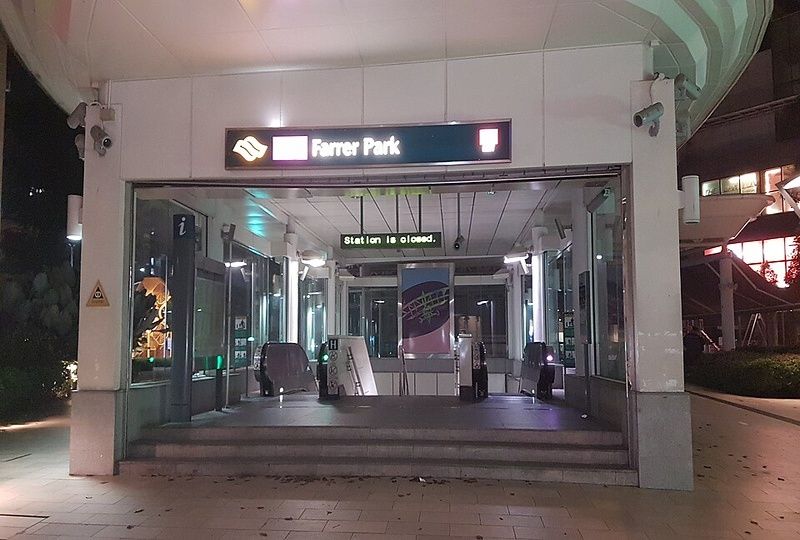
This walking tour starts at Little India MRT and ends near Farrer Park MRT, which makes it easy to “flow” in one direction without retracing your steps. You can absolutely reverse it if you prefer, but the order below tends to feel more natural for first-timers.
Along the way, you’ll hit a mix of big-ticket landmarks and smaller street scenes. The goal is to create a walk that feels like a real neighborhood experience, not just a highlight reel.
- Start: Little India MRT
- Finish: Farrer Park MRT (or loop back if you prefer)
- Time: 2.5–3.5 hours (longer if you add museum time or a full meal)
- Style: Culture + color + markets + flexible food breaks
Stop-by-stop walking tour
Stop 1: Little India MRT area (settle in)
Start by giving yourself five minutes to just “arrive.” This neighborhood has a lot going on, and jumping straight into a checklist can feel oddly stressful. Take a breath, check your map, and set a simple intention—maybe temples first, then food, then shopping.
If you want more context on how the neighborhood fits into a bigger day with nearby areas like Bugis or Kampong Glam, the main Little India Singapore guide has a simple overview that helps with planning.

Stop 2: Sri Veeramakaliamman Temple (temple etiquette moment)
Next, head toward one of the best-known temples in the district: Sri Veeramakaliamman Temple. The exterior is striking—colorful, detailed, and the kind of place that makes you slow down even if you weren’t planning to.
When you enter a temple, dress modestly, remove your shoes where required, and keep your voice low. Photography rules vary, so it’s wise to look for signs or ask before taking close-up shots inside, and it’s worth being considerate of worshippers while visiting. VisitSingapore’s overview is a helpful reference if you want a quick sense of what makes the temple significant and how to approach it respectfully.
Tip: if you’re visiting during a busy period, it can be nicer to stand slightly to the side and observe rather than pushing forward. It sounds obvious, but in the moment, people forget.
Stop 3: Tan Teng Niah’s bright house (photography break)
From the temple area, make your way toward Tan Teng Niah’s bright house. It’s famous for a reason: the colors really do pop, and it’s a fun contrast to the more intricate, ornate temple architecture.
Give it 10–15 minutes—enough time for photos and a slow look around—then keep moving. This is one of those stops that can become a time sink if you’re waiting for the “perfect” empty shot, and, realistically, the area is rarely empty.
Stop 4: Side streets and shophouses (wander on purpose)
Now comes the part that makes this route feel less scripted: wander through a couple of side streets. Look up at the shophouse details, peek down lanes, and notice how quickly the mood changes when you step away from the main road.
This is also a good moment to decide what you want next—more culture, more food, or more shopping. Little India has a way of pulling you in different directions. It’s not a bad thing, just slightly chaotic.
Stop 5: Indian Heritage Centre (optional, but worth it)
If you enjoy having context, the Indian Heritage Centre is the best “pause and learn” stop on this walk. It helps connect what you’re seeing—temples, businesses, migration stories—into something that feels more coherent.
Practical detail that saves frustration: the Indian Heritage Centre lists its opening hours as Tuesday to Sunday, 10am to 6pm, with last admission at 5.30pm, and it is closed on Mondays (including public holidays that fall on Monday). It also notes that if you’re coming by MRT, you can alight at Little India MRT Station and use Exit E, which is a nice, specific navigational cue.
If you decide to include the museum, plan for about 45–75 minutes. If you skip it, that’s fine too—this is a walking tour, not a school assignment.
Stop 6: Tekka Centre (market + food flexibility)
Next, head toward Tekka Centre, a practical anchor point because it offers a mix of market energy and food options. Even if you’re not planning to shop for groceries or textiles, walking through the market area gives you a more everyday view of the neighborhood.
If you’re hungry, this is a natural place to eat—either a full meal or something small. And if you want to plan your meal more intentionally (vegetarian-friendly choices, spice comfort levels, what to order when you’re not sure), it’s easier with the dedicated where to eat in Little India Singapore guide.
Stop 7: Little India Arcade and nearby shopping streets
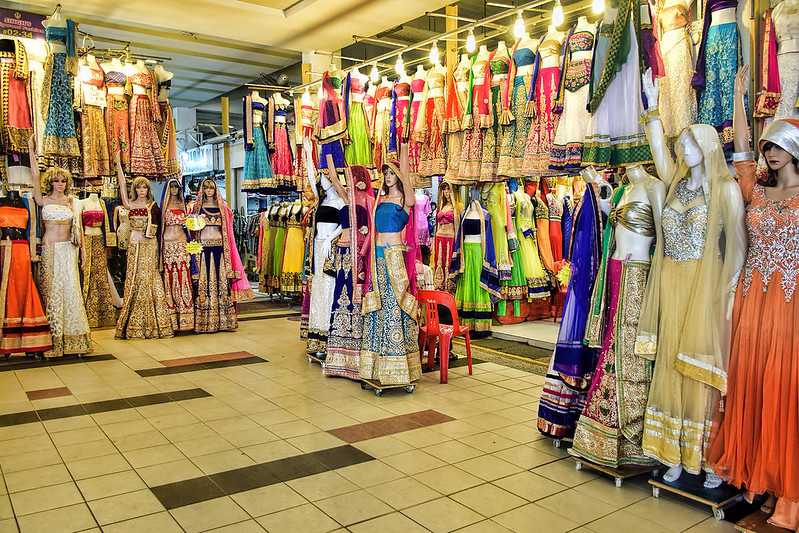
From Tekka Centre, it’s easy to drift toward Little India Arcade and the surrounding streets lined with textile shops, garland sellers, and small specialty stores. This is where you can browse without committing to the intensity of a bigger retail stop.
Try one gentle rule: do a quick “first lap” without buying anything. It helps you compare quality and prices, and it keeps you from impulse-buying the first shiny object that catches your eye. If shopping is a main goal of your day, the deeper shopping in Little India Singapore article will help you narrow down what’s actually worth carrying home.
Stop 8: Walk toward Farrer Park (decompress to finish)
As you head toward Farrer Park MRT, the walk naturally starts to feel less compressed. It’s a nice “cool down” after the busiest lanes. If you’re finishing in late afternoon, this can be a good time to decide whether you want to double back for dinner or simply move on to another neighborhood.
There’s no perfect ending here, which is oddly comforting. Some days you’ll feel done. Other days you’ll realize you want one more snack, one more photo, one more quick look at a street you missed.
Short version: a 90-minute loop
If you only have about 90 minutes, focus on a tight loop: Little India MRT area, Sri Veeramakaliamman Temple, Tan Teng Niah’s bright house, and one quick pass through a market or shopping street. This gives you the color, the culture, and the “feel” without trying to do too much.
It’s also a good option if you’re visiting on a very hot day or traveling with kids who have limited patience for long walks. And if you later decide you want the full experience, you can come back and build a longer half-day using the Little India Singapore pillar guide as your base plan.
Practical tips that make the walk easier
Temples: be respectful, don’t overthink it
Temple etiquette is usually simple: modest clothing, remove shoes where required, keep voices low, and don’t block people who are there to worship. If you’re unsure about photos, pause and look for signs. When in doubt, step back and keep it minimal.
Also, it’s okay if you feel slightly out of place at first. Most respectful visitors do. The key is to be calm and observant rather than treating it like a photo set.
Heat and crowds: choose your timing
Little India can be physically tiring in the middle of the day. If you can, start earlier or aim for late afternoon. If you’re walking at midday anyway, build in indoor breaks—museums, shaded arcades, or a sit-down meal.
If you’re visiting during Deepavali season, assume everything will take longer: walking, eating, crossing streets, finding space to take photos. The atmosphere can be amazing, but it’s not the day to plan a super precise schedule.
Safety: common sense is enough
Little India is a busy urban district. Keep valuables secure, especially in crowded lanes, and stay aware when crossing roads. Beyond that, there’s no need to be anxious—just practical.
If you’re walking at night, stick to well-lit streets and keep your route simple. It’s not about fear; it’s just a sensible habit anywhere.
How this walking tour fits your trip
This walk is a great first encounter with the neighborhood, but it doesn’t need to be your only one. Some people do Little India as a one-time visit, then move on. Others come back for the food alone, or for festival lights, or because they realized they rushed the first time. Both approaches are valid.
For the bigger planning view—how long to spend, what else to pair it with, and how to approach shopping and festivals—the main Little India Singapore guide ties everything together.
Conclusion: self-guided walking tour of Little India Singapore
A self-guided walking tour of Little India Singapore is one of those travel experiences that feels simple on paper but surprisingly rich in real life. You’ll see temples and markets, yes, but you’ll also notice smaller moments: a garland seller threading flowers with quiet focus, a burst of music from a shop, the smell of spices changing as you turn a corner.
Take it at your own pace, stop when something catches your attention, and let the neighborhood be a little messy. That’s part of the charm. And if you want to shape the rest of your day around food or shopping, the guides on where to eat in Little India Singapore and shopping in Little India Singapore make it easier to go deeper without getting overwhelmed.