
Mexican corn cake: from traditional pan de elote to restaurant-style favorite
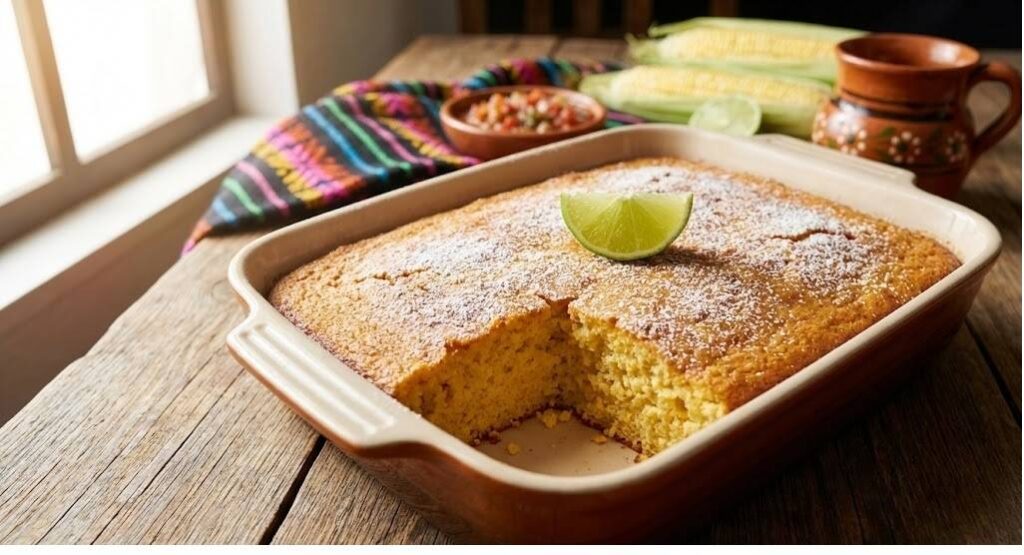
If you’ve ever tasted that soft, sweet scoop of corn cake at a Mexican restaurant and thought, “I need this in my life at home,” you’re in the right place. This guide explores mexican corn cake in all its forms, from traditional pan de elote made with fresh corn to the scoopable restaurant-style side dish and even easy shortcut versions that rely on pantry ingredients. You’ll find the context, techniques, and variations you need to make this dish your own without feeling like you’re just following another anonymous recipe.
The goal here is simple: treat mexican corn cake as more than just a side. Think of it as a small piece of culinary culture that you can adapt to your kitchen, your time, and your taste for sweetness. Along the way, there will be a few opinions, a few gentle detours, and hopefully enough detail that you feel confident baking this on a random Tuesday night or for a big family gathering.
what is mexican corn cake?
Mexican corn cake is a sweet, moist corn-based bake that sits somewhere between cake, pudding, and cornbread. It usually features whole corn kernels, some kind of ground corn (like masa harina or cornmeal), and a generous amount of butter and sugar. The result is a dish that tastes deeply of corn, not just sugar, with a texture that can be either sliceable or scoopable, depending on the style you choose.
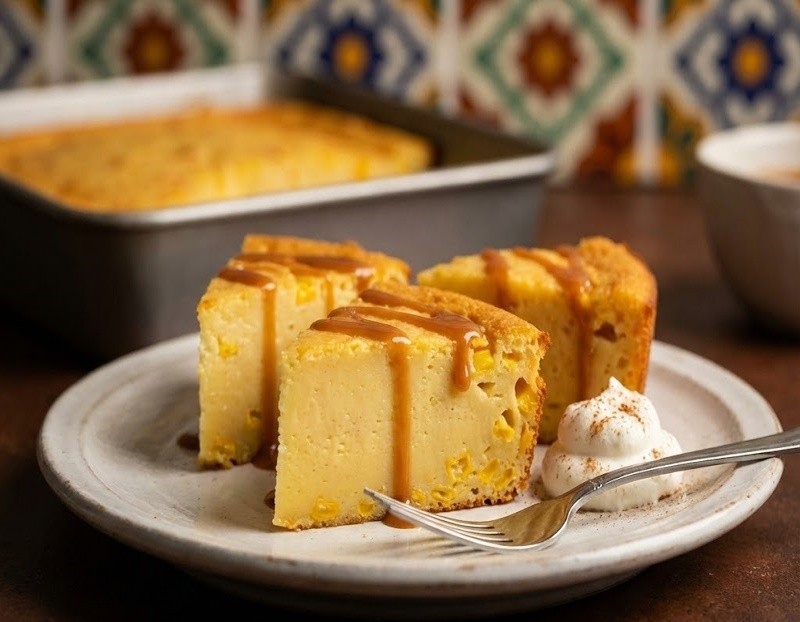
You’ll see it called different things: mexican sweet corn cake, pan de elote, or pastel de elote. In many Mexican homes, pan de elote leans more toward a dessert—served in wedges, sometimes with a drizzle of sweet sauce or a spoon of cream—while the restaurant-style mexican corn cake you might know from chain restaurants is often a side dish, served warm in soft, spoonable scoops. Both are valid, both are delicious, and both deserve a place in your rotation.
a bit of history and context
At its core, pan de elote builds on a long tradition of corn-based cooking in Mexico: fresh corn, ground corn, and masa have been the backbone of the cuisine for centuries. In many regions, sweet corn cakes and puddings are a kind of comfort food, often baked for family gatherings or holidays. The texture tends to be tender and moist, with a pronounced corn flavor that comes from using fresh or very good quality corn rather than just adding sugar.
The version many people outside Mexico first encounter, though, is the restaurant-style mexican sweet corn cake found alongside enchiladas, fajitas, or chili in North American Mexican restaurants. This style often uses masa harina for that familiar tortilla-like corn flavor and sometimes relies on steaming or a water bath to keep it incredibly soft. Over time, it has become its own thing—less strictly traditional, but still rooted in the idea of transforming simple corn into something cozy and indulgent.
Mexican corn cake vs cornbread vs corn pudding
If you’re wondering how mexican corn cake differs from regular cornbread, you’re not alone. Cornbread, especially the southern US style, tends to be less sweet, more crumbly, and often baked with a higher ratio of cornmeal to moisture. It is usually sliceable and meant to accompany savory dishes like beans, barbecue, or stews.
Corn pudding, on the other hand, is usually quite soft and eggy, almost custard-like, and often baked with creamed corn or canned corn in a casserole dish. Mexican corn cake sits somewhere between these two: sweeter and softer than cornbread, more structured than many corn puddings, and usually with a more pronounced corn and masa character. That middle-ground texture is exactly what makes it so appealing—and so versatile.
core ingredients for mexican corn cake
corn: fresh, frozen, or canned
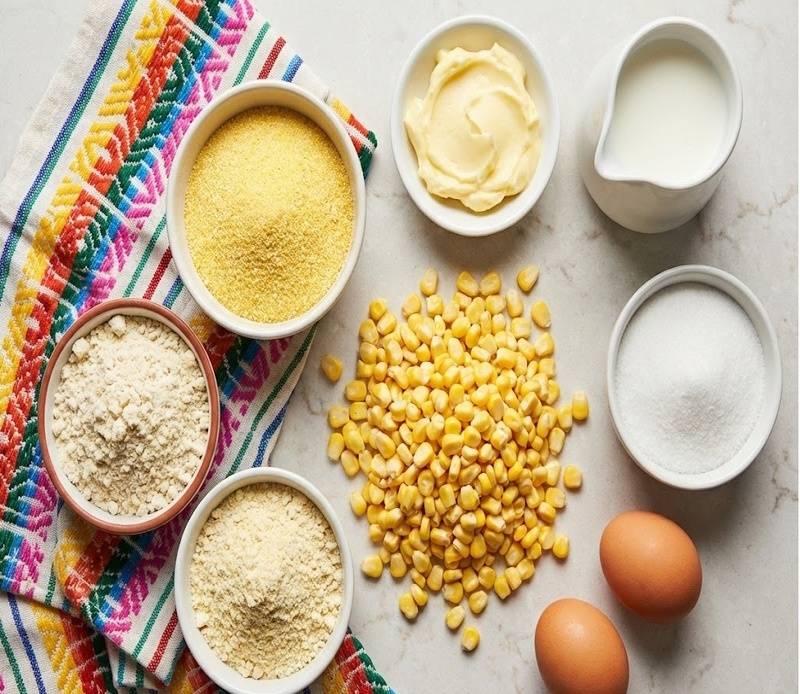
Corn is the star, obviously, but the form you use changes the result more than you might expect. Fresh corn kernels yield a brighter, slightly more complex flavor, especially when the corn is in season and naturally sweet. When you blend or pulse fresh kernels, you get a mix of juicy corn milk and small pieces of kernel, which help create that moist, just-structured-enough crumb.
Frozen corn is a practical everyday option, and in many cases it performs almost as well as fresh. The key is to thaw and drain it so you’re not adding excess water to the batter. Canned corn works too, particularly if you’re going for a homier, softer result, but you’ll want to drain it thoroughly and taste it first; the sweetness and salt levels can vary a lot from brand to brand.
masa harina, cornmeal, and flour
This is where the character of your mexican corn cake really takes shape. Masa harina, the nixtamalized corn flour used for tortillas and tamales, brings a distinctive, almost toasty corn flavor that feels strongly Mexican. It also absorbs moisture differently from regular cornmeal, helping to create that dense but tender texture in many restaurant-style sweet corn cakes.
Cornmeal, especially fine to medium grind, adds a more familiar cornbread-like texture and a bit of gentle grit. It’s great if you want a slightly more rustic feel. Some recipes combine masa harina and cornmeal or add a bit of all-purpose flour to give the cake more structure and lift. Flour helps the cake hold together in cleaner slices, especially in pastel de elote recipes where the goal is more of a cake than a pudding.
fats, dairy, and sweeteners
Most mexican corn cake recipes rely on butter for flavor and richness. Some use a mix of butter and neutral oil to keep the crumb extra moist. If you prefer a lighter result, you can reduce the butter slightly and balance it with milk or buttermilk, though you may lose a bit of that luxurious mouthfeel that makes this dish feel special.
Dairy choices range from plain milk to heavy cream, evaporated milk, or sweetened condensed milk. Condensed milk is common in more dessert-like pastel de elote recipes, where it contributes both sweetness and a thick, velvety texture. For sweeteners, regular white sugar is the default, but brown sugar or piloncillo can add a hint of caramel depth. If you want a side dish rather than a full-on dessert, you can simply dial back the sugar and let the natural sweetness of the corn do more of the work.
substitutions and dietary tweaks
If you don’t have masa harina, you can lean on fine cornmeal plus a bit of flour, and the result will still be delicious—just a little less “tortilla-like” in flavor. For gluten-free versions, use masa harina and/or gluten-free cornmeal and skip the wheat flour, adjusting the liquid slightly if the batter feels too thick. Many naturally gluten-free versions exist already; you just need to double-check the labels on your corn products.
Dairy-free mexican corn cake is possible too, though it takes a little more care. Plant-based butter and non-dairy milk can stand in for the dairy, but the flavor will shift depending on what you choose. Coconut milk, for example, will tilt the recipe in a more tropical direction, which might be lovely or distracting depending on what you’re serving it with. If you’re aiming for something neutral, a mild oat or soy milk tends to work well.
how mexican corn cake is made: three main methods
blender method
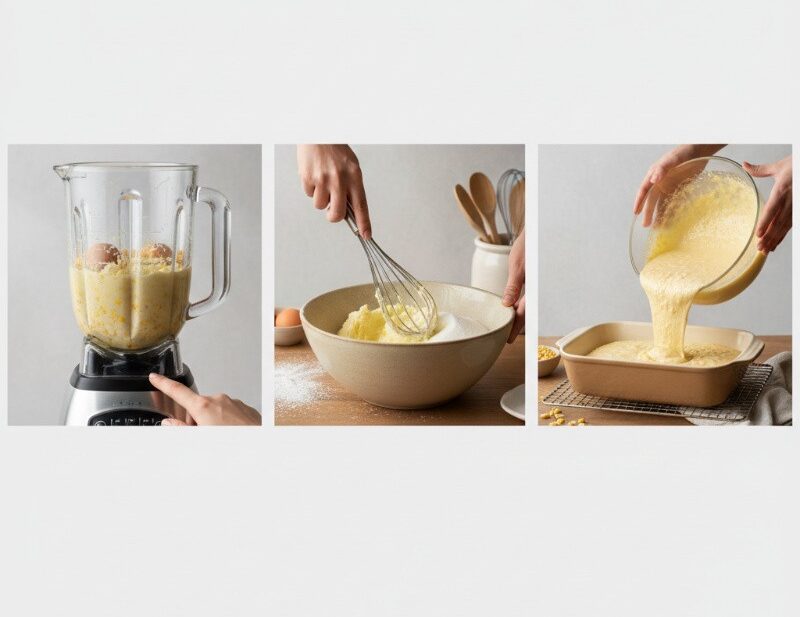
The blender method is especially common in pastel de elote recipes. You combine corn, eggs, dairy, and often sugar in a blender, then add the dry ingredients and blend until smooth or just slightly textured. This approach is fast, uses fewer bowls, and gives you a very uniform crumb. It’s also forgiving if your knife skills are not your favorite thing.
The downside is that it’s easy to over-blend, which can make the batter too thin or the corn too pulverized, losing some of that pleasant texture. A simple rule of thumb is to blend only until there are no big pieces of corn left and then stop. If you like a bit more bite, you can set aside a small portion of the kernels and fold them in at the end.
stand mixer or hand mixer method
Another common approach is more classic “cake style”: cream softened butter and sugar together until light, then beat in eggs, dairy, and finally the dry ingredients. Corn is folded in toward the end, either whole or lightly chopped. This method works well if you want a more structured cake, especially for traditional pan de elote that’s meant to be sliced neatly.
It does take a bit more time and equipment, but it also gives you more control over how much air you incorporate into the batter. If you think of mexican corn cake as a dessert you’d proudly serve to guests, this method often gives the most refined result. It’s also easier to adapt to layered or glazed versions if you decide to experiment later.
simple bowl-and-spoon method
For easy weeknight cooking, you can absolutely make mexican corn cake in a single bowl with a whisk or wooden spoon. Many shortcut recipes based on corn muffin mix or canned creamed corn follow this pattern: mix the wet ingredients, add the dry, fold in the corn, and bake. It’s straightforward and surprisingly forgiving.
This approach is especially suited to an easy mexican corn cake with mix and pantry shortcuts, where the focus is comfort over precision. If you don’t feel like hauling out equipment or washing extra dishes, the bowl-and-spoon method is almost certainly your friend.
base recipe structure and key ratios
Every baker eventually tweaks recipes to taste, but it helps to start with a loose framework. A typical small pan of mexican corn cake might include: a couple of cups of corn, around a cup or so of combined dry ingredients (masa harina, cornmeal, and/or flour), a moderate amount of sugar, a generous amount of butter, eggs for structure, and enough milk or cream to make a thick but pourable batter. That’s intentionally vague because brands and corn varieties behave differently, but it sets a mental template.
Once you’re used to how the batter should look—thick but not doughy, pourable but not runny—you can adjust. If it seems too dry, a splash more milk. Too thin, a spoonful more masa or cornmeal. Treat it as a living recipe rather than a fixed formula, and you’ll have more control over the final texture.
traditional pan de elote and pastel de elote
Traditional pastel de elote leans more toward a true cake: smooth, custard-like, and usually made with blended fresh corn and richer dairy like evaporated or condensed milk. It’s often baked in a round or rectangular pan and served in slices, sometimes with a simple dusting of sugar, a drizzle of cajeta, or a spoon of lightly sweetened cream. The focus is on the corn’s natural sweetness and a soft crumb that holds together but almost melts on the tongue.
If you want to explore this style in detail, with a recipe and step-by-step photos, it’s worth diving into a dedicated guide to traditional pastel de elote. A focused article can walk through the nuances like how long to blend the corn, how to balance condensed milk with other liquids, and how to tell when the center is just set enough without turning dry.
restaurant-style mexican sweet corn cake side dish
Restaurant-style mexican sweet corn cake is the one that often arrives on your plate as a small scoop alongside beans, rice, and enchiladas. It’s usually quite sweet, very moist, and almost spoonable. Masa harina often plays a central role, giving that unmistakable corn-tortilla aroma and a denser, more pudding-like body.
This style sometimes uses techniques like baking in a water bath or covering the dish to reduce browning and keep the interior extra soft. If you’re chasing that “I remember this from a specific restaurant” nostalgia, a separate, tightly focused recipe for a restaurant-style mexican sweet corn cake side dish will give you space to play with details like pan size, water bath depth, and exact sweetness level without cluttering this broader overview.
easy weeknight and shortcut versions
Not every batch of mexican corn cake needs to be a project. On busy days, people often turn to corn muffin mixes or simple combinations of canned creamed corn, eggs, butter, and a bit of cornmeal. These shortcuts can still deliver that sweet, comforting corn flavor with very little effort. The texture will usually be softer and a bit looser, but that’s not necessarily a bad thing.
These quick versions are especially handy for potlucks, barbecues, or casual dinners when you want something cozy and familiar. If that sounds like your pace most nights, an easy mexican corn cake with mix and pantry shortcuts deserves its own home in your recipe collection, separate from more traditional or restaurant-style approaches.
pan sizes, baking temperatures, and doneness
One of the most common points of confusion with mexican corn cake is baking time. A shallow 9×13-inch pan will bake very differently from a deep loaf pan or a smaller square dish. Generally speaking, the deeper the batter, the longer it will take to cook through, and the more careful you need to be about over-browning the top while the center finishes.
Most recipes fall in the 350–375°F range. It’s a good idea to start checking earlier than you think, especially the first time you try a new version. Visual cues help a lot: the edges should look set and lightly golden, the center should jiggle slightly but not slosh, and a toothpick inserted near the center should come out with moist crumbs rather than wet batter. It’s better to rely on those signs than on a strict timer alone.
traditional vs restaurant-style: a quick comparison
It might help to see the main styles side by side, at least conceptually. Traditional pastel de elote is typically more cake-like and often uses blended fresh corn plus rich dairy, so it slices neatly and feels closer to a dessert. Restaurant-style mexican sweet corn cake uses more masa harina and is often steamed or baked gently to create a softer, scoopable side that leans heavily into comfort.
Shortcut versions land somewhere in between, depending on the mix and added ingredients. They may not have the same depth of flavor as a fully from-scratch pastel de elote, but they win on convenience. In practice, you may find yourself reaching for different styles for different occasions: a traditional cake for special dinners, a restaurant-style scoop for taco nights, and a quick mix-based version when you just want something warm and sweet without much planning.
serving ideas and pairings
One of the charms of mexican corn cake is how easily it fits into different parts of a meal. As a side dish, it’s a natural partner for chili, braised meats, enchiladas, carnitas, and grilled chicken. The sweetness and soft texture balance spicy and smoky flavors without feeling heavy. It can also sit comfortably on a plate next to beans and rice, adding a little treat to an otherwise straightforward dinner.
As a dessert, mexican sweet corn cake plays well with a whole range of toppings: a drizzle of cajeta or caramel, a scoop of vanilla or cinnamon ice cream, a spoonful of macerated berries, or a light dusting of powdered sugar and cinnamon. Some people enjoy it at room temperature with coffee, which makes sense; it has that “not too heavy, just one more slice” quality that invites second helpings, especially the next day.
storage, freezing, and reheating
Leftover mexican corn cake keeps surprisingly well if you treat it kindly. Once cooled, store it covered at room temperature for a day if your kitchen is cool, or in the refrigerator for several days if you prefer to be cautious. The texture may firm up as it chills, especially in versions with more butter and masa, but that’s not a dealbreaker.
To reheat, you can warm slices or scoops in a low oven, covered loosely with foil to prevent drying, or use the microwave in short bursts. If the cake feels slightly dry, a splash of milk or cream over the top before reheating can bring it back to life. Many styles also freeze reasonably well; wrap portions tightly, freeze, and thaw in the fridge before gently reheating. The more custardy the cake, the more you’ll want to be gentle with the thawing and warming stages.
troubleshooting mexican corn cake
why is my corn cake runny?
If your mexican corn cake is runny in the center, there are a few likely culprits. The simplest is underbaking—especially in deeper pans or when using a water bath. Another is excess moisture from undrained canned corn or very juicy fresh corn. Occasionally, batter that is too thin from the start, with too much liquid and not enough masa or cornmeal, can also lead to a soft, almost pudding-like center that never quite sets.
The fixes are fairly straightforward: drain your corn well, make sure your batter resembles a thick cake batter, and extend the baking time as needed. Covering the pan with foil toward the end of baking can prevent over-browning while the center finishes. It can feel a bit nerve-wracking to leave it in longer than the recipe suggests, but ovens and pans vary; visual cues are more trustworthy than the clock.
why is it oily or greasy?
Too much butter or oil relative to the dry ingredients can make mexican corn cake feel greasy, especially around the edges. This sometimes happens when a recipe is doubled without adjusting the pan size or baking time, leading to uneven cooking. Another factor is using a very heavily greased pan on top of a high-fat batter; the extra fat melts, pools, and creates an unappealing film.
If this happens, you can blot the top gently with a paper towel while the cake is still warm to remove excess oil. Next time, consider reducing the butter slightly, especially if you’re using richer dairy like cream or condensed milk. Also, aim for a pan that holds the batter at a depth of no more than a few inches so it bakes evenly.
dry or crumbly texture
On the opposite end, a dry or crumbly mexican corn cake usually points to too much dry ingredient or too little fat and liquid. Overbaking, particularly in shallow pans or at higher oven temperatures, can amplify the problem. Masa and cornmeal both continue to absorb moisture as the cake cools, so a cake that seemed okay in the oven can feel drier a few hours later.
To steer away from dryness, lean into a slightly wetter batter and err on the side of gentle baking. If you realize after the fact that the cake is a touch dry, serving it warm with a sauce, ice cream, or even a splash of warm milk can turn it into something comforting again. It’s not wasted; it just needs a bit of help.
can I double the recipe?
Doubling mexican corn cake recipes is tempting, especially for gatherings, but you need to make a few adjustments. Simply doubling all the ingredients and pouring into the same size pan is a recipe for a raw center and overcooked edges. A better approach is to use two pans or one larger pan with similar batter depth to the original recipe, then check doneness carefully.
If you use a deeper pan, plan on a significantly longer bake and consider lowering the oven temperature slightly to reduce over-browning. In some cases, especially with restaurant-style recipes that use a water bath, you may find that making two separate pans is easier and more reliable than forcing everything into one very deep dish.
faqs about mexican corn cake
is mexican corn cake gluten-free?
Mexican corn cake can be gluten-free, but it isn’t guaranteed by default. If the recipe relies solely on masa harina and cornmeal, without any wheat flour, it’s often naturally gluten-free as long as your ingredients are certified and not cross-contaminated. Some pastel de elote recipes add a bit of flour for structure, so you’ll need to either skip those or substitute a gluten-free blend.
If gluten-free cooking is important to you or your guests, it’s worth choosing or developing a recipe that is explicitly designed without wheat. That way, you don’t have to second-guess every substitution. Reading labels on cornmeal, masa, and baking powder is also a good habit, just in case.
can I make mexican corn cake without eggs?
Eggs provide structure and richness, particularly in more custard-like versions of mexican sweet corn cake. That said, some egg-free versions are possible using ingredients like flax “eggs,” mashed ripe banana, or commercial egg replacers. The texture will change slightly, often becoming a bit more dense and less airy.
If you need an egg-free version, it’s usually better to start from a recipe that has been tested that way rather than simply omitting the eggs. Treat it as its own variation instead of a one-to-one swap. It might lean more toward a pudding or spoonable casserole, which can still be delicious in its own right.
what’s the difference between pan de elote and pastel de elote?
The terms pan de elote and pastel de elote are sometimes used interchangeably, and usage can vary by region and family. In many contexts, pastel de elote suggests a more dessert-like sweet corn cake, often a little lighter and more cake-like, while pan de elote can refer to a broader category of sweet corn breads and cakes. In everyday cooking, though, the lines blur.
For the home cook, the more important distinction is practical: do you want something sliceable, dessert-focused, and perhaps a bit elegant, or something rustic and spoonable that feels more like a side? Once you decide which direction you’re heading, you can pick a recipe—traditional, restaurant-style, or shortcut—that matches that idea.
how mexican corn cake fits into your kitchen
Mexican corn cake is one of those recipes that becomes a quiet workhorse once you get comfortable with it. You can dress it up as a traditional pastel de elote for a special dinner, keep a restaurant-style version on standby for taco nights, or lean on an easy pantry-based variation when you want something warm and sweet with almost no effort. It’s flexible enough to live in all those spaces without feeling like three completely different dishes.
If you’d like to go deeper into a dessert-first approach, explore a focused recipe for traditional pastel de elote. For that nostalgic side dish that tastes like it came from your favorite restaurant, a dedicated restaurant-style mexican sweet corn cake side dish guide will probably be your next stop. And for those days when you just want something easy and cozy, an easy mexican corn cake with mix and pantry shortcuts might quietly become your weeknight hero.
Whichever path you take, mexican corn cake rewards a bit of curiosity. Once you start paying attention to how the corn, masa, dairy, and sugar all play off each other, you’ll find your own house version—the one you reach for without really thinking, because you know exactly how it should look, smell, and feel when it comes out of the oven.