pink sands beach: the complete guide to the world’s most surreal shores

If you have ever scrolled past a photo of a pink sands beach and wondered whether it was real or just a filter gone wild, you are not alone. A pink sands beach looks almost unreal at first glance, but once you understand what is happening under your feet, it starts to feel like one of those rare places where science and magic quietly meet. This guide is here to walk you through that whole experience, from the first “is it really pink?” moment to actually planning a trip to one that suits your style and budget.
Think of this as a friendly, slightly obsessive deep dive. It is meant for curious travelers, honeymooners, photographers, and anyone who likes the idea of standing on sand that is not quite like anything at home. You will find clear explanations, comparisons between different destinations, and down-to-earth travel advice that acknowledges both the beauty and the realities of visiting these beaches.
What is a pink sands beach, really?
At its core, a pink sands beach is simply a shoreline where the sand contains a high enough concentration of pink or red-tinted particles to give the overall beach a rosy or blush-colored appearance. Those particles often come from tiny marine organisms, broken coral, shells, and other bits of marine life that have slowly been ground down over time. The result is not usually neon pink, but a spectrum that runs from barely-there rose to a more obvious, photogenic hue.
The effect is most commonly linked to microscopic organisms called foraminifera. Their shells can have reddish or pink pigments, and when they mix with white coral sand and shell fragments, the entire shoreline can take on a soft pink tint. In most places, the color looks strongest where the sand is wet, right at the waterline, which is why photos taken at the edge of the waves tend to look the most impressive.
Why the sand looks different in photos and in person
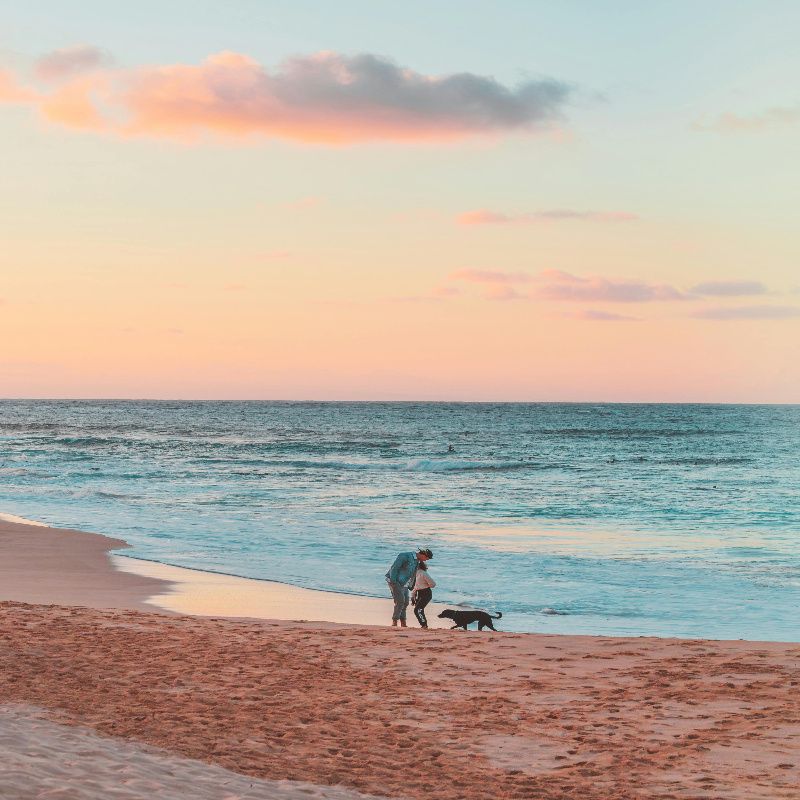
One of the biggest sources of disappointment for some travelers is the gap between what they see online and what they see when they actually arrive. Photos often exaggerate color, whether intentionally or just because of lighting, camera settings, and editing. A pink sands beach may look almost white at midday under harsh sunlight, then appear dramatically more rosy at sunrise or sunset when the light is softer.
Dry sand usually looks lighter and less pink, while wet sand near the surf line can appear deeper in color. Camera sensors and phone screens add another layer of interpretation. It is worth going into the experience with a realistic expectation: the sand will likely look beautiful and subtly unusual, but not like a bright pink carpet from a fantasy movie. If you treat the pink as a gentle highlight rather than the entire story, the place feels much more special.
pink sands beach in the Bahamas
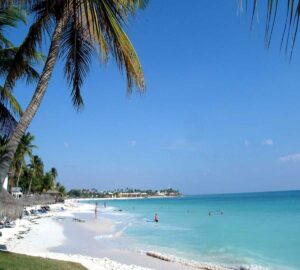
When people search for “pink sands beach,” they are often thinking of the famous stretch on Harbour Island in the Bahamas. Located just off Eleuthera, this beach is about three miles long, with soft, fine sand that carries a delicate blush tone. It is one of those places where the pink is not overwhelming but clearly noticeable when the conditions are right, especially when the waves roll back and leave a thin reflective layer over the sand.
Harbour Island itself has an easygoing, upscale-island feel: pastel cottages, golf carts instead of cars in many areas, and small hotels and guesthouses rather than towering resorts. If you are specifically interested in planning a trip here, you can expand into a dedicated guide such as the pink sands beach Bahamas travel guide, which goes into more detail on flights, ferries, places to stay, and suggested itineraries.
Best pink sands beach destinations around the world
Harbour Island may be the most famous, but it is far from the only pink sand shoreline worth your attention. Around the world, there are several beaches where the sand carries some shade of pink, from faint rose-tinted grains to more clearly colored shorelines. Each region offers its own mix of scenery, culture, and travel style, so it is worth thinking about the kind of trip you actually want, not just the prettiest photo.
Below are some of the main regions where you can find pink sand beaches, with a few standout examples for each. If you want a longer, list-style overview, you might later explore a broader guide such as a pink sand beaches around the world article that goes even deeper into specific locations.
Caribbean and Atlantic
The Caribbean and nearby Atlantic islands are some of the most popular areas for pink sand. Besides Harbour Island in the Bahamas, you will find soft pink tones on parts of Barbuda, which feels more remote and undeveloped. Bermuda’s Horseshoe Bay and nearby coves sometimes show a subtle pink tint, especially close to the waterline where shell fragments and foraminifera are concentrated.
In this region, you often get a mix of calm, turquoise water and long, walkable stretches of sand. Travel can range from relatively straightforward, like a quick flight and short drive in Bermuda, to more multi-leg journeys that include regional flights and boat transfers in the Bahamas or Barbuda. It is a good area to consider if you want that classic tropical look but would like a twist on the usual white-sand beach.
Mediterranean and Europe
Greece has become well known for a few beaches that lean toward pink, particularly Elafonissi and Balos in Crete. Here, the pink is often more patchy or mixed with white, creating a speckled effect along certain parts of the shoreline. It is the kind of place where you might stroll along and suddenly notice a particularly colorful patch under your feet, rather than seeing one continuous band of pink.
Because these beaches sit within a broader Mediterranean landscape, the experience is quite different from a tropical island. You may combine a visit with hikes, historic sites, and small villages, which makes the pink sand feel like just one piece of a larger, culture-rich trip. If you prefer to use UK English for content aimed at local European travelers, you could lean into that for articles that focus specifically on Greece or other European destinations.
Asia and the Pacific
Several islands in Indonesia and the Philippines are home to pink or pinkish beaches. In Indonesia, for example, certain parts of Komodo National Park are known for rosy sand created by a mix of red coral fragments and lighter sand. These tend to be more remote locations, often reached by boat tours that combine snorkeling, wildlife viewing, and multiple island stops.
In the Pacific, there are also lesser-known pink beaches that require a bit more effort to access. The payoff is that they often feel quieter, and in some cases you might share the shoreline with only a handful of other visitors. You trade convenience for a sense of discovery, which can be wonderful if you enjoy that feeling of “I cannot believe this place actually exists” after a long journey.
Hidden and lesser-known pink beaches
Beyond the headline destinations, there are smaller, lesser-known beaches with a pink tint scattered around the world. Some are only pink under certain conditions, like after storms or at specific times of the year, when the right mix of broken shells and organisms are present. Others stay under the radar simply because they are harder to reach or lack major tourism infrastructure.
These hidden spots can be rewarding, but they also require more research and flexibility. Information may be less consistent, and not every “pink sand” claim online will match reality when you arrive. It is wise to treat them as part of a wider trip, not the sole reason for going, so you still enjoy the journey even if the sand looks more champagne than blush.
pink sands beach comparison guide
With so many beautiful options, it can be surprisingly difficult to decide which pink sands beach to visit first. Some are perfect for couples who want quiet walks and boutique hotels, while others fit better with family trips or quick cruise stopovers. A simple comparison can help you narrow things down without getting overwhelmed by photos alone.
| Beach | Country / Region | How pink it looks | Ease of access | Best for | Best season |
|---|---|---|---|---|---|
| Pink Sands Beach, Harbour Island | Bahamas | Soft blush, strongest near waterline | Moderate (flight + ferry) | Couples, relaxed travelers, photographers | Late winter to early summer |
| Horseshoe Bay and nearby coves | Bermuda | Subtle pink tint in some areas | Easy (short drive from main areas) | Cruise visitors, families | Late spring to early autumn |
| Elafonissi Beach | Crete, Greece | Patchy pink, mixed with white sand | Moderate (drive plus walking) | Nature lovers, Mediterranean explorers | Late spring, early autumn |
| Balos Lagoon | Crete, Greece | Occasional pink areas along the shore | More challenging (boat or rough road + hike) | Adventurous travelers, photographers | Late spring, early autumn |
| Pink sand beaches in Indonesia | Komodo and nearby islands | Visible pink hue in certain stretches | Remote (flight + boat tours) | Snorkelers, island-hopping travelers | Dry season, outside major storms |
| Barbuda pink beaches | Caribbean | Subtle to moderate pink shades | Moderate (regional flights, boat) | Quiet-getaway seekers | Outside hurricane season |
If you are still unsure after comparing, it can help to decide based on the type of trip first, then match a beach to that. For example, you might use Harbour Island for a romantic, slow-paced escape, Bermuda for a short and easy trip with family, and Greece for a mixed adventure that combines beaches with cultural exploration. For even more inspiration, a dedicated “around the world” cluster article can show you how each destination feels in context, not just on a map.
Best time to visit a pink sands beach
There are two layers to this question: the overall travel season and the time of day that makes the sand look its best. In many Caribbean locations, late winter through early summer often offers pleasant weather and relatively stable conditions, though you will want to avoid peak hurricane season. In Mediterranean areas like Crete, late spring and early autumn generally provide warmth without the heaviest summer crowds and heat.
As for time of day, pink sand almost always looks more pronounced when the light is softer. Early morning and the last hour or two before sunset are often ideal, especially when the sand is slightly wet and the sky adds warm tones. Midday light can still be beautiful, but the sand might appear more pale and less obviously pink, which is good to keep in mind if you are planning photography.
What to expect when you arrive
On the ground, a pink sands beach feels surprisingly normal in the best possible way. The sand is usually soft and comfortable to walk on, the water has the familiar rhythm of waves, and people still do all the usual beach things, from swimming and snorkeling to simply lying in the sun. The difference is that every now and then, you look down and realize that the color under your feet is just a little different from what you are used to.
Amenities vary widely. Some beaches, particularly those near resort areas, have sunbeds, restaurants, and lifeguard services. Others are wild and undeveloped, with no facilities at all. It is wise to check ahead whether you need to bring your own water, snacks, shade, or cash, and whether there are any specific local rules about where you can park, walk, or swim.
How to choose the right pink sands beach for your travel style
Choosing a destination is easier if you start with your travel style instead of the prettiest image. Are you a slow traveler who likes to stay in one place for a week, or do you prefer a quick three-day escape? Are you traveling with children, planning a honeymoon, or just carving out a solo retreat? Answering these questions first often makes the decision clearer.
For couples and honeymooners, a more in-depth planning resource focused specifically on romance, like a pink sands beach honeymoon guide, can help you weigh privacy, atmosphere, and special experiences. Families might lean toward destinations with easier access and more facilities, while backpackers and adventurous travelers may be drawn to remote islands that require boats, hikes, or off-the-beaten-path routes.
Practical planning tips: flights, ferries, and logistics
The logistics of visiting a pink sands beach vary a lot depending on the region, but a few patterns show up repeatedly. First, many of these beaches are on smaller islands or remote stretches of coastline, which means you may need to combine a major international flight with a regional hop and sometimes a ferry or boat transfer. It is not necessarily complicated, but it can take longer than a typical “fly and taxi to resort” setup.
Second, costs can add up faster than expected once you factor in local transport and island pricing. It helps to sketch out a rough budget that includes accommodation, food, transfers, and activities like boat tours or snorkeling trips. For a harbor island-style trip, for example, you might want to allocate extra for boutique hotels and unique experiences, while a more low-key Mediterranean trip might balance simple guesthouses with rental cars and self-guided exploring.
Packing list highlights for pink sand beaches
The essentials are similar to any beach trip, but it is worth paying attention to a few extras. Reef-safe sunscreen is increasingly important in many regions, both for environmental reasons and sometimes because of local regulations or recommendations. A wide-brimmed hat, lightweight long-sleeve clothing, and a refillable water bottle go a long way in making long walks on the sand more comfortable.
Water shoes can help if you plan to explore rocky areas or coral fragments near the shore. For photography, bringing a phone or camera with good dynamic range and the option to shoot at different times of day will help you capture the pink tones more naturally. A simple microfiber towel, a dry bag for electronics, and a small first-aid kit round out a practical, low-fuss packing list.
Photography tips for capturing pink sand
Photographing a pink sands beach is partly about timing and partly about perspective. Shooting during the golden hours around sunrise and sunset will usually give you the richest colors. Point your camera at the transition zone where wet sand meets the receding waves, and do not be afraid to get low to the ground so the grains and the reflection of the sky fill more of the frame.
At the same time, it is easy to over-edit. A gentle touch with contrast and saturation tends to keep the photos believable while still doing justice to the scene. If the sand looks almost too perfect on your screen, it might help to dial back the editing a little so your images match what another traveler might realistically see when they arrive.
Common mistakes people make at pink sands beaches
One common mistake is expecting dramatic, bright pink sand at all times of day and in every photo. When reality turns out to be more subtle, some people feel let down, even though the beach itself is objectively stunning. Setting realistic expectations and planning to see the beach at different times of day can help avoid this kind of disappointment.
Another mistake is underestimating sun, heat, and the time needed to get to and from the beach. Long walks without enough water or shade can quickly turn a dream outing into a slog. It is also easy to forget about the environmental impact of travel: taking sand or shells home, using harmful sunscreen, or ignoring local guidelines might seem harmless in the moment, but collectively those actions can damage fragile ecosystems over time.
Linking deeper: guides, lists, and romantic getaways
Because pink sand beaches blend science, scenery, and emotion, it makes sense to break the topic into a few different types of articles. A detailed destination guide for one iconic beach, a global list of pink sand beaches for inspiration, and a more emotionally focused piece on honeymoons or couples’ trips complement each other nicely. They let readers move from curiosity to decision-making at their own pace.
From this pillar, you can naturally branch out. If someone is leaning toward the Bahamas, they can click through to a dedicated Harbour Island guide. If they are still browsing options, a broader “around the world” list may help them discover new places. And for those planning a romantic escape, a focused honeymoon or couples’ guide makes it easier to translate dreamy photos into a practical, memorable itinerary.
Conclusion: why a pink sands beach stays with you
In the end, a pink sands beach is not just about the color. The rosy tint is memorable, of course, and it is why many people start searching in the first place, but what tends to stay with you is the overall feeling of being somewhere that is both familiar and quietly extraordinary. You are still just walking along the shore, listening to waves and feeling the wind, yet something about that blush in the sand lingers in your mind long after you leave.
Whether you choose a gentle introduction like Harbour Island, a Mediterranean mix of culture and coastline, or a remote island that demands a bit more effort, the experience has a way of reframing what “a beach” can be. If you are still at the dreaming stage, this complete guide is a good starting point. From here, you can dip into more specific resources, pick the pink sands beach that fits your life right now, and, eventually, see for yourself how real it all feels when you are standing there.