
Souk jara: a complete guide to Amman’s favorite open-air market
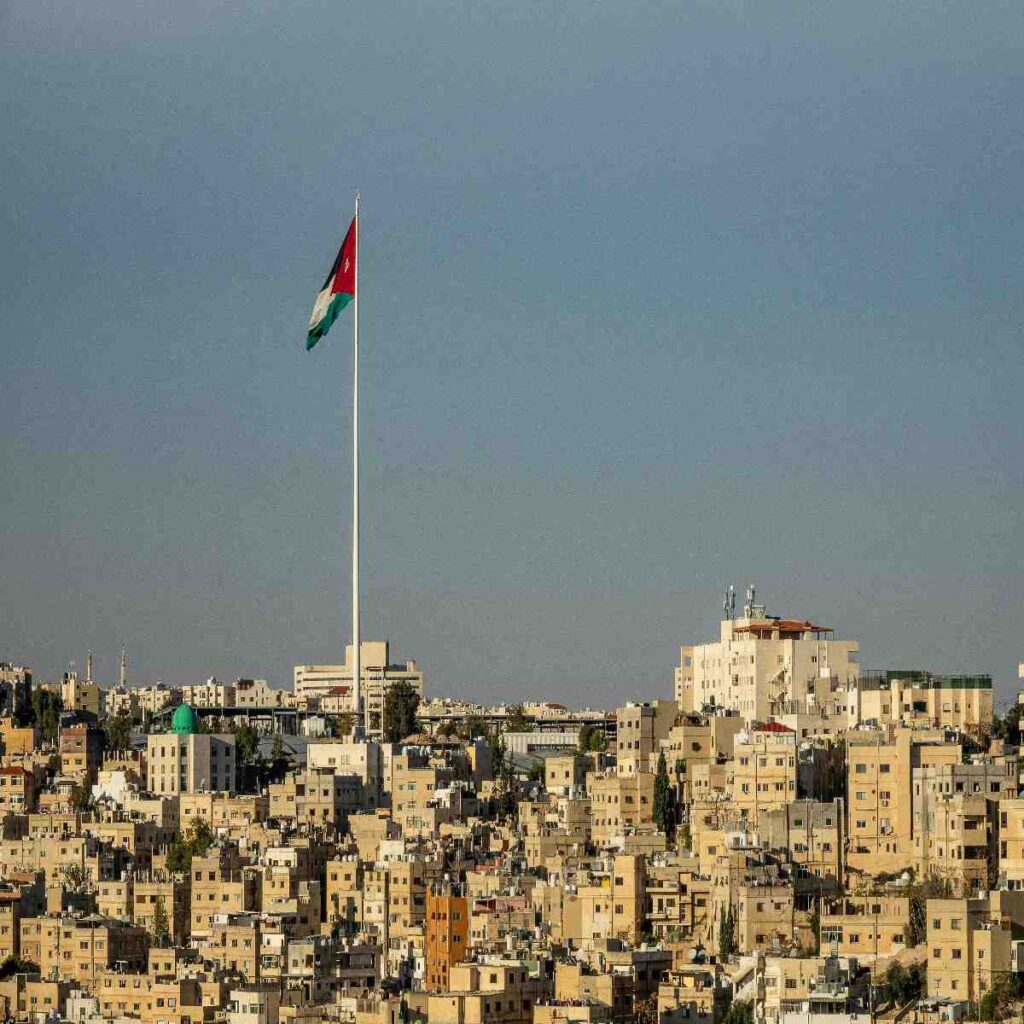
If you land in Amman on a Friday between late spring and early autumn, there is a good chance someone will casually say, “You should check out Souk Jara tonight.” That makes sense: souk jara is one of the easiest ways to slip into the city’s creative, social side without needing to know anyone or plan very much at all. It’s relaxed, slightly chaotic in a good way, and surprisingly charming once you slow down and let it unfold around you.
This guide walks through everything you need to know: what Souk Jara actually is, how to get there, when to go, what to buy, what to eat, and how to fit it into a wider Amman or Jordan itinerary. Think of it as your companion for one very specific slice of the city: a Friday spent wandering under lights, music, and the low hum of people shopping, snacking, and just hanging out.
What is Souk Jara?
Souk Jara is a seasonal, open‑air souk that takes over a side street just off Rainbow Street in Jabal Amman, one of the city’s most atmospheric old hills. On paper, it’s a weekly market. In reality, it feels more like a neighborhood festival that happens to involve a lot of shopping. Stalls line a narrow lane, people drift in slowly through the afternoon, and by evening the place is glowing with lights, music, and conversation.
Unlike some big city bazaars, Souk Jara leans heavily toward local artisans, home‑based businesses, and small Jordanian brands. You’ll find everything from handmade jewelry and ceramics to natural soaps, art prints, textiles, and quirky, one‑off gifts. Prices range from impulse‑buy cheap to “this is a piece I’ll keep for years,” but the common thread is that most things have a story behind them. Often, the person standing behind the stall is the one who made what you’re holding.
A brief history of Souk Jara
Souk Jara started in the mid‑2000s as a community initiative in Jabal Amman. The idea was fairly simple: create a space where local residents, craftspeople, and small entrepreneurs could showcase what they make in a friendly, walkable setting. Over time, that modest experiment turned into a Friday ritual—not just for nearby residents but for people from all over the city, and eventually for visitors too.
The market is closely tied to the character of Jabal Amman and Rainbow Street. This part of the city is full of old stone houses, small galleries, cafés, and tiny businesses that thrive on foot traffic and word of mouth. Souk Jara slots naturally into that ecosystem. It keeps traditional market culture alive—browsing, chatting, bargaining—but frames it in a way that feels approachable even if you’ve never set foot in a Middle Eastern souk before.
Over the years, the market has gradually added more performance, food, and cultural programming. It might look casual from the outside, but there is a clear sense of purpose: give local makers real visibility, bring people together, and turn one street into a weekly celebration of Amman’s creative energy.
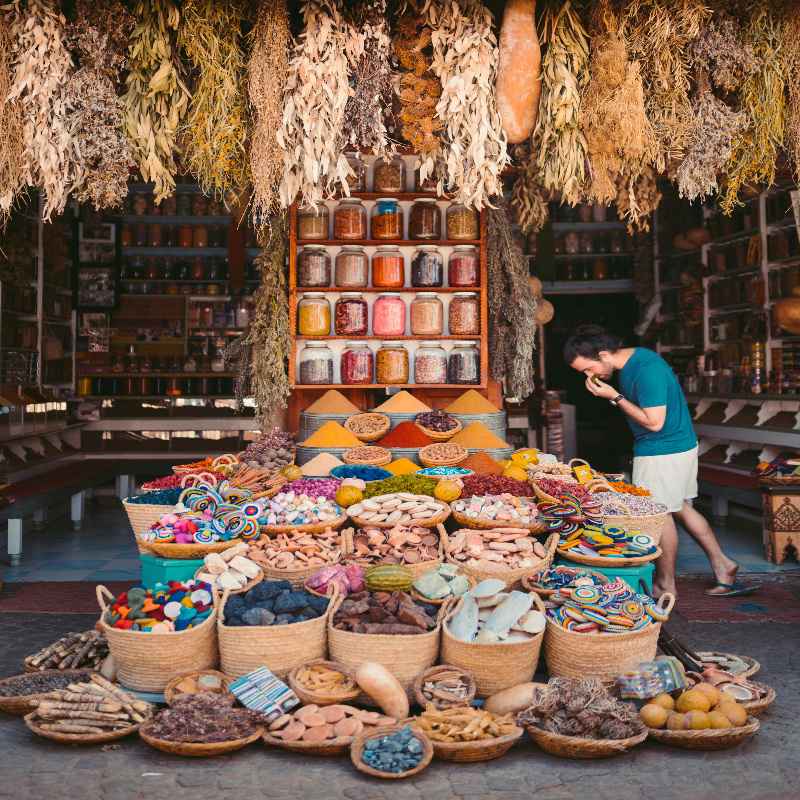
Where is Souk Jara and how to get there
Souk Jara on Rainbow Street
Souk Jara sits just off Rainbow Street, one of Amman’s most famous and walkable areas. If you picture Rainbow Street as a long spine running along the top of a hill, Souk Jara is one of the narrow side lanes that spills off it. The exact location can shift slightly with layout, but in practice, you’ll spot signs, lights, and a slow cluster of people drifting toward the entrance as the day goes on.
Jabal Amman itself is an older neighborhood, with weathered stone houses, small staircases connecting different levels of the hill, and views that open up unexpectedly between buildings. Even before you reach the market, the walk along Rainbow Street sets the mood: cafés with outdoor seating, dessert shops, small boutiques, and the occasional street performer.
Getting there from around Amman
If you’re staying downtown, reaching Souk Jara is fairly straightforward. You can walk uphill if you’re comfortable with a bit of a climb, or you can take a taxi or ride‑hailing car up to Rainbow Street. Most drivers will recognize “Rainbow Street” immediately, and saying “near Souk Jara” or “near the end of Rainbow Street in Jabal Amman” usually gets you close enough to walk the last couple of minutes.
From western Amman neighbourhoods like Abdoun or the more modern hotel districts, a taxi or ride‑hailing app is usually your best bet. Traffic can be slow on Friday evenings, so it’s worth leaving a little buffer time and being patient as you approach the busy streets around the market. If you’re coming straight from the airport, it can feel like a long first hop, but it’s still manageable as part of an “arrival day” evening if your flight times line up with the market’s hours.
Parking, walking, and accessibility
Parking near Rainbow Street on a Friday evening can be, frankly, a bit of a headache. If you’re driving, expect to circle side streets and maybe leave your car a short walk away. That walk is usually safe and straightforward, but the area can be hilly, and some pavements are uneven or busy with people.
For visitors with mobility issues or families using strollers, Souk Jara is doable but not perfectly smooth. The main lane can get crowded, and at peak times you may find yourself weaving around groups that stop to chat or check a stall. Comfortable, closed shoes are a minor but meaningful improvement. If accessibility is a serious concern, visiting earlier in the afternoon, when the market is less packed, will make navigation much easier.
Souk Jara dates, opening hours, and best time to visit
Season and weekly schedule
Souk Jara is not a year‑round market. It is usually active from around mid‑May to mid‑September, with slight variations depending on the year and local planning. Within that window, it typically runs on Fridays only. That pattern matters: planning your Amman stay around a Friday during the season is the simplest way to guarantee you can experience it.
Because exact start and end dates can shift a little from one year to the next, it’s wise to confirm the current season before you lock in your travel dates. A quick check with your hotel, local contacts, or up‑to‑date city guides is usually enough. The market’s social presence and local press also tend to announce when the season kicks off.
Typical opening hours
In most seasons, Souk Jara opens in the late morning—around 10 a.m.—and runs until about 10 p.m. The phrasing “about” is intentional. Some stalls take a little longer to get going; some evenings, especially during special events or performances, may stretch beyond the usual closing time. It’s a living market, not a tightly timed attraction.
The feel of the place shifts through the day. Late morning and early afternoon tend to be quieter and, depending on the heat, more comfortable for people who dislike crowds. As the sun drops, more visitors arrive. By early evening, the mix of lights, music, and cooler air makes the market feel livelier and more atmospheric.
Best time to visit Souk Jara
If you are sensitive to heat or crowds, consider visiting in the late afternoon, arriving just before the main rush. You can browse while it’s still bright, then hang around as the lights come on and the mood changes. That way, you experience both sides of the market without dealing with the heaviest foot traffic for too long.
On the other hand, if your priority is atmosphere—live music, fuller stalls, the buzz of people talking and laughing—then early evening is arguably the best window. Many locals prefer to head up after 6 p.m., once the sun is lower and the air feels less intense. It does get busier, yes, but in a way that suits a market built around strolling, snacking, and lingering.
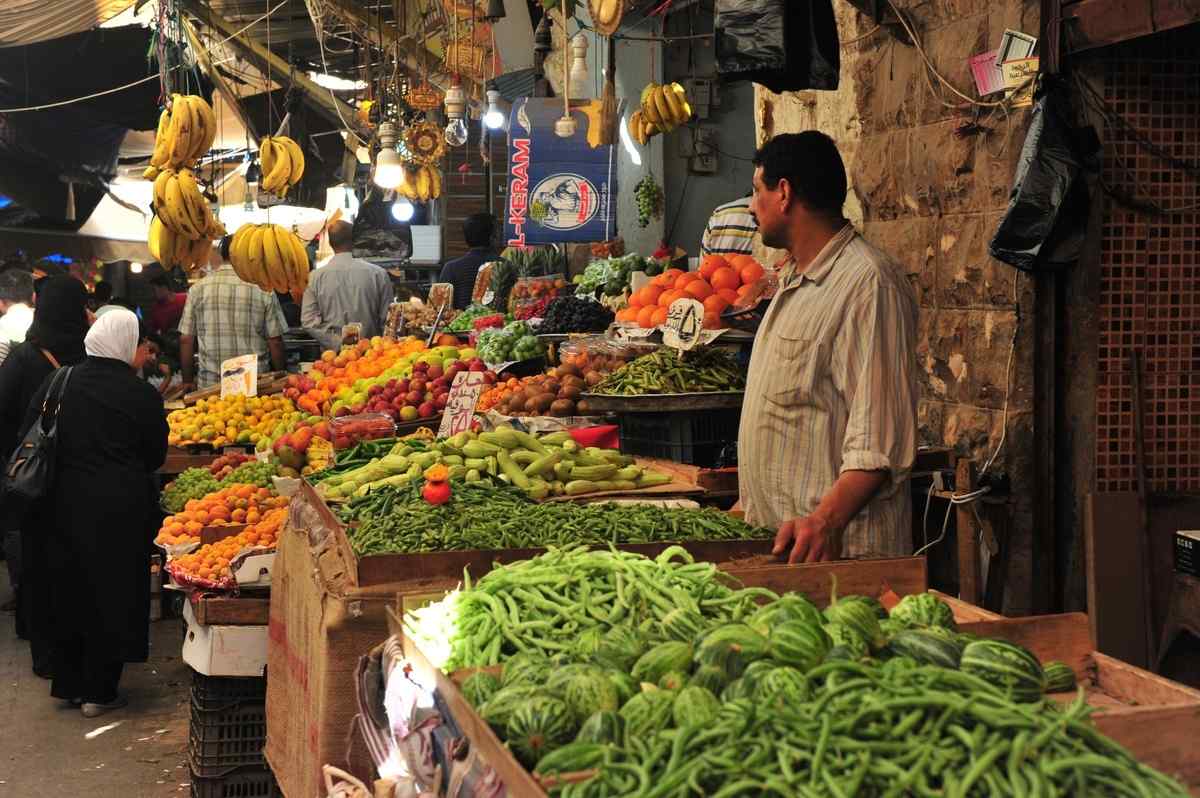
What to expect at Souk Jara
Atmosphere and layout
Stepping into Souk Jara, the first thing you notice is how compact it is. This is not a sprawling maze of alleys; it’s more like a single ribbon of stalls that gently bends and twists as you walk. That tight layout makes it easy to cover everything without constantly checking a map, but it also means the place fills up quickly at peak times.
The sensory mix is what stays with most people: the sound of a busker or small band in the background, the clink of cups and plates near the food area, snippets of Arabic and English drifting past, the smell of grilled food and sweets, and the bright colors of textiles and lights. It can feel lively without being overwhelming, especially if you give yourself time rather than rushing from one end to the other.
Types of stalls and sellers
One of the main reasons people recommend Souk Jara is the range of things you can find in a relatively small space. Typical categories include:
- Handmade crafts and decor items
- Jewelry and accessories, often with regional motifs
- Textiles, scarves, bags, and small fashion pieces
- Art prints, photography, and calligraphy‑inspired designs
- Vintage or upcycled objects and quirky antiques
- Natural soaps, creams, and small‑batch skincare products
Many of the sellers are the actual makers, or close to them. That means conversations are part of the experience. If you’re curious about how something is made, what inspired a particular design, or where materials come from, asking politely often leads to a short story you won’t get in a regular shop. It also turns a simple purchase into more of a connection.
Live music, performances, and extras
Depending on the day and the season, you might encounter live music, small performances, or activities aimed at children and families. These aren’t always rigidly scheduled; sometimes you simply “stumble onto” a musician or a small show near the edge of the market or around the food area.
That unpredictability is part of the charm. If you want a guaranteed concert, you might look elsewhere in the city. But if you enjoy the idea of wandering through a market and suddenly realizing there’s a guitarist playing a few stalls down, Souk Jara fits that mood nicely.
What to buy at Souk Jara
Handicrafts and locally made gifts
Souk Jara is particularly good if you prefer souvenirs that feel personal rather than mass‑produced. You’ll often see ceramics in earthy tones, hand‑embroidered pieces, cushions or table runners with regional patterns, small wooden or metal objects, and a wide mix of decorative items that draw on Jordanian and broader Levantine design.
When browsing, it can help to think about what will actually fit into your life back home. A small, beautifully made bowl you use every morning, or a print you hang near your desk, will probably bring back stronger memories than a random trinket you never quite know where to put. If you’re not sure, ask the seller for ideas; they usually know which items travel well and which might be too fragile.
Fashion, jewelry, and accessories
The jewelry and accessory stalls at Souk Jara cover a broad spectrum. On one table you might find delicate silver or brass pieces inspired by traditional motifs; on another, you could see bright woven bracelets, modern earrings, or playful, colorful designs aimed at younger visitors. Scarves, bags, and small fashion pieces often mix local fabrics or patterns with contemporary cuts.
Prices vary, and there is sometimes room for polite negotiation, but many items are already reasonably priced considering the work involved. Rather than chasing the lowest possible number, it often feels better—for both sides—to aim for a fair price where you leave happy and the maker feels respected. That attitude also tends to make conversations more relaxed.
Art, photography, and home decor
If you enjoy bringing home art from your travels, set aside a bit of extra time at Souk Jara. You can find everything from small postcard‑sized prints and minimalist line drawings to more detailed paintings or photographs of Amman and the wider region. Some artists work in very traditional styles; others blend local themes with a modern or playful twist.
A practical tip is to favor pieces that can be easily transported flat—prints or small canvases that you can sandwich between cardboard or slip into a sturdy envelope. Framed pieces are beautiful but may be less practical if you’re moving around Jordan with a backpack or carry‑on luggage.
Supporting local and home‑based businesses
In many ways, this is the real “product” of Souk Jara: the chance to support small, often family‑run or home‑based projects. Some stalls represent people who work on their craft in the evenings after a day job; others are the early stages of brands that later grow into physical shops or strong online presences.
If you like the idea of your travel spending having a direct impact, this is one of the easiest places in Amman to do it. It doesn’t require grand gestures. Buying a couple of thoughtfully chosen items from different stalls—rather than loading up at a single, generic souvenir shop—spreads that support across more people.
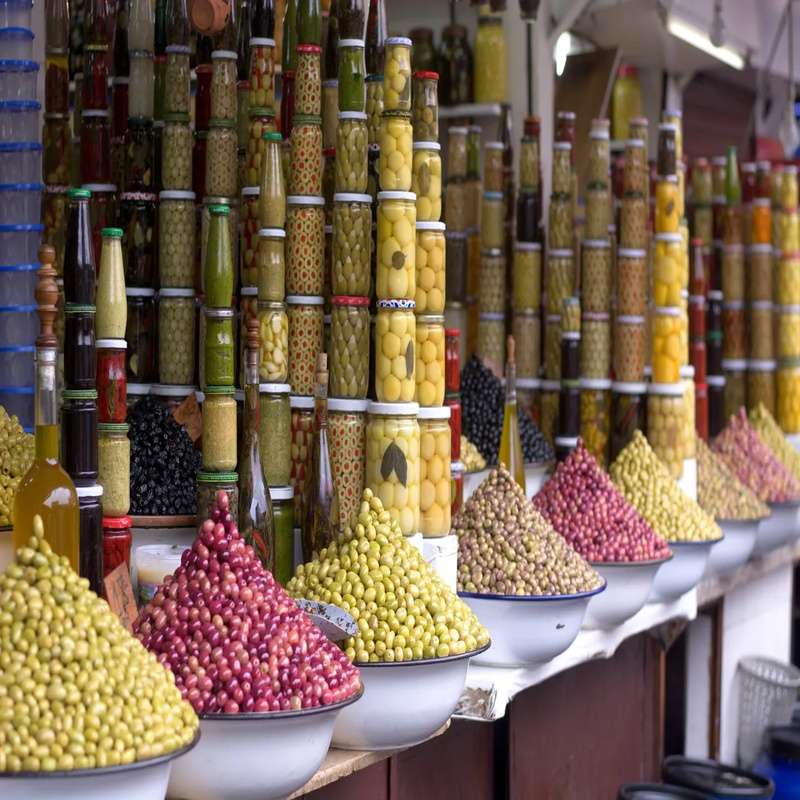
Food and drink at Souk Jara
Street food and snacks
By the time you’ve walked the length of Souk Jara, the smell of food will almost certainly have caught your attention. Depending on the season and the mix of vendors, you might find classic Jordanian street food, popular regional snacks, simple grilled options, and a changing cast of sweet treats. It’s not a full‑blown food festival, but there is usually enough choice to cobble together a satisfying, casual meal.
As with any outdoor market, basic food sense applies. Busy stalls with a steady stream of customers usually indicate fresher turnover. If you have specific dietary requirements, don’t be shy about asking what’s in something; most vendors are used to questions and will answer as clearly as they can.
Coffee, tea, and juices
Beyond solid food, drinks play a big role in the Souk Jara rhythm. Fresh juices, iced drinks, or smoothies help take the edge off the summer heat, especially if you arrive before sunset. Later in the evening, you might lean more toward coffee or tea as you slow down and people‑watch.
One pleasant way to experience the market is to do a first lap just to see what’s where, then grab a drink and do a second, slower lap with something in your hand. It sounds small, but that deliberate shift in pace often makes you notice details you rushed past the first time.
Combining Souk Jara with Rainbow Street cafés
Because Souk Jara is woven right into Rainbow Street, it makes sense to think of them as one combined outing rather than two separate things. You might, for example, start with a mid‑afternoon coffee or dessert at a nearby café, then wander into the market as stalls hit their stride. Afterward, you can head back out onto Rainbow Street for dinner, a rooftop view, or a relaxed drink.
If you want a deeper dive into the area beyond the market itself, it’s worth building a separate neighborhood guide as a cluster article—something like a Rainbow Street Amman guide that covers where to eat, drink, and explore in more detail, with Souk Jara as a key seasonal highlight.
Practical tips for visiting Souk Jara
Money, payments, and prices
While payment habits change over time, cash remains the most reliable option at Souk Jara. Some vendors may accept cards or digital payments, but you shouldn’t count on it as your only method. Having a mix of smaller bills makes life easier when you’re buying from multiple stalls or grabbing quick snacks.
Prices cover a broad range. You can easily pick up very affordable items like small accessories or postcards, but you’ll also see higher‑value pieces such as original art or intricate crafts. Rather than turning every purchase into a negotiation, it can help to read the situation: lower‑priced, repeatable items may have some flexibility, whereas one‑off artworks or labor‑intensive crafts often have less room to move.
Bargaining etiquette in a Jordanian souk
Souk Jara is not a hyper‑aggressive bargaining environment. A little polite negotiation is normal, especially if you’re buying more than one item from the same stall, but it tends to stay friendly. A good pattern is to ask calmly if there’s any flexibility on the price, listen to the seller’s response, and decide whether that feels fair.
Smiling, being respectful, and not pushing past a clear “no” go a long way. If a price feels too high for your budget, it’s fine to say “thank you” and move on. Chances are you’ll find something within your range a few stalls later. The goal, ideally, is for both sides to walk away feeling comfortable.
What to wear and bring
Dress for warm weather and moderate modesty. Lightweight, breathable clothing is your friend, especially earlier in the evening. Shoulders and knees covered are generally a safe baseline, though you’ll see a mix of styles. Comfortable shoes are arguably more important than anything else; you will be on your feet for a while, often on uneven ground.
Beyond clothing, a small day bag with a few essentials makes the visit smoother: a reusable water bottle, some cash, a phone with an offline map or ride‑hailing app, and perhaps a light layer for when the temperature dips later at night. If you tend to buy more than you expect (which is common here), leaving a bit of spare space in your bag is wise.
Safety, scams, and common sense
Souk Jara is generally considered a safe, family‑friendly space. You’ll see families with children, groups of friends, couples, and solo visitors mingling without much tension. As in any busy public place, keeping your valuables close and being aware of your surroundings is just sensible, but there is no need to be on edge.
Overly aggressive sales tactics are rare. Most interactions are straightforward and polite, especially if you mirror that tone. If you ever feel uncomfortable—which is uncommon—you can simply step aside, move a little down the lane, or head briefly back toward Rainbow Street to regroup.
Visiting Souk Jara with kids, friends, or solo
Families and kids
Families often find Souk Jara easy to enjoy in short bursts. There is plenty for children to look at—colorful stalls, small toys, sweets, and the general hum of activity. Earlier hours are usually better if you’re bringing younger kids, both for temperature and for space to move around more freely without bumping into too many people.
Strollers are possible but can be awkward in heavy crowds. If your children are old enough to walk, holding hands and moving at a relaxed pace works well. Planning a clear “meeting point” in case anyone gets briefly separated is a simple way to feel more relaxed as you wander.
Groups of friends or couples
For friends or couples, Souk Jara makes an easy, low‑pressure Friday plan. You can meet on Rainbow Street, stop for a drink or a snack, then work your way into the market without a rigid schedule. Some people treat it almost like a moving pre‑dinner stroll, picking up a few small things along the way and then settling into a nearby restaurant afterward.
Because it’s so informal, the market works for different energy levels. One person can dive into every craft stall while another takes their time near the food area; you can regroup at agreed points without worrying that you’ve “missed” anything crucial.
Solo travellers
Solo travelers sometimes worry about feeling out of place in social settings, but Souk Jara is genuinely welcoming. Plenty of people wander alone, pausing at stalls, chatting briefly with sellers, and then moving on. The anonymity of a crowd, combined with the friendliness of individual interactions, strikes a comfortable balance.
If you’re travelling solo and a bit hesitant, one gentle way in is to pick a small “mission” for yourself—maybe finding one piece of art for your wall back home or trying two different snacks you’ve never had before. That gives you a reason to linger and engage, without any pressure to turn the evening into a big social event.
Photography and social media at Souk Jara
Best time and spots for photos
From a photography point of view, Souk Jara is surprisingly rich for such a compact space. Late afternoon light works well for capturing the warm tones of stone buildings and textiles. As evening approaches, string lights, stall lamps, and the glow from nearby cafés create a softer, more atmospheric look that suits portraits and candid shots.
Interesting frames often appear where the market opens out slightly—near corners, junctions, or the transition zones between stalls and food stands. Focusing on hands at work, small details on tables, or the interplay of light and shadow can make your photos more personal than a wide shot of the entire lane.
Respectful photography etiquette
People are a big part of Souk Jara’s visual appeal, but it’s important to be considerate. As a general rule, asking before photographing a vendor or their products up close is the respectful thing to do. Many will happily agree, especially if you’re genuinely interested and maybe buying something, but they’ll appreciate being asked.
If someone declines, taking that “no” gracefully is part of travelling well. There are plenty of other opportunities to capture the feel of the market without putting anyone on the spot. Wide shots that show the general scene, or close‑ups of objects after you’ve bought them, are safe, low‑stress options.
Sharing Souk Jara online
When you eventually share your photos or short clips, geotagging Souk Jara or Rainbow Street helps other travelers discover the area. Just try to balance the “Instagrammable” side with a bit of real context: a short reflection on how the place felt, a note about an interesting conversation, or a mention of a vendor whose work stood out to you.
If your broader trip content includes guides and stories, this is a natural place to link out. For example, a more in‑depth piece about the best markets in Amman can give your audience context on how Souk Jara compares with downtown souks and other shopping areas.
How Souk Jara compares to other Amman markets
Souk Jara vs downtown Amman souks
Downtown Amman’s traditional souks are older, busier, and far more sprawling than Souk Jara. There, you’ll find everything from spices and household goods to clothing, shoes, and everyday essentials for local residents. The energy can be intense—fascinating if you enjoy full‑on urban life, a bit overwhelming if you’re new to it.
Souk Jara, by contrast, is curated and seasonal. It’s less about daily necessities and more about creativity, handicrafts, and socializing. If downtown souks show you how the city functions, Souk Jara shows you how the city likes to relax on a summer Friday.
Souk Jara vs malls and modern shopping streets
Amman’s malls and newer commercial streets deliver the usual comforts: air‑conditioning, predictable international brands, tidy food courts, and long opening hours. They are practical, especially in extreme weather, and they make sense if you’re hunting for specific items like electronics or global clothing lines.
Souk Jara sits at the opposite end of that spectrum. It’s outdoors, weather‑dependent, and full of small‑scale, often one‑of‑a‑kind things. You go there less to “run errands” and more to wander, discover, and maybe come home with something you had no idea you wanted before you saw it.
When Souk Jara might not be for you
It’s worth saying that Souk Jara won’t suit absolutely everyone. If you strongly dislike crowds, heat, or open‑air markets in general, you might not fall in love with it. Likewise, if your main goal is heavy bargaining for rock‑bottom prices, you might find other markets in Amman more aligned with that style.
That said, even travelers who don’t usually enjoy markets often find that an hour or two at Souk Jara is manageable and surprisingly pleasant—especially if they time it for cooler hours and take regular breaks for drinks or snacks.
Planning your trip around Souk Jara
Sample half‑day and full‑day itineraries
One simple way to structure a day is to spend your morning downtown—exploring Roman ruins, old streets, and traditional souks—then head back to your accommodation for a rest during the hottest hours. Late afternoon, make your way to Rainbow Street, have a drink or early snack, and then ease into Souk Jara as it hits its stride.
Another option is to devote a full day to Jabal Amman and nearby neighborhoods. You might start with a slow breakfast, visit a museum or gallery, explore quieter residential streets and viewpoints, then focus your evening around the market. For travelers building a broader itinerary, a more general Amman local culture guide makes a helpful companion piece, showing how Souk Jara fits alongside cafés, cultural centers, and other experiences.
Where to stay near Rainbow Street
Accommodation around Jabal Amman and Rainbow Street ranges from small guesthouses and boutique hotels to serviced apartments and more established properties. Staying within walking distance of Souk Jara means you can come and go at your own pace, head back to drop off purchases, or retreat for a quick rest without worrying about traffic or taxis.
If you prefer staying downtown or in western Amman, that’s also workable; it just adds a short ride each way. In that case, planning your Friday evening as a “there and back” outing—with a clear return time in mind—can make logistics feel simpler.
Combining Souk Jara with wider Jordan travels
In the broader context of a Jordan trip, Souk Jara often becomes one of those small but vivid memories that sit alongside the big headline sights. Petra, Wadi Rum, and the Dead Sea are obviously major draws, yet a relaxed Friday evening market can do something different: it puts you in the middle of local life without any grand fanfare.
If possible, try to structure your Amman time so that you either arrive or depart on a Thursday or Friday during the market season. That way, you can fit souk jara into your journey without forcing anything, letting it be one more thread in the wider story of your time in Jordan.
FAQs about Souk Jara
Is Souk Jara open all year?
No, Souk Jara is seasonal. It usually runs from around mid‑May to mid‑September, and typically on Fridays only. Always check the current year’s details before planning your visit.
Do you have to pay to enter Souk Jara?
There is generally no entrance fee for Souk Jara. You can walk in freely, browse as long as you like, and only pay for what you choose to buy, whether that’s food, drinks, or items from the stalls.
Is Souk Jara suitable for solo female travellers?
Souk Jara is widely experienced as a safe, welcoming environment for solo female travelers. As with any busy public place, common‑sense awareness is important, but the overall tone is relaxed and family‑friendly.
Can you visit Souk Jara in winter?
Usually not. The market’s entire concept is built around being an open‑air summer event, so outside its normal season you’ll find Rainbow Street itself active, but the specific market won’t be running. In cooler months, you may want to focus instead on indoor cafés, museums, and year‑round markets.
How long should you spend at Souk Jara?
Most visitors spend between one and three hours at the market, depending on how much they like to browse, eat, and linger. A “quick lap” is possible in less than an hour, but giving yourself extra time makes it easier to slow down, chat with sellers, and enjoy the atmosphere without clock‑watching.
Final thoughts on Souk Jara
Souk Jara is not the biggest market in the region, and it doesn’t pretend to be. What it offers instead is intimacy: a single, vibrant lane where locals and visitors mingle, small businesses put their work on the table—literally—and Amman’s creative energy is visible at eye level. It’s the sort of place where a simple conversation over a bar of handmade soap or a small print can quietly become one of the memories you carry home.
If your timing lines up, weaving souk jara into your Amman itinerary is well worth the effort. Pair it with an evening on Rainbow Street, fold it into a wider exploration of the city’s markets, or treat it as your soft landing after a long flight. However you approach it, the market has a way of slowing you down just enough to notice where you are—and that, in the end, is a big part of why people travel at all.