Tanjong Jara Resort 2025: Rooms, Dining, Monsoon & Activities
Why Tanjong Jara Resort
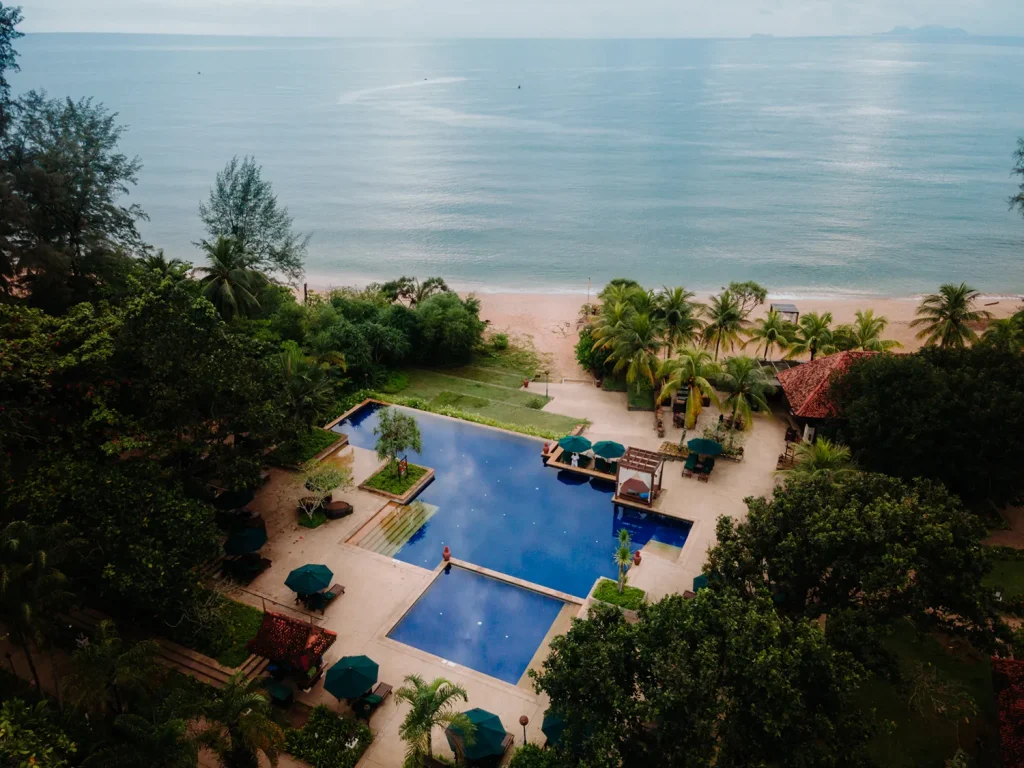
Think of a 17th‑century Malay palace sketched into the coastline, all timber and rhythm, facing the South China Sea. The resort isn’t trying to be loud or glossy; it leans into calm, into ritual, into a kind of hospitality that feels learned rather than staged. If you’re chasing clubs and crowds, this isn’t it—if you want to exhale, it probably is.
Two ideas guide the experience: slow time and sensory detail. Mornings start with a soft sea breeze, evenings with the hush of waves and a sky that goes pink, then ink. In between: Spa Village traditions, unfussy seafood, and day trips that remind you Malaysia can still surprise you.
Essential Facts
- Location: Dungun, Terengganu, on Malaysia’s east coast (quiet, scenic, best with an unhurried itinerary).
- Best months: March–October for calmer seas; November–February sees monsoon swells, fewer boats, and a moodier, beautiful shoreline.
- Who it suits: Couples, design‑minded travelers, divers heading for Tenggol, families who prefer nature over theme‑park energy.
- Style: Timber pavilions, steeped roofs, verandas, and a layout that invites wandering rather than rushing.
- Vibe: Low‑rise, low‑noise, high‑touch service. You can be social if you want, but solitude is easy to find.

Rooms and Suites: Bumbung, Serambi, Anjung
The room categories sound poetic because they are—yet practical differences matter. Here’s the short version before the nuance: Bumbung rooms tend to sit upstairs with pitched ceilings and a sense of privacy; Serambi rooms are on lower levels with verandas and garden spill‑out; Anjung rooms (and sea‑facing variants) edge closest to the water and romance.
Which Room Fits Your Trip
- For couples: Anjung Seafront if sunrise and wave‑sound are part of the plan; it’s the indulgent choice without tipping into showy.
- For families: Serambi rooms offer easier stroller access and more forgiving proximity to lawns and pools.
- For quiet seekers: Upper‑floor Bumbung rooms feel cocooned; pick a block farther from the main pool for softer sound at night.
A few little things to note. Some units have outdoor bath alcoves that turn an ordinary evening into a ritual; afternoon sun angles differ, so if you run warm, request a shadier aspect. And while sea views are coveted, garden views can be more serene—especially on breezier days when the surf is lively.
Dining at Tanjong Jara Resort
Dining here is less about excess and more about intention. At Di Atas Sungei the “menu masters” nudge you toward local flavors you might skip if left to your own devices. Nelayan, by the beach, reads as unfussy seafood done right—grilled, bright, and not overworked. Teratai Terrace keeps lunch light, then goes yakiniku or steamboat at night. If you’re celebrating, a private beach dinner is available, winds permitting.
Vegetarian and pescatarian travelers are usually well served; vegans should flag preferences early—it helps the kitchen plan. Reservations for sunset slots at Nelayan are a good idea on weekends. And yes, you can eat simply: a lime‑slicked salad at noon, a tamarind fish at dusk, and call it a day.
Related reading: for menus, budgets, and timing tips, see the Tanjong Jara Resort dining prices and menus guide.
Spa Village & Wellness
The Spa Village is where the resort’s character deepens. Treatments draw on Malay traditions—think warming oils, long palm strokes, herbal compresses—with a cadence that invites you to slow down. If you’re new to this style, start with a signature ritual and build from there; ninety minutes is a sweet spot.
Fitness isn’t an afterthought: a well‑equipped gym, outdoor movement (often a gentle Sucimurni session), tennis and sometimes pickleball. Joggers tend to loop the garden paths at first light when the air still feels like morning.

Beach and Sea Conditions
This coastline can be calm as glass—or roll with a stubborn, beautiful swell. From March to October you’ll often find swimmable mornings and dreamy paddle conditions. During the monsoon months (roughly November to February), the sea gets dramatic; beach walks are lovely, but swimming may be flagged off and boat trips pause more often.
Jellyfish can appear seasonally; a light rash guard is never a bad idea, even for snorkelers. Sunrise is the show here, not sunset—bring a cup of something warm and let the light do the work.
For month‑by‑month nuance—including rainfall, wind, and visibility—bookmark the Malaysia east coast monsoon guide.
Activities and Pure Experiences
The resort’s activity slate is broader than it looks at first glance. On water, the headline is Pulau Tenggol—exceptional diving when conditions align, with snorkeling trips for non‑divers that still feel like an event. On land, there’s a gentle Jara Hill walk, a village cycling loop, batik workshops, and waterfall hikes that require a modest fitness base and sensible shoes.
Families tend to build days around the pools (there’s an adults‑only option and a family‑friendly one), short eco‑excursions, and easy meals that don’t fuss with bedtime. If turtles are your thing, nesting and hatch closely cluster around the warmer months—timing is imperfect, but that’s part of the magic.
Planning a dive‑forward trip? See the Tenggol diving guide from Tanjong Jara for seasons, visibility notes, and packing.
Getting There and Around
There are three realistic approaches: fly to Kuala Terengganu (TGG) and transfer south along the coast; fly to Kuantan (KUA) and come up; or drive from Kuala Lumpur via the LPT/E8 highway. The last option is pleasantly straightforward—long but smooth—and gives you flexibility for stops.
Ride‑hailing is patchy in smaller east‑coast towns, so assume resort transfers or self‑drive for reliability. Parking is on‑site, and the layout is forgiving for luggage and strollers. If you’re the type who likes to wander, note that the immediate area is quiet; embrace the stillness, or plan half‑day jaunts to nearby villages and markets.
Families: What Actually Matters
Interconnecting options help, but do request them early in busy windows. Ground‑level rooms simplify life with little ones and beach kit in tow. High chairs are standard, kids’ menus are common‑sense, and staff are unfailingly warm—yet the overall mood is serene, so late‑night energy is better kept to private spaces.
For pool days, the family pool’s shallow edges are friendly; bring sun hats and rash guards because the east‑coast sun does not negotiate. Babysitting can often be arranged with notice; confirm timing before you commit to spa or dive slots.
Accessibility Notes
Ground‑floor rooms and the resort’s generally flat promenades make navigation easier, but upper‑floor Bumbung rooms involve stairs. If step‑free is essential, specify this at booking and request proximity to dining and pool areas to keep daily routes short.
Beach access is via sand—gorgeous, though not the most wheelchair‑friendly surface. Staff are helpful with ad‑hoc assistance; still, setting expectations ahead of arrival reduces friction considerably.

Connectivity and Workability
Wi‑Fi is reliable enough for calls in most common areas and typically fine in rooms—though speeds do ebb with weather and occupancy. If a video meeting matters, test from your intended spot the day before and have a mobile hotspot as backup.
Rooms offer decent plug access and surfaces for a laptop session. That said, the beach has a way of eroding office ambition—plan high‑focus work for mornings and reward yourself with a mid‑day swim when the light goes silver.
Sustainability and Community
There’s a genuine tilt toward local: produce, recipes, crafts, and people. Refill stations and gentle nudges toward reef‑safe sunscreen show up here and there; it’s subtle rather than preachy. The better way to participate is simple—eat what’s in season, treat the reef with respect, and leave the beach as you found it.
When to Book and How to Save
Shoulder months (think March–April, September–October) balance calmer seas with softer demand. Public holidays and school breaks compress availability, so lock in earlier then. Direct offers sometimes bundle breakfast or spa credits; compare these with third‑party rates and factor in flexibility if plans may shift.
If you’re monsoon‑curious, prices can dip—but be honest about your expectations. You’ll get drama and solitude, not glassy snorkeling. Pick what you truly want, not what looks best on a spreadsheet.
Sample Itineraries
Couples: 2 Nights
Day 1: Late‑afternoon arrival, beach walk, dinner at Nelayan. Day 2: Spa Village ritual, lazy pool hours, private beach dinner if the wind behaves. Day 3: Sunrise coffee, short village cycle, early checkout and one last look at the line where sea meets sky.
Family: 3 Nights
Day 1: Check‑in, pool and garden time, early dinner. Day 2: Easy waterfall trek, nap window, Teratai’s steamboat. Day 3: Morning snorkeling (conditions allowing), afternoon crafts, kids’ early night; grown‑ups trade off a spa slot. Day 4: Breakfast, shell collecting, and go.
Divers: 4 Days
Day 1: Arrive, gear check, sunset brief. Day 2–3: Two‑tank mornings at Tenggol, siestas, gentle evenings. Day 4: Surface interval day—village cycle and a last dip before the drive back.
Serious about the sea? Cross‑reference the detailed Tenggol diving guide and the month‑by‑month monsoon explainer for smart timing.
Alternatives: When to Choose Another Beach
Redang and the Perhentians offer clearer, calmer snorkel days in peak months, with more casual beach life but less privacy. Tioman leans castaway‑romantic in pockets, though transfers can be fiddly. Club Med Cherating goes all‑inclusive and social; great for activity‑hungry families who want a full schedule and zero planning.
Pick Tanjong Jara when you want space, ritual, and a beach that feels like a line from a poem. Pick the islands when your priority is float‑all‑day snorkeling and a quicker hop to reefs.
Practical FAQs
- Dress code: Resort casual; bring a light layer for breezier nights.
- Mosquitoes: Present at dusk; repellent and light sleeves help.
- Money: Cards widely accepted; a little cash helps for tips and local stalls.
- Tipping: Appreciated, not mandatory; service is quietly excellent regardless.
- Drones: Ask first; respect other guests and local regulations.
- Language: English is widely spoken; a bit of Malay earns smiles.
- Medical: Basic first aid on site; larger clinics a drive away—carry essentials.