Things to do in Bogota: A Local-Feeling Guide

If you’re looking up things to do in bogota, there’s a good chance you’re feeling two things at once: excited, and slightly unsure where to start. Bogotá is big, spread out, and (at first) it can feel like it’s operating on its own rhythm. The good news is that the “must-dos” really are worth doing—Monserrate, La Candelaria, and the Gold Museum show up in just about every serious Bogotá shortlist for a reason. The better news is that once you handle those anchors, the city gets more personal. It becomes markets and coffee stops, quiet neighborhood streets, and the kind of casual, happy surprises you don’t schedule.
This guide is built to help you choose, not just browse. It’s practical, but it doesn’t assume you want to sprint around all day. (Most people don’t, especially on day one.)
Things to do in bogota
If Bogotá is new to you, it helps to think in “clusters” rather than a giant checklist. A few activities fit naturally together, and the city suddenly feels more manageable.
Things to do in bogota if it’s your first day
Day one is usually about getting your bearings. Maybe you slept poorly on the plane. Maybe the altitude is making you a little sluggish. Either way, the goal is a gentle win.
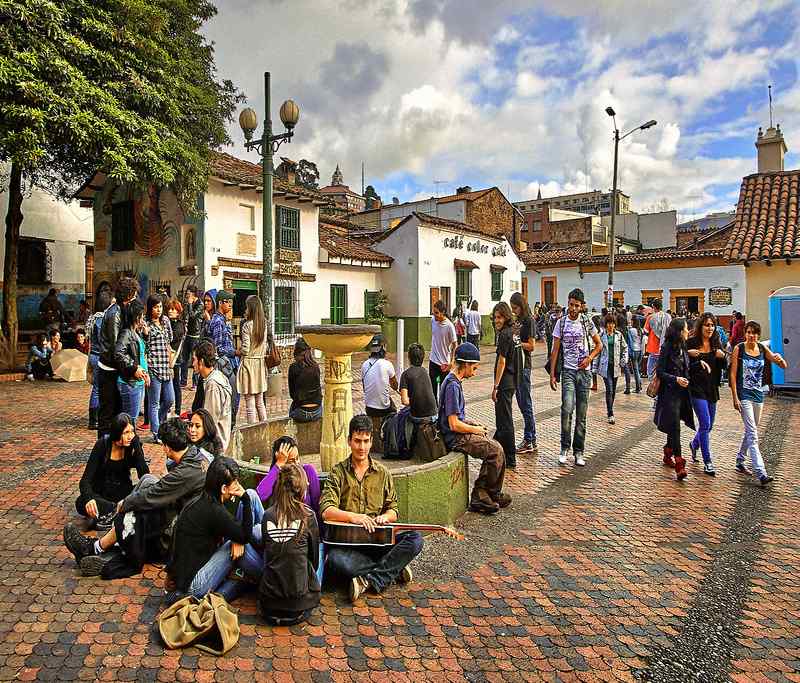
- Start in La Candelaria. Bogotá’s historic district is where the city’s story is easiest to read: narrow streets, colonial-era buildings, murals, and the civic heart around Plaza de Bolívar.Lonely Planet specifically calls out strolling La Candelaria and beginning at Plaza de Bolívar, where you can see major landmark buildings clustered around the square. It’s a natural “first contact” with the city.
- Visit the Gold Museum (Museo del Oro). Even if you think, “I’m not really a museum person,” this is the one that tends to convert people. The collection highlights intricate pre-Columbian goldwork and offers a deep look into Colombia’s Indigenous history and artistry.Lonely Planet describes the Museo del Oro as a standout museum and emphasizes its jewelry and objects that illuminate life before European colonization. It’s not just shiny artifacts; it’s context.
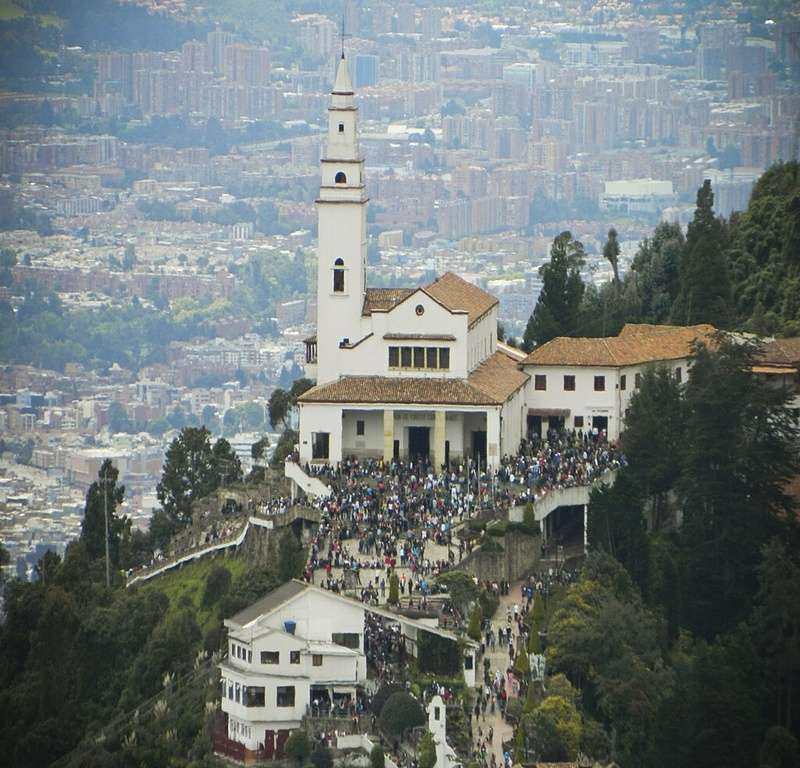
- Save Monserrate for a clear moment. Monserrate is the classic Bogotá viewpoint—high above the city—with a church at the top and wide views when the weather cooperates. If the clouds are sitting low, don’t force it. Bogotá is moody like that.
If you want a ready-made route that connects these highlights without overthinking it, use this focused day plan: things to do in bogota: La Candelaria + Monserrate route. It’s designed for real-life pacing, not “influencer speed.”
The classics (for good reason)
Some experiences in Bogotá are “popular” because they’re genuinely good. Not because everyone is copying each other. And yes, it’s okay to do the famous stuff. It’s your trip.
Monserrate: the view that resets your map
Monserrate is one of those places that makes Bogotá make sense. From above, you can see how the city stretches along the mountains, and you get a feel for its sheer scale. Lonely Planet includes Monserrate as a top Bogotá experience, and it often appears alongside La Candelaria and the main museums in standard “first visit” guidance.
A few practical thoughts that sound obvious, but matter:
- Go early if you can. Morning often means clearer skies, and you’ll avoid the “everyone had the same idea” feeling.
- Bring a layer. Bogotá’s weather shifts quickly, and the top can feel cooler and windier than street level.
- Don’t prove anything. If you’re feeling the altitude, slow down. Sit. Drink water. Take photos like a normal person. The view is not going anywhere.
If you prefer having a simple plan rather than figuring it out on the fly, the itinerary here makes Monserrate feel easy: La Candelaria + Monserrate day itinerary.
Museo del Oro: Bogotá’s headline museum
The Museo del Oro is widely considered Bogotá’s most famous museum, and Lonely Planet highlights its pre-Columbian gold and bronze objects as a window into Colombia before colonization. That framing matters because it turns the visit into something more than a quick walkthrough.
How to enjoy it without museum fatigue:
- Give it a real hour or two. This isn’t a “10-minute stop,” but it also doesn’t need to consume your day.
- Look for themes, not everything. Pick a few rooms or types of objects that grab you and follow your curiosity.
- Pair it with a La Candelaria walk. They complement each other—history indoors, then street-level texture outside.
La Candelaria: the Bogotá you imagined (and then some)
La Candelaria is colorful, historic, and full of small details—painted doors, steep streets, little cafés, and sudden bursts of street art. Lonely Planet recommends wandering its narrow streets and starting at Plaza de Bolívar, then walking toward the mountains along Calle 11 with shops and restaurants along the way.
I think the best way to do La Candelaria is to plan lightly. Choose two “anchors” (say, Plaza de Bolívar and the Gold Museum) and let the streets connect them. The neighborhood rewards wandering.
Bogotá by neighborhood (so it clicks)
One reason people get overwhelmed is they treat Bogotá like a compact city center. It isn’t. It’s more like multiple pockets with different energy.
La Candelaria for history and museums
This is your classic daytime neighborhood: historic streets, major sights, and a sense of Bogotá’s political and cultural roots. It’s also where many visitors begin, because the “what am I seeing?” questions are easiest to answer here.
Chapinero and Zona G for food and everyday city life
If La Candelaria feels like “old Bogotá,” Chapinero and the dining areas around it can feel like the city you’d actually live in—restaurants, cafés, and a more modern pace. National Geographic’s Bogotá travel coverage points to the city’s offbeat charm, including tejo and art-enriched streets, and this part of town is often where that contemporary vibe becomes obvious.
Usaquén for a slower, northern day
Usaquén has a more small-town feel compared with central Bogotá, and it’s often recommended as a pleasant area for strolling and markets. Lonely Planet also notes Usaquén’s location on the northern end of Bogotá and mentions it as convenient for day trips such as Zipaquirá and Lake Guatavita, which is a helpful detail if you’re trying to reduce transit time.
Food and drink experiences
Food is one of the easiest ways to get Bogotá “under your skin.” It’s also one of the easiest ways to accidentally waste time—choosing places too far apart, or ending up in a meal that’s fine but forgettable.
Do one proper market morning
A market morning is one of the most grounded things you can do: fruit tasting, breakfast, people watching, and that feeling of the city waking up. Many popular Bogotá guides highlight market visits as a signature experience, and it’s a great counterbalance to museum-heavy days.
If you want a more food-forward plan (and ideas that go beyond “try arepas”), this guide goes deeper: Bogotá food things to do.
Drink coffee like you mean it
Colombia’s coffee reputation is real, but Bogotá is where you can compare regions and styles in a single trip. A simple approach: pick one place that does a careful brewed cup and one place that serves espresso well. Then notice what you like. It sounds basic, and it is, but it’s surprisingly satisfying.
Play tejo (even if you’re not “a games person”)
Tejo is often described as an explosive pub game, and it comes up in mainstream Bogotá travel coverage as one of those only-in-Colombia experiences. It’s loud, a little chaotic, and oddly welcoming. If you’re traveling with friends, it’s an easy “best night of the trip” candidate. If you’re solo, it can still work—just choose a spot that feels organized and comfortable.
Outdoors without leaving the city
Bogotá has a strong outdoor streak, even though it’s a dense capital city. Sometimes it’s hiking and viewpoints. Sometimes it’s simply reclaiming the streets.
Ciclovía: Bogotá’s weekly reset
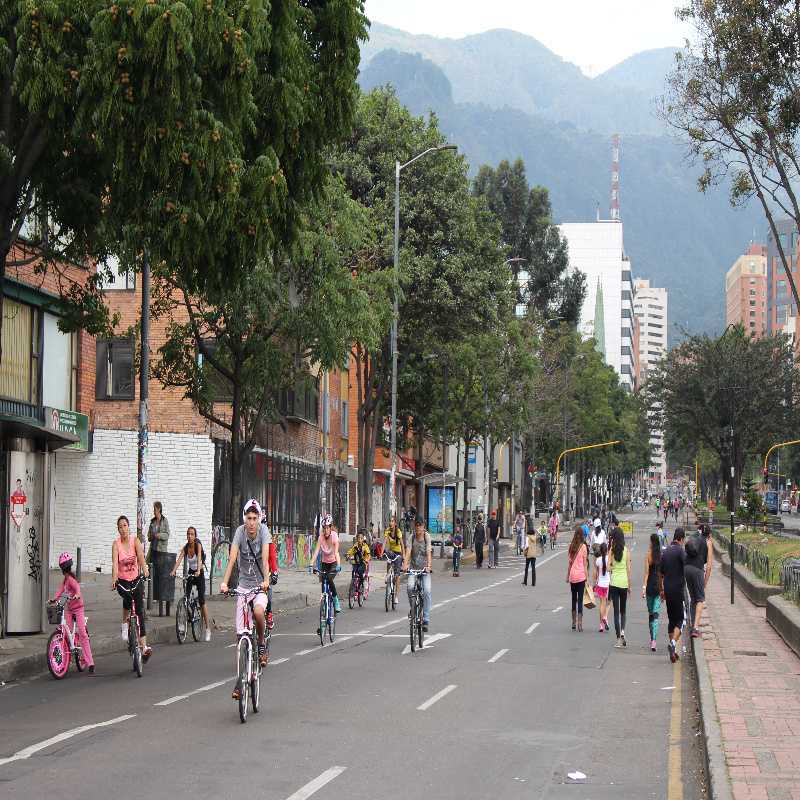
On Ciclovía days, major roads close to cars and open up for biking, walking, and rolling around however you like. It’s widely recognized as one of Bogotá’s signature public-life experiences, and coverage in major outlets has highlighted the scale and atmosphere of the event.
If you want the simple version: you don’t have to be a cyclist. Show up, walk a stretch, grab a snack, and enjoy the city feeling different for a few hours.
For a practical, budget-friendly set of options (including Ciclovía), this is the companion post: free things to do in bogota.
Easy day trips from Bogotá
Day trips can be the best part of a Bogotá itinerary… or they can be the day you spend mostly in transit and quietly regret it. Choosing well matters.
If you want something iconic and close
Zipaquirá (often visited for the Salt Cathedral) is one of the best-known day trips from Bogotá, and Lonely Planet notes that staying or spending time in Usaquén can be convenient for reaching Zipaquirá. If you want a “big landmark” feeling without a long journey, this is usually a strong pick.
If you want nature and scenery
Lake Guatavita is frequently mentioned as a nature-focused option near Bogotá, and Lonely Planet includes it in the list of day trip possibilities that are convenient from the city’s northern side. It’s a good choice if you want open space after a couple of city-heavy days.
If you want a slower, small-town atmosphere
Sometimes the best day trip isn’t the most famous one—it’s the one that feels calm. If your Bogotá days are packed with museums and traffic, a quieter town visit can feel like a reset. (This is also where taste matters. Not everyone loves “cute towns.” Some people get bored. It’s fine.)
Practical tips (read this, honestly)
This is the part most “things to do” posts rush through. But these details are what make the difference between a smooth trip and a trip where everything feels slightly harder than it should.
Altitude: plan for a softer first 24 hours
Bogotá’s elevation catches people off guard. The smart move is to schedule your first day like you’re giving yourself permission to be a little slower—because you are. Museums and neighborhood walks are perfect for this; intense hikes and late nights can wait.
Weather: dress for the day you’ll actually get
Bogotá can switch from sun to rain quickly, and temperatures can feel cool, especially in the evenings or up at viewpoints like Monserrate. Layers beat a single heavy jacket.
Getting around: reduce friction
Bogotá is spread out, so the best transport choice is often the one that saves your energy for the fun parts. Group sights that are near each other (La Candelaria + central museums), then plan a separate block for northern neighborhoods like Usaquén. This is boring advice, maybe, but it makes the day feel twice as good.
Safety: stay calm, stay aware
Most trips are trouble-free, but it’s still a big city. Keep phones and valuables handled thoughtfully, especially in crowded areas and transit. If a street feels “off,” trust that feeling and take a different route. It’s not dramatic—it’s just travel common sense.
A realistic 2–3 day structure (without over-planning)
If you’re the kind of traveler who likes a simple framework, this usually works well:
- Day 1: La Candelaria + Plaza de Bolívar + Museo del Oro, then an easy dinner.
- Day 2: Monserrate (choose a clear time), then move north for food and a different neighborhood feel.
- Day 3 (optional): Ciclovía if the timing works, or a day trip north (Zipaquirá / Guatavita are common choices).
And yes, it’s okay if you swap things around. Bogotá doesn’t reward rigid schedules; it rewards good timing and a little flexibility.
Conclusion
The best things to do in bogota are the ones that match your energy and your curiosity, not the ones that look good on a checklist. Start with the anchors—La Candelaria, the Museo del Oro, and Monserrate—because they’ll give you context fast. Then let the city expand: a market morning, a coffee stop you linger at longer than planned, a Ciclovía stroll that turns into half the day.