
Things to do in London: A Practical Local-style Guide

There are so many things to do in london that the hardest part isn’t finding ideas — it’s picking the right ones for your time, budget, and mood. London can be thrilling and a bit tiring in the same afternoon. It’s big, it’s busy, and yes, it can be expensive, but it’s also one of those cities where you can have a world-class day for free if you plan it well.
This is a practical guide for first-time visitors and repeat travelers who want a mix of the iconic and the “wait, how did I not know about this?” stuff. I’ll point out where booking matters, when crowds get intense, and what’s genuinely worth rearranging your day for. I’ll also leave a little room for spontaneity, because London is better when you do.
How to use this guide (so it doesn’t feel overwhelming)
I think most London itinerary stress comes from trying to do everything, everywhere, all at once. Instead, try this: pick one “anchor” sight each day, then add one museum/market/neighborhood wander, and finish with a viewpoint or evening experience. You’ll still see a lot, but you won’t spend the whole trip checking Google Maps like it’s a full-time job.
- First time in London? Start with the landmarks, one big museum, and a river walk.
- Been before? Skip at least one famous queue and trade it for a neighborhood day or something quirky.
- On a budget? Build your days around free museums, parks, markets, and free viewpoints — but plan ahead for the popular ones.
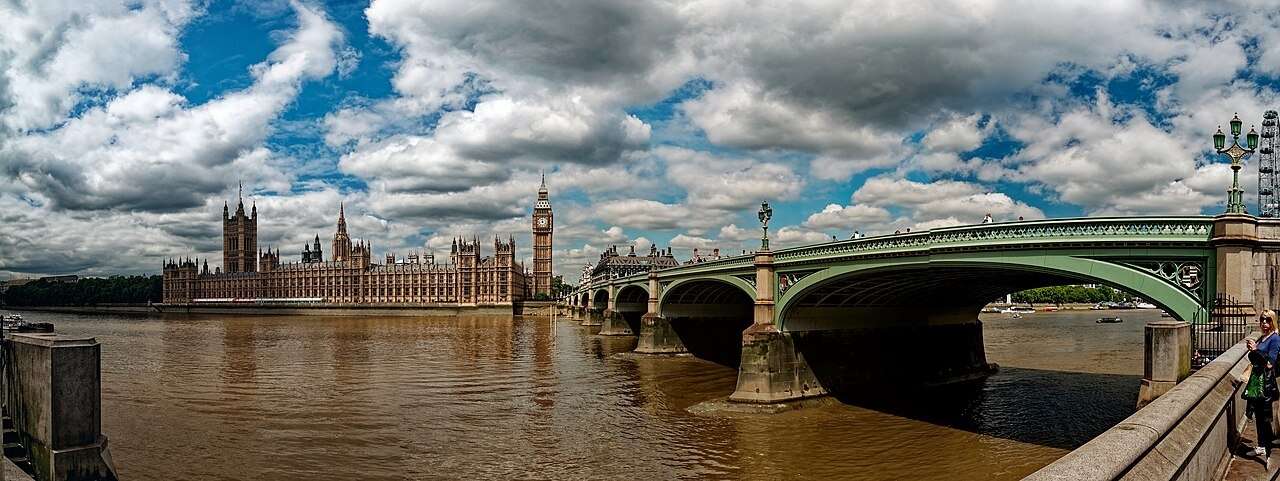
things to do in london for first-timers (the classics that still work)
If it’s your first visit, the big sights are popular for a reason. Some are absolutely worth it. A couple are… fine, but only if you go at the right time. The trick is to pair attractions that are close together so you’re not crisscrossing the city just because a list told you to.
A “first day” London route that just makes sense
Here’s a simple day that feels like London without being unrealistic:
- Morning: Westminster area (see the river, the government buildings, that whole postcard vibe).
- Midday: Walk along the South Bank for views and people-watching. This is one of those stretches where London feels lively without you having to “do” much.
- Afternoon: Pick one major museum or historic attraction (more on choosing those below).
- Evening: A viewpoint (paid or free) or theatre if you have the energy.
It’s not the only way to do it, obviously. But it’s a calm starting point, and once you’ve got that mental map of central London, everything else feels easier.
Iconic London landmarks (choose 2–3, not 12)
London’s famous sights can be clustered so you’re not burning time in transit. Visit London’s official guide is a good reminder of how broad the attraction mix is — royal sites, museums, gardens, markets, and big-ticket experiences — so it helps to narrow by what you’re actually excited about.
- Royal London: If Buckingham Palace is on your list, it’s worth checking what’s open and when, because availability can vary and the area gets very busy.
- Historic London: If you like history that feels tangible (castles, old stones, long timelines), prioritize one serious historic site and actually give it time.
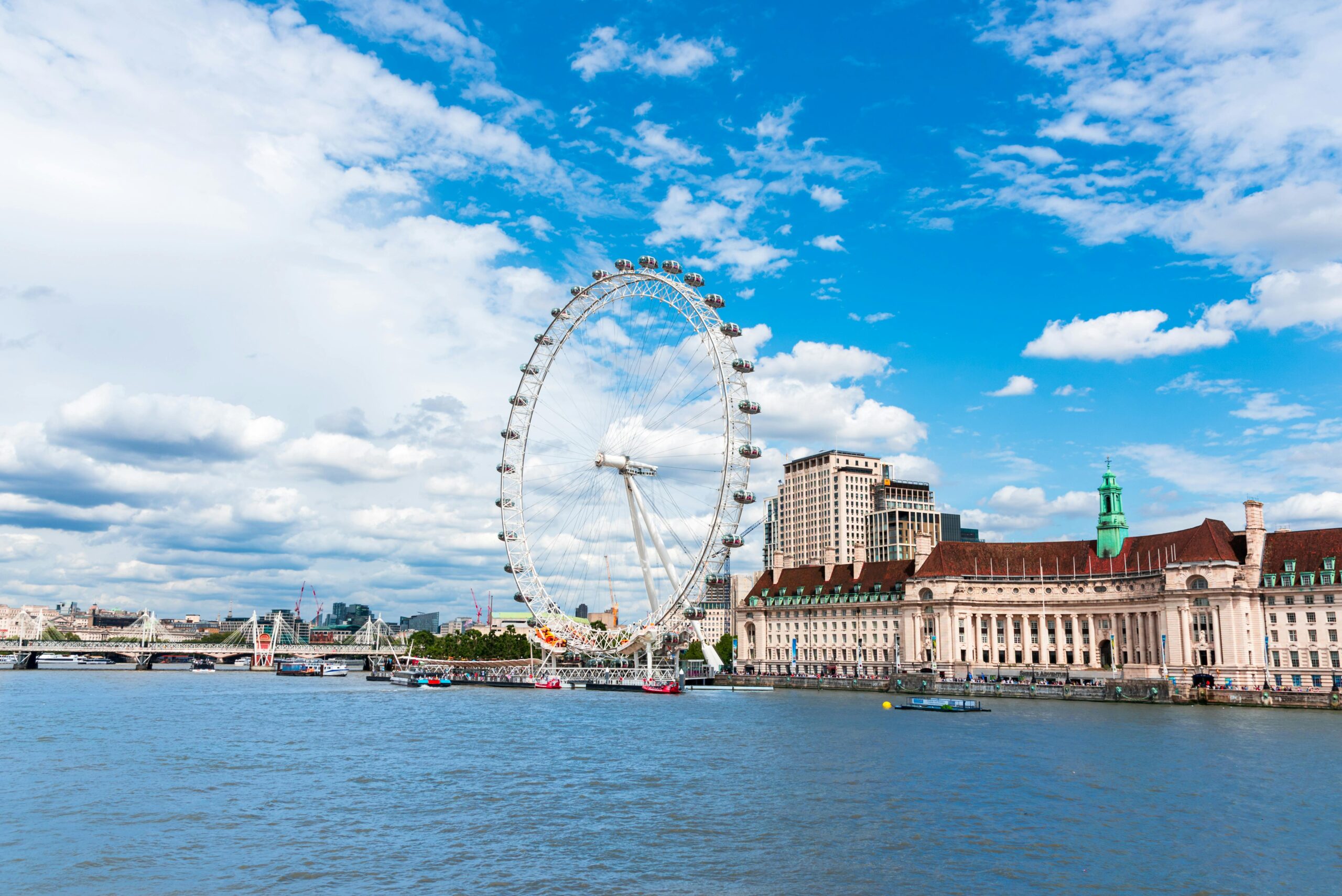
- Modern London: Add one contemporary “wow” moment — a skyline viewpoint or a modern art stop on the Thames.
If you’re building a first-timer trip and also trying to keep costs down, it usually helps to anchor your days with free experiences and then pay for only a couple of “must-do” ticketed attractions. There’s a whole separate strategy for that free things to do in London, because it’s a topic people tend to plan around.
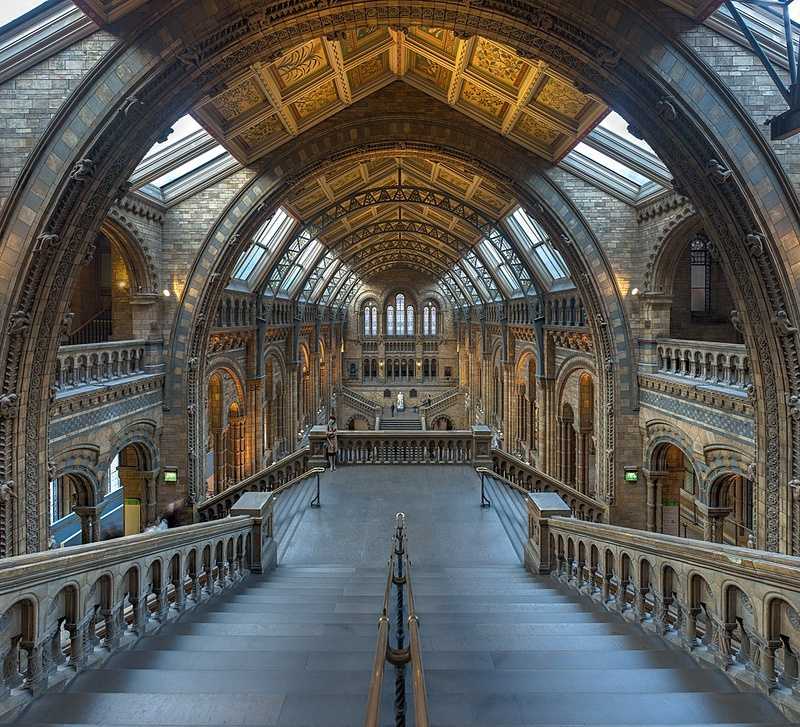
Museums that are genuinely worth your time
London museums can be an easy win: warm and dry on a rainy day, calm on a hectic day, and genuinely impressive even if you’re “not a museum person.” Many major museums are free to enter, which sounds simple, but in practice it can mean popular times fill up or special exhibitions sell out. Planning lightly helps.
VisitBritain highlights the Tate Modern on the Thames and mentions that it’s free to enter, which is a nice example of how London can give you something world-class without a ticket price attached. That’s a theme you can lean on throughout your trip.
How to pick the right museum (without overthinking it)
- For classic art: Choose one “old masters” style gallery day. Keep it short if that’s not your usual thing — it’s better to leave wanting more than to hit the point where every painting blurs together.
- For modern art: Tate Modern is a strong option, and it’s easy to combine with a river walk.
- For science/nature: South Kensington is basically a museum neighborhood, and it’s great if you’re traveling with kids or just want something hands-on.
And yes, there’s a slightly contradictory truth here: I love museum days, but I also think London can swallow entire afternoons inside a building when the city outside is the whole point. So I usually suggest a “museum + neighborhood” pairing rather than two big museums back-to-back.
Markets and neighborhoods (London’s best “unplanned” days)
Some of the best things to do in london don’t feel like attractions. They feel like wandering. Markets are especially good for this because they give you a natural rhythm: browse, snack, sit, repeat.
VisitBritain calls Borough Market “an institution” and notes its long history, which is exactly why it works so well as a London experience — it’s food, yes, but it’s also atmosphere and tradition.
Market day ideas that don’t require a strict schedule
- Borough Market + Southwark wander: Great for food and an easy Thames-side day.
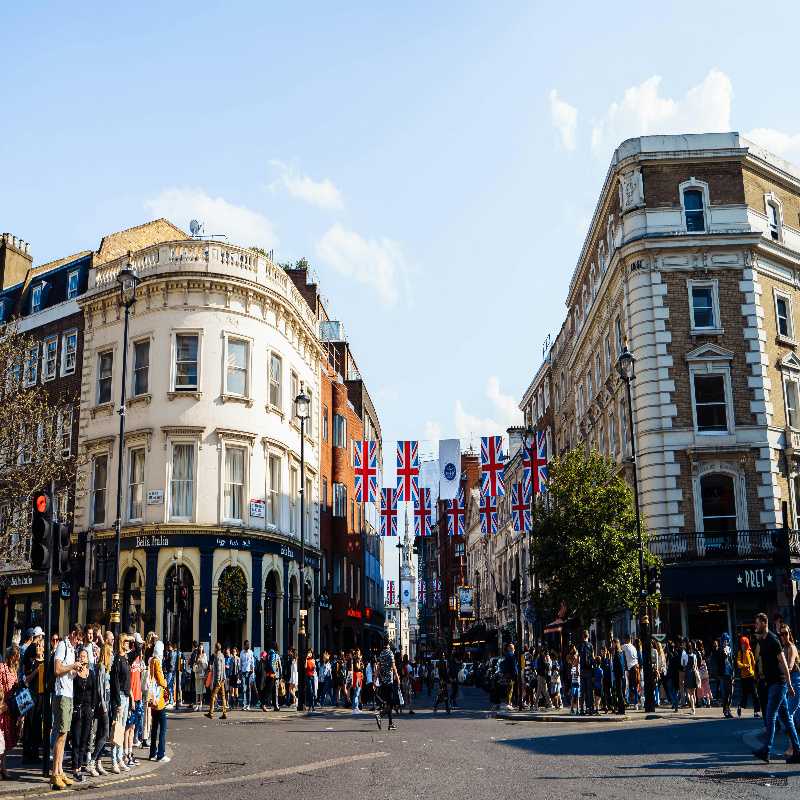
- Covent Garden area: If you like buskers, shops, and a lively central vibe, it’s an easy “in-between” stop.
- City of London contrasts: Glass-and-steel streets, old churches tucked in corners, and hidden-feeling lanes. It’s surprisingly photogenic.
If your taste leans more “unusual” than “iconic,” it’s worth browsing a dedicated list of unusual London ideas (Atlas Obscura has hundreds), but use it as inspiration rather than a checklist. The most obscure thing isn’t automatically the best thing.
When you’re ready for the weirder side of the city — the kind of day that makes you say, “This is why I came back to London” quirky things to do in London goes deeper, with more niche picks and who they actually suit.
Free and low-cost London (without feeling like you’re missing out)
Let’s talk about the budget part, because it matters. London can be pricey quickly: transport, meals, tickets, spontaneous coffee stops that turn into cake stops. But it’s also one of the best big cities in the world for free culture: museums, parks, neighborhoods, and even some skyline views.
One of the most useful “modern London” hacks is the rise of free viewing platforms — but the catch is that you often need to book ahead, and weather can change your whole experience. Horizon 22, for example, says visiting is free and that you book a ticket to secure your preferred time and date (with QR access). That’s great, but it also means you’ll want a backup plan if you don’t get the slot you want.
Free viewpoints: Sky Garden and Horizon 22
There’s something oddly satisfying about getting a top-tier view for free, especially after you’ve seen the price of some paid observation decks. Horizon 22 describes itself as a high viewing platform with 300-degree views and notes the lift ride is very quick — which is part of the appeal, honestly. You can pop up, take in the skyline, and still have energy for the rest of the day.
- Planning tip: Book ahead when you can, but keep a flexible “viewpoint window” in your itinerary rather than one fixed moment.
- Weather reality: If visibility is poor, the “view” part can be underwhelming — so pair the slot with something nearby you’d enjoy anyway.
If you want an even more detailed, step-by-step approach to doing London on a budget — including free museums, parks, and smart “paid only when it’s worth it” choices free things to do in London is built for that.
Quirky London experiences (when you want a story, not a photo)
Sometimes you don’t want another landmark. You want something you’ll talk about later. This is where “unique things to do in London” searches usually come from — people chasing a story they can’t get in every other city.
Hidden London tours: closed-off Tube stations and secret platforms
If you like behind-the-scenes history and engineering, this one is genuinely special. Golden Tours describes “Hidden Tube Station London Tours” with London Transport Museum expert guides and mentions access to disused stations and forgotten platforms, plus the kind of details you don’t get on a normal commute: wartime stories, time-capsule corridors, and original features.
They also list tour durations around 75–85 minutes for several experiences, which is a small but important detail: it’s substantial, but it won’t take your whole day. That makes it easier to pair with a market lunch or a museum afternoon.
- Who it’s for: History lovers, architecture fans, people who like the “how things work” side of a city.
- Booking note: These tend to be limited-capacity, so treat them like theatre tickets rather than a casual drop-in.
If you’re building a trip around unusual experiences quirky things to do in London is the natural next read
Day trips and “London plus one” planning
Not everyone wants day trips from London. Some people can happily spend a week in the city and still feel like they’ve barely started. But if you’re in London for more than a few days, or you just want a change of pace, a day trip can reset your brain in the best way.
Viator’s London day-trip category shows just how many options exist, which is both helpful and slightly overwhelming. It’s a reminder to pick day trips based on what you actually want: countryside, historic towns, dramatic scenery, or famous sites that are easier with transport handled for you.
When tours make sense (and when they don’t)
- Tours make sense if: You’re short on time, want transport handled, or want a guided narrative rather than DIY logistics.
- DIY makes sense if: You enjoy slow travel, want to linger, or you’re comfortable planning trains and timing.
If you want a shortlist that’s realistic day trips from London breaks it down into easy, high-reward choices.
Practical London tips that quietly improve the whole trip
This section is deliberately not glamorous. It’s just… useful. And I think usefulness is what makes a guide feel trustworthy.
- Book the few things that truly need it: Popular free viewpoints, special exhibitions, limited-capacity tours.
- Group your days geographically: London is huge. Even “not that far” can become a 40-minute journey once you’re down in the Tube.
- Leave breathing room: Markets, parks, and neighborhoods work best when you’re not racing through them.
- Expect weather mood swings: A rainy morning can turn into a sunny afternoon. Plan flexible indoor/outdoor swaps.
Also, a small personal opinion: it’s worth doing at least one “London evening” properly. That could mean theatre, a night walk along the river, or a viewpoint slot timed for the city lights. You’ll remember that feeling more than the tenth museum room.
Suggested mini-itineraries (so you can stop scrolling)
These are not perfect. They’re meant to be workable. Swap freely.
1 day in London (first-timer energy, no panic)
- Morning: Westminster + Thames walk
- Afternoon: One major museum or historic site
- Evening: Viewpoint (try a free one) or theatre
2 days in London (classic + character)
- Day 1: Landmarks + river + a viewpoint
- Day 2: Museum neighborhood + market lunch + a quirky experience (like a Hidden London tour)
3 days in London (add a “London plus one”)
- Day 1: Central classics
- Day 2: Neighborhood/market day + museum
- Day 3: Day trip (tour or DIY)
If your budget is a primary concern, you can plug in ideas from free things to do in London to reduce ticket costs while still keeping the days full and interesting.
Conclusion: building your own London “best of”
The honest truth is that no list of things to do in london will be perfect for everyone. London is too big, and people travel too differently. But if you pick a few iconic anchors, mix in markets and neighborhoods, and add one “story” experience (something quirky, behind-the-scenes, or just unexpectedly beautiful), you’ll end up with a trip that feels like yours — not copied from a generic checklist.
And if you’re still deciding where to start, here’s a gentle nudge: lock in one viewpoint booking (free if possible), choose one museum you’re genuinely curious about, and then let the rest breathe a little. London usually meets you halfway.