Things to do in Orlando: A Real-World Guide

If you search for things to do in orlando, you’ll get a thousand lists that sort of blur together after a while. I get it. Orlando is famous for theme parks, but the city (and the wider area around it) is also full of smaller, surprisingly memorable days—gardens, lakes, springs, neighborhoods with good food, and a few oddball experiences that you’ll still be talking about on the flight home.
This guide is meant to feel usable. Not perfect, not “do-it-all,” and honestly not designed for someone who wants to sprint through 28 attractions in 48 hours. It’s for travelers who want to build a trip that feels like a trip. A mix of big moments and easy ones. A little downtime. And a few choices that match your energy level, budget, and the weather (because Florida weather has opinions).
One quick note before we dive in: I’m going to mention theme parks, because they’re part of Orlando’s reality, but I’ll also point you toward non-park days that are genuinely worth your time. If you’re actively avoiding parks, you’ll probably want to jump into my more focused guide on things to do in Orlando besides theme parks and then come back here when you want to round out the rest of your plan.
Things to do in orlando for first-timers (and repeat visits)
Orlando can feel like a bunch of different places stitched together: resort corridors, downtown pockets, quiet residential areas, and then—suddenly—swamps, springs, and wildlife. The trick is to stop thinking in terms of “attractions” and start thinking in terms of days. A morning vibe. An afternoon plan. A simple evening.
Things to do in orlando by vibe (not by hype)
If you want classic Orlando energy: Spend a day at one of the major theme park resorts (Disney or Universal), then plan a softer day right after. The parks are fun, but they can be a lot—heat, walking, lines, sensory overload. Some people thrive on that; some people quietly regret overbooking themselves by day two.
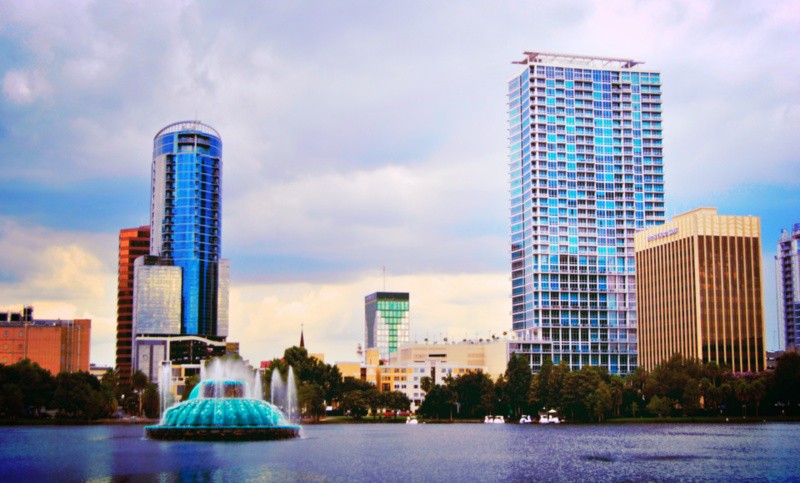
If you want “city” Orlando: Base yourself around downtown for a morning. Walk Lake Eola. Grab coffee. Pop into a museum. Then head to a neighborhood like Winter Park for lunch and a calmer afternoon. It’s not New York or Chicago—obviously—but it’s more pleasant than people expect, and that surprise counts for something.
If you want nature (the Florida version): Plan for water. Springs, kayaking, boardwalks, airboat rides in the right place. You’ll still be warm, probably, but it’s a different kind of warm than standing in a parking lot queue. This is also where Orlando starts feeling less like a brand and more like a landscape.
If you want a low-planning day: Choose one “anchor” activity and then keep the rest flexible: a good meal, a walk, maybe a show. A lot of Orlando is built for tourists, which can be annoying, but it also means you can have a decent day without micromanaging every hour.
Orlando beyond the parks (what surprised me a bit)
I’ll be honest: the first time I visited, I expected the parks and… not much else. But Orlando has pockets of real charm, especially when you give yourself permission to leave the resort corridor.
- Lake Eola Park (downtown): An easy win—walking paths, swans, skyline views, and the kind of “we’re just going to stroll for a bit” energy that can save a trip from feeling overly scheduled.
- Harry P. Leu Gardens: A quiet, green reset button. If you need a slower morning (or you’re traveling with someone who’s over the crowds), this is the type of place that makes you breathe differently.
- Winter Park: Shops, cafés, museums, and a calmer pace. It’s one of the simplest ways to see a side of the area that doesn’t feel like it was designed by committee.
- International Drive (I-Drive): Tourist-central, yes. But it’s also convenient and packed with bite-sized experiences—especially if you’re traveling with a mixed group where not everyone wants the same thing.
If you’re building a trip that’s intentionally “park-light,” I’d still recommend reading that dedicated again, here it is: things to do in Orlando besides theme parks. This guide covers everything broadly; the goes deeper on the non-park side with more focused picks.

The big-name highlights (yes, theme parks)
Let’s not pretend the parks aren’t a major reason people come. If you’re going to do them, do them in a way that feels sane. That might mean one park day. It might mean two. It might mean you’re a roller-coaster person and you’re thrilled to do four straight days. I can’t judge that. I mean, I can a little. But kindly.
- Walt Disney World: Four main parks plus water parks and resorts. The scale is hard to explain until you’re there. If you’ve never been, plan at least one full day and accept you won’t “finish” it.
- Universal Orlando: High-energy rides and immersive areas (especially if you’re into movies and big set pieces). It can be a better fit than Disney for adults who want thrills and don’t care as much about nostalgia.
- SeaWorld Orlando: A mix of animal experiences and serious coasters. It’s a different feel than the “two giants,” and sometimes that’s exactly why people like it.
Practical tip: if you’re doing park days, schedule a non-park day between them. I know that sounds obvious. People still don’t do it. And then they get cranky by day three and blame Orlando.
Nature and outdoor days (the “I needed this” category)
Outdoor Orlando isn’t always intuitive from the hotel strip. But once you look a little wider, it becomes one of the best parts of the area—especially if you’re visiting when the parks feel crowded or you just want something less engineered.
Springs, paddling, and wildlife (done thoughtfully)
Central Florida springs are the headline here. The water is clear, the temperature is steady, and it’s the kind of experience that feels almost unreal if you’re coming from somewhere landlocked. A spring day can also be a budget-friendly reset compared with full-price park tickets.
- Go kayaking or paddleboarding: Look for guided paddles if you want the “best chance” at seeing wildlife without guessing where to go. If you’re new to paddling, a guide also reduces the mental load, which—on vacation—matters more than we admit.
- Plan a spring day: Aim for an earlier start. Springs can hit capacity, and the best part of the day is often before midday heat settles in.
- Consider an airboat ride (selectively): If you do this, pick a well-reviewed operator that emphasizes safety and respect for wildlife. Airboats are loud and not everyone loves them, but some travelers find it genuinely unforgettable.
If you’re traveling with kids (or with adults who behave like kids in the best way), you may want the family-optimized version of these ideas. I put the more “what actually works with children” recommendations here: things to do in Orlando with kids.
Parks and green spaces inside the city
Not every outdoor day needs to be a whole expedition. Sometimes you just want shade, a walk, a place to sit without buying a ticket. Orlando has enough of these to build a calm afternoon when you need one.
- Lake Eola Park: Easy, central, and oddly restorative for a place surrounded by traffic.
- Leu Gardens: A slower pace, pretty paths, and a nice “we’re doing something” feeling without the intensity.
Culture, museums, and rainy-day backups
It rains in Orlando. Sometimes it rains in a dramatic way, like the sky is emptying a bathtub. If you’re traveling in a stormy season, having a few indoor options pre-selected is just smart. Not exciting, maybe, but smart.
- Orlando Science Center: Hands-on exhibits that work for families and curious adults. It’s one of the better “we need an indoor plan now” options.
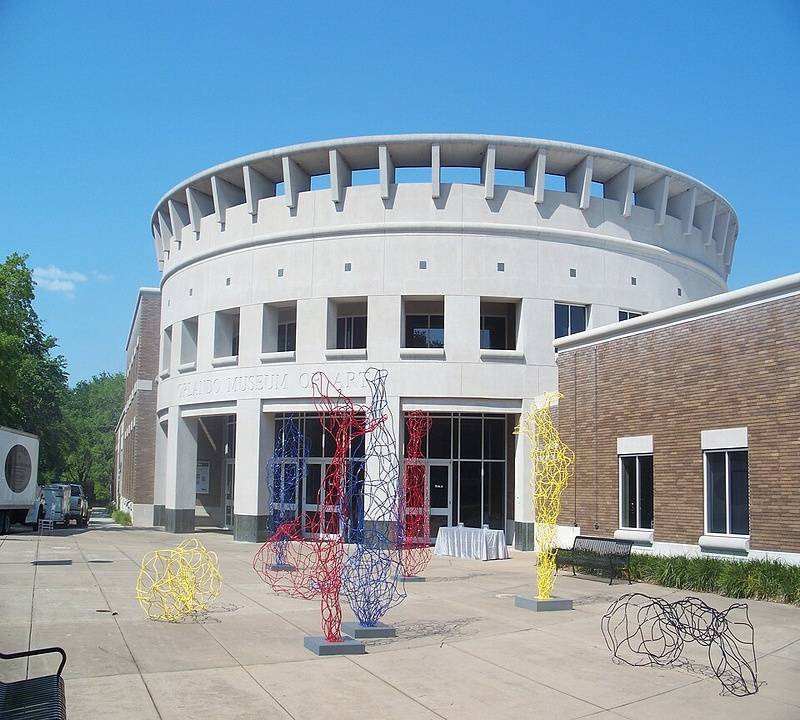
- Orlando Museum of Art: A calmer, more traditional museum stop when you want something quieter than crowds and roller coasters.
- Specialty exhibits on International Drive: I-Drive is full of bite-sized indoor attractions. Some are skippable, some are fun in a “we’re leaning into the touristiness” way.
A small honesty note: not every museum day will be the best day of your trip. But it can be the day that saves the trip when the weather flips, someone’s tired, or you realize you’ve been in the sun for too many hours in a row.
Food, neighborhoods, and “wandering time”
Orlando food can be better than people expect. It’s also spread out, which is part of the challenge. You might have one incredible meal and one perfectly fine one in the same day, and that’s… kind of the Orlando experience.
Where to spend a relaxed afternoon
- Winter Park: A good place to slow down. Browse, have lunch, stop into a museum, then keep walking until you accidentally find a patio that looks like the right choice.
- Downtown Orlando: Best when you treat it like a short “window” of time—morning walk, lunch, maybe a drink, then move on.
- Disney Springs / Universal CityWalk: Not exactly local, but convenient, lively, and easy for mixed groups who can’t agree on one plan. If you’re already near the parks, these are comfortable options.
If you’re the type who likes to build trips around food (I am, at least sometimes), consider anchoring one evening in a neighborhood rather than a resort complex. It’s not that the resort areas are bad. It’s more that they can start to feel same-ish if every night looks identical.

Nighttime in Orlando (without forcing it)
Orlando nights can be surprisingly fun, especially if you don’t overthink them. Pick one evening that’s “go out” energy, and keep another evening intentionally quiet. That little contrast makes the trip feel more balanced.
- Downtown bars and live music: There are pockets where you can bar-hop without too much effort. If you want dancing, you’ll find it. If you want a calmer cocktail, you’ll find that too.
- Shows and entertainment districts: The tourist corridors are built for easy nights out—big venues, lots of reservations, predictable logistics.
- A guided night tour: Ghost tours and history walks can be a fun way to do something “nighttime” that isn’t just drinking. Not everyone’s thing, but that’s okay.
Day trips from Orlando (when you want a different scene)
Orlando is a solid base for day trips. The temptation is to do too many. I think one day trip in a week-long trip is perfect, and two is the max before it starts feeling like you’re constantly packing the car.
If you want the deeper, more specific version—with options based on drive time, energy level, and what’s actually worth the effort—I put it here: best day trips from Orlando.
Easy, high-reward day trip ideas
- Kennedy Space Center : A full-day commitment, but it’s genuinely iconic. If you’re even mildly interested in space, it’s hard to regret.
- Springs and state parks: Some of the best “Florida” experiences are outside the city. Plan an early start, bring water, and keep the day simple.
- Winter Garden: A smaller-town feel, good for a slow afternoon, and a nice palate cleanser after high-intensity attractions.
How to plan your trip without overplanning it
This is the part people skip, then they end up frustrated with traffic, timing, or just the sheer amount of decision-making. Orlando can be effortless, but only if you set it up that way.
Pick anchors, then add “soft plans”
Try this approach:
- Choose 1 anchor per day: A park day, a springs day, a museum day, a day trip. One main thing.
- Add 1 supporting plan: Lunch in a specific neighborhood, a sunset walk, a show.
- Leave the rest open: Because you will be tired at least one day, and because Florida weather will do what it wants.
Transportation: car, rideshares, and transit (what’s realistic)
Most visitors rent a car. It’s often the easiest way to connect the spread-out parts of the region. But you can still have a good trip without driving every day.
- Rideshares: Great for evenings and one-off trips where parking feels annoying.
- SunRail: A commuter rail option that runs through the region and connects communities across the Orlando area. It’s useful in specific scenarios (especially if your plans line up with stations and weekday service).
- LYNX buses: They cover a wide area, but for tourists they’re best when you’re cost-sensitive and patient with longer travel times.
I’ll say it this way: if you’re trying to maximize time, you’ll probably rely on a car or rideshares. If you’re trying to minimize costs, transit can help, but you’ll want to plan your days around it instead of fighting it.
Mini-itineraries you can actually follow
These are meant to be flexible. Swap pieces around. Take longer lunches. Leave early if you’re done. I think that’s the point.
One-day Orlando sampler (no burnout)
- Morning: Lake Eola walk + coffee.
- Midday: Museum or Science Center (especially if it’s hot or rainy).
- Afternoon: Winter Park for a slower pace and an easy meal.
- Evening: Choose one: downtown drinks, a show, or a low-key dinner near where you’re staying.
Two-day mix (one big day, one calm day)
- Day 1: Theme park day (Disney or Universal), then a simple dinner and early night.
- Day 2: Gardens + neighborhood wandering + an indoor attraction if weather demands it.
Three-day plan (parks + “real Florida”)
- Day 1: Theme park day.
- Day 2: Springs / kayaking day (early start, slow afternoon).
- Day 3: Downtown + museums + a flexible evening.
Five-day plan (add one day trip)
- Day 1: Theme park day.
- Day 2: Non-park Orlando (use the “besides theme parks” guide for specifics).
- Day 3: Springs / nature day.
- Day 4: Day trip (space coast or another nearby region).
- Day 5: Flexible “whatever you loved most” day—repeat a neighborhood, do a second park, or keep it simple.
FAQs (the questions people ask once they start planning)
Is Orlando worth visiting if you’re not doing theme parks?
Yes. You just need to plan differently. You’ll focus more on neighborhoods, nature, and a couple of standout attractions instead of trying to replicate a park-style itinerary.
How many days do you need in Orlando?
If you want a taste of the city beyond the parks, three days is a comfortable minimum. Five days gives you enough breathing room to add a day trip and still not feel rushed.
What’s the best time of year to visit?
It depends on what you hate more: crowds or heat. Shoulder seasons can feel easier, but even then, Orlando can surprise you. If you’re visiting in peak heat, plan earlier mornings and midday indoor breaks.
Conclusion: building a trip that feels like yours
At the end of the day, the best things to do in orlando are the ones that match your pace. Pick a couple of “big” moments, give yourself at least one calm day, and don’t be afraid to repeat what you enjoyed instead of chasing a checklist. Orlando rewards that kind of planning—practical, a little flexible, and not trying to prove anything.