Top Tourist Attractions in Italy (for first-timers)

How to choose top tourist attractions in Italy
Italy rewards curiosity, but it punishes over-planning. That’s not a moral judgment, it’s just logistics: distances, crowds, and the fact that the “must-sees” are concentrated in a few places. A first-timer mistake (and honestly, I still do this sometimes) is to treat Italy like a checklist—one night here, one night there—until the trip becomes a blur of train platforms and late dinners you’re too tired to taste.
A more realistic approach is to choose two or three bases and do day trips when you have the energy. It sounds less ambitious. In practice, it feels more Italian: slower mornings, long lunches, and the freedom to wander without a clock nagging in the background.
A realistic way to see top tourist attractions in Italy
If this is your first trip, consider these gentle “rules.” They’re not strict, and you can break them, but they tend to save people from the worst itinerary regrets.
- Stay longer in fewer places: Aim for 3–4 nights in major cities (Rome, Florence) and 2–3 nights in smaller bases (Venice, Sorrento, La Spezia).
- Mix heavy and light days: Pair a big museum day with a neighborhood day. You’ll remember both more clearly.
- Book the big-ticket sights early: Especially in peak season. Timed entry can turn a stressful day into a smooth one.
- Decide your “one splurge”: A guided tour, a special hotel, or a food experience. It helps the trip feel personal.
If you already feel the urge to plan a full route (I get it), the guide top tourist attractions in Italy 10-day itinerary
is designed for exactly that: a classic first-timer loop that stays realistic about travel time and energy.
The icons that live up to the hype
Some places are famous because they’re genuinely extraordinary. Others are famous because they’re famous, and the experience depends on timing, mood, and crowd size. The attractions below fall mostly into the first category—though yes, you’ll still want a strategy.
Rome: ancient power, right in the open
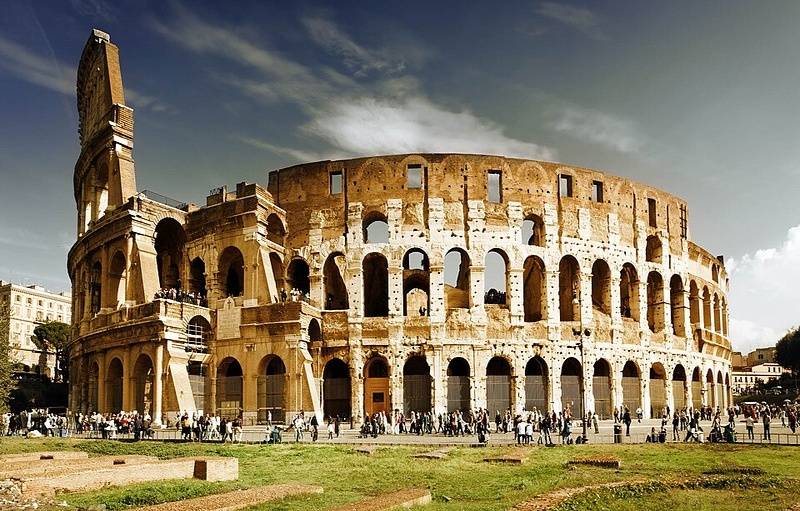
Rome can feel overwhelming at first. There’s traffic, scooters, and ruins appearing in the most casual way—like the city forgot to put them in a museum. Start with the big three in the ancient core: the Colosseum, the Roman Forum, and the Palatine Hill. Even if you think you’re “not a history person,” it’s hard not to feel something when you’re standing in a place that shaped so much of Europe’s story.
Practical note (and this matters): the Colosseum has timed entry, and tickets should be bought through official channels when possible. If you want a no-drama approach, use the guide top tourist attractions in Italy Rome Vatican for a simple plan that includes timing and ticketing.
Outside the “ancient” zone, Rome’s smaller classics are worth treating like a slow walk rather than a race: a fountain moment, a church doorway, a sudden view down a sunlit street. Rome is not just monuments—it’s atmosphere. And maybe that’s a cliché, but it’s also… true.
Vatican City: art, awe, and a bit of patience
The Vatican Museums and the Sistine Chapel are a lot: visually, emotionally, physically. It’s one of those visits where you might leave slightly exhausted and still feel glad you went. St. Peter’s Basilica, on the other hand, often lands in a quieter way—grand, yes, but also unexpectedly calming if you catch it at the right time of day.
A small warning that sounds obvious but saves trips: don’t schedule the Vatican and the Colosseum on the same day unless you’re very sure you thrive on big, intense sightseeing days. Many people can do it. Many people also end up not enjoying either as much as they expected.
Florence: Renaissance beauty in a walkable city
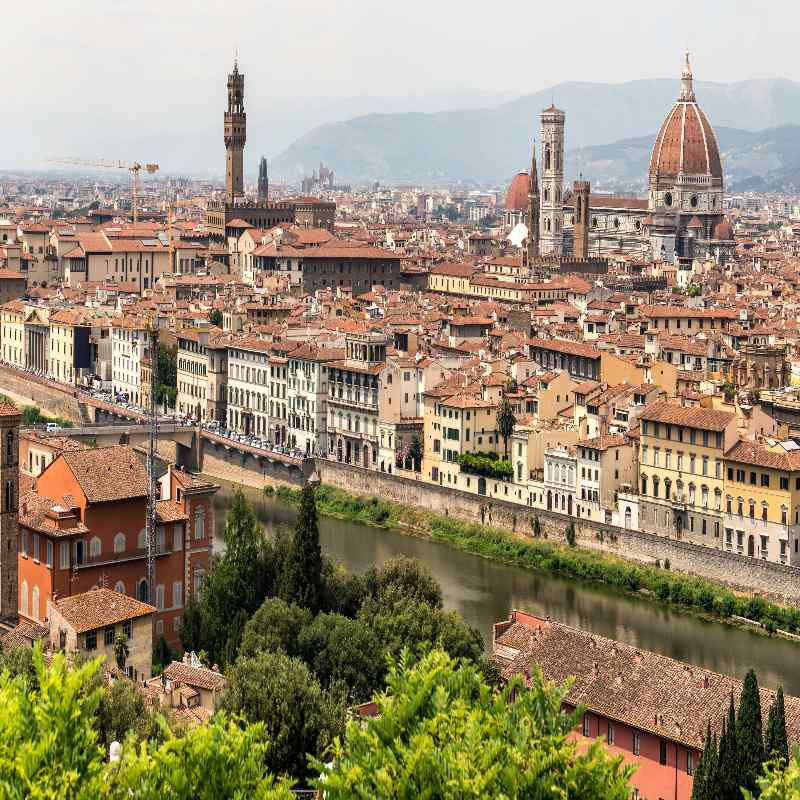
Florence is compact, elegant, and art-dense. It’s also one of the easiest major Italian cities to “get right” on a first trip because you can walk almost everywhere. The Duomo complex (Cathedral of Santa Maria del Fiore and the surrounding monuments) is the visual anchor, and it’s worth seeing early in the morning when the city feels quieter.
If climbing Brunelleschi’s Dome is on your list, pay attention to official ticket guidance: Opera di Santa Maria del Fiore notes that tickets to access the monuments they manage are exclusively available on their official website, and that resale by unauthorized third parties is prohibited and may lead to denied entry. That sounds strict because it is strict—and it’s also the kind of detail that prevents a painful “we bought the wrong thing” moment.
(If you’ve ever stood in a European city staring at an email confirmation you suddenly don’t trust, you know what I mean.)
For art, the Uffizi Galleries are the headline. The collection is famous for a reason, but the experience depends heavily on timing and reservation. The Uffizi’s official site provides ticket information and points visitors to the official ticketing channel.before you go so you’re not improvising in a long line at midday.
Venice: the canal city that feels unreal (because it is)
Venice is, frankly, a little strange—and that’s the charm. It’s not just canals; it’s the absence of cars, the sound of footsteps, the way a wrong turn becomes a small adventure instead of a problem. The “classic” scene is around St. Mark’s Square, but Venice becomes more enjoyable when you give yourself permission to drift away from the center.
A gondola ride is optional, and opinions vary. Some people consider it essential; others find it too staged. Both reactions make sense. A vaporetto ride on the Grand Canal can be a more relaxed (and often more scenic) way to take in the city without feeling like you’re performing Venice for the camera.
Italy’s most unforgettable landscapes
Here’s where choices start to matter. Italy isn’t just “cities + museums.” The coastlines and mountains can completely change the tone of your trip—sometimes in the best way. If Rome and Florence feel like concentrated culture, these places feel like breathing out.
Amalfi Coast: dramatic beauty, real-world crowds
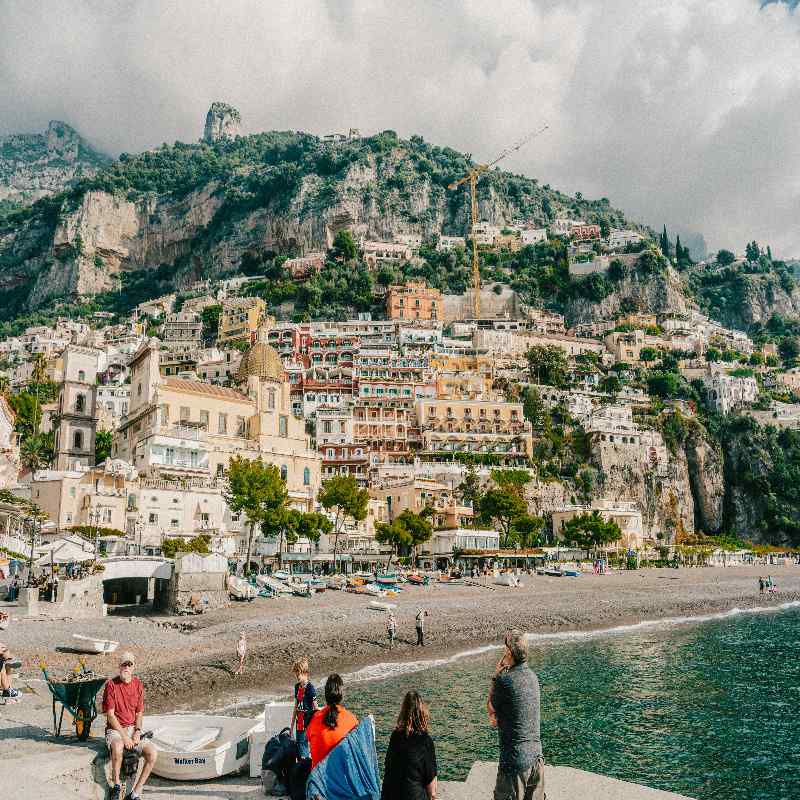
The Amalfi Coast is spectacular. It’s also popular, and yes, traffic can be a factor. The trick is to treat it like a scenic region rather than a box to tick in a day. Consider staying in (or near) a base that lets you move around without constantly dragging luggage—Sorrento is a common choice, though there are many.
If you’re drawn to the Amalfi Coast, it’s usually because you want a specific feeling: sea views, terrace dinners, and that sense of “how is this place even real?” If that’s your priority, make room for slower time. It’s not the place to be frantically checking train schedules.
Cinque Terre: five villages, cliffs, and footpaths
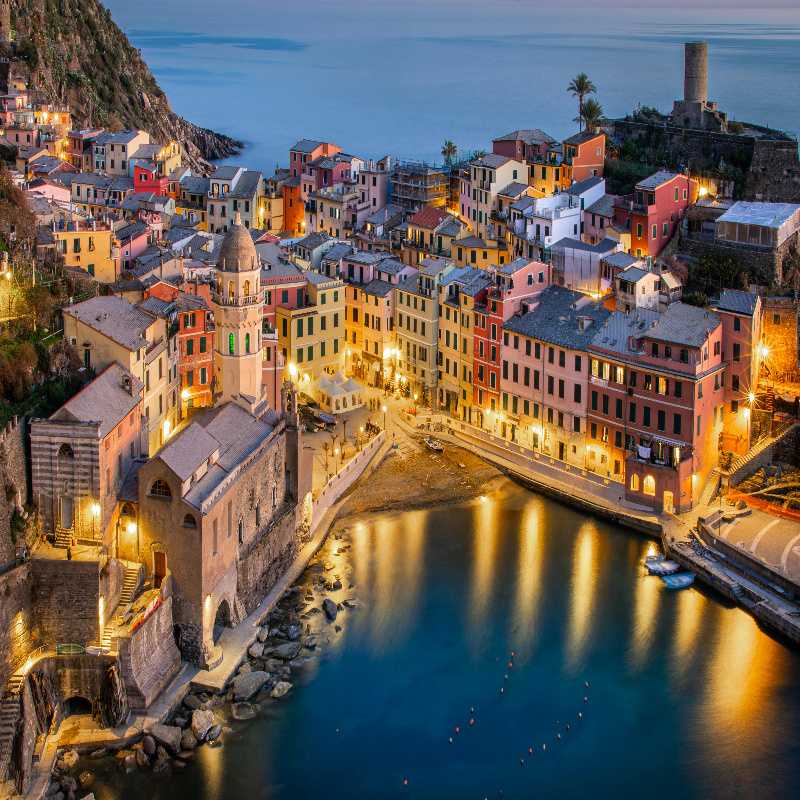
Cinque Terre is one of those places where photos don’t lie. The villages perched above the sea are genuinely beautiful, and the walking paths between them can be a highlight if you’re up for it. It’s also a place where the best experience often comes from small decisions: go early, stay a night if you can, and don’t try to “do it” between two bigger cities as a rushed detour.
If hiking is part of your plan, remember that the area is a protected landscape. Cinque Terre National Park was established in 1999 to protect the territory’s scenic and cultural value, which is part of why it remains so special.
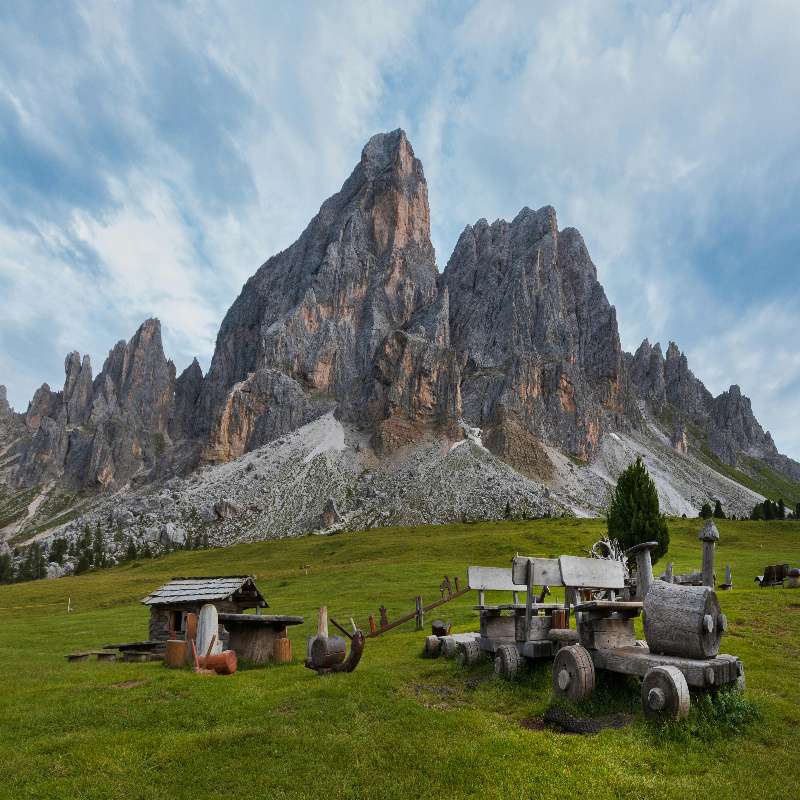
The Dolomites: Italy’s mountain masterpiece
The Dolomites feel like another country. Jagged peaks, meadow trails, and views that make you stop mid-sentence. If you enjoy hiking, cable cars, or just waking up somewhere that looks like a painting, this is one of the best additions you can make—especially in summer and early fall.
If you’re torn between the Dolomites, Lake Como, and the Amalfi Coast (it happens a lot), the guide top tourist attractions in Italy scenic add-ons helps you choose based on season, travel style, and how much moving around you want to tolerate.
More “top” attractions that depend on your taste
This is the part most listicles skip past too quickly. After you’ve locked in the big three cities (or two, or even one), the next decisions should reflect what you actually like. Not what you feel you’re “supposed” to like.
If you love art and architecture
- Florence beyond the basics: Plan time for smaller museums and artisan neighborhoods once you’ve done the Duomo and Uffizi.
- Milan for design: Milan is often framed as “business,” but it can be an energizing stop if you like modern culture, fashion, and contemporary city life.
- Rome’s churches: Even a casual pop-in can become a highlight—no museum ticket required.
If you’re chasing food and everyday Italy
Italy’s food reputation is deserved, but the best meals often happen when you stop trying so hard. A neighborhood trattoria, a market lunch, a pastry and coffee standing at the counter—these don’t always show up on “top attractions” lists, but they’re the moments people talk about afterward.
Tuscany is the obvious pick for wine country, but food experiences are regional everywhere. The nice surprise is that you don’t need to “save” money for the best food. You need to pay attention, ask locals politely, and maybe eat a little earlier or later than the busiest hours.
If you want beaches and island energy
Italy’s islands can be a whole trip on their own, and sometimes they should be. Sicily and Sardinia are the big names, and they reward time. If your trip is short, it might be better to stay on the mainland and plan an islands-focused return later rather than squeeze too much into one itinerary.
Sample itineraries that don’t feel like punishment
Itineraries are weirdly emotional. They look tidy on paper, and then real life shows up—late trains, sudden rain, a museum you didn’t realize was closed, or just the simple fact that you fell in love with a neighborhood and want to stay longer. So think of these as frameworks, not commandments.
7 days: Rome + Florence + Venice (the classic triangle)
- Days 1–3: Rome (ancient core + one slower neighborhood day).
- Days 4–5: Florence (Duomo area, Uffizi, and an unplanned wander).
- Days 6–7: Venice (St. Mark’s, Grand Canal, and time to get lost on purpose).
This is the “best of Italy” starter route for a reason: it’s rail-friendly and hits the country’s most famous cultural centers without requiring a car. Still, even here, it can feel rushed if you try to add too many day trips.
10 days: add one scenic break (Cinque Terre or Tuscany)
If you have 10 days, the smartest upgrade is to add one scenic region instead of adding more cities. Cinque Terre fits well between Florence and Venice with the right base, and Tuscany can be done as day trips from Florence or as a short countryside stay.
The detailed version (with train logic and where to slow down) is in top tourist attractions in Italy 10-day itinerary.
It’s written for people who want structure, but still want breathing room.
14 days: choose your “big extra” (Amalfi or Dolomites)
With two weeks, you can keep the classics and add a major landscape—either the Amalfi Coast for Mediterranean drama or the Dolomites for mountain scale. Both are excellent. The choice depends on season and what kind of “rest” feels like rest to you.
If you’re not sure, the decision guide in top tourist attractions in Italy scenic add-ons walks through it in a practical way—weather, travel time, and what each region actually feels like day-to-day.
Ticketing and planning notes (the unglamorous stuff)
It’s tempting to ignore logistics because they feel like homework. But a little planning is the difference between “Italy is crowded” and “Italy is crowded, but my day still worked.”
- Use official ticket sources when you can: For major sights, official sites often warn against unauthorized resellers. For example, Opera del Duomo in Florence explicitly notes that tickets for the monuments they manage are exclusively available on their official website.
- Know where the “pain points” are: The Uffizi’s official site shares how to access ticket information and the official ticketing channel, which is worth checking before you arrive.
- Don’t schedule every hour: Italy is at its best when you’re not constantly checking the time. Leave space for mistakes. They often turn into stories.
One more thought, slightly contradictory but still true: planning matters, but so does flexibility. Build a strong spine for the trip—your bases, your must-sees—and let the smaller moments happen around it.
Conclusion: turning a list into a trip
The real secret behind “seeing” the top tourist attractions in Italy is that you don’t actually need to see everything. You need to see a few things deeply, at a human pace, with enough room for surprise. Start with the icons—Rome, the Vatican, Florence, Venice—then choose one landscape that matches your mood: cliffs, coast, villages, or mountains.
And if you want the next step to feel easy (not overwhelming), use the supporting guides woven through this article: the practical Rome and Vatican plan,the structured 10-day itinerary,and the choose-your-own-adventure scenic add-ons guide.They’re meant to help you travel confidently—without sanding off the spontaneity that makes Italy feel alive.