Viltnemnda in Norway: A Complete Guide

Viltnemnda is the local wildlife committee in Norwegian municipalities, and it quietly shapes how encounters with wild animals are handled – from road accidents to hunting and damage to farmland. It can feel a bit abstract at first, but once you see how viltnemnda fits into everyday situations for drivers, landowners and hunters, the system starts to make sense.
What is viltnemnda?
In simple terms, viltnemnda is the municipal body that looks after local wildlife management. It works under national wildlife laws but deals with very practical questions: how to respond when someone hits a deer, how many moose can be hunted in a given area, and what to do when wildlife causes repeated damage to crops or property.
The role of viltnemnda in your municipality
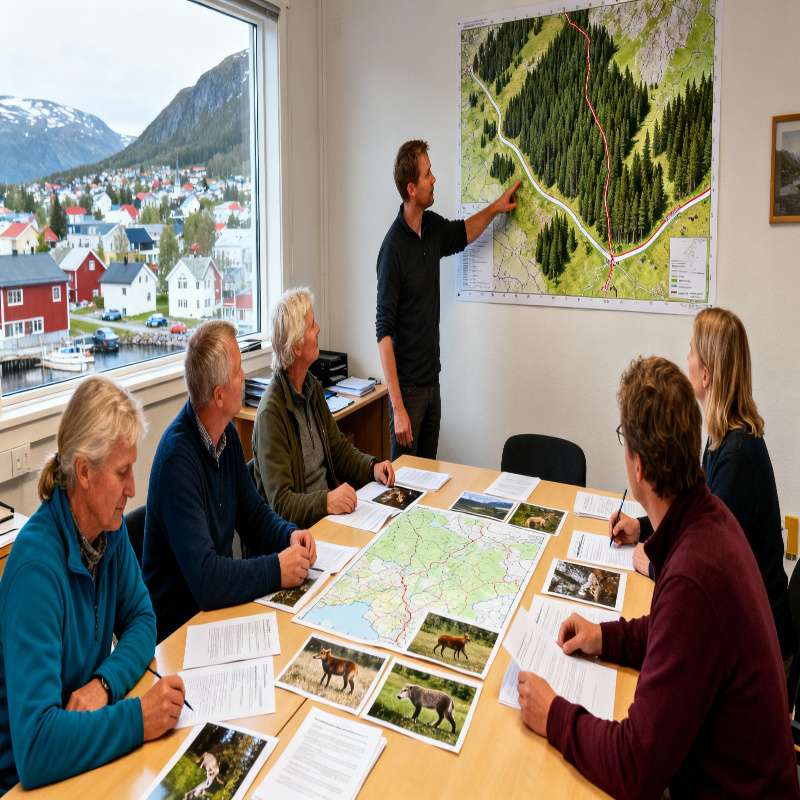
The exact setup can vary from municipality to municipality, but the core idea is the same: viltnemnda is a small group, often with people who know hunting, local nature and law, making decisions and giving advice on wildlife issues. In some places it has a very visible role; in others it works mostly in the background, coordinating with the administration, the police and dedicated tracking teams.
Legal basis and national wildlife laws
Behind viltnemnda there is a framework of national wildlife and hunting legislation that defines what municipalities must do and what they are allowed to decide locally. You do not need to memorise law names to benefit from viltnemnda, but it helps to know that its decisions are not random; they follow clear rules about animal welfare, sustainable populations and public safety.
How viltnemnda, police and tracking teams work together
When something happens – a collision with a moose, for example – it is rarely just one actor involved. The police may take the first call, a tracking team is sent out to search for injured animals, and viltnemnda oversees the system, making sure the right procedures are followed and that incidents are logged and followed up over time.
Viltnemnda and wildlife–vehicle collisions
If you drive in Norway, the most likely way you will ever “meet” viltnemnda is through a collision with a wild animal, or a near miss that still leaves you shaken. Understanding what to do in that moment is not only a legal duty; it can reduce suffering for the animal and improve safety for other drivers as well.
What to do if you hit a wild animal
The basic steps are simple enough, but it is worth going through them slowly. First, stop safely and put on your hazard lights. Check that you and any passengers are unhurt. Then, if the animal is on the road or nearby, remember that it can still be dangerous and unpredictable. You should notify the authorities, even if the animal has run off, and give as precise a location as you can. In a separate, detailed article about what to do after a wildlife collision, you can break this into a clear checklist with examples of real situations drivers face at night or in poor weather.
Why you should not track injured big game yourself
It can be tempting to follow an injured deer or moose into the forest, especially if you feel responsible or guilty. In practice, that is not a good idea. Wounded big game can be dangerous, and you may unintentionally make the tracking job harder for the trained team that is on its way.
How viltnemnda and tracking teams handle injured wildlife
Once an incident is reported, the system wakes up: a trained tracking team is alerted, often with a dog and handler who specialise in following injured game. Viltnemnda keeps an overview of these teams, the reports and the patterns that emerge over time, for example if there is a stretch of road where collisions happen again and again.
Hunting, permits and communication with viltnemnda
For hunters, viltnemnda is part of the annual rhythm. It is involved in setting quotas, approving plans and making sure that hunting is carried out in a way that balances tradition, meat on the table and the long‑term health of wildlife populations.
Hunting quotas, permits and reporting made simple
In your municipality, hunting areas or teams will usually need approved plans and quotas that are either decided by or coordinated with viltnemnda. After the hunt, there is often reporting to be done, and this information feeds back into future decisions. It can sound bureaucratic, but once you have been through a season or two, the pattern becomes familiar.To really unpack this from a hunter’s point of view, you can create a dedicated guide on hunting and viltnemnda, focusing on quotas, communication and how to deal with injured game during the hunting season.
Handling injured game during hunting season
Even with experienced hunters, things do not always go perfectly. An animal may be hit badly and escape. In those moments, there are local rules about how to involve tracking teams and how viltnemnda wants such incidents handled. Clear routines help avoid misunderstandings and make sure animals do not suffer unnecessarily.
Cooperation with landowners and hunting teams
Because hunting often happens on private land, there is a constant dialogue between landowners, hunting teams and viltnemnda. That dialogue can cover everything from which parts of a property can be hunted, to how to prevent damage to fields or young forest. When it works well, everyone feels heard and the decisions are easier to accept.

Wildlife damage, problem animals and compensation
For farmers and other landowners, wildlife can sometimes move from being a pleasure to a problem. Repeated grazing on crops, damage to fences or trees, or animals that keep returning close to buildings all create stress and extra costs.
When wildlife becomes a problem for landowners
Most people accept some level of damage as part of living close to nature, but there is a point where it becomes too much. At that stage, it is reasonable to contact the municipality and, often, viltnemnda to discuss what can be done. Sometimes the answer is better fencing or other preventive steps; sometimes more direct measures are considered.

Damage felling, prevention and support schemes
In some situations, there may be a discussion about targeted removal of specific animals that cause repeated damage. This is a serious step and is normally handled under strict rules. At the same time, there may be support schemes or advice available for preventive measures, which can be a quieter but more sustainable solution. A separate article on wildlife damage and viltnemnda can walk landowners and farmers through examples, preventive ideas and how to prepare before contacting the municipality.
How to contact viltnemnda in your municipality
The formal contact route is almost always through the municipality, often via a dedicated page on its website or a common switchboard number. In some places there are also direct emergency numbers for reporting injured wildlife. Because the details differ, it helps to look up your own municipality’s information before an incident happens, so you are not searching while stressed.
Frequently asked questions about viltnemnda
Who do I call if I hit a deer or moose?
In practice, the safest option is to call the emergency services so they can alert the correct local actors. They will make sure that any tracking team and viltnemnda are involved in the right way, instead of you trying to coordinate everything yourself at the roadside.
Do I have to pay if viltnemnda sends out a tracking team?
Rules and practices can differ, and this is one of those questions where it pays to check locally. In many cases, the priority is to ensure safety and animal welfare first, and any discussion of cost or responsibility comes after that.
Is viltnemnda only relevant for hunters?
Not at all. Hunters interact with viltnemnda regularly, but drivers, hikers, cabin owners and farmers are all affected by its decisions. It is one of those institutions that stays in the background until something goes wrong – and then suddenly it matters a lot.
Bringing viltnemnda into focus
Viltnemnda might sound like a dry municipal committee at first glance, but it touches moments that are anything but abstract: a late‑night collision on a forest road, the first hunt of the season, a farmer worrying about a field eaten down yet again. Understanding how viltnemnda works, who does what and how you can contribute makes those situations a little less confusing.
If you want to go deeper after this overall introduction to viltnemnda, it makes sense to explore more detailed guides on wildlife collisions, hunting cooperation and wildlife damage, so the next time something happens, you already have a mental map of the system and your place in it.