What Is Texas Known For? The Ultimate Guide to Food, Places, Culture, History, and the Modern Economy
What Is Texas Known For? The Lone Star Identity
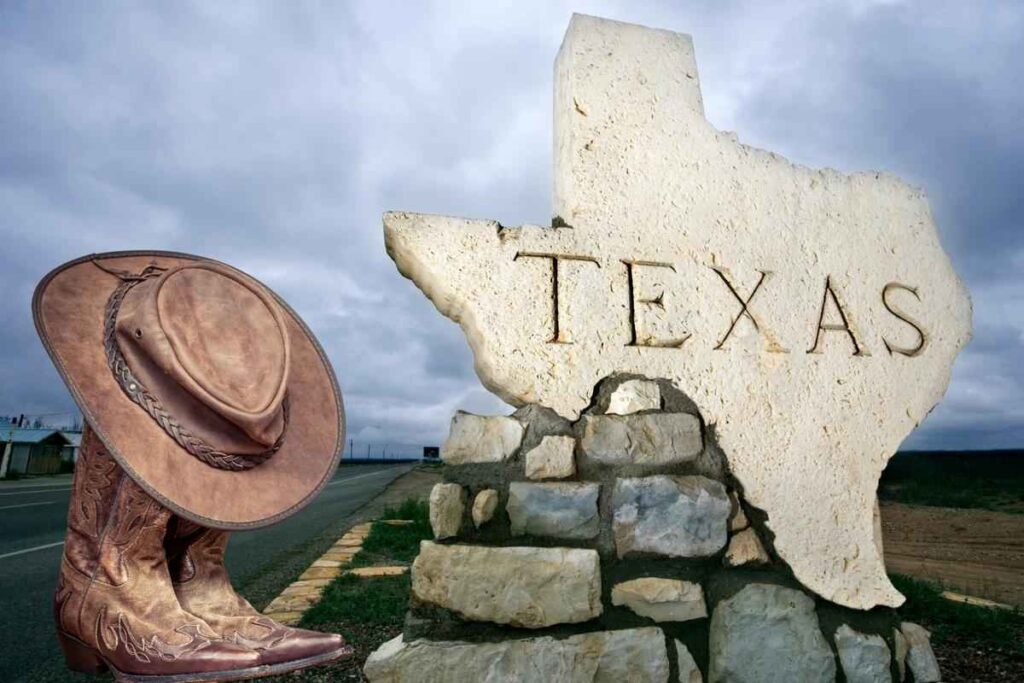
Ask ten people “what is Texas known for,” and you’ll hear the same symbols repeated with a smile: the Lone Star, big sky, big cities, and a very particular kind of pride. The nickname references a period when Texas was a sovereign republic, but today it also signals independence of spirit—perhaps a little swagger, sometimes deserved, sometimes tongue‑in‑cheek.
Flag, motto, and symbols
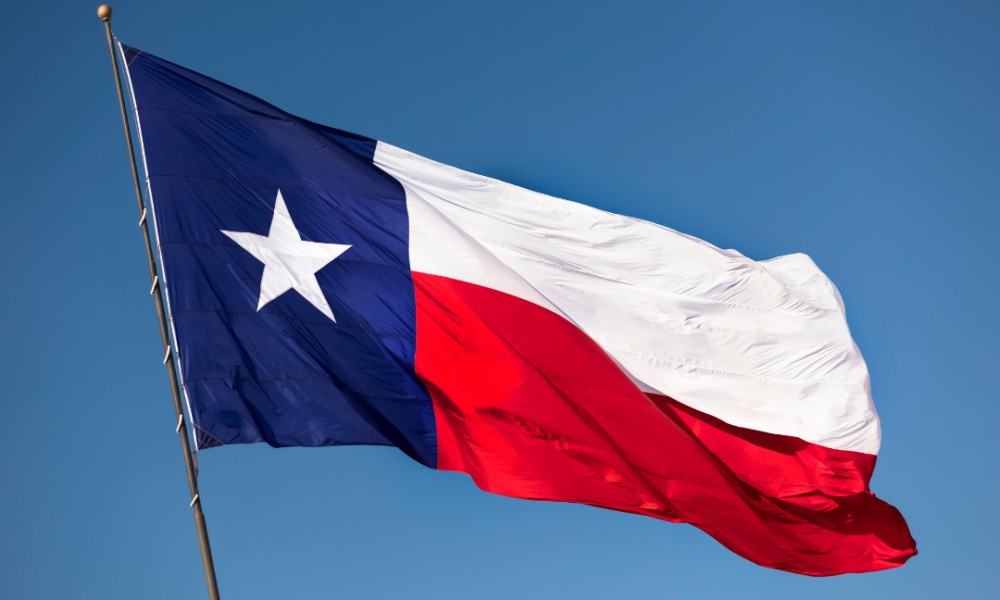
The Texas flag’s single star anchors identity; the motto “Friendship” softens the edges and fits the everyday warmth you feel in small towns and big cities alike. State symbols—from bluebonnets in spring to the mockingbird at dawn—make frequent cameos in art, signage, and sports iconography.
- Nickname: Lone Star State
- Motto: Friendship
- Flower: Bluebonnet
- Tree and nut: Pecan
- Sport: Rodeo
- Dish: Chili
If you’re building an itinerary, add an unhurried roadside stop: a bluebonnet pull‑off in March or April, a small‑town courthouse square in summer, or a Friday night high‑school football game in fall. These little moments carry the same weight as bucket‑list stops, maybe more.
A Brief History of Texas (And How to Experience It)
Texas history isn’t a single story; it’s a sequence of cultures and turning points. Indigenous peoples shaped the land long before European contact; Spanish missions and Mexican governance set foundations; then the Republic era, statehood, and the long arc from cattle and cotton to oil and global industries. If you only remember one thing, remember this: it’s layered.
Indigenous roots, Spanish missions, Mexican Texas
Before the famous battles, there were communities, trade networks, and sacred landscapes. Spanish missions joined faith with frontier strategy; Mexican Texas blended land grants and ranching traditions that still echo in language, food, and music. When you walk the San Antonio Missions, take an extra minute—listen for the blend of past and present in the bells, the stone, the river.
The Republic, the Alamo, and San Jacinto
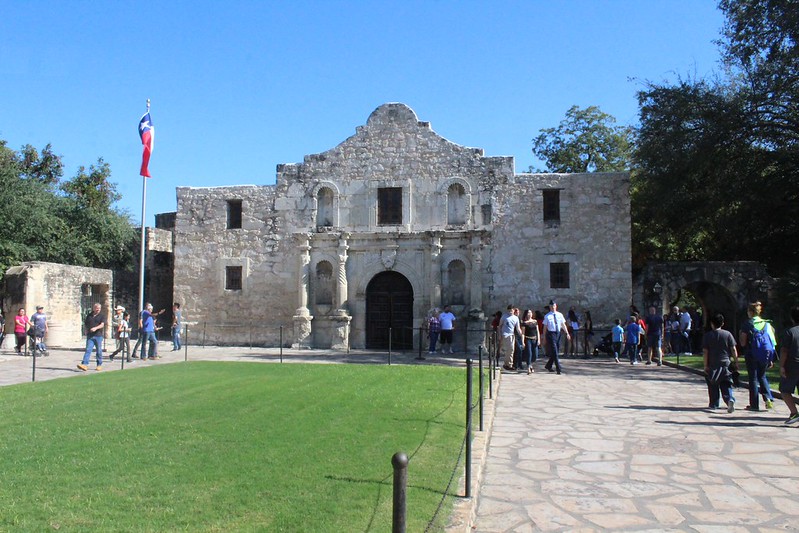
The Alamo looms large in memory, but the decisive turn came at San Jacinto, where a swift victory sealed independence and shaped identity. Visiting both gives balance: sober reflection at one site, surprise at how quickly history can pivot at the other. If possible, time San Antonio around cooler months; you’ll linger longer and notice more.
Railroads, cattle, cotton—and oil
The post‑Civil War surge in cattle and cotton gave way to oil at the turn of the 20th century. Spindletop’s gusher didn’t just change Texas; it changed energy worldwide. The result today is a state that still values ranching and land, yet runs on a complex engine of petrochemicals, logistics, engineering, and research.
What Is Texas Known For in the Modern Economy?
It’s not just oil—though oil and gas remain significant. Texas is known for energy leadership across fuels and power, a humming petrochemical corridor, aerospace and spaceflight, advanced electronics and software, biomedical research, and a steady stream of corporate relocations. The scale is visible in the skylines, ports, and distribution hubs, but you also feel it in small things: packed flights on a Tuesday, cranes multiplying on the horizon.
Metro powerhouses (and what they do)
- Houston: Energy, medicine, and space—home to NASA mission control, a vast medical center, and the shipping might of the Gulf.
- Dallas–Fort Worth: Corporate HQs, finance, logistics, and an airport that makes the world feel closer than the map suggests.
- Austin: Tech, startups, and live music—contradictory and creative; a city where breakfast tacos fuel both code sprints and sound checks.
- San Antonio: Military heritage, tourism, and a river‑threaded downtown with a pace that invites lingering.
- El Paso and the Borderplex: Cross‑border manufacturing flows, desert landscapes, and a cultural blend you taste as much as you see.
If your interest leans practical, consider reading a deeper breakdown of industries and where they cluster, including emerging tech and clean energy hubs—this helps job seekers and founders plan moves with eyes open. For that, see our take on Texas industries, from energy to tech.
What Food Is Texas Known For?
Short answer: barbecue and Tex‑Mex. Longer answer: brisket, yes—but also breakfast tacos, kolaches, chili (no beans, many will say), chicken‑fried steak, Czech pastries, Gulf Coast seafood, and a web of regional traditions that defy tidy boxes. Perhaps the best way to think about it is this: Texas food is a map you can eat.
Texas barbecue: styles and how to order
Central Texas emphasizes post‑oak smoke and simple rubs—let the brisket speak. East Texas leans toward sauced and tender; West Texas goes more direct heat; South Texas brings mesquite and border influences. Pro tips: go early (sell‑outs happen), order by weight, and don’t be shy about asking for fatty or lean slices. If you want the nuts‑and‑bolts guide, head to our Texas barbecue and Tex‑Mex guide.
Tex‑Mex and beyond
Tex‑Mex is its own proud tradition, with chili gravy, flour tortillas, yellow cheese, and the kind of comfort that makes weeknights better. You’ll also find crisp tacos in the Valley, puffy tacos in San Antonio, and borderlands plates that blur categories in the best way. Think of it not as “fusion,” but as a conversation that’s been going on for generations.
Regional favorites worth a detour
- Breakfast tacos: bacon‑egg‑cheese, migas, potato—simple, perfect.
- Kolaches and klobásníky: sweet or savory, ideally still warm from a small‑town bakery.
- Chili: a point of pride; arguments as side dish.
- Gulf Coast seafood: oysters in season, shrimp boils, and po’boy cousins.
- Hill Country wine and craft beer: an easy pairing after a day of swimming holes or wildflowers.
Landscapes, Parks, and Road Trips
Texas stretches nearly 1,000 miles across, which means the coast can feel like another country from the desert mountains—and yet, it’s all of a piece. The trick is to pick a region or two per trip. Honestly, trying to do it all at once just turns windshield time into white noise.
Big Bend and West Texas
Desert silence, river canyons, star‑stuffed skies. Hike in the shoulder seasons, carry more water than feels necessary, and savor the odd satisfaction of a long, straight road with nothing to prove. Add a Marfa art stop if you like contrasts.
Palo Duro Canyon and the Panhandle
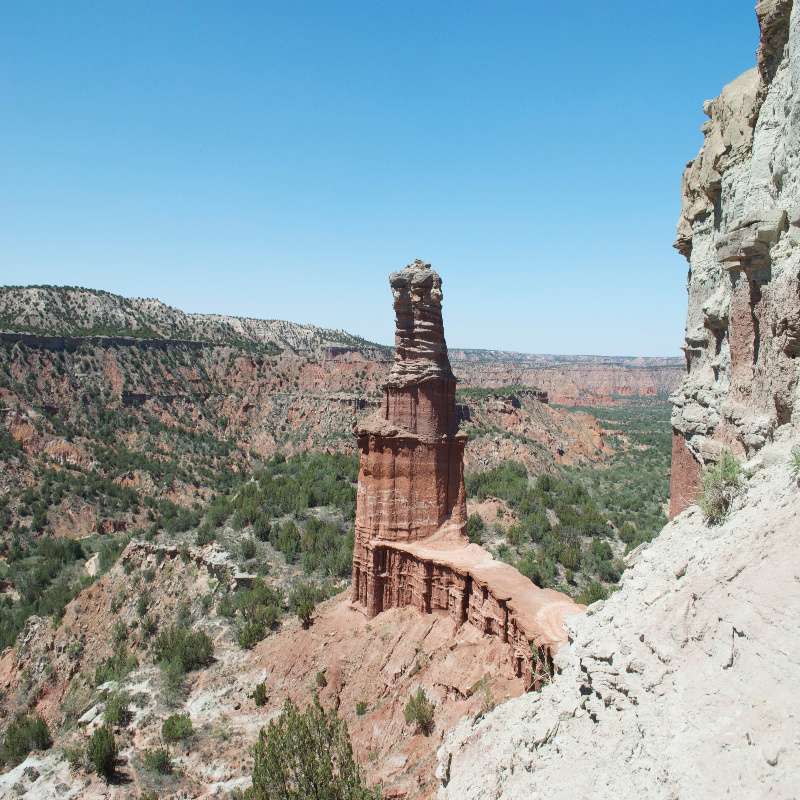
The “Grand Canyon of Texas” surprises first‑timers with its color and breadth. Trails range from easy to calf‑testing; spring and fall are kind, summer can be stern. Dawn and dusk do the heavy lifting for your photos.
Hill Country and swimming holes
Rolling limestone, clear springs, and weekend markets. Wildflowers in March–April, peaches in summer, Fredericksburg for wine, and a dozen swimming spots that rewrite your heat index for the day. Pick one town as a base; day‑trip outward in loops.
Gulf Coast and barrier islands
Sea breezes, birding, and seafood. The mood shifts town to town—family‑friendly in one stretch, fishing‑forward in another. Watch hurricane season and book early for peak holidays. If you’re stitching multiple regions together, see our guide to the best places to visit in Texas by region for sample routes.
Big cities worth lingering in
Houston’s museums and restaurants can fill a long weekend without breaking a sweat. Austin’s live music and lakes draw year‑round, with festival spikes. Dallas–Fort Worth mixes arts districts with backyard barbecue energy, and San Antonio’s river threads it all together with an easy stride.
Culture, Music, and Events
Rodeos, dance halls, conjunto and Tejano, western swing, and a rock scene that never seems to sleep—Texas culture runs from arena‑size to back‑porch. There’s a thread of hospitality through it all, even when the boots are dusty and the schedule is tight.
Rodeos and stock shows
Houston and Fort Worth host destination‑level rodeos with concerts, livestock shows, and enough food stalls to call it a festival. If you’re new, arrive early, walk the barns, and let the schedule guide your day. It’s tradition, but it’s also community.
Live music and festivals
Austin is the obvious headliner, yet great sets happen statewide on any weeknight. From small honky‑tonks to sleek venues, the variety is the point. If you’re crowd‑averse, lean into midweek shows and shoulder seasons; the music doesn’t mind.
Heritage days and citywide celebrations
Fiesta San Antonio, Juneteenth commemorations, and a long calendar of county fairs carry stories you can taste and hear. If you’re traveling with family, pair events with kid‑friendly museums and parks; the balance keeps everyone happy.
Texas at a Glance
- Area: 268,597 square miles (second‑largest state)
- Population: about 31 million (2024 estimate)
- Capital: Austin
- Largest city: Houston
- Motto: Friendship
- Nickname: Lone Star State
- State flower: Bluebonnet
- State bird: Northern mockingbird
- State sport: Rodeo
- State dish: Chili
Practical tip: driving times are longer than you think. Try to cluster experiences by region and build in a few slow mornings—there’s a rhythm to Texas that rewards not rushing.
Planning Your Trip (Or Move)
Choose two regions for a week, or one metro plus nearby day trips for a long weekend. Book national park lodging early, watch summer heat and hurricane windows, and keep a flexible buffer—plans improve when you can follow a local recommendation. If you prefer to let mood lead, make food your compass and see where the brisket line or the taco stand takes you.
FAQs
Why is it called the Lone Star State?
The single star symbolizes independence and unity, with roots in the period when Texas was a republic and in the enduring idea of a distinctive identity.
What is Texas known for in one sentence?
Texas is known for its Lone Star identity, vast and varied landscapes, barbecue and Tex‑Mex, rodeos and live music, space and science hubs, and a modern economy that stretches from energy to tech.
What food is Texas known for?
Brisket‑forward barbecue, Tex‑Mex classics, breakfast tacos, kolaches, chili, Gulf Coast seafood, and a growing roster of regional specialties.
What’s the best time to visit?
Generally spring and fall for comfort; winter suits cities and desert hikes; summer favors water—coastlines, rivers, and swimming holes (start early, rest midday).