
Where is bali: a first-timer’s guide to the island
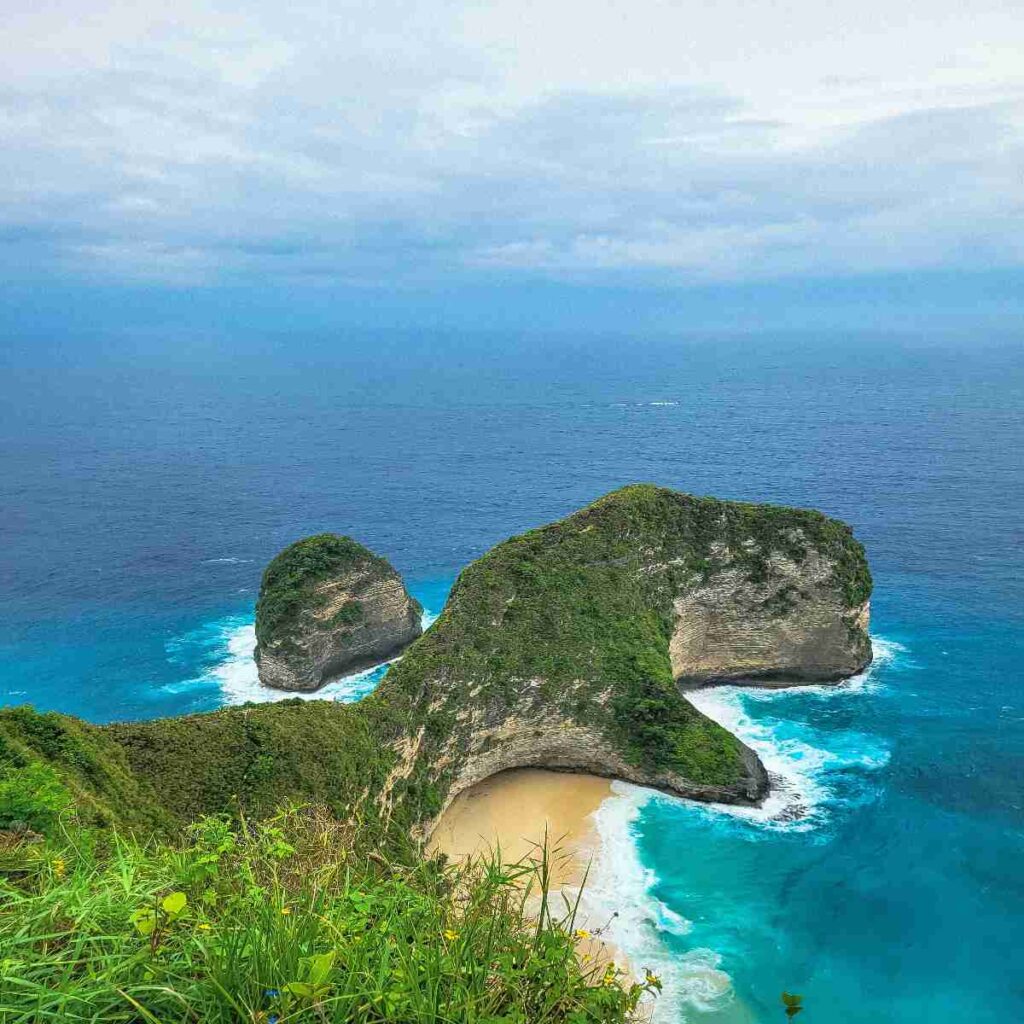
If you’ve ever seen dreamy photos of rice terraces, cliffside temples, and glowing sunsets and quietly wondered, wait… where is Bali exactly?, you’re not alone. The phrase “where is bali” gets searched a lot, and it usually comes with a mix of curiosity and a bit of confusion about whether Bali is a country, an island, or something in between.
This guide is here to clear that up in plain language. Think of it as a friendly orientation: where Bali sits on the map, how it fits into Indonesia and Southeast Asia, what the different parts of the island feel like, and how all of that affects your trip planning, from flights and weather to which area might feel most like “you.”
where is bali on the map?
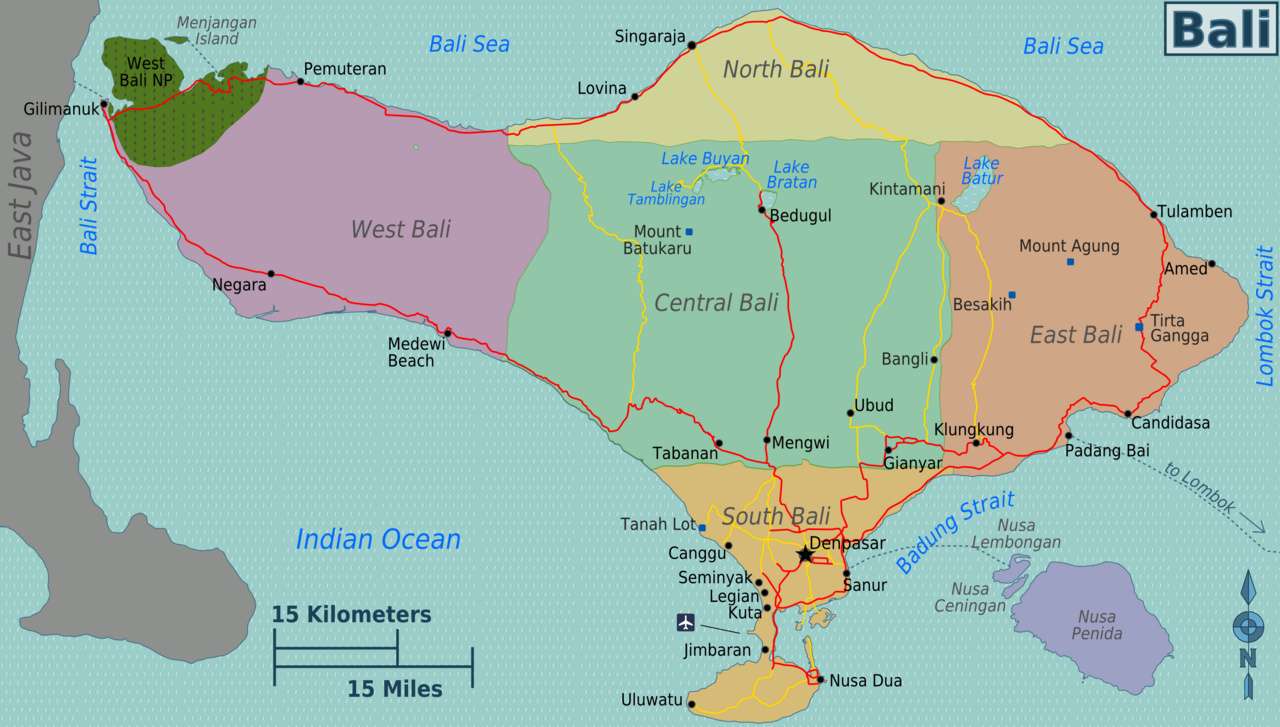
Let’s start with the simplest version. Bali is an island and province of Indonesia in Southeast Asia. It sits between the larger island of Java to the west and Lombok to the east, roughly in the middle of the Indonesian archipelago. To the north you have the Bali Sea; to the south, the waters open out toward the Indian Ocean.
On a world map, Bali is just south of the equator, which explains its consistently warm, tropical climate. It lies east of Singapore and Malaysia, south of mainland Southeast Asia (Thailand, Vietnam, Cambodia, etc.), and to the northwest of Australia. If you picture a triangle with Singapore, Perth, and Jakarta as its corners, Bali is somewhere in that neighborhood, leaning closer to Jakarta and the rest of Indonesia.
where is bali located in indonesia?
Indonesia is a vast country made up of thousands of islands stretching across the equator. Bali is one of those islands, positioned almost like a small stepping stone between Java (home to Jakarta, the capital of Indonesia) and Lombok, which leads further east toward the Nusa Tenggara islands.
Denpasar, in the south of the island, is the capital of the province of Bali and the main urban center. The island itself is not huge, but it’s big enough that driving from the far north to the far south can easily take several hours, especially with traffic. That’s one of the little surprises people only really process once they land and sit in a car for a while.
is bali a country or part of indonesia?
This is where a lot of the confusion starts. Bali is not a country. It is a province of Indonesia, with its own local government, districts (called regencies), and a distinct cultural and religious identity, but it operates under Indonesian law, uses the Indonesian currency, and is part of the Indonesian nation-state.
When you fly into Bali, you are entering Indonesia. Immigration, visas, and border control all fall under Indonesian authorities. Bali just happens to be the most famous island for many travelers, so it can sometimes feel like its own little world, but politically and legally, it’s Indonesian through and through.
quick facts about bali (to get oriented)
Once you know where Bali is, it helps to anchor that location with a few basic facts. Nothing too heavy, just enough to make the place feel less abstract and more real.
- Country: Indonesia
- Status: Island and province of Indonesia
- Capital city: Denpasar
- Time zone: Central Indonesia Time (UTC+8)
- Currency: Indonesian rupiah (IDR)
- Main languages: Bahasa Indonesia and Balinese; English is widely spoken in tourist areas
- Religion: Predominantly Balinese Hinduism, which shapes much of the island’s culture, ceremonies, and architecture
- Climate: Tropical, with a warm, humid climate year-round and distinct dry and rainy seasons
You don’t need to memorize all of that, of course. But it does explain why a place this small can feel so distinct from the rest of Indonesia: the Hindu temples, the daily offerings, the festivals, the sound of gamelan music in the background. All of that is tied to Bali’s position as a Hindu-majority enclave inside a largely Muslim country.
how far is bali from you?
Once you know where Bali is, the next inevitable question is, “Okay, but how far is it from where I am?” The answer changes a lot depending on whether you’re coming from the US, Europe, India, Australia, or elsewhere in Asia, but a few patterns show up quickly.
Bali’s main entry point is Ngurah Rai International Airport (often just called Denpasar Airport, with the code DPS). Most travelers reach Bali via one or two flights, often with a layover in a regional hub such as Singapore, Kuala Lumpur, Bangkok, Dubai, or Doha. A direct flight might exist from certain cities at certain times, but usually you’ll change planes at least once.
where is bali if you’re coming from north america?
From the United States or Canada, Bali is very much a long-haul destination. Typically, you’ll fly across the Pacific or through the Middle East, with at least one stop in cities like Los Angeles, San Francisco, Vancouver, Hong Kong, Tokyo, Singapore, Dubai, or Doha, depending on your departure point and airline.
You can think of it like this: it’s roughly on the opposite side of the world from much of North America, which means significant time zone shift and travel time. Planning a trip from there often means aiming for at least a week or more on the ground to make the journey feel worthwhile.
where is bali from europe and the uk?
From most European cities, including the UK, Bali sits to the southeast, past the Middle East and South Asia. Direct non-stop flights are rare; more commonly, you’ll route via hubs such as Dubai, Doha, Singapore, Bangkok, or Kuala Lumpur.
In practical terms, Bali is a long-haul yet manageable destination for Europeans: a solid haul in the air, but not quite as punishing as some trans-Pacific routes. It’s the kind of trip you might tie into a couple of weeks off, rather than a quick long weekend.
where is bali from australia and new zealand?
If you’re in Australia, Bali is often seen as a “nearby” holiday spot. It’s located to the northwest of Australia, across the Timor and Arafura Seas, and flights from cities like Perth, Darwin, or even Sydney and Melbourne can be relatively short compared with the distances Europeans or Americans face.
From New Zealand, Bali is a bit farther, but still closer than Europe or the Americas. Many travelers hop via Australia or a Southeast Asian hub, treating Bali as an accessible warm-weather escape, especially during the southern hemisphere’s cooler months.
where is bali from india and the rest of asia?
From India, Bali is generally to the southeast, beyond the Bay of Bengal and the Malay Peninsula. Flights often route through Singapore, Kuala Lumpur, or sometimes Bangkok, and the total travel time is usually quite reasonable compared with long-haul journeys from the West.
If you’re based elsewhere in Asia—say, Singapore, Malaysia, Thailand, or Hong Kong—Bali can feel almost like a regional getaway. It’s still an international trip, of course, but the flight times are shorter and the time difference is small, which is one of the reasons the island sees so many repeat visitors from within Asia.
bali’s main regions and what they feel like
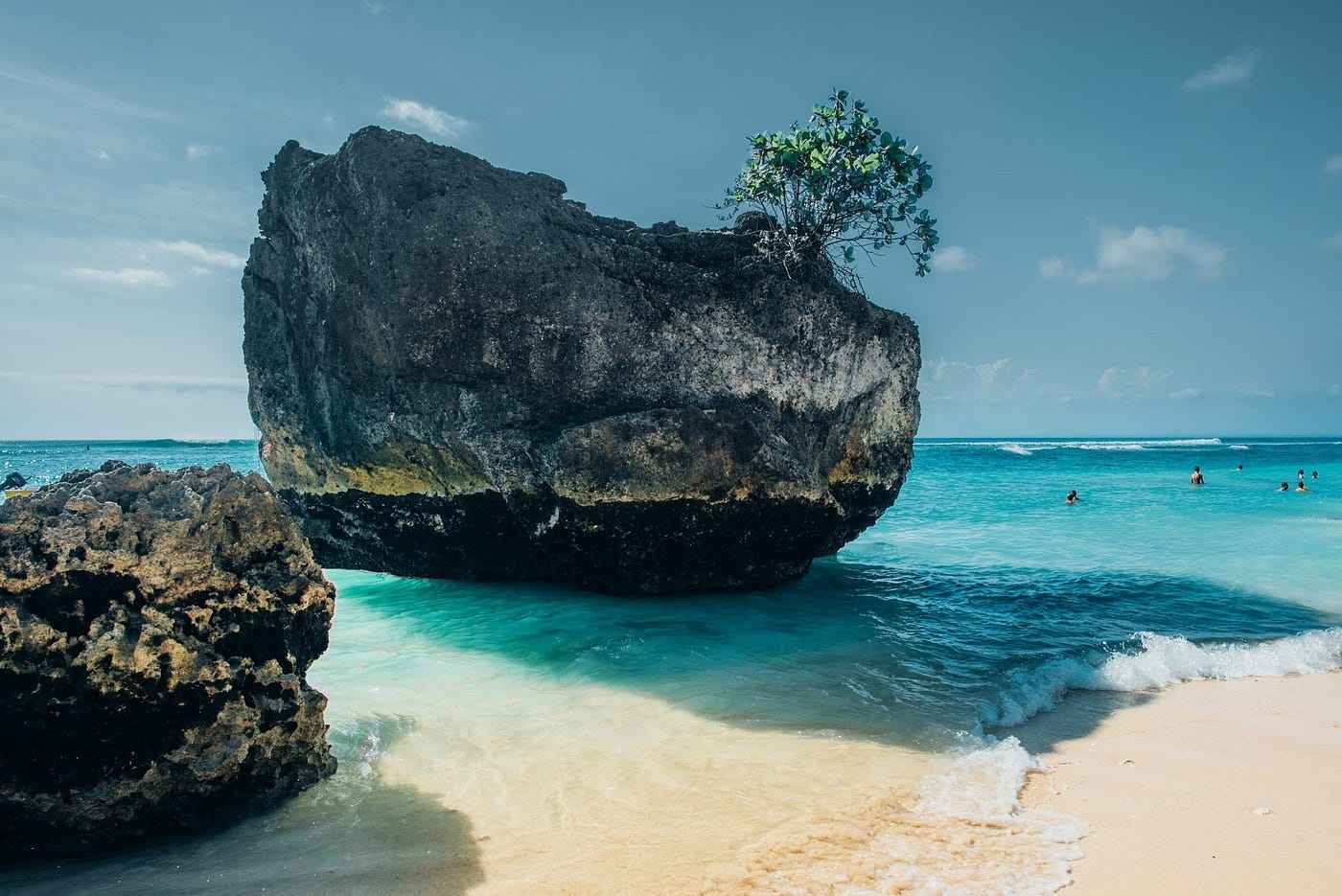
Knowing “where is bali” on a map is useful, but it’s only half the picture. The other half is understanding what the different parts of the island feel like. In practice, you won’t experience “Bali” in one go; you’ll experience a piece of it—South Bali, maybe Ubud, perhaps a day trip to the Nusa islands—and each of those areas has its own personality.
south bali: kuta, seminyak, canggu, jimbaran
South Bali is where many first-timers land, both literally and figuratively. Kuta is busy, loud, and beachy, with a strong backpacker and party vibe. Seminyak edges a bit more upscale with beach clubs, restaurants, and boutique stays. Canggu, in recent years, has grown into a hub for surfers, digital nomads, and creative types, with cafes and coworking spaces dotted among rice fields.
Jimbaran, just a little to the south and west, feels calmer, with its famous beachside seafood restaurants and more family-friendly resorts. If you’re trying to figure out which of these areas suits you, a deeper dive into the best areas to stay in Bali can help you match neighborhoods to your travel style rather than just following the crowd.
ubud and central bali
Ubud is inland, roughly in the center-south of the island, surrounded by rice terraces, ravines, rivers, and small villages. It’s often marketed as Bali’s cultural and spiritual heart, with temples, traditional dance performances, art galleries, yoga studios, and wellness retreats.
Despite that serene reputation, central Ubud itself can be surprisingly busy. The magic often appears when you step a little outside the main streets—suddenly you’re among rice paddies, small family-run guesthouses, and quiet paths. For travelers who care more about greenery and culture than beaches and bars, Ubud tends to be the “yes, this is it” moment.
uluwatu and the bukit peninsula
The Bukit Peninsula, south of the airport, is a rocky, cliff-lined stretch that includes Uluwatu, Padang Padang, Bingin, and other iconic surf breaks. Here, the focus shifts to dramatic seascapes, cliffside temples, waves, and sunsets that play out high above the water.
Compared with Kuta or Seminyak, the Bukit can feel a bit more scattered—villages tucked around cliffs and coves, steep staircases leading down to beaches, and a mix of simple warungs and high-end resorts. It often appeals to surfers, couples, and anyone who enjoys a bit of drama in their coastal scenery.
north and west bali
North and West Bali see far fewer tourists. The coastline here is quieter, with black-sand beaches, small fishing villages, and access to diving and snorkeling spots that feel much less crowded than the south.
The inland areas in the north are home to lakes, waterfalls, and cooler mountain air. If you like the idea of seeing Bali’s gentler, less polished side, this is where it often shows up: slow days, local markets, and long views across valleys.
the nusa islands: nusa penida, nusa lembongan, nusa ceningan
Just off the southeast coast of Bali lie the Nusa islands, reachable by boat. Nusa Penida is known for its dramatic cliffs and viewpoints, Nusa Lembongan for its more relaxed beach-town feel, and Nusa Ceningan for its compact charm and coastal cafes.
Technically, these islands are separate from Bali island itself, but they’re so closely linked in most itineraries that it’s almost helpful to think of them as Bali’s satellite playgrounds. If you’re crafting your first itinerary, it’s worth reading about the best way to plan your first trip to Bali and decide whether to include one or more of the Nusa islands or keep things focused on the main island.
how bali’s location shapes its climate
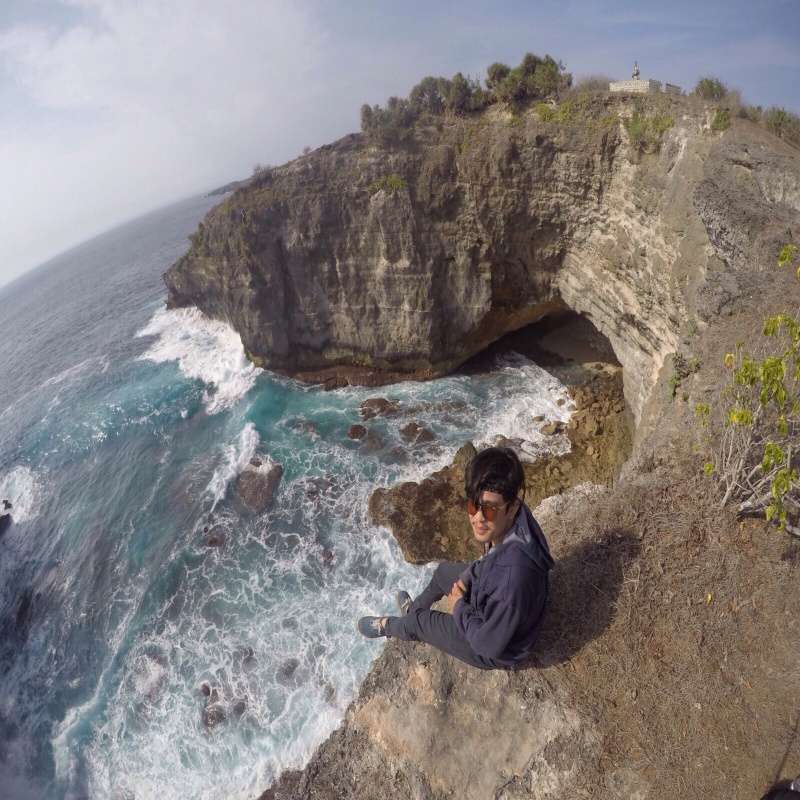
Because Bali lies so close to the equator, it doesn’t really do “winter” in the way temperate countries do. Instead, it has a tropical climate with two main seasons: a dry season and a rainy (wet) season. Temperatures are warm year-round, usually hovering somewhere in the comfortable-but-sometimes-sticky range.
That combination of warmth, humidity, and seasonal rain is directly tied to where Bali sits in the world—right in the belt of tropical weather systems that move across maritime Southeast Asia. So if you’ve been wondering how “where is bali” translates into actual on-the-ground weather, this is the link.
dry season vs rainy season
Broadly speaking, Bali’s dry season tends to run through the middle of the year, with clearer skies, less frequent showers, and generally sunnier days. The rainy season comes with more regular rain, heavier showers, and higher humidity. It doesn’t necessarily mean constant downpours, but you’ll want to expect wet spells, especially in the afternoons or evenings.
Because the island has varied terrain—coastal lowlands, inland valleys, higher elevations around volcanoes—rain can also be patchy. It might be pouring in Ubud and relatively clear in parts of the south. If you want a more granular, month-by-month breakdown, a dedicated Bali weather by month guide can make it much easier to line up your trip dates with the kind of experience you want.
best time to visit bali for you
The “best” time to visit is partly about weather and partly about you. Some people love the predictably sunnier, drier months, even if that means more crowds and higher prices. Others are happy to roll with a few showers in exchange for quieter beaches and better deals.
If you’re surfing, diving, or chasing specific festivals, the answer changes again. Rather than chasing a single perfect month, it often works better to think in terms of trade-offs: better conditions vs busier streets, cheaper stays vs more rain, cooler temperatures vs fewer events, and so on.
what to expect when you land in bali
So far, “where is bali” has mostly been about maps and distances. But what happens when that plane door opens and you step out into the tropical air at Denpasar Airport? It’s usually a mix of warmth, a hint of humidity, and a small wave of sensory information: different language, different rhythm, different smells.
You’ll go through Indonesian immigration and customs first. The exact rules for visas and entry can change over time, so it’s always important to double-check current requirements on official government or embassy websites before you fly. As a general pattern, many travelers use some form of visa on arrival or pre-arranged visa, but the details depend on your nationality and the latest regulations.
getting around bali
Once you’re through the airport, you’ll need to get to your accommodation. Most visitors use a mix of airport taxis, ride-hailing apps (where available), hotel transfers, and private drivers to move between regions. Within popular areas like Canggu, Seminyak, and Ubud, scooters are everywhere; they’re convenient but not without risk, especially if you’re not used to riding.
Driving yourself can feel intense: traffic can be dense, road rules are more fluid than strictly enforced, and distances that look short on a map can take far longer than expected. For many first-timers, hiring a driver for day trips or longer transfers is a comfortable middle ground between total independence and total reliance on tours.
money, safety, and etiquette in a nutshell
Daily life in Bali runs on a mix of cash and card. ATMs are widely available in most tourist areas, though it’s always wise to be cautious and stick to machines in reputable locations. Smaller warungs (local eateries), markets, and rural areas often prefer cash, while mid-range and upscale restaurants, shops, and hotels are more likely to accept cards.
Safety-wise, Bali is generally considered a friendly, welcoming place, but basic travel sense still applies. Look after your belongings, use reputable transport, and be cautious about mixing alcohol with scooters or late-night swims. Respect is crucial at temples: dress modestly, follow local instructions, and remember that ceremonies you might stumble upon are not performances but living traditions.
where is bali in your travel plans?
One useful way to think about Bali’s location is how it slots into your broader travel plans. For some, it’s a once-in-a-lifetime long-haul vacation. For others, it’s a side trip off a short city break in Singapore or Kuala Lumpur. And for people based in Australia or parts of Asia, it might be the equivalent of a sunny long weekend, if not a regular yearly escape.
Bali can easily stand on its own as a single destination for a week or two, especially if you combine a few regions like South Bali, Ubud, and the Bukit or the Nusa islands. It can also form part of a larger Indonesia route—maybe a few days in Jakarta, then Bali, then onward to Lombok or Komodo. If you’re building your trip from scratch, it can be helpful to walk through a step-by-step plan for how to put your first Bali trip together in a relaxed but organized way.
That’s where a more detailed resource on how to plan your first trip to Bali becomes useful. You already know where Bali is on the map; now you’re looking at how many days to stay, how to split your time between regions, what to book in advance, and what you can safely leave open until you arrive.
faqs about where bali is and what it’s like
is bali safe?
No place is perfectly safe, but Bali is generally seen as a reasonably safe destination for travelers, including solo visitors and families. Most trips are uneventful in the best way: a few small annoyances here and there, the occasional bout of “Bali belly,” but nothing more serious.
The main issues tend to be petty theft in crowded areas, traffic accidents (especially on scooters), and the usual travel-scam spectrum you’ll find in most tourist hotspots around the world. Sensible precautions—watching your drink, securing your bag, avoiding risky driving—go a long way.
is bali expensive?
Bali can be cheap or surprisingly expensive, depending on how you travel. Simple guesthouses, local food, and modest activities can make it a very affordable destination, especially if you’re coming from a high-cost country. Upscale villas, beach clubs, and imported wine can quickly push things into a different budget category.
Because the island is so varied, you might find yourself mixing both: a low-key warung lunch one day, a splurge dinner overlooking the ocean the next. Building a realistic budget is easier once you have a rough idea of where you’re staying, how often you’ll move around, and what kind of experiences matter most to you.
how many days do you need in bali?
This is one of those questions that never has a single right answer. Some people spend three days and leave feeling like they barely scratched the surface. Others stay a month and still feel like they’re only getting started. As a loose guideline, a week gives you enough time to see at least two different sides of the island—perhaps a beach area and Ubud—without rushing every moment.
If you’re flying a long distance, it often makes sense to aim for 10–14 days, especially if you want to add in the Nusa islands or a quieter northern area. Shorter trips can still work, of course, but they’ll feel more like a concentrated taste than a slow, immersive stay.
can you drink tap water in bali?
In general, visitors are advised not to drink tap water in Bali. Most travelers stick to bottled or filtered water for drinking and often use it for brushing teeth as well, just to be safe. Many hotels, villas, and cafes offer refills from large purified water containers, which also helps cut down on plastic waste.
Ice in drinks at established cafes and restaurants is usually produced with filtered water and considered safe by most visitors, but if you have a very sensitive stomach, you might choose to be cautious at simpler places until you feel confident.
is bali good for families, couples, or solo travelers?
Bali is a bit of a chameleon that way. Families find plenty of villas with pools, calm beaches, and activities that kids can enjoy. Couples lean into romantic cliffside sunsets, candlelit dinners, and quiet resorts tucked into rice fields or along the coast.
Solo travelers often appreciate the social energy of areas like Canggu and Ubud, where it’s easy to meet people through classes, co-working spaces, tours, and social events. The island is set up in a way that makes it relatively straightforward to move around, yet it’s still compact enough that you can feel like you’re getting to know it over the course of a stay.
conclusion: now you really know where is bali
At this point, “where is bali” should feel less like a vague idea and more like a real place on the map: an Indonesian island in Southeast Asia, sitting just south of the equator between Java and Lombok, with its own rhythm, culture, and collection of distinct regions. It’s not a country, but a province of Indonesia, and its location shapes everything from its tropical climate to the flight paths you’ll take to get there.
Understanding where Bali is—and what that means in terms of geography, distances, weather, and on-the-ground experience—makes it much easier to decide when to go, where to stay, and how long to spend there. From here, you can zoom in further: explore the best areas to stay, map out your first trip step by step, or dive into the details of Bali’s weather by month. However you choose to do it, at least now the island has a clear place in your mental map, not just your daydreams.