Antigua Guatemala: What to do, See, and Skip

Antigua Guatemala is one of those places that sounds a little “too perfect” on paper—cobblestone streets, volcano views, colonial ruins—and then you arrive and realize it’s… mostly true. It’s also busier than many people expect, and a bit more complicated than the postcard version. That’s not a bad thing. It just means you’ll enjoy it more if you plan for the reality, not the fantasy.
Before we get into the best things to do, it helps to understand what you’re actually looking at. Antigua was founded in the early 16th century and built about 1,500 meters above sea level in an earthquake-prone region. It was largely destroyed in 1773, and many of its major monuments are still preserved as ruins today. UNESCO lists it for its preserved grid layout and its exceptional colonial-era architecture—especially the churches and monasteries that shaped daily life here for centuries.
This guide is meant to feel like a calm, capable travel friend. Not a checklist machine. If you only have one day, you’ll still have a great day. If you have three, you’ll probably start slowing down and noticing details—fountains, courtyards, doorways, how the light changes on stucco. That’s when Antigua really starts working on you.
Antigua Guatemala at a glance
Antigua is compact, walkable, and laid out on a grid pattern (a Renaissance-inspired plan that has been maintained since the 1500s). It’s also a UNESCO World Heritage Site, which matters in practical ways: it’s part of why the historic center looks the way it does, and why there are strict-ish rules and ongoing debates about preservation, development, and tourism pressure.
It’s worth saying plainly: this is not a hidden gem. It’s popular. Sometimes it feels almost too curated—then you turn a corner and see a crumbling facade or a quiet courtyard and you remember the city has survived a lot, including repeated natural disasters and major earthquakes. The contrast is part of the experience.
Quick orientation:
- The historic core is small and easy to navigate on foot, with north-south and east-west streets.
- Most “must-sees” are within a short walk of the central area around Parque Central.
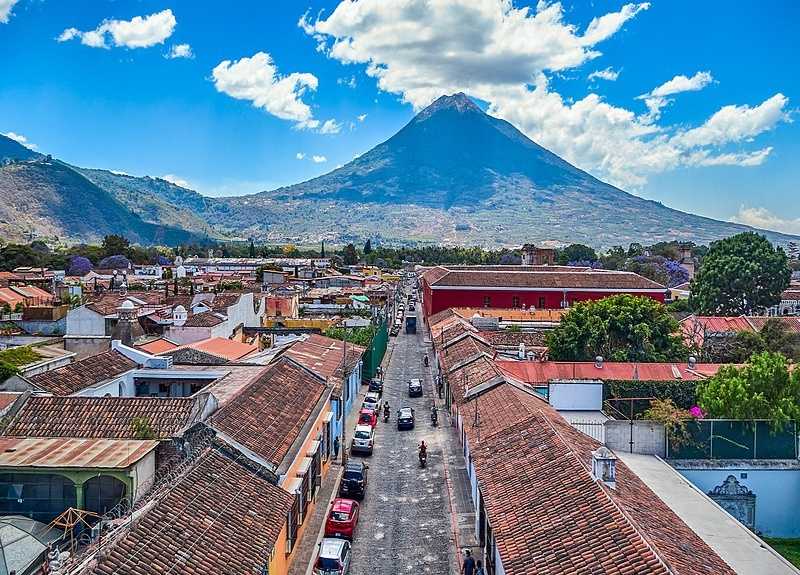
- Volcano views are real, not marketing copy. On a clear day, you’ll look up constantly.
The best things to do in Antigua Guatemala (that don’t feel like chores)
Some activities in Antigua are obvious—iconic landmarks, viewpoints, ruins. Others are quieter: wandering, sitting, paying attention. I realize that sounds vague, but it’s honestly a big part of why people fall for this place. Still, let’s keep it useful.
Start at Parque Central and let the city explain itself
Parque Central is the easiest “anchor” for your first hours in town. It’s where you can get your bearings, watch local life move around you, and start building a mental map. If you’re arriving a little tired (which, in Guatemala, happens), it’s also a gentle way to begin without committing to a big plan.
What to do here, realistically:
- Sit for 15–20 minutes and just watch the rhythm of the square.
- Walk a slow loop around the park, then take the next street that looks interesting rather than the “most recommended” one.
- If you’re building a longer trip, bookmark the park as your reset button. You’ll come back.
And if you want a more structured list of sights and stops you can group by neighborhood, this is where it helps to pair this pillar guide with the cluster post: things to do in Antigua Guatemala.
See the Santa Catalina Arch, but be picky about timing
The Santa Catalina Arch is famous for a reason. It’s an instantly recognizable image, and if you care about photos at all—even casually—it’s going to end up on your camera roll. The trick is not the arch itself, but how you approach it.
If you arrive midday, you’ll likely share it with a crowd. That can still be fun (people-watching is part of travel), but if you want a calmer moment, go early in the morning or late afternoon. The light is better, the energy is softer, and the whole thing feels less like you’re standing in someone else’s vacation shot.
A small note that feels obvious but still matters: look up and around, not only straight through the arch. Antigua rewards peripheral vision.
Walk up to Cerro de la Cruz for the “yes, it’s that beautiful” view
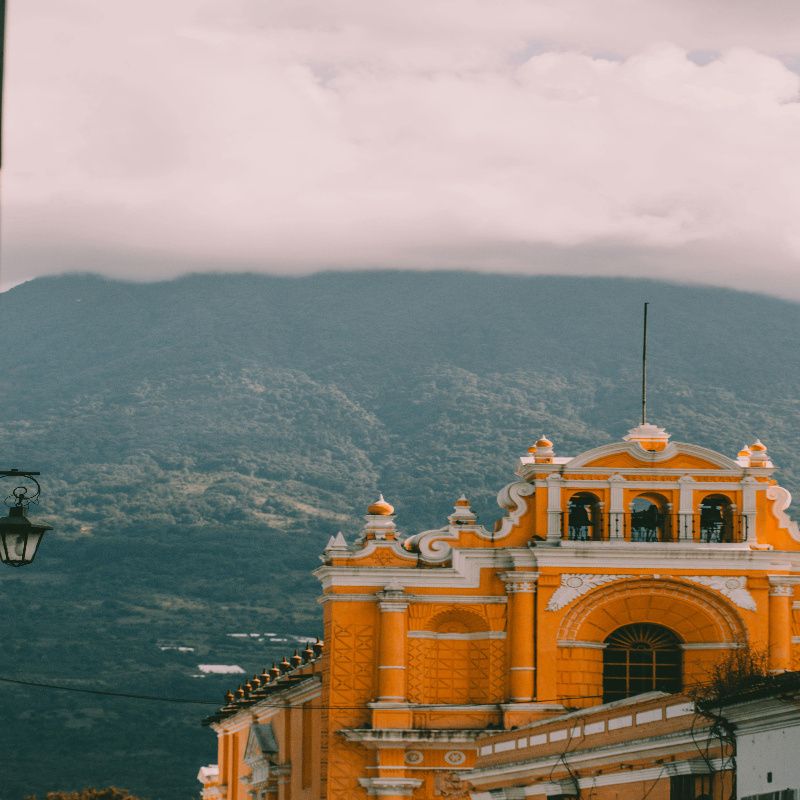
Cerro de la Cruz is the classic viewpoint above Antigua, and it’s popular because it’s genuinely good. You get a wide view over the city’s grid and rooftops, with Volcán de Agua rising behind it when the sky cooperates.
Expect a short hike up stone steps. It’s not technical, but it can feel steep if you’re not used to hills—or if you had a big breakfast (no judgment). Go earlier for clearer skies and softer light; afternoons can bring haze and clouds.
If you want a dedicated, practical guide—route notes, photo timing, what to bring—link out to the cluster article: Cerro de la Cruz in Antigua Guatemala.
Let the ruins be ruins (and don’t rush them)
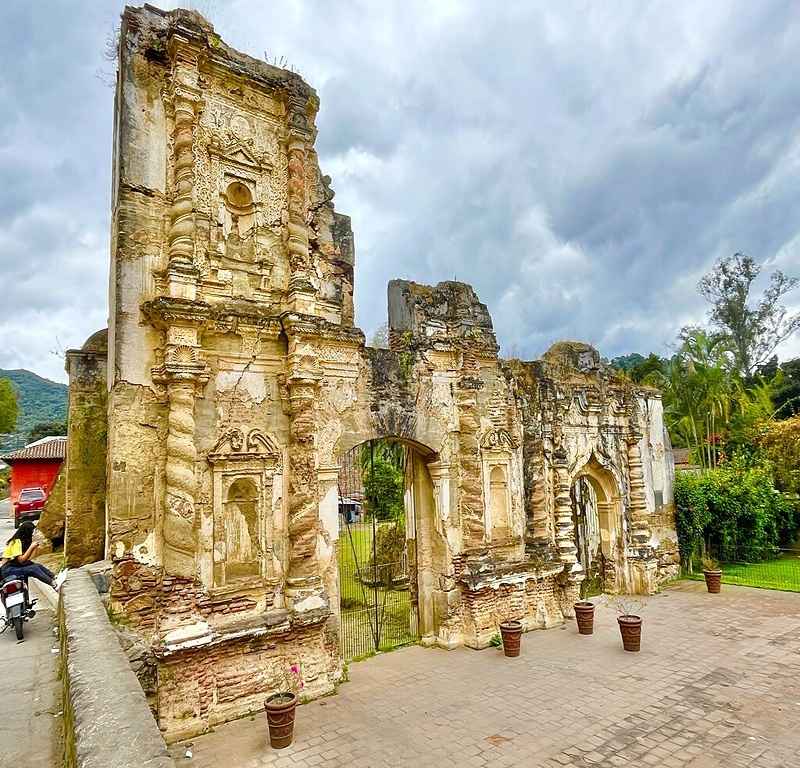
Antigua’s ruins aren’t decorative props. They’re a visible consequence of living in an earthquake-prone region, and of the city’s dramatic 1773 destruction that ultimately pushed authorities to relocate the capital. Many principal monuments were preserved as ruins rather than fully rebuilt, which is part of what makes Antigua feel historically “legible” when you walk around.
It’s tempting to sprint between famous sites. But ruins don’t work like that. They’re better when you slow down and notice details: broken arches, uneven walls, the way plants reclaim edges, the quiet that sometimes sits inside a courtyard even when the street outside is busy.
If you’re trying to travel responsibly, this is also where restraint matters. These places have survived a lot, and they’re still vulnerable—to earthquakes, yes, but also to tourism pressure and development that doesn’t always respect heritage.
Take a coffee break on purpose (not only when you’re tired)
Antigua has a cafe culture that can feel surprisingly polished. Some travelers love it. Some feel conflicted about it. Honestly, both reactions make sense. Coffee and tourism have shaped investment here for a long time, and today’s “beautiful cafes” sit alongside real concerns about rising prices and gentrification in historic districts.
Still, a well-timed coffee break is one of the best ways to enjoy Antigua. Not because caffeine is a travel activity (though it can feel like one), but because sitting down lets the city come to you. You overhear languages, notice weather shifting, watch the street patterns. It’s a soft form of sightseeing.
If you want to keep this guide tight, don’t turn it into a cafe directory. Instead, give readers a simple rule: pick a place with a courtyard if you can, and go during your natural “energy dip” so the rest of your day stays enjoyable.
Shop thoughtfully: crafts, textiles, and the “do I really need this?” moment
Antigua is full of shops selling textiles, ceramics, jewelry, and souvenirs that are genuinely attractive. It’s also the kind of place where you can buy five things you don’t need in 20 minutes if you’re not paying attention. I think most people do that at least once. Then they feel mildly silly. Then they move on.
Try this instead:
- Decide what you actually want before you start shopping (a textile? a small piece of pottery? gifts?).
- Buy fewer items, but choose ones you’ll keep.
- If you’re unsure, walk away and come back later. Antigua is small. You’ll probably find the shop again.
This is also a good place to address the reality UNESCO notes: integrity and authenticity can be affected by development pressures, including tourism-driven adaptive reuse and new construction that imitates “Antigua style.” You don’t have to lecture the reader. Just give them permission to be a little more intentional.
Antigua Guatemala itinerary ideas (1, 2, and 3 days)
Itineraries are tricky because they pretend everyone travels the same way. They don’t. Still, it helps to see a few “default” shapes you can adjust. Consider these frameworks rather than strict schedules.
One day in Antigua Guatemala (the essentials, without stress)
- Morning: Parque Central for orientation, then a gentle walk through the surrounding streets.
- Midday: Santa Catalina Arch, plus a slow lunch.
- Late afternoon: Cerro de la Cruz for sunset light if the weather is clear.
- Evening: Dinner and an early night. One day trips often go wrong when you overextend.
Two days in Antigua Guatemala (the “this is why people stay” version)
- Day 1: Do the one-day plan, but slow it down and add ruins/churches between stops.
- Day 2 morning: Revisit your favorite area (yes, revisit). Add markets or museums depending on interest.
- Day 2 afternoon: A longer, aimless wander—then coffee, then a relaxed dinner.
If you prefer a more polished plan you can follow step-by-step, link to: Antigua Guatemala itinerary. It’s the same ideas, just tighter and easier to execute.
Three days in Antigua Guatemala (with room to breathe)
On day three, a lot of travelers either add a day trip or treat Antigua as a rest day. Both are valid. The only wrong move is forcing a “big adventure” when your body is asking for a slow afternoon.
- Option A: Add a hike or excursion (if you’re already comfortable with early starts and changing weather).
- Option B: Stay in town, revisit ruins and viewpoints, and build in long meals.
Perhaps the best advice here is slightly annoying: plan one major thing, and leave the rest flexible. Antigua has a way of making rigid plans feel unnecessary.
Why Antigua looks like this (and why it matters)
It’s easy to treat Antigua as a “pretty colonial town,” full stop. But its look is directly tied to its history and to the hazards of its landscape. UNESCO describes Antigua as the former capital of the Captaincy-General of Guatemala, founded in the early 16th century and built high above sea level in an earthquake-prone region. The city was largely destroyed in 1773, and many principal monuments remain as ruins.
UNESCO also highlights that Antigua’s grid pattern—north-south and east-west streets inspired by Italian Renaissance planning—is among the best examples of Latin American town planning, and that many surviving buildings from the 17th and 18th centuries are outstanding examples of colonial architecture. In other words: what you’re walking through is not just scenic; it’s historically significant in a way that can be surprisingly rare.
There’s also a “living city” tension here. UNESCO notes integrity threats like tourism pressure, uncontrolled growth, illegal construction, gentrification, and increased traffic through the historic district. You’ll see hints of that as a traveler: boutique hotels, polished restaurants, rising prices, and the occasional building choice that feels a little too new for its surroundings.
This isn’t meant to guilt anyone into not visiting. It’s meant to help you visit with your eyes open. That’s a more respectful form of tourism, and it usually leads to better travel experiences anyway.
Practical planning for Antigua Guatemala (the stuff you’ll wish you knew)
Antigua is straightforward to visit, but there are a few practical patterns worth calling out. They’re small things. Still, small things add up.
Getting around: walk first, then tuk-tuk
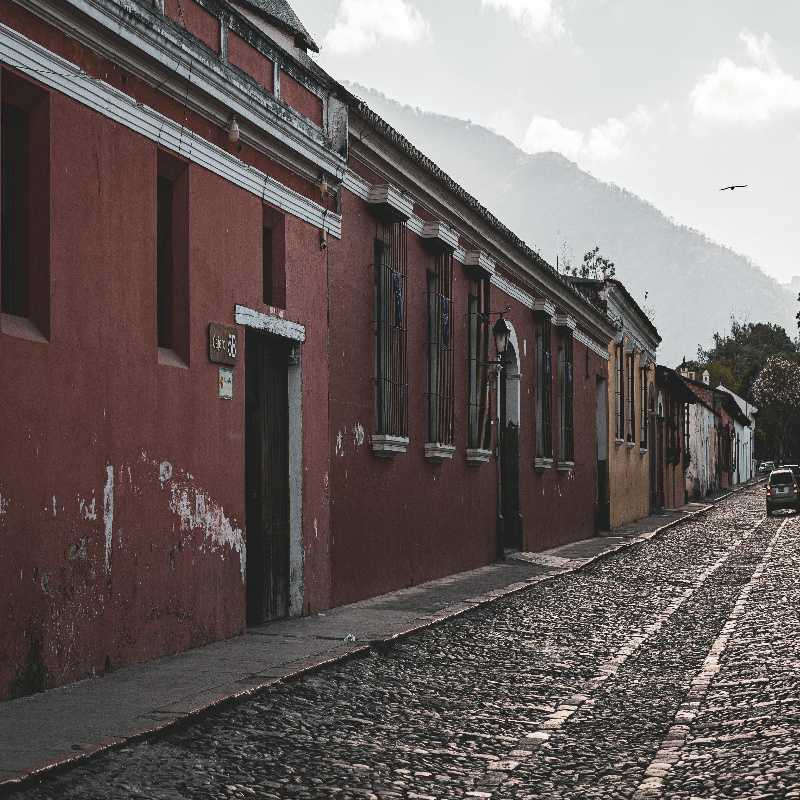
The historic center is compact and designed on a grid, so walking is the default. Wear shoes with decent grip; cobblestones can be charming and mildly slippery at the same time. Tuk-tuks are useful when you’re tired, when it rains, or when you’re heading a little uphill and you’d rather save your energy for later.
Timing: don’t underestimate mornings
Early mornings in Antigua often feel calmer and clearer—better for viewpoints and photos, and frankly better for mood. By midday, it can feel busier and warmer, and you may start making rushed decisions (like eating at the nearest place instead of the place you actually want).
If you can, structure your day like this:
- Do “iconic” spots early (arch, viewpoints).
- Do ruins and museums mid-morning to afternoon.
- Do meals and slow wandering late afternoon into evening.
What to pack for a day in town
- A light layer (weather shifts, especially at elevation).
- Sunscreen and water (you’ll walk more than you think).
- Cash in small bills for quick purchases.
- A bit of patience—Antigua is relaxed, but it’s still a real city with real logistics.
How to be a considerate visitor (without overthinking it)
Antigua’s heritage is a major reason you’re there. If you want to align your trip with that reality:
- Respect churches and religious spaces (dress modestly when appropriate, keep noise low).
- Be mindful with drones and intrusive photography.
- Choose experiences that don’t treat historic ruins as disposable backdrops.
Sometimes the most “expert” move is simply not rushing. It protects the site, and it protects your experience from turning into a frantic scavenger hunt.
Conclusion: make Antigua Guatemala feel personal
If Antigua Guatemala clicks for you, it won’t be because you checked off 14 attractions. It’ll be because you had a few moments that felt oddly specific: a quiet courtyard inside a ruined church, a clean view of Volcán de Agua behind the rooftops, the sound of steps on cobblestones early in the morning, the gentle relief of sitting down in the shade when the day gets busy.