Colorado Ski Towns: Where to go and Why
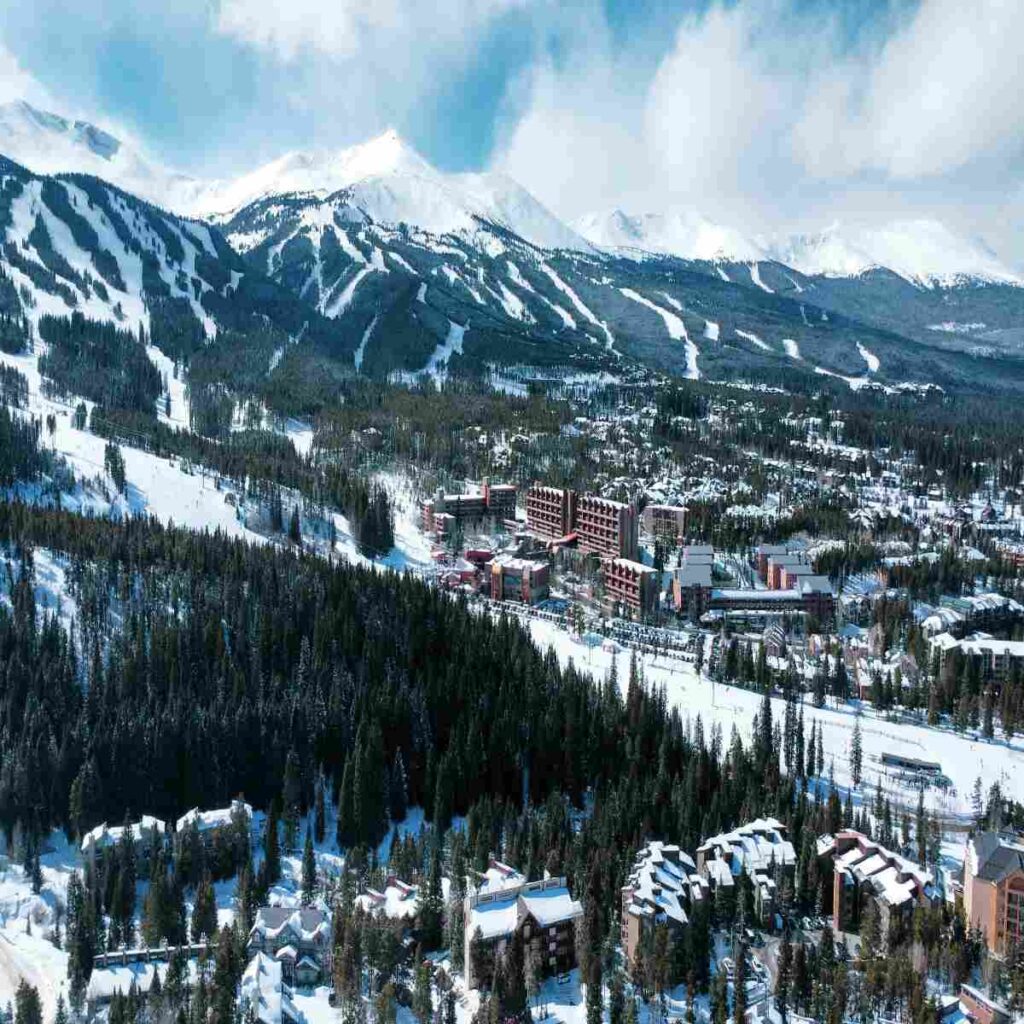
If you’re planning a trip to colorado ski towns, you’ll notice something pretty quickly: people talk about “Vail” or “Aspen” like they’re single things, when they’re really a bundle of decisions—town vibe, resort layout, transportation, budget, crowds, even how far you’re willing to drive after a flight. I think that’s why ski planning can feel weirdly stressful. You’re not just picking a mountain. You’re picking a home base for early mornings, tired legs, and whatever your group wants to do when you’re not skiing.
This guide is meant to feel like a friend laying out the options honestly. Not in a “here are 25 towns” way that leaves you more confused than when you started. More like: here’s how to choose, here’s what the major towns feel like, and here’s a handful of practical shortcuts so you don’t accidentally book the perfect place… in the wrong place.
How to choose colorado ski towns (without overthinking it)
Let’s start with an idea that sounds obvious, but somehow gets skipped: you’re choosing a town experience first, and a ski experience second. Those two overlap, of course. But they’re not the same thing.
colorado ski towns: start with airport + drive time
Most Colorado trips begin with flights and road time. And the difference between “two hours after landing, we’re eating dinner in a mountain town” and “we’ve been in the car forever, are we there yet?” changes the mood of the whole weekend. It’s one reason so many guides emphasize airports and access early on—because it’s how real people plan. Denver International Airport (DEN) is the big hub for a lot of Front Range and I-70 corridor access, but several mountain regions have closer regional airports, depending on where you’re headed.
If your trip is short—say, a long weekend—lean toward a simpler transit story. If your trip is longer, you can “spend” more time getting to a more remote place with a distinct feel. That trade-off can be worth it. Or not. It depends on who you’re traveling with and how patient everyone is on day one.
If you want a streamlined set of options specifically for quick trips, I wrote a separate guide that narrows the choices down to the most practical bases and how they tend to work in real life: colorado ski towns near Denver.
Town vs. resort base area (they’re not the same thing)
This is the part that trips people up (I’ve done it too). Some places are true towns with a main street, local businesses, and an identity that exists even when the lifts stop spinning. Others are purpose-built resort villages designed to make skiing convenient—often beautiful and comfortable, but not always what people mean when they say “town.”
Neither is better. They’re just different experiences. A resort base village can be perfect when you want to walk to lifts in ski boots and keep logistics simple. A real town can be more interesting at night, sometimes a bit more affordable, and often feels less like you’re inside a ski “bubble.” If you want the deeper breakdown (plus how to decide what matters more for your trip), read colorado ski towns vs ski resorts.
Be honest about your “second priority”
Most people know their top priority (“great skiing,” “cute town,” “not too expensive,” “easy for beginners”). What they don’t do is name the second priority—and that’s where trips get messy. Maybe you want a walkable village, but you also want a real grocery store and a few low-key restaurants that don’t require planning a week ahead. Maybe you want nightlife, but you also want a quiet place to sleep. That mild contradiction is normal. It just means you should choose a base that handles both priorities decently instead of one priority perfectly.

The best colorado ski towns by trip style
This is the quickest way to narrow down the list. Think of it as “pick your mood,” then we’ll get into the town-by-town details.
If you want the classic, postcard ski-town feel
You’re probably looking for somewhere that feels alive even if you don’t ski that day—walkable streets, independent shops, a few cozy bars, and that satisfying sense that you’re actually “in” a place. In Colorado, the towns that often fit this mental picture best are the ones with a real historic core or a strong local identity beyond the resort.
Start your short list with Breckenridge, Steamboat Springs, and Telluride. You can absolutely have this vibe in other places too, but these tend to deliver it with less effort.
If you want a low-friction trip (families, mixed groups, first-timers)
Some trips go better when everything is simple: easy lodging, easy transportation, easy food choices, easy “what do we do now?” moments. The downside is these places can feel busy, and sometimes a little polished. Still, for a first Colorado ski trip—or a family trip where you’re juggling energy levels—this trade can be worth it.
Look at places with strong resort infrastructure and transit: Vail-style villages and the more planned resort bases can be incredibly convenient, especially when you’d rather not drive each day.
If you want fewer crowds (or at least fewer obvious choke points)
This is tricky, because “uncrowded Colorado” can be a myth on peak weekends. But you can still choose towns where the overall experience feels less compressed—where you’re not constantly bumping into long lift lines, parking stress, and packed sidewalks all at once.
Sometimes the answer is going farther from the I-70 corridor. Sometimes it’s going midweek. And sometimes it’s just choosing lodging that keeps you out of the daily traffic pattern. This is one of those areas where a little planning does more than people expect.
If you want a trip that works even when you’re not skiing
Maybe someone in your group won’t ski every day. Or maybe you just know yourself: after two big days on snow, you want a slower day—coffee, a walk, a soak, a nice dinner, something that doesn’t require a lift ticket.
Many Colorado mountain towns lean hard into year-round life. Colorado’s tourism content even highlights how ski towns turn into summer playgrounds for hiking, cycling, events, dining, and cultural attractions once the snow melts. And yes, mountain coasters and alpine slides show up in more places than you’d think. If you want a dedicated “non-skier approved” guide, I keep it updated here: things to do in colorado ski towns.
Town-by-town guide: what it’s actually like
Below are the places most travelers mean when they say “Colorado ski town,” plus a few practical bases that don’t always make glossy lists but can make your trip easier. I’m going to be a little opinionated, because a neutral list isn’t very helpful—but I’ll keep it fair.
Breckenridge
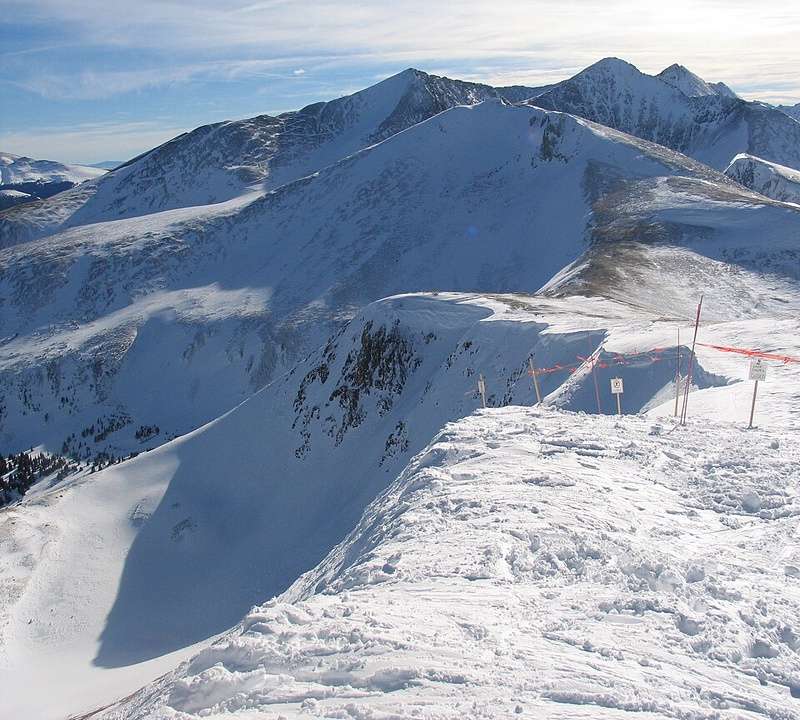
Best for: Walkable main-street energy, groups who want skiing plus town life, people who like having lots of dining and lodging choices.
Town feel: Busy, lively, and very “ski trip” in the best and worst ways. When it’s crowded, it’s crowded. But it’s also easy to have a good time without trying too hard.
What people forget: If you’re driving, timing and parking strategy matter. If you’re coming on a weekend, plan like it’s a popular place—because it is.
Vail
Best for: A polished resort-village experience, people who want convenience, and travelers who like a more upscale feel (and are okay paying for it).
Town feel: Gorgeous, curated, and designed around the visitor experience. If you want “easy mode,” it’s hard to beat. If you want something that feels locally scruffy or unpredictable… you might find it a bit too perfect.
What people forget: Convenience is part of the product, and it’s priced that way. Also, some visitors expect a “real town” and then realize it’s more of a resort village environment.
Steamboat Springs
Best for: People who want a real town atmosphere with strong mountain culture, plus plenty to do when you’re not skiing.
Town feel: This is one of those places that often feels like it has its own identity—more Western town than ski bubble. It’s a place where a normal evening can be as appealing as a big “après” plan.
What people forget: Steamboat has continued to evolve as a resort, including major on-mountain changes and lift upgrades in recent years, so it’s worth checking what’s new when you plan your routes and meeting points.
Telluride
Best for: A dramatic setting, a town with character, and travelers who don’t mind a longer travel day for a more distinct experience.
Town feel: Storybook in a box canyon. It’s the kind of place that can make you slow down a bit—sometimes because you want to, sometimes because you’re just staring at the scenery.
What people forget: Travel logistics can be more involved than the I-70 corridor. Some guides point out that you can connect through Denver and fly into Telluride, and that Montrose can be an alternative airport with direct flights from many U.S. cities. It’s doable, just not always “simple.”
Aspen
Best for: A high-end trip with serious skiing nearby, strong dining, and a town that feels like a destination even beyond winter.
Town feel: Glamorous, yes—but also genuinely beautiful and walkable. It can feel like you’re stepping into a snow-globe version of a cultural town, not just a ski base.
What people forget: Aspen is really a multi-mountain ecosystem (with several distinct ski areas around it), which can be a major upside for variety if your group skis at different levels.
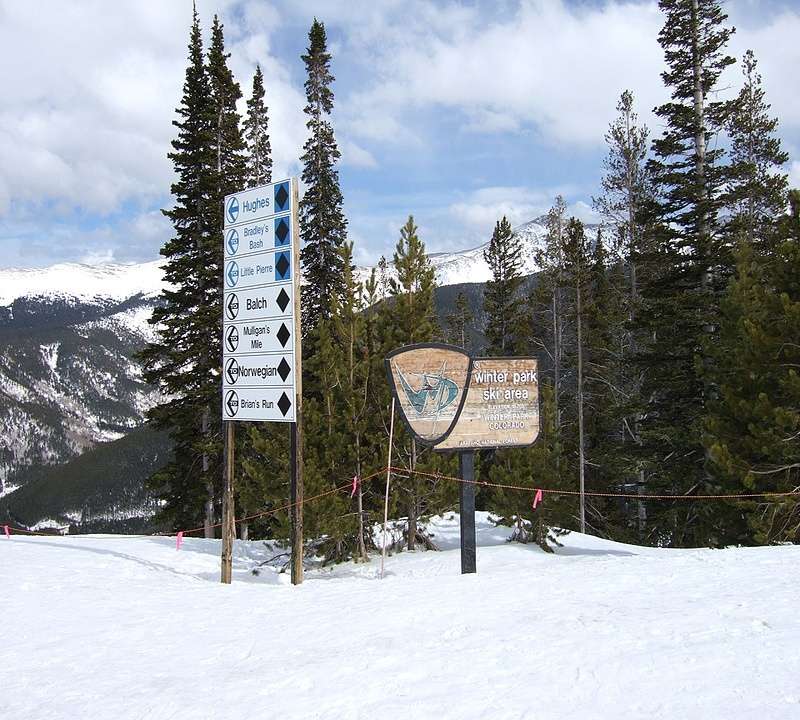
Winter Park
Best for: A straightforward mountain trip with a more relaxed vibe than some of the flashier resort centers, especially if you prioritize skiing over nightlife.
Town feel: Practical. Less scene-y. The kind of place where your day revolves around the mountain, then you pick a good meal and call it a night.
What people forget: It can be a smart choice when you want a Colorado ski trip that doesn’t feel like you’re constantly paying a “brand tax.” That said, you still want a plan for groceries, parking, and getting around, depending on where you stay.
Crested Butte
Best for: Travelers who want something a little more laid-back and outdoorsy, and who care about community feel as much as the ski map.
Town feel: Artsy, independent, and not overly polished. In summer, it’s widely loved for outdoor life—especially mountain biking culture and wildflowers—so it’s a good “return trip” town if you like places with strong seasons.
What people forget: It’s not the easiest “hop over for a weekend” destination for many travelers, but for the right trip length it can be exactly the point.
Frisco, Dillon, and Silverthorne (Summit County bases)
Best for: People who want options—especially if your group can’t agree on a single resort, or you want to chase conditions without moving hotels.
Town feel: More functional mountain towns than iconic “ski poster” towns. And I mean that as a compliment. You can often find a wider range of lodging styles here, plus everyday services that make a week-long stay easier.
What people forget: Being “in the middle of everything” can be a real advantage, but it also means you should plan your mornings like a commuter on busy days. The good news is: you’re not locked into one mountain.
Durango (gateway for southwest Colorado skiing)
Best for: A bigger, livelier mountain town base with broader dining and culture, especially if you’re pairing skiing with other Southwest Colorado exploring.
Town feel: More of a “real small city” than a resort town. That can be a relief if you want variety after a few days of ski-centric routines.
What people forget: It can be a practical base in part because of airport access in the region and the fact that you’re not relying on a single tiny village for every meal and errand.

The practical stuff that decides whether you enjoy the trip
Here’s what I wish more ski-town guides would admit: the skiing can be incredible, and you can still have a mediocre trip if your logistics are off. It’s like choosing a great hotel with a terrible location. You can do it. You just won’t love it.
Getting around: car, shuttle, or “walk everywhere”?
If you can truly walk to lifts, that’s the cleanest experience—especially for families or mixed groups who separate during the day. But some of the most satisfying town stays aren’t slopeside; they’re a short drive or shuttle away. The key is to decide which inconvenience you prefer: paying more for walkability, or dealing with daily transport.
Also, don’t underestimate how annoying it is to drive once you’re tired and hungry. It’s not dangerous if you’re prepared, but it’s mentally taxing. If you’re traveling with people who don’t love winter driving, prioritize transit simplicity even if it costs a bit more.
Budget reality (and the quiet ways costs creep in)
Lodging is usually the big one, but it’s not the only one. Parking fees, resort-area meals, last-minute gear needs, and “we’ll just grab breakfast out” can quietly add up. Sometimes staying in a practical base town and driving or shuttling is what makes the trip possible.
If your group is cost-sensitive, talk about it early. I know that sounds like group-trip therapy, but it prevents the classic scenario where two people are booking for comfort and two people are trying to keep it simple—and nobody says it out loud until you’re there.
Crowds, timing, and what “busy” really feels like
Colorado is popular for a reason. On peak weekends, some destinations feel like the entire continent decided to ski at the same time. You can still have a great trip—just adjust expectations and plan a little.
A few small tactics help:
– Ski earlier, take a longer lunch, ski later.
– If you’re taking lessons or renting gear, book ahead when you can.
– If your schedule allows, shift your skiing to weekdays and use weekends for town time.
If you’re planning beyond winter
It’s worth remembering that many colorado ski towns are legitimately fun in summer and shoulder seasons. Colorado tourism highlights that towns like Vail, Breckenridge, Crested Butte, and Winter Park become summer playgrounds for hiking, cycling, fishing, events, dining, and cultural attractions. It even points out that alpine slides and mountain coasters exist in places you might not expect, including Winter Park and Breckenridge (and several others). That matters if you’re the kind of traveler who likes returning to the same place in a different season.
Three itineraries that make planning easier
It’s tempting to plan a ski trip like you plan a city trip—pack the schedule, keep moving. I think ski towns work better when you leave a little breathing room. Your body will probably ask for it anyway.
A 3-day “first Colorado ski trip” plan
Day 1: Arrive, settle in, gear pickup (or rental delivery), one easy dinner near where you’re staying.
Day 2: Full ski day; keep lunch flexible; choose a simple evening plan (one solid restaurant is enough).
Day 3: Half-day ski or a late start, then travel home without sprinting out the door.
A 5-day “family pace” plan
Day 1: Arrival + groceries + early night.
Day 2: Lessons day (for kids or adults); easy afternoon; low-key dinner.
Day 3: Ski together in the morning; non-ski activity in the afternoon (tubing, a walkable town afternoon, a warm drink somewhere cozy).
Day 4: Your biggest ski day (everyone is more acclimated); plan one “special” dinner.
Day 5: Pack + short activity + travel.
A 7-day “ski + town time” plan
Days 1–2: Settle in + two ski days.
Day 3: Rest morning; town afternoon; nice dinner.
Days 4–5: Two ski days; one can be a “try something new” day (a different mountain if you’re based somewhere central).
Day 6: Flexible day—either one more ski day or an off-slope day if weather is rough or legs are done.
Day 7: Easy morning + travel.
Common mistakes (and how to avoid them)
Mistake #1: Choosing a famous name without checking the town. A place can be iconic on the mountain and still not match your off-slope preferences.
Mistake #2: Underestimating winter transportation. If you’re not comfortable driving in snow, plan around walkability, shuttles, or a base that keeps driving minimal.
Mistake #3: Assuming every ski town has a “downtown.” Some have one. Some have a village. Some have a main road with a few clusters. You’ll enjoy it more if you know what you’re arriving to.
Mistake #4: Planning every night like it’s a big night. Ski days are tiring. It’s okay—better, even—to plan one or two memorable evenings and keep the rest simple.
Conclusion
The best colorado ski towns are the ones that match your real priorities—not the ones that look best on a list. If you want the fastest path to a decision, start with access and trip length, then choose the town vibe you’ll actually enjoy at night. And if you’re stuck between a couple of options, it usually helps to decide whether you care more about walking to lifts or having a town you’d happily explore even if you didn’t ski that day.
For the next step, you can dive into the more specific guides: colorado ski towns near Denver, the honest explainer on colorado ski towns vs ski resorts, and a running list of things to do in colorado ski towns. If you tell me your budget range and whether you’re traveling with beginners, I can suggest two or three towns that fit without forcing it.