Is Aruba Safe for Beaches and Swimming?

Why beach safety matters more than most people expect
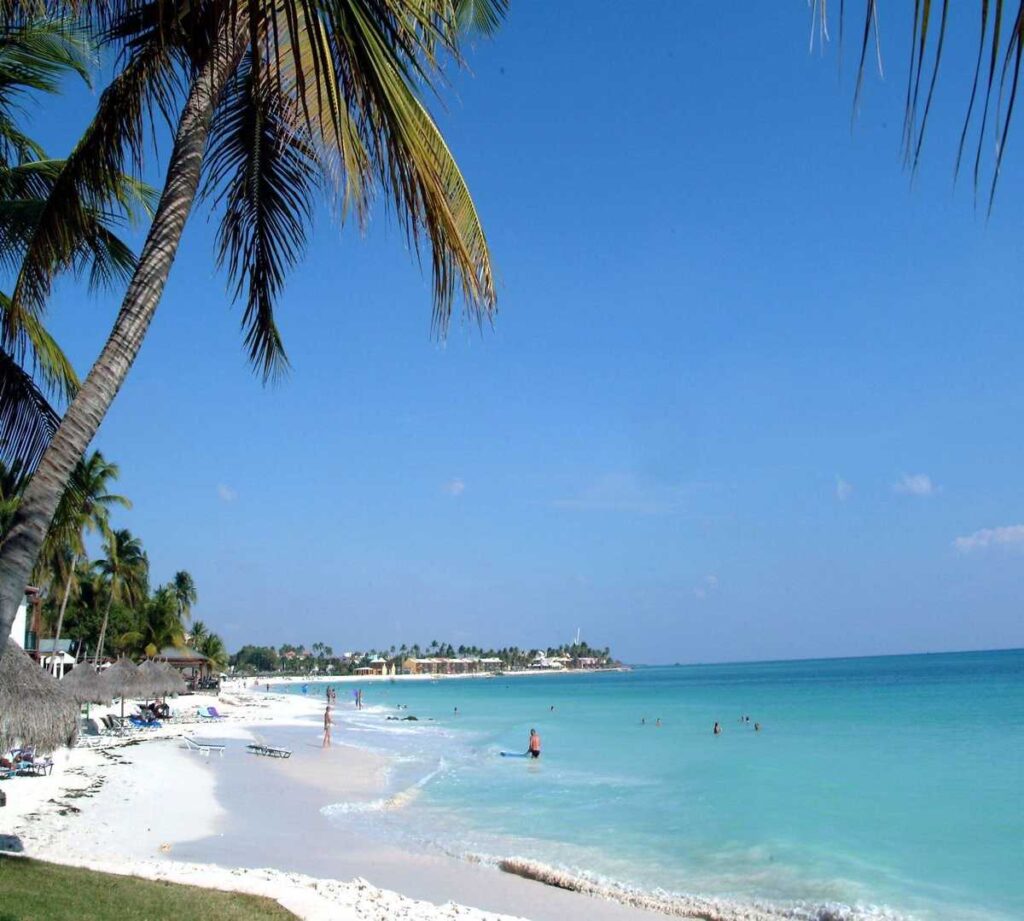
Aruba’s beaches can look almost too inviting: clear water, bright sun, that easy “nothing bad happens here” mood.
And sure, many swimming areas are calm. But official guidance still flags water risk as a real issue.
The Government of Canada puts it bluntly: coastal waters can be dangerous, and rescue services may not be consistent with Canadian standards.
I read that line and immediately translate it into something practical—don’t treat a warning sign or a rough patch of water as a fun challenge.
Swim zones, buoys, and the temptation to go “just a little farther”
If there’s one beach habit to adopt in Aruba, it’s this: swim where you’re meant to swim.
The CDC’s guidance is simple and solid—swim only in designated swimming areas and obey warning flags.
Aruba’s official tourism site gets even more specific for the island: don’t venture beyond buoys because currents can pick up quickly. It’s the classic vacation misread—water looks calm, you feel strong, you assume it will stay that way.
Sometimes it does. Sometimes it doesn’t.
One small, slightly unromantic tip that helps: if you’re using a float, keep an eye on how quickly you’re drifting relative to fixed points on shore.
People don’t always notice movement until they’re surprisingly far out, and then they burn energy trying to “fix” it fast.
North coast: beautiful, dramatic, and often not for swimming
Aruba isn’t one uniform coastline. Conditions change depending on where you are on the island.
Aruba’s tourism site specifically warns that some beaches and coves on the north coast are not for swimming at all, and that it will be indicated by signs.
I think this is where travelers get tripped up, because “not for swimming” sounds like a mild suggestion.
It’s not. If a spot is signed as unsafe, treat it like you would a closed hiking trail: admire it, photograph it, and move on.
If you’re planning a day that mixes sightseeing with water time, consider separating them.
Do the wild coastline when you’re wearing shoes and carrying water, then do the swimming later in a clearly marked swimming area. You’ll feel less rushed, and you’ll make fewer impulsive choices.
How to read beach warnings without overthinking it
A lot of people want a neat checklist: green flag means yes, red flag means no, done.
Real life is messier. Flags and signs are still the best starting point, but your second layer is simply noticing what’s changing.
The CDC recommends staying alert to changing weather conditions and adjusting plans if conditions become unsafe.
That can be as basic as wind picking up, waves getting steeper, or fewer people in the water than you’d expect for the time of day. Sometimes the “vibe” is data, even if it’s not scientific.
A personal rule I like: if you need to convince yourself it’s fine, it probably isn’t.
That’s not Aruba-specific, but it applies perfectly on beaches.
Snorkeling, diving, and water sports: fun, but choose your guardrails
Choose reputable operators for tours and water activities
This phrase shows up in general safety advice because it’s one of the highest-leverage decisions you make.
Canada’s guidance is straightforward: if you’re doing water sports like scuba diving, jet skiing, or parasailing, ensure equipment is safe and in good condition, ensure helmets and life jackets are available, and avoid participating under the influence of alcohol or other substances.
That last piece can feel like a buzzkill, especially on a “tropical fun” day. But mixing alcohol with ocean activities is one of those risks that looks small—until you’re tired, sun-dazed, and not thinking clearly.
Practice safe boating—follow all boating safety laws
The CDC’s water safety guidance also calls out boating: practice safe boating, don’t drink alcohol if driving a boat, and always wear a life jacket. Even if you’re not “driving,” it’s worth taking that mindset onto any boat excursion.
If you’re the type who likes to be prepared (or you’re traveling with someone who is), it’s not a bad idea to read your operator reviews with one specific question in mind: “Do they talk about safety like adults?”
You can feel the difference in the details they mention.
Families: the beach can be relaxing and still require structure
Aruba can be a comfortable family destination, but kids change the risk math in the water.
Canada’s note about dangerous coastal waters and rescue services that may not match Canadian standards is especially relevant when children are involved.
If you want a simple system that doesn’t feel militaristic, try this: one adult is “water watcher” for a set time, phones away, and then you switch.
It sounds obvious, maybe even a bit intense, but it prevents that common moment where everyone assumes someone else is watching.
And yes, life jackets can feel like overkill in calm water.
But calm water is exactly where people get casual, and casual is where mistakes happen.
Health and comfort: sun, heat, and small injuries
Sometimes “beach safety” has nothing to do with currents.
It’s sunburn, dehydration, or a cut on coral or rocks that gets irritated because you kept swimming.
The CDC encourages packing protective items like sunscreen and a basic first aid kit.
That’s not glamorous, but it’s the kind of advice that keeps a great beach day from turning into a miserable night.
If you’re building a more complete trip plan, it may help to skim the broader safety guide again—especially the parts on health realities and travel prep: is Aruba safe? A realistic guide for travelers.
It connects the beach choices you make with the rest of your routine (transport, documents, insurance).
A quick “safe enough” framework (without killing the mood)
If you’re standing on a beach in Aruba and trying to decide whether to get in, I’d think about it in three questions:
are you in a designated swimming area, are there warning flags or signs, and do conditions feel stable right now?
When the answers are “yes, yes, yes,” you can usually relax.
When any answer becomes “maybe,” slow down. Ask staff. Watch for a few minutes. Choose a different spot.
The trip will still be good. I promise.
And if you want the non-water side of safety—taxis, rental cars, beach valuables, the stuff that makes people annoyed more than endangered—this companion post is useful: mistakes to avoid in Aruba.
Conclusion: is Aruba safe for beaches and swimming?
Is Aruba safe for beaches and swimming? In many places, yes—especially when you stay inside designated swimming areas, respect flags and signs, and don’t treat the ocean like a predictable pool.
The risk isn’t constant, but it is real, and Aruba’s own guidance about buoys and the north coast is there for a reason.
If you take one idea with you, make it this: beach safety in Aruba is mostly about resisting small, impulsive decisions.
The water will still be there in ten minutes, and choosing the safer option rarely ruins the day.
For the complete safety picture (crime, transport, documents, health), circle back to the is Aruba safe? A realistic guide for travelers.