mount kilimanjaro: a complete guide for curious climbers
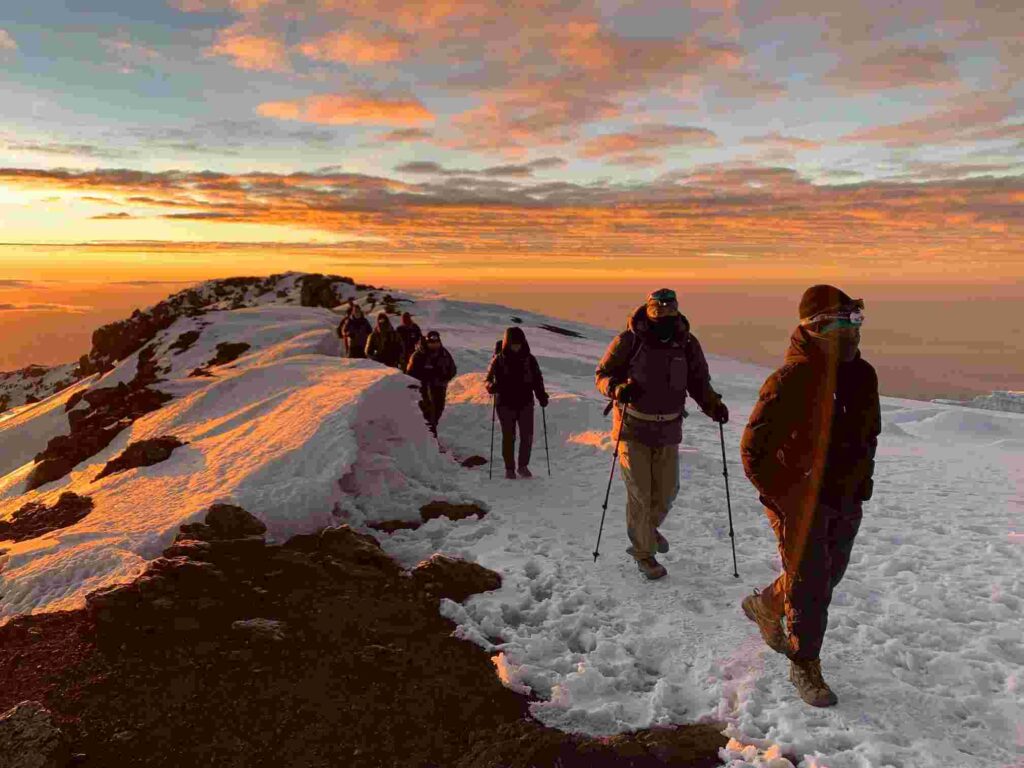
Mount Kilimanjaro has a way of getting under your skin. Even if you are just daydreaming at your desk right now, the idea of walking up through rainforest, moonlike rock, and finally crunching snow under your boots on the roof of Africa is hard to shake. This guide is here to help you understand what mount kilimanjaro really is, what it asks of you, and how to decide—calmly and honestly—whether it belongs in your life.
Think of this as a conversation with a well‑prepared friend rather than a brochure. You will get facts, yes, but also context: what it feels like, where people struggle, and how to prepare in a way that respects both your own limits and the mountain itself.
where is mount kilimanjaro and why it matters
a quick snapshot of the mountain
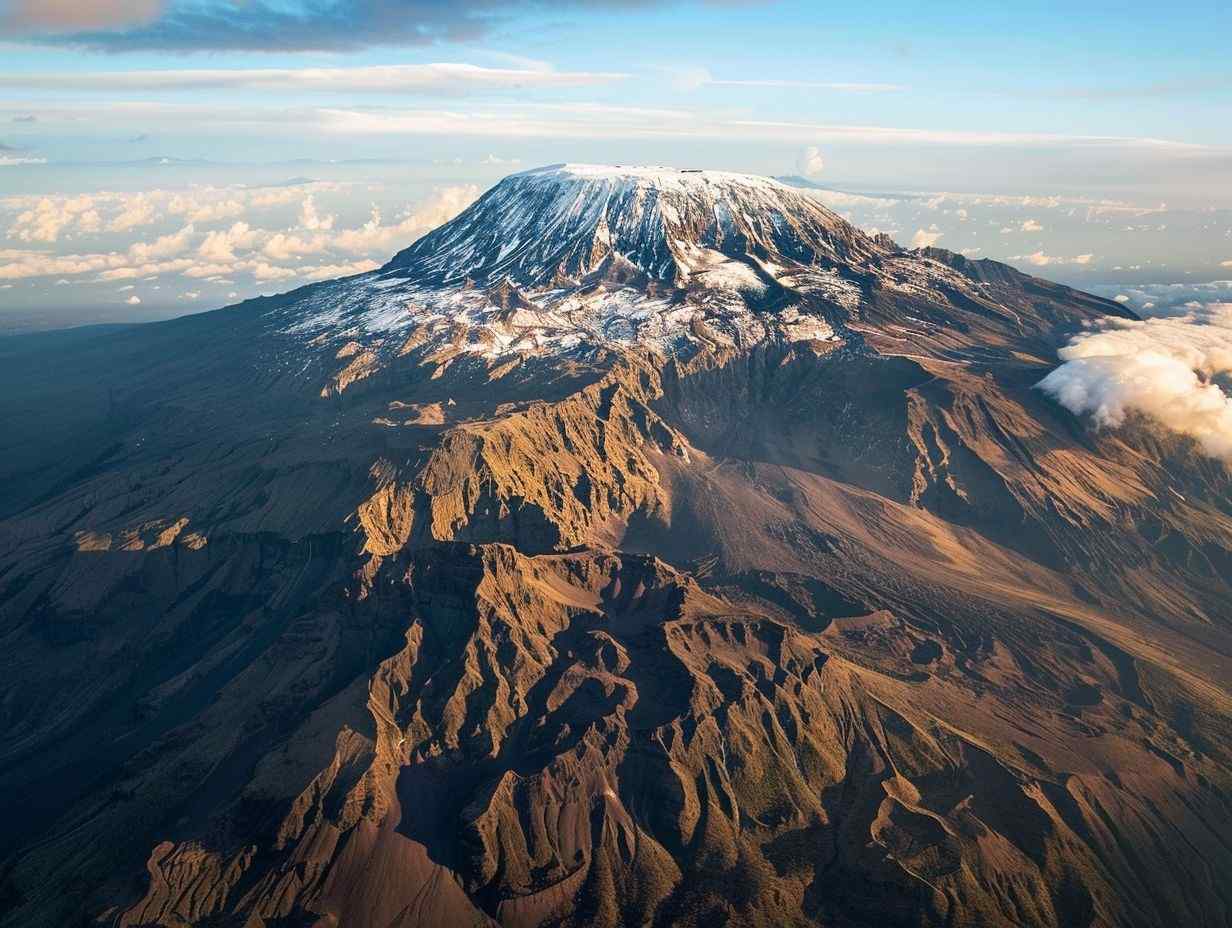
Mount Kilimanjaro rises out of northern Tanzania, not far from the border with Kenya, standing almost alone above the surrounding plains. It is the highest mountain in Africa, reaching 5,895 meters (19,341 feet) at its summit, Uhuru Peak. People sometimes call it the “roof of Africa,” and when you see how it dominates the horizon, that phrase suddenly makes a lot of sense.
Unlike many big peaks, Kilimanjaro is not part of a long mountain range. It is a free‑standing volcano, which means you start low, among farms and villages, and walk all the way up through changing bands of forest and rock until you hit ice. That vertical journey is part of what makes it so special.
a brief history of exploration and summits
For local communities, Kilimanjaro has always been there—a presence in stories, farming rhythms, and spiritual life. European explorers only began writing about it in the 19th century, at first doubting that snow could really exist so close to the equator. Eventually, expeditions pushed higher, and the first recorded summit came at the end of the 1800s.
Today, thousands of trekkers attempt the mountain each year. The gear looks different now, and routes are well established, but the basic challenge is still the same: slow, steady progress into thinner air, and the question, “Can I keep going?” echoing quietly in the background.
the cultures around kilimanjaro
The slopes of Kilimanjaro are home to the Chagga people and other local communities who have lived with the mountain for generations. Their lives are tied to its fertile volcanic soils, the streams running down its flanks, and, increasingly, the tourism economy that Kilimanjaro brings.
When you walk through villages on the way to the trailhead, you see small farms, coffee plants, banana trees, and kids walking to school as if this giant mountain were an ordinary backdrop. Guides, porters, cooks, and hotel staff often come from these communities. A respectful climb is not just about the summit; it is partly about how you interact with the people whose home this is.
the unique geography and climate of mount kilimanjaro
the three volcanic cones: kibo, mawenzi, shira
Geologically, Kilimanjaro is a stratovolcano made up of three main cones: Kibo, Mawenzi, and Shira. Kibo is the highest and youngest cone, and this is where Uhuru Peak sits. Mawenzi is a jagged, dramatic summit that looks more technical and is less frequently climbed. Shira, the oldest cone, has mostly collapsed, leaving a plateau that some routes traverse.
The key thing to know is that Kilimanjaro is considered a dormant volcano. There has been no recent eruption, but there is still some thermal activity deep inside. For trekkers, though, the real “volcanic” impact is simply the steep, massive bulk you have to walk up.
climate zones from rainforest to ice
One of the most memorable parts of a Kilimanjaro climb is how quickly the world changes around you. You start in thick, often misty rainforest, where the air is warm and humid and the sound of birds and insects fills the background. After a day or so, the forest thins into heath and moorland, with shrubby plants and larger views.
Higher up, you move into alpine desert—open, rocky ground with great sweeps of views and a sense of exposure. Temperatures swing more here, from warm sunshine to biting wind. Finally, as you approach the summit, you reach an icy zone where glaciers, snow patches, and frozen ground remind you that this is still a high mountain despite its location near the equator.
changing glaciers and conservation issues
Photos from decades ago show much larger glaciers on Kilimanjaro than you see today. Over the years, the ice on the upper slopes has shrunk significantly. Scientists link much of this change to global climate patterns, and while the exact timelines vary in different studies, the overall trend is clear: the ice is retreating.
Kilimanjaro National Park exists partly to protect this fragile environment. Park rules—like staying on trails, packing out waste where required, and respecting wildlife—are not just bureaucracy. They are tools for keeping a heavily visited mountain from being loved to death. Every climber has a small role in that.
is climbing mount kilimanjaro for you?
how hard is kilimanjaro, really?
Kilimanjaro is often described as a “trek, not a technical climb,” and that is true. You will not be using ropes or climbing tools. But that phrase can be misleading if it makes the challenge sound easy. The real difficulty comes from long days on your feet, big elevation gains, and the effects of altitude as you get higher.
Many reasonably fit people can climb Kilimanjaro if they give themselves enough time to acclimatize and prepare properly. At the same time, summit night in particular can feel brutal: you leave camp in the dark, climb slowly for hours in the cold, and mentally wrestle with fatigue and doubt. It is more of a mental and endurance test than a “technical” one.
common fears (and which ones are worth listening to)
Almost every future climber worries about altitude sickness, and honestly, that concern is healthy. Altitude affects people differently, and even strong athletes can struggle. Paying attention to symptoms, being honest with your guide, and choosing a route with more days on the mountain are sensible ways to respect that risk rather than pretend it does not exist.
Other fears—like the idea of camping, using basic toilets, or being cold—are more about comfort than safety. They are real, of course, and it helps to acknowledge them. But with the right mindset and gear, those discomforts become part of the story rather than reasons not to go.
who probably should not climb
Some people are better off skipping a Kilimanjaro attempt, or at least getting detailed medical clearance first. If you have heart or lung conditions, serious mobility issues, or a history of severe altitude reactions, it is not something to take lightly. A candid discussion with a physician who understands high‑altitude trekking is essential.
There is also a more subtle category: people who cannot or will not give the mountain enough time. Trying to cram a climb into the absolute minimum days, just to tick a box, increases risks and lowers your chances of enjoying the experience. Kilimanjaro rewards patience.
choosing the best kilimanjaro route
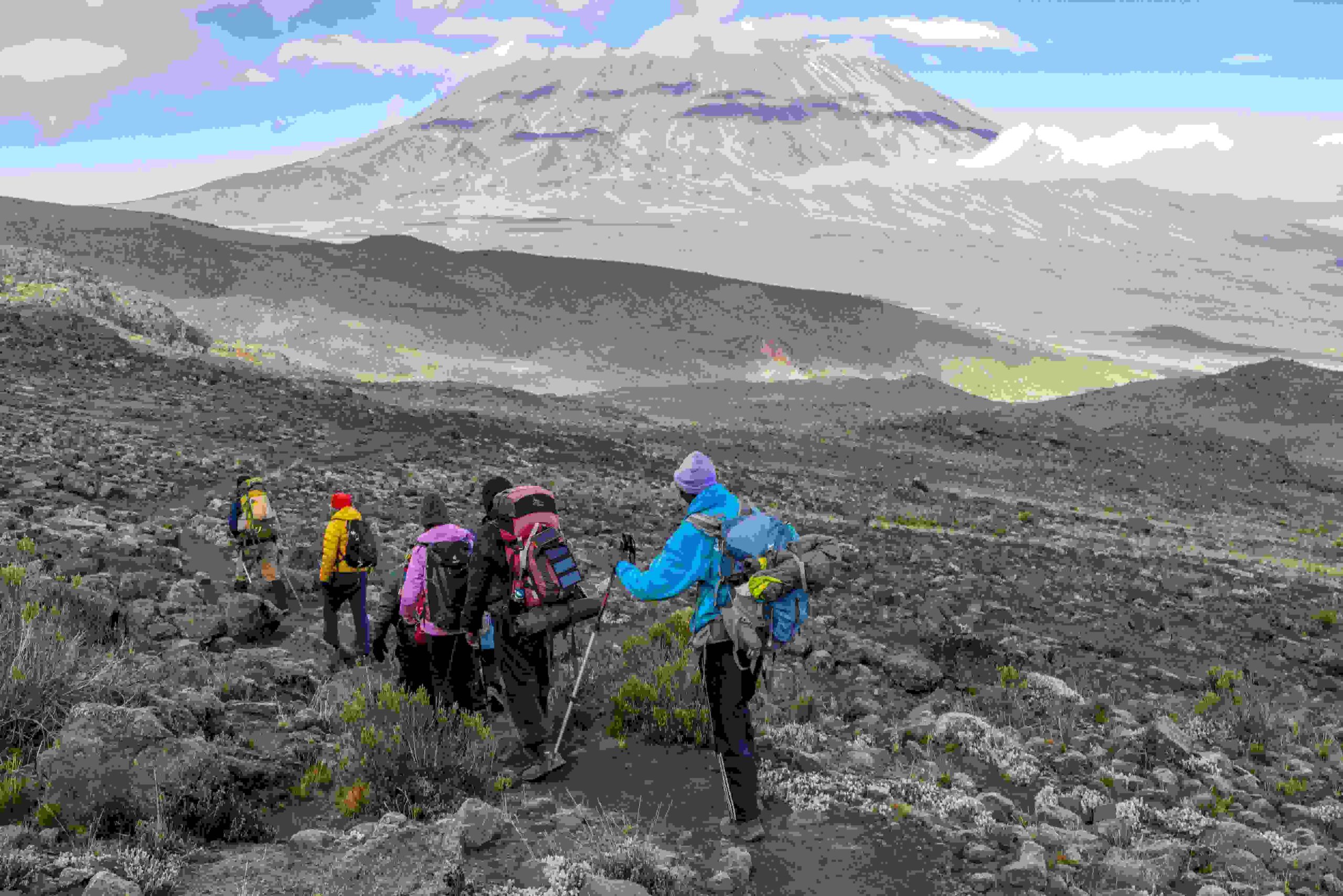
One of the first big decisions is choosing a route. This is where people often feel overwhelmed by names—Machame, Marangu, Lemosho, Rongai, Northern Circuit, Umbwe, Shira—and conflicting advice. Each route has its own character, and the “best” one depends on who you are and what you want from the climb.
If you want a complete, route‑by‑route breakdown with pros, cons, and sample itineraries, it is worth diving into a dedicated Kilimanjaro routes guide. For now, let us sketch the big picture so you can start narrowing things down.
the main routes at a glance
Machame is a very popular route, often called the “Whiskey Route,” known for its varied scenery and good acclimatization profile over six or seven days. Marangu, sometimes nicknamed the “Coca‑Cola Route,” uses basic huts instead of tents and is one of the older, more established lines, but it has a reputation for being busier and less scenic in places.
Lemosho generally offers beautiful views and a strong acclimatization profile over a longer itinerary, making it a favorite for many first‑time trekkers who want a better balance of comfort and success rates. Rongai approaches from the north and tends to be quieter and drier. The Northern Circuit is one of the longest options and circles around Kibo, giving excellent acclimatization and fewer crowds. Umbwe is steep and direct, better suited to very experienced hikers who understand altitude risks well.
comparison table of kilimanjaro routes
A simple way to think about routes is to look at three things: number of days, acclimatization, and crowd levels. Longer routes like Lemosho and the Northern Circuit give your body more time to adjust, which usually improves summit chances. Shorter routes might appeal to your schedule or budget but can feel tougher on your body.
In your own notes, it can help to sketch a quick table: list each route, note the typical length, rank the difficulty from your perspective, and mark whether it is often busier or quieter. This makes it easier to talk to guiding companies later and ask specific questions instead of saying, “I have no idea where to start.”
which kilimanjaro route is best for beginners?
For many first‑time trekkers, a seven or eight‑day version of Lemosho or a well‑paced Machame itinerary strikes a good balance of scenery, acclimatization, and overall enjoyment. A longer Northern Circuit climb can also work beautifully if you have the time and budget, because slow, sustained ascent is your friend.
Routes like Umbwe are better kept for those with significant high‑altitude hiking experience. If you are just starting, letting yourself choose a slightly longer, more forgiving itinerary is not a sign of weakness; it is a sign of respect for the mountain and for your own body. For a deeper dive, you can return later to that dedicated best Kilimanjaro routes article once the basics here have settled in.
when is the best time to climb mount kilimanjaro?
Timing can make a big difference to what your climb feels like. You might picture clear blue skies and crisp mornings, but depending on the month, you could also meet rain, fog, or heavy cloud. Kilimanjaro can be climbed most of the year, but some periods are friendlier than others.
Because there is a lot to say about seasons, temperatures, and crowd patterns, it is useful to have a separate best time to climb Kilimanjaro guide as a companion to this pillar article. Here, the goal is to give you a clear overview, so you know why certain months are recommended more often.
kili weather by season
Kilimanjaro sits close to the equator, so it does not have sharply defined “summer” and “winter” in the same way some places do. Instead, climbers tend to think in terms of drier and wetter periods. The main dry seasons often bring clearer skies and less rain, making trails more comfortable and views more reliable.
The wetter seasons can mean muddy lower trails, clouds hiding the views, and more challenging conditions overall. That said, some people actually prefer these times because the mountain can be quieter, and those moody, cloud‑wrapped landscapes have their own beauty.
matching timing to your priorities
If your top priority is a higher chance of good weather and you do not mind sharing the mountain with more people, you may aim for one of the main dry periods. If you care more about fewer crowds and do not mind a bit more unpredictability, shoulder seasons might be appealing.
It is also worth thinking backwards from your own life. How much time do you need to train? When can you realistically take a block of time off work or family responsibilities? The “best” time on paper does not help much if you arrive underprepared or stressed.
how to train for mount kilimanjaro
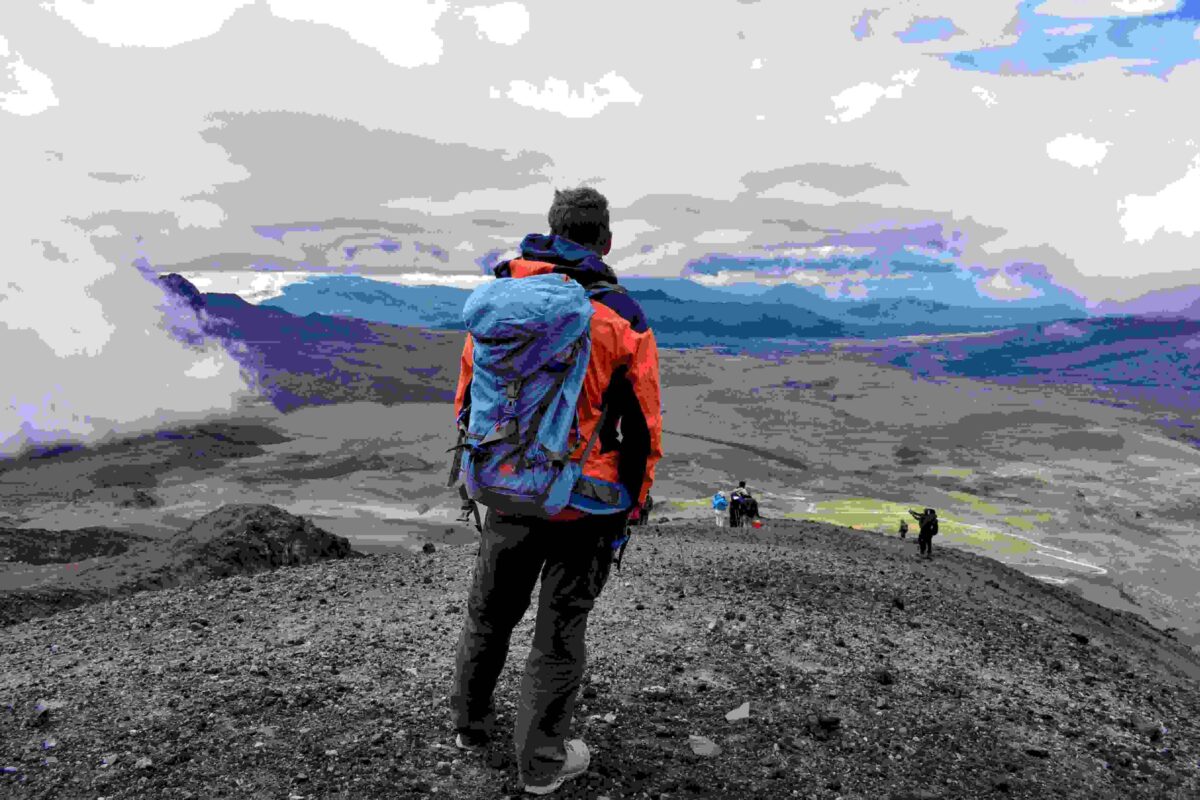
Training for Kilimanjaro does not require super‑athlete status, but it does require consistency. The goal is simple: you want your body to be used to walking uphill for hours, multiple days in a row, while carrying a light pack. This is less about speed and more about steady endurance.
If you want a more structured, week‑by‑week outline, you might later explore a detailed Kilimanjaro training plan. For now, it is enough to understand the basic ingredients: cardio, strength, practice hikes, and a bit of mental preparation.
how fit do you really need to be?
You do not need to be a marathon runner. But you should be comfortable with several hours of walking on uneven terrain, preferably with some uphill sections, without feeling completely drained. If a long day of hiking already fits into your life now and then, you are starting from a decent base.
If that sounds far from your current reality, that is still okay. It just means giving yourself more time to build up slowly. Think months, not days, so your body and joints have a chance to adapt without injury.
a simple 12‑week training framework
A typical 12‑week build‑up might include three or four sessions per week of brisk walking, jogging, or cycling for cardiovascular fitness, plus one or two strength sessions focusing on legs, core, and balance. Over time, you gradually increase the duration and intensity rather than jumping into anything extreme.
On weekends, adding progressively longer hikes—ideally with some hills and a small backpack—helps you mimic the feeling of days on the mountain. Perhaps you start with two hours, then three, and eventually build up to five or six. The details can vary, but the idea is simple: teach your body that this kind of effort is normal.
practicing with your gear and backpack
One quiet mistake many people make is training without the gear they will actually use. New boots, different socks, a backpack that rubs in a strange place—these things are best discovered close to home, not halfway up Kilimanjaro.
Try to do at least a few of your longer practice hikes with your intended boots, pack, and basic clothing system. It might feel slightly over‑the‑top, but you are essentially rehearsing for summit day, and that familiarity can reduce both blisters and anxiety.
essential gear for mount kilimanjaro (without overpacking)
Gear lists for Kilimanjaro can feel intimidating. Some of them read like you need an entire outdoor store just to survive one night. The truth is a bit gentler: you need a solid layering system, decent footwear, a warm sleeping setup, and a collection of small items that make life easier.
Many guiding companies provide a detailed list, and you should always cross‑check with them, but it helps to understand the logic behind the items rather than just ticking boxes blindly.

must‑have clothing layers
A basic layering system usually includes moisture‑wicking base layers, insulating mid‑layers like fleece or light down, and a waterproof, windproof shell. On the lower slopes, you might be in a simple shirt and light trousers. Higher up, especially on summit night, you may be wearing almost everything you brought at once.
Hands, head, and neck need attention too. Warm gloves, a hat or beanie, and perhaps a buff or neck gaiter can make the difference between feeling merely cold and miserably cold. It is worth slightly over‑preparing here, even if you end up packing one or two things you rarely use.
footwear, backpacks, and sleep systems
For boots, comfort and fit matter more than brand names. Lightweight to mid‑weight hiking boots with some ankle support and a grippy sole usually work well. Make sure they are broken in before the trip; new‑boot blisters are a very avoidable form of suffering.
A daypack in the 25–35 liter range is usually enough to carry water, extra layers, snacks, and personal items during the day, while larger gear is typically carried by porters. At night, you will want a sleeping bag rated for cold temperatures appropriate to high altitude, plus an insulating pad if the operator does not provide one.
small items that make a big difference
There are a handful of small pieces of gear that consistently feel “worth their weight.” A reliable headlamp, spare batteries, and a simple power bank make evenings and summit night smoother. Water bottles or a hydration bladder, plus a way to treat water if needed, help you stay on top of hydration.
Basic blister care, pain relief, personal hygiene items, and perhaps a small notebook or e‑reader can also improve your day‑to‑day experience. None of these are glamorous, but on day five, a clean pair of socks and a functioning headlamp can feel like luxury.
health, safety, and altitude on kilimanjaro
Talking honestly about health and safety on Kilimanjaro is not meant to scare you; it is meant to give you agency. Understanding the basics of altitude, hydration, and pacing allows you to be an active partner in your own safety, not just a passenger.
understanding altitude sickness in plain language
As you climb higher, the air gets thinner, and your body has to work harder to get enough oxygen. For some people, this simply feels like extra effort and heavier breathing. For others, it can cause headaches, nausea, dizziness, or difficulty sleeping.
The important thing is to recognize symptoms early and communicate them. Mild discomfort can often be managed with rest, hydration, and slower pacing. More serious symptoms require immediate attention and sometimes a descent. This is one area where listening to your guide and being honest about how you feel is crucial.
safe ascent profiles and why extra days matter
One of the safest decisions you can make is to choose a longer itinerary—often seven or more days—so your body has time to adjust. Rapid ascents may save money or days off work but can increase the risk of altitude issues and reduce your chances of reaching the summit.
Many itineraries are designed with a “climb high, sleep low” pattern, where you ascend higher during the day and then return to a lower camp to sleep. This pattern helps your body adapt more smoothly. It might feel a bit counterintuitive at first (“Why are we going down again?”), but there is a clear logic behind it.
choosing a responsible operator
A good guiding company does more than just cook meals and carry tents. They train their guides in altitude awareness and first aid, carry appropriate safety equipment, and have clear procedures for dealing with problems. When you research operators, ask about guide training, emergency plans, communication systems, and how they monitor clients’ health.
It might feel awkward to ask direct questions up front, but a professional operator will not be offended. In fact, they will probably respect you more for caring about safety and porter welfare. Price is important, of course, but ultra‑cheap options often cut corners somewhere—and that “somewhere” is rarely worth the risk.

costs, tipping, and ethical travel on mount kilimanjaro
Climbing Kilimanjaro is not a cheap trip. By the time you add park fees, guides, porters, food, gear, and logistics, the cost can surprise people who expected a simple hike. Understanding where the money goes helps you evaluate offers more fairly and avoid false bargains.
what a kilimanjaro climb really costs
Exact numbers vary by route length, company, group size, and comfort level. Budget operators may offer lower prices with basic equipment and fewer extras, while mid‑range and premium outfits charge more for better staff wages, gear, and overall support. International flights, visas, and pre‑ or post‑climb accommodation add to the total.
When comparing options, it helps to look beyond the headline price. Ask what is included and what is not: airport transfers, hotel nights, equipment rental, tips, and medical or evacuation coverage are all part of the bigger picture.
how tipping works on kilimanjaro
Tipping is a standard and important part of Kilimanjaro culture. Guides, porters, and cooks depend on tips as a significant portion of their income. Most companies provide suggested ranges per day for different roles, which can be pooled within a group and distributed at the end of the climb.
It may feel a bit unfamiliar if you are not used to this system, but try to see it as a direct way to show appreciation for the people who literally carry much of your load up the mountain. Clear communication, transparency about who receives what, and group discussions can keep this part of the trip respectful and fair.
porter welfare and responsible tourism
Porters are the backbone of Kilimanjaro climbs. They carry tents, food, and much of the equipment that makes your experience comfortable. Unfortunately, there have been cases of underpaid, overloaded, or poorly equipped porters, which is why awareness and scrutiny matter.
When choosing an operator, look for clear commitments to porter welfare: reasonable load limits, proper clothing, fair wages, and adequate food and shelter. Asking these questions may feel slightly uncomfortable, but you are helping to support better practices and showing respect for the people who make your summit attempt possible.
what a typical kilimanjaro day feels like
It is one thing to know the facts about distance and elevation, and another to imagine what your actual day might feel like. Daily life on Kilimanjaro has its own rhythm, and while every group is different, certain patterns appear again and again.
from wake‑up to campfire
Mornings typically start early. You might wake to a gentle call outside your tent and a hot drink handed to you, along with a bowl of warm water to wash. The air can be chilly, especially higher up, so you often dress in layers before stepping into the bright morning light.
After breakfast, the group sets off at a steady, almost deliberately slow pace. Guides often repeat a phrase meaning “slowly” to encourage that rhythm. You walk, pause, drink water, adjust a layer, and walk some more. Eventually, you reach camp, where tents are already up. There is time to rest, chat, perhaps read, and watch the light change over the landscape before dinner and an early night.
summit night: what it is really like
Summit night (or very early morning) is different. You wake in the dark, pull on most of your layers, and step into cold air under a sky that, on clear nights, feels almost too full of stars. The climb starts slowly up a long slope, and you see a line of headlamps moving above you like a string of tiny planets.
This part is rarely comfortable. The air is thin, steps are slow, and the hours blur together. Many people go quiet, just focusing on the next few meters of trail. When the horizon finally lightens and you approach the crater rim, fatigue mixes with relief. Whether you reach Uhuru Peak or not, that long, cold walk tends to stay with you.
frequently asked questions about mount kilimanjaro
can you climb kilimanjaro without mountaineering experience?
Yes, many people climb Kilimanjaro without prior technical mountaineering experience. What you do need is basic hiking fitness, willingness to train, and respect for altitude. Trekking experience helps, but ropes and advanced climbing skills are not required on the standard routes.
do you need technical climbing skills?
On the usual trekking routes, no ropes or specialized climbing tools are needed. You walk on trails, sometimes steep and rocky, but still walking. Good balance, care with your footing, and stamina are more important here than technical climbing ability.
how many days do you need for a kilimanjaro climb?
While some itineraries claim to reach the summit in as few as five days, many experts recommend seven days or more for better acclimatization and a higher chance of success. Longer routes allow your body to adapt more gently to altitude, which often means a safer and more enjoyable experience.
is it safe to travel to tanzania for this?
Safety is a mix of factors: local conditions, health precautions, and your own choices. Most people who travel to Tanzania for Kilimanjaro have smooth, positive trips, especially when using reputable operators and paying attention to basic travel advice. It is always wise to check up‑to‑date travel guidelines, get necessary vaccinations, and ensure you have appropriate travel insurance.
conclusion: is mount kilimanjaro worth it for you?
In the end, mount kilimanjaro is not just a tick on a bucket list. It is a demanding, strangely gentle test of patience and persistence, wrapped in changing landscapes and shared with a team of people you may only have just met. Some climbers say the summit was the highlight; others quietly feel that the real impact came in the long, slow days before it.