
Things to do in New York: a local-feeling guide

If you’re searching for things to do in new york, you’re probably hoping for two different things at once. You want the big, “I can’t believe I’m here” moments. But you also want the city to feel manageable—like you’re not sprinting from one famous corner to another, slightly stressed, clutching a cold coffee.
I think the easiest way to enjoy New York City is to stop treating it like a checklist. Pick a few anchor experiences each day, keep them in the same general area, and let the in-between parts count. Because honestly, the walk between places is half the point in NYC.
This guide is designed to help you make good trade-offs: time vs. money, iconic vs. calm, “wow” views vs. “I need a sit-down.” If you want a simple plan to follow, you’ll probably like the approach in my 3-day things to do in new york itinerary—but if you’re still deciding what’s worth your time, start here.
How to choose the best things to do (without overplanning)
New York can make you feel like you’re behind schedule the moment you arrive. So let’s set a more realistic goal: each day, aim for one “must,” one “nice-to-do,” and one “wandering slot.” That wandering slot is where you’ll end up on a random block that smells like bagels, or you’ll drift into a small bookstore, or you’ll just sit in a park and watch the city move.
Also, a small confession: I love planning, and I still think NYC punishes overplanning. Subway delays happen. Weather changes. Your feet start negotiating. And sometimes the line for a famous spot is long enough that you suddenly care a lot less about that spot.
If budget matters (and it usually does), you don’t need to strip your trip down to “just walking.” There are genuinely memorable free things to do in new york that feel like you’re getting away with something, in a good way.
Things to do in new york by neighborhood
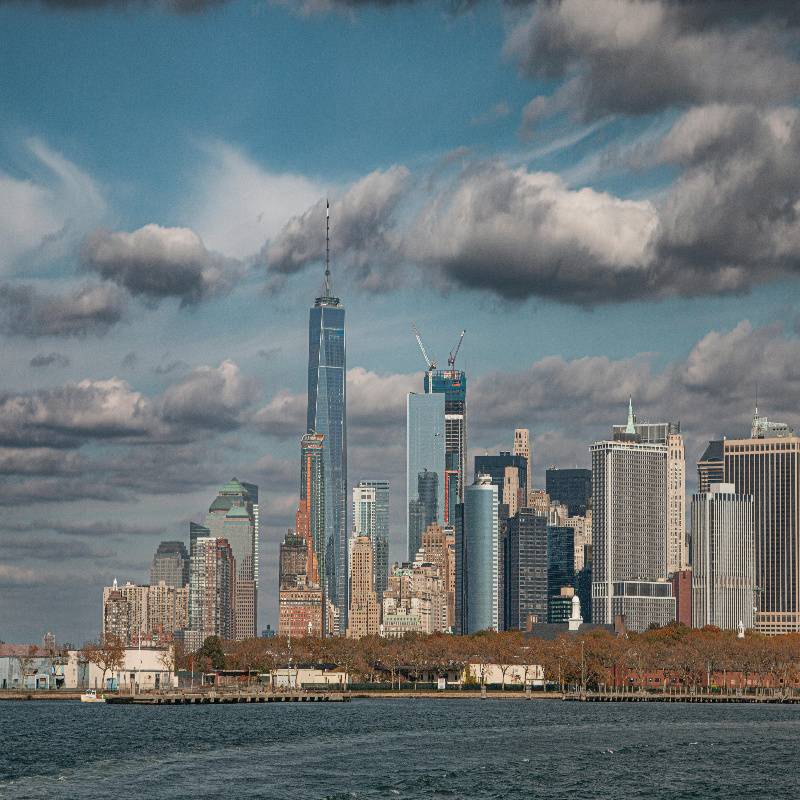
NYC is basically a patchwork of neighborhoods that feel like their own little worlds. The official tourism folks describe the city as made up of hundreds of communities, and that’s not an exaggeration—your experience changes dramatically if you’re in the Financial District vs. the West Village vs. Brooklyn waterfront. It’s why “just seeing New York” is… not really a single thing.
So below, I’m grouping ideas by area. If you do nothing else, do this: avoid zig-zagging across Manhattan all day. It looks doable on a map and then it quietly eats your time.
Lower Manhattan: history, harbors, and a surprisingly good reset
Lower Manhattan is one of those places where New York feels older, sharper, and a bit more dramatic. You can do something meaningful, see classic skyline angles, and still end up by the water when you need a breather.
Start with the 9/11 Memorial area if that’s on your list. Give yourself time. Even if you don’t go into a museum, the space tends to slow people down in a way NYC rarely does.
Then wander toward the Financial District. Wall Street is busy and a little theatrical, but it’s also the kind of “this is really New York” scene that first-time visitors secretly want. If you’re into architecture, look up more than you think you should—Lower Manhattan has some genuinely beautiful contrasts.
When you’re ready for views without paying for a deck ticket, consider the Staten Island Ferry. NYC DOT operates it year-round and it’s free to ride, with about a 25-minute trip each way between Whitehall (Manhattan) and St. George (Staten Island). The “hack” here is simple: stand outside if the weather is decent, and treat it like a mini harbor cruise.
If you want to keep the whole day budget-friendly, you can pair this area with ideas from my free things to do in new york guide—Lower Manhattan is one of the easiest places to stack “big feeling” experiences without stacking costs.
Midtown: the iconic stuff (done in a way that still feels human)
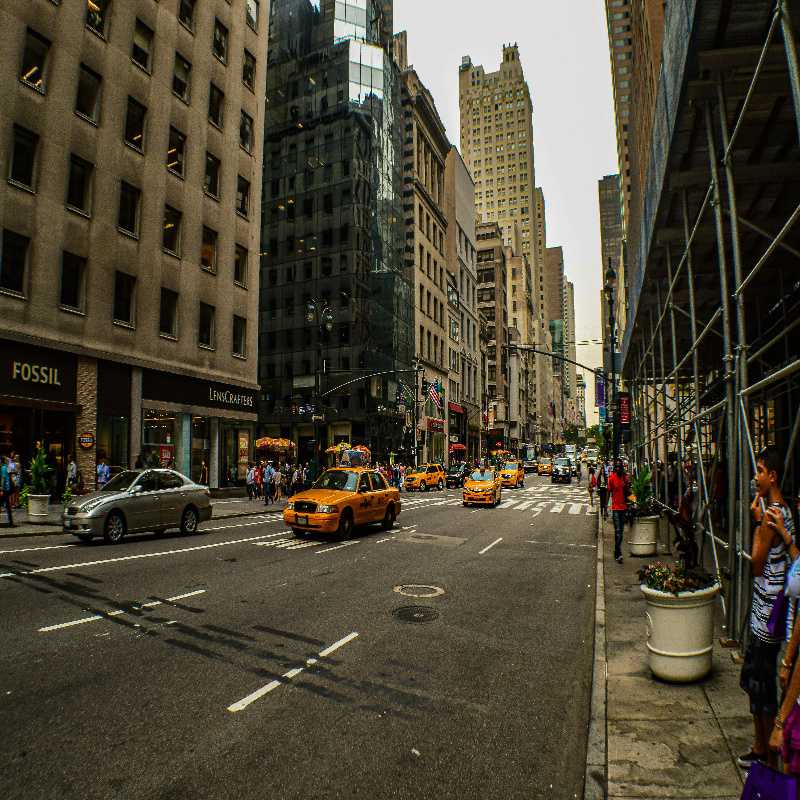
Midtown is where a lot of the postcard New York lives. It’s also where you can accidentally spend half the day in lines, dodging crowds, and wondering why everyone is walking so fast. So yes, go to Midtown. But go with a plan.
Here’s the version I like: pick one skyline view, one classic landmark cluster, and one evening thing. That’s it. Anything more and the day starts to blur.
Skyline view: choose one observation deck and commit. There are several great options, and they’re not interchangeable. Some people want the highest possible view. Others want outdoor terraces for photos. A few just want to be warm, have a drink, and stare at the city for a while without being pushed along.
Classic landmarks: Rockefeller Center, Times Square (even if it’s not your favorite, it’s still a New York rite of passage), and the big avenues are all here. Midtown is also where many first-time visitors end up, because it concentrates so many “must-do” sights in a compact area.
Evening: go to a show if you can. Broadway is the obvious choice, but even if you’re not a theater person, it’s a distinct NYC night out. If you want a more structured day-by-day approach, my 3-day things to do in new york itinerary shows how to fit Midtown in without turning it into an endurance sport.
One more honest note: Midtown can feel “too much” at the wrong hour. If you can, do your main Midtown sightseeing earlier, then let the evening be calmer—good dinner, a show, a slow walk afterward.
Central Park + the Upper East/West: your built-in “take a breath” day
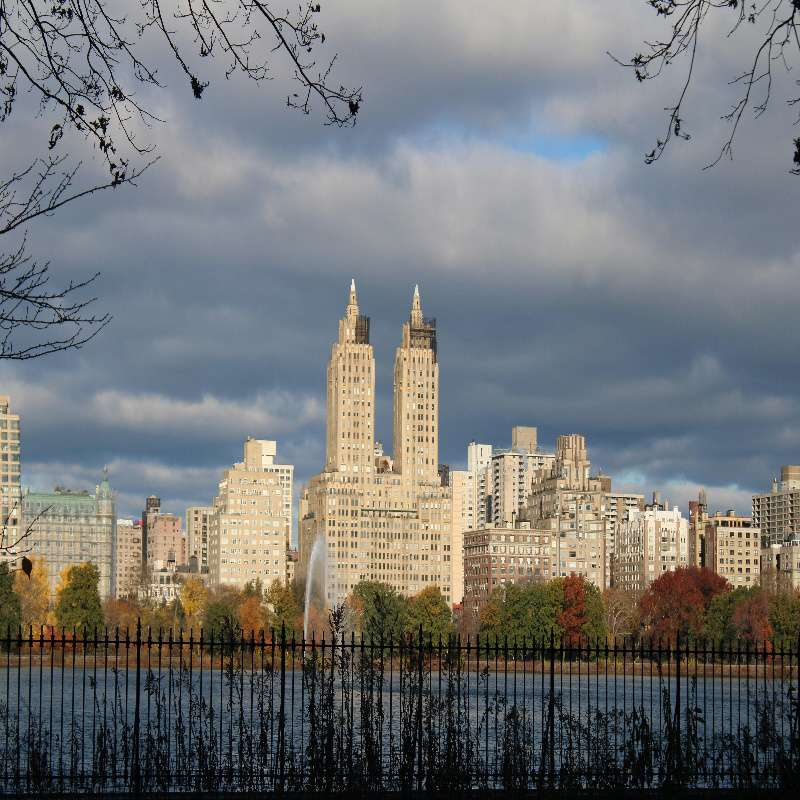
Central Park is not a quick stop unless you deliberately make it one. It’s about 843 acres, which is a fancy way of saying: it’s enormous, and trying to “see all of it” in one go is how people end up cranky.
I think the best way to do Central Park is to pick a mood:
For classic scenery: aim for Bethesda Terrace and the lake area. It’s iconic for a reason—sometimes the popular spots are popular because they’re actually good.
For a longer walk: do a loop that keeps you on comfortable paths and gives you a few exits, so you can bail when your legs decide they’re done.
Then add one cultural stop nearby. The Upper East Side is famous for Museum Mile, and the Upper West Side has major institutions too. If museums are your thing, you could easily spend an entire day doing “Park + museum + long lunch” and call it a win.
If you’re hunting for more unusual, less obvious stops—small museums, niche collections, places that feel like you stumbled onto them—keep a tab open for my hidden gems things to do in new york list. That’s often the better companion to a Central Park day than yet another “Top 10” roundup.
Chelsea + the High Line: an easy, walkable NYC day
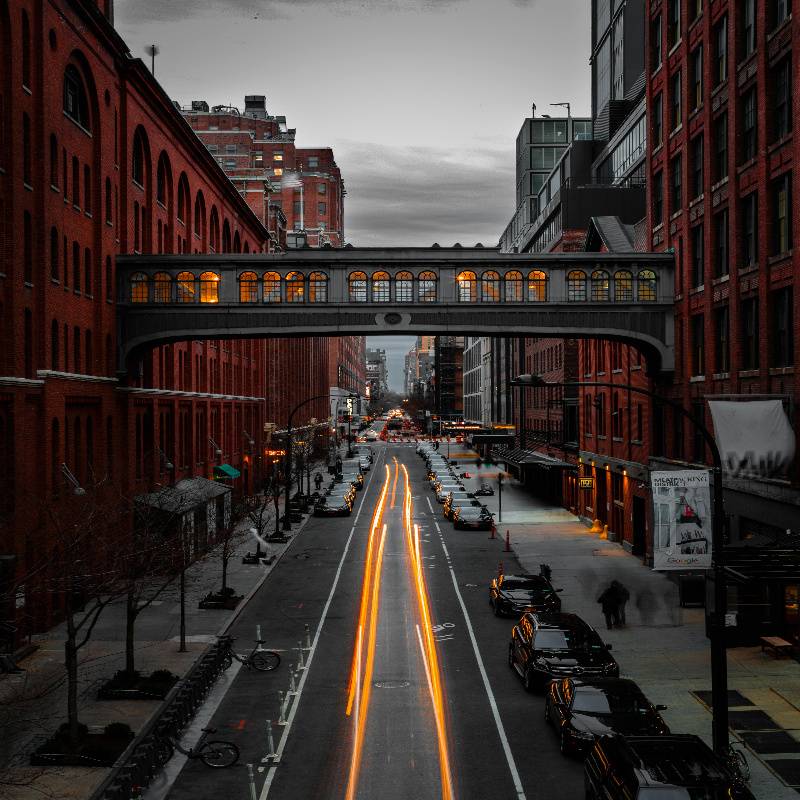
Chelsea is one of my favorite areas for visitors who want New York to feel stylish but not intimidating. You can walk a lot without it feeling like you’re battling the city.
The High Line is the obvious anchor here: an elevated park with views that keep changing as you move. It’s especially nice in the late afternoon when the light starts doing interesting things to the buildings. Just keep in mind it can get crowded, and you might need to accept a slower pace. That’s not always bad, but it’s not everyone’s idea of relaxing.
From there, you can drift toward the Hudson River waterfront for a calmer walk, or head inland for galleries and small shops. This is also a good area to “plan lightly,” because you can pivot depending on weather and energy.
Greenwich Village, SoHo, and the Lower East Side: wandering that actually pays off
If you want the New York that shows up in movies—tree-lined streets, brownstones, small restaurants, people looking like they have places to be—this broader downtown patch is where that feeling comes easiest.
Start around Washington Square Park if you like people-watching. Then walk with no strict purpose. I know that sounds unhelpful, but this is the rare kind of advice that gets more true in NYC: wandering downtown tends to produce better “I’ll remember this” moments than forcing five attractions into one afternoon.
The Lower East Side also pairs well with deeper, more story-driven experiences—immigrant history, food culture, small museums—especially when you’re ready to trade “big sights” for something more textured.
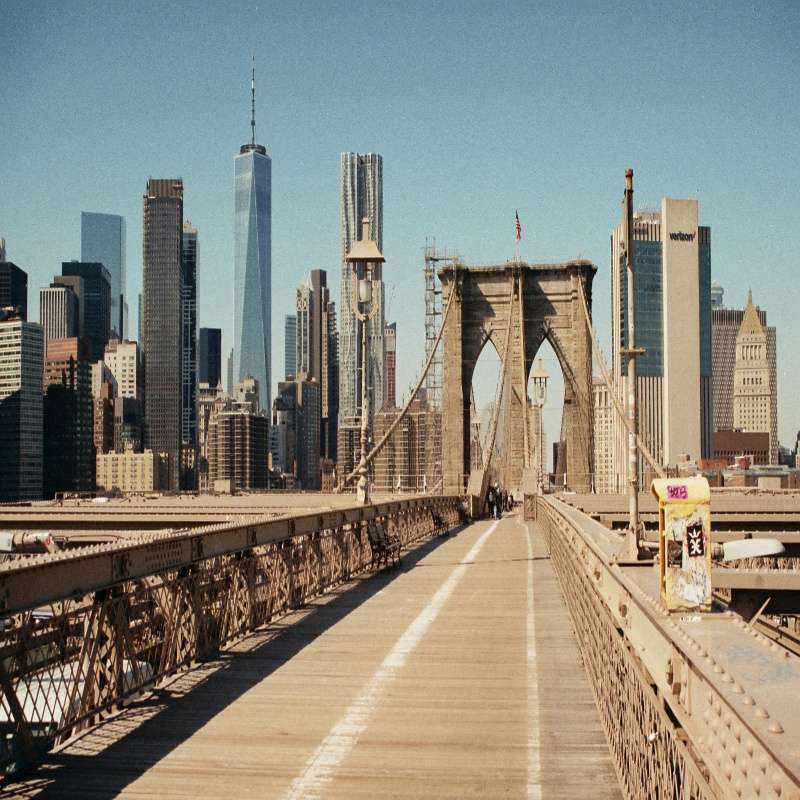
Brooklyn (DUMBO + waterfront): the skyline view people imagine
Let’s talk about Brooklyn, because it’s not just a side trip anymore. For many visitors, Brooklyn is where New York starts to feel more spacious and more livable—still energetic, but less compressed.
DUMBO and the waterfront are popular for a reason. The skyline view across the water is genuinely excellent, and the area is set up for strolling: parks, paths, benches, and plenty of spots to grab something small to eat and just… hang out.
If you’ve already done Manhattan’s greatest hits, Brooklyn is often where a trip starts to feel personal. And if you’re the kind of traveler who’s slightly allergic to doing exactly what everyone else is doing, you’ll probably enjoy the more offbeat picks in my hidden gems things to do in new york guide as a Brooklyn add-on.
Pick-your-vibe shortlists (quick, practical, and a little opinionated)
This section is for the moment when you’re staring at too many options and your brain starts doing that thing where everything looks equally important. It’s not. Or, okay—maybe it is, but you only have so many hours.
things to do in new york if it’s your first time
If this is your first NYC trip, you’re not wrong for wanting the classics. I’d focus on:
- One big skyline view (pick a deck or a high view and commit to it).
- A Central Park walk (choose a section; don’t try to “do the whole park”).
- One museum or landmark that matches your interests, not someone else’s itinerary.
- A downtown moment (Lower Manhattan + water views works well).
- One “night New York” experience (Broadway, jazz, comedy, or even just a long evening walk in a lively neighborhood).
If you want the “best things to do in NYC” list in the abstract, you’ll find that everywhere. What you really want is a plan that fits in a day without turning you into a person who hates walking by 3 p.m. That’s why I built the 3-day things to do in new york itinerary to be realistic about pacing.
If you’re on a budget (but still want it to feel special)
I’m going to say something slightly contradictory, and I mean it: NYC can be brutally expensive, and it can also be an amazing city to explore cheaply. Both are true.
Start with the big free wins:
- Ride the Staten Island Ferry for harbor and skyline views (it’s free, runs year-round, and takes about 25 minutes each way).
- Spend real time in Central Park—walking it is the point.
- Use neighborhood wandering as an activity (SoHo, the Village, parts of Brooklyn).
For a longer list—plus the kind of details that actually make free activities easier to do in real life—go to my free things to do in new york post.
If it’s raining, freezing, or brutally hot
Bad weather in NYC can ruin a day if you pretend it isn’t happening. The good news is that New York is excellent at indoor days. Consider:
- A museum day (one big museum is usually enough; two is ambitious unless you’re truly enthusiastic).
- Neighborhood food: pick an area and do a slow lunch, dessert, coffee, maybe a bookstore.
- An afternoon show or evening performance to anchor the day.
And yes, this is where planning helps. You don’t need a minute-by-minute itinerary, but you do need a “dry route.”
If you’ve been to NYC before and want something different
Repeat visits are where New York gets really fun. You can skip the pressure. You can build a day around one neighborhood. You can chase smaller, stranger experiences.
That’s exactly what I collect in hidden gems things to do in new york—places that feel specific, not generic, and ideas that work best when you’re willing to leave empty space in your schedule.
A few practical tips that make the trip smoother
Think in neighborhoods, not attractions. NYC Tourism points out that the city’s character comes from its many communities, and that’s the most useful way to plan. Pick an area, stack a few nearby stops, and you’ll do more with less effort.
Accept that lines are part of the ecosystem. If a must-do has timed entry, reserve it. If it doesn’t, go early or go late. The middle of the day is often when “quick stops” stop being quick.
Leave one flexible slot per day. This is where you’ll fit in the surprise recommendation from a bartender, or the street you didn’t know you wanted to walk, or the moment you realize you’re tired and you’d rather sit somewhere nice than chase one more landmark.
Don’t underestimate the simple stuff. A good slice of pizza, a long walk with a view, a late-night dessert—these are not filler activities in New York. They’re the texture that makes the famous parts feel real.
Conclusion: make your New York trip feel like yours
New York rewards planning, but it rewards curiosity more. If you build each day around a couple of anchors, keep your route neighborhood-focused, and give yourself permission to wander, the city starts to feel less like a performance and more like a place.
And if you’re still deciding what belongs on your list of things to do in new york, I’d start with one iconic view, one park moment, one cultural stop, and one evening that you don’t try to optimize. You can always come back—and honestly, that’s kind of the point.