Things to do in San Diego: a local-feeling guide

San Diego looks simple on a map. Ocean on one side, city in the middle, some hills sprinkled around. And then you land and realize it’s a collection of mini-trips stitched together by freeways, neighborhoods, and weather that can change in a few miles. So when people ask for the best things to do in san diego, I think the most helpful answer isn’t one giant list. It’s a gentle plan. A way to pick the right mix for your time, your energy, and the version of San Diego you actually want to experience.
This guide is meant to feel practical, not perfect. I’ll point you toward the classic “San Diego attractions” that most visitors genuinely love, but I’ll also talk about pacing, trade-offs, and those small decisions—like when to go to the coast, or how to avoid turning Balboa Park into a rushed checklist—that make a trip feel easy. San Diego is generous like that, but only if you don’t try to do everything at once.
How to pick the best things to do in san diego
If you’re feeling that slightly panicky urge to “maximize” your trip, you’re not alone. I do it too, sometimes. Then I remember San Diego is less about conquering and more about settling into a rhythm: pick a couple of areas per day, move slowly, and leave room for a long lunch or a sunset you didn’t plan.
Start with time: 1 day vs 2–3 vs 4–5
If you have 1 day, choose one “big” anchor (Balboa Park or the Downtown waterfront) and one “coast” moment (La Jolla or Sunset Cliffs). You’ll get variety without spending your whole day in transit. If you want a plug-and-play plan with options depending on your style, use this one day San Diego itinerary as your backbone.
If you have 2–3 days, you can stop rushing. Do Downtown + waterfront one day, Balboa Park another, and give the coastline (La Jolla or Torrey Pines) its own space. That’s often the sweet spot where the city starts to feel like a place, not just a set of attractions.
If you have 4–5 days, this is when neighborhoods start to matter. Add Coronado, Old Town, and one “choose-your-own” day—maybe a hike, maybe a museum day, maybe something very simple like a beach + farmers market + early night. It sounds almost too relaxed, but that’s sort of the point.
Then pick your “trip personality”
It helps to decide what you actually want to remember. I know that sounds a bit dramatic for travel planning, but it works. A few common directions:
- First-timer classics: Balboa Park, the waterfront, La Jolla, and at least one proper beach day. San Diego Tourism Authority’s “top things to do” lists tend to orbit these for a reason.
- Outdoors and views: Torrey Pines hikes, coastal walks, and a tide pool window at Cabrillo National Monument if the timing works.
- Budget-friendly: Beaches, viewpoints, markets, neighborhood wandering, and free museum days when available (these vary). For a dedicated list you can mix into this pillar, see free things to do in San Diego.
- With kids: big, open spaces (Balboa Park), interactive museums, easy beaches, and predictable food options. The trick is building in downtime, not adding more stops.
- Evenings matter: plan sunsets first, then fill in dinner. If you want ideas that aren’t just “go to the Gaslamp,” here’s a guide to things to do in San Diego at night.
One small reality check: San Diego is spread out. You can technically bounce between neighborhoods all day, but it rarely feels good. If you remember nothing else, remember this: geography is your friend.
Downtown + waterfront (an easy first day)
Downtown is a great “arrival day” area because it’s straightforward: you can walk a lot of it, it’s scenic, and it has that satisfying feeling of being in the middle of something. I’ll admit, I sometimes enjoy Downtown most when I’m not trying to prove I’m a “cool traveler.” Just show up, take the waterfront stroll, and let it be pleasant.

USS Midway Museum (even if you’re not a history person)
The USS Midway Museum is one of those places that sounds niche until you’re actually on the ship. It’s a floating city of hallways, aircraft, and stories, and it’s right on the waterfront—so it’s easy to pair with a walk before or after. Viator consistently lists it among the key San Diego activities travelers book, which tracks with how often it comes up in “what was your favorite thing?” conversations.
Planning thought: If you tend to get museum fatigue, do the Midway earlier in the day and keep the rest of your afternoon outdoors. It’s a lot of sensory input, in a good way, but still a lot.
Waterfront wandering (simple, underrated)
Sometimes the best thing to do in a city is to walk somewhere pretty with no agenda. The Embarcadero area gives you that: views, boats, breezes, and a nice “vacation” feeling even if your schedule is tight. It also makes Downtown feel less like a cluster of restaurants and more like a coastal city.
Gaslamp Quarter (fun, but not mandatory)
The Gaslamp Quarter has its place—especially if you want a classic night out with plenty of choices close together. But if it’s not your scene, you’re not missing “San Diego.” You’re just choosing a different version of it. If you do go, consider pairing it with an earlier sunset plan so the night feels earned, not forced.
Balboa Park: museums, gardens, and a full day
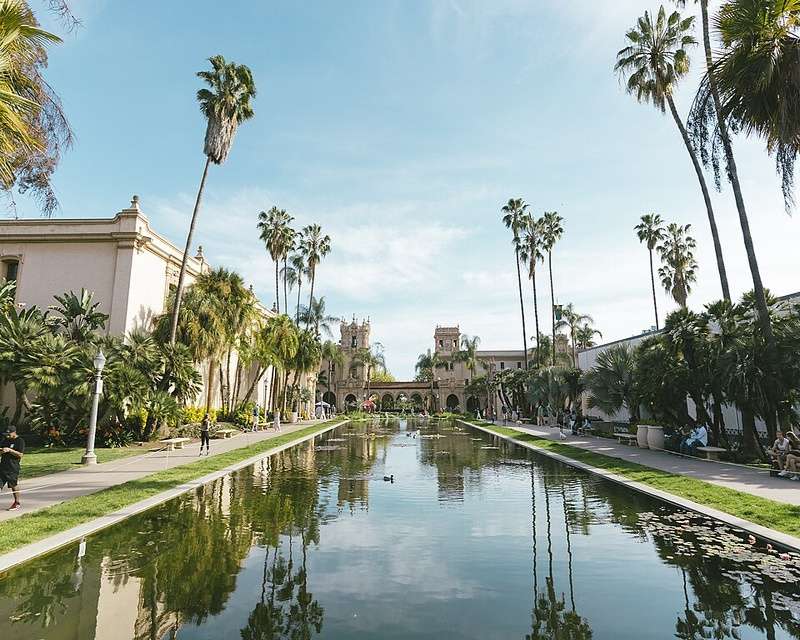
Balboa Park is the kind of place people underestimate, then accidentally spend the whole day in. San Diego’s tourism guides call out its mix of museums, gardens, and the world-famous San Diego Zoo, and that combination is exactly why it works for so many travelers.
I also think Balboa Park is where San Diego feels most “cultural” in the traditional sense—architecture, performances, museums, shaded paths—without being stiff or formal about it. You can do a serious museum day here, or you can treat it like a beautiful neighborhood park that happens to have world-class institutions inside it. Mild contradiction, maybe, but it’s true.
How to do Balboa Park without burning out
If you only have one day here, I’d keep it to a simple formula: one museum, one garden or outdoor area, and one long, slow walk. San Diego’s official Balboa Park attraction roundups emphasize how much there is to see, and they’re not exaggerating—so the “secret” is choosing, not collecting.
- Pick one museum theme: art, science, aviation/space, natural history—whatever genuinely fits your mood.
- Then go outside: even 30 minutes of wandering resets your brain and keeps the day feeling light.
- Leave a little slack: Balboa Park is where spontaneous detours are actually worth it.
San Diego Zoo (worth planning around)
The San Diego Zoo sits within Balboa Park, and it’s one of the city’s headline experiences. If you’re even mildly interested, it’s usually worth doing properly rather than squeezing in “just an hour,” because you’ll end up feeling like you missed the point. Balboa Park guides regularly list the zoo as a must-see within the park ecosystem, which aligns with how central it is to many first trips.
One personal preference (and this is not a rule): I like zoos best when I’m not rushing. If you go, commit to a half day or more, and let it be your main event. That’s when it tends to feel memorable instead of hectic.
La Jolla + Torrey Pines (coast + outdoors)
La Jolla and Torrey Pines are the “San Diego coastal postcard” day for a lot of people. And yes, they can be crowded. Still, I think they’re crowded for a reason. The coastline up here is dramatic in a quieter way than people expect from Southern California—more cliffs and coves than endless flat beach.
La Jolla: coves, wildlife, and an easy wow factor
La Jolla is a great choice if you want coastal scenery without committing to a long hike. You can get views quickly, then decide whether you want to linger, grab food, or keep moving. It’s often listed among top activities for visitors, and it’s one of those places where even a short stop feels like “we went somewhere.”
Small note: If you’re hoping for a peaceful moment, go early. If you want energy and people-watching, go later. Both can be fun. They’re just different trips.
Torrey Pines: hikes that feel bigger than they are
Torrey Pines State Natural Reserve is one of the best options for an ocean-view hike that doesn’t require being a hardcore hiker. There are multiple trail options, and common guides point to a handful of popular routes that vary by length and difficulty, which makes it easier to match the hike to your day’s energy.
The main advice here is boring but useful: bring water, wear shoes you trust, and don’t treat it like a “quick stair workout” if you’re not used to uneven trails. It’s not dangerous in a dramatic way, but it’s easy to be careless when the views are distracting.
If you’re building a “San Diego itinerary” with a mix of city and nature, this is an ideal outdoors anchor. And if your budget is tight, this day can be surprisingly affordable compared with paid attractions—especially if you keep the rest of the day simple.
Point Loma + Cabrillo National Monument (tide pools and views)
This is the part of San Diego I suggest to people who say, “I want ocean views, but I don’t want to fight crowds all day.” You still might see plenty of people, especially on weekends, but the vibe tends to be more spacious.
Cabrillo tide pools: timing matters more than enthusiasm
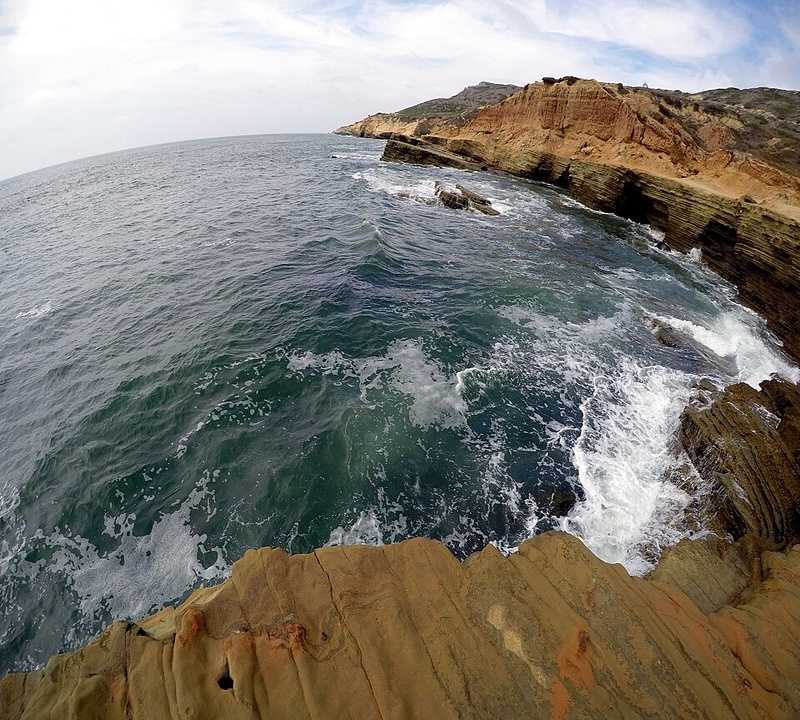
Cabrillo National Monument is famous for its viewpoints and its tide pools, but the tide pools are not an “anytime” activity. The National Park Service specifically notes that tide pooling depends on tide conditions, and low tide is when the rocky shoreline opens up into those little natural aquariums.
So yes—this is one of those places where you check a tide chart and plan around it. It feels fussy until you do it once, and then it feels obvious. Also, please walk carefully. Wet rock is not forgiving, and the whole experience is better when you’re not tense about slipping.
If you want a family-friendly nature moment that feels distinctly California, this can be it. It’s also a nice counterbalance to the “big ticket” attractions—more quiet wonder, less line-standing.
Coronado (a different mood entirely)
Coronado is one of the easiest ways to experience a softer, slower side of the region. It’s close to Downtown, yet it feels like you’ve left the city behind. Many neighborhood guides highlight it as a classic add-on for visitors, and it makes sense: it’s scenic, walkable, and straightforward.
Beach time that actually feels like vacation
This is the kind of beach day that works for a lot of people—families, couples, solo travelers who just want to read for an hour without feeling weird about it. You can keep it simple: beach, a walk, a casual meal, and then head back before you’re sun-drained.
I’ll say something slightly contradictory: Coronado is both “very touristy” and genuinely relaxing. It depends on where you go, and how tightly you hold your schedule.
Old Town (history, color, and an easy half day)
Old Town is often described as the birthplace of California’s early European settlement history in the area, and it’s commonly recommended in official itineraries as a core stop for visitors.
The honest framing: Old Town can feel touristy. But it can also be fun in that uncomplicated way—shops, historic atmosphere, food, and plenty of walking. If you’re traveling with a group where everyone wants something different, Old Town is a surprisingly good compromise.
Neighborhood texture (when you want more than highlights)
Once you’ve done the obvious landmarks, San Diego gets more interesting—because you start choosing neighborhoods based on vibe, not fame. Tourism guides often highlight the city’s distinct neighborhoods, and that’s where repeat visitors tend to fall in love with the place.
Barrio Logan / Chicano Park area (art and culture)
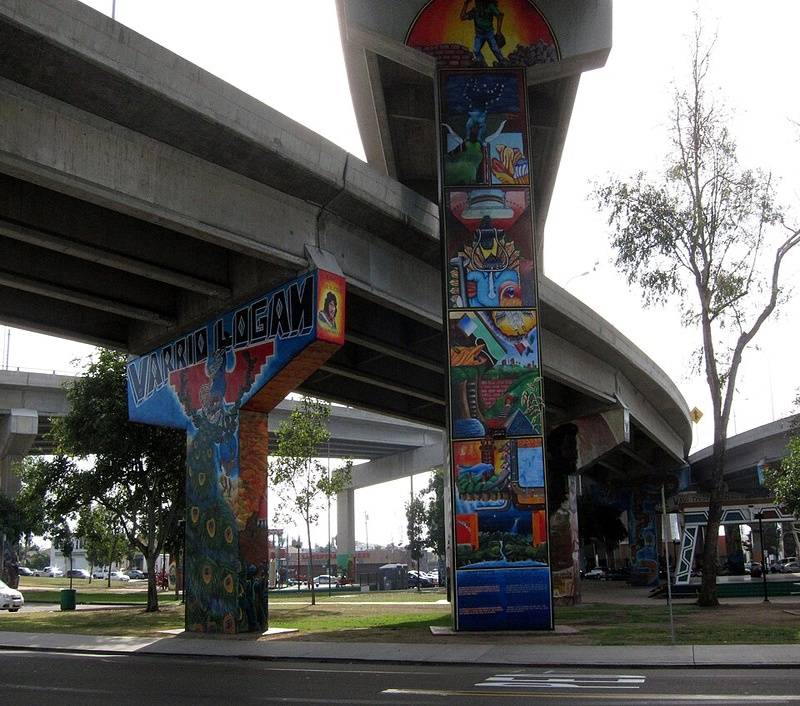
If you’re looking for something that feels rooted and local, this is a strong option. The murals and cultural significance are the point—so approach it respectfully, take your time, and consider pairing it with a meal nearby rather than treating it like a quick photo stop.
Little Italy and market mornings (simple pleasures)
San Diego is good at casual food experiences that don’t require a reservation or a “scene.” Neighborhood mornings—coffee, a market, a walk—can be some of the most satisfying parts of a trip. If you’re trying to keep costs down, this is also where “cheap things to do in San Diego” starts to feel real, not just like a list of compromises.
Free and low-cost ideas (that don’t feel like backups)
“Free things to do in San Diego” can sound like a separate category, but it doesn’t have to be. Many of the city’s best moments are naturally inexpensive: beaches, sunsets, walks, viewpoints, and a few museums or gardens depending on the day. If you want a dedicated, curated list you can mix into your plan (including what’s truly free vs what has hidden costs like parking), I put it all here: free things to do in San Diego.
- Sunset plan: choose one viewpoint and commit to arriving early enough to settle in, not sprint in at the last minute.
- Beach day: bring snacks, a towel, and patience with parking; the “free” part is real, but logistics still matter.
- Neighborhood wandering: pick one area and walk it slowly for an hour. It’s the easiest way to feel like you’ve actually been somewhere.
Things to do in San Diego at night (the calm version)
Most people think “nightlife” and picture the Gaslamp. Sometimes that’s exactly what you want. Other times you want something quieter: a sunset that slides into dinner, an evening walk near the water, maybe a show, maybe just dessert somewhere nice.
If you want a more complete menu of evening options—ideas that work for couples, families, and solo travelers, and that don’t assume you want to stay out late—use my guide to things to do in San Diego at night. It’s designed to slot into this pillar naturally, not compete with it.
A realistic 2–3 day framework (so you can stop overthinking)
I’ll offer one “good enough” framework. Not because you must follow it, but because it’s oddly relieving to see a plan that doesn’t try to be clever.
- Day 1: Downtown + waterfront (USS Midway if it fits), then dinner and an easy evening plan.
- Day 2: Balboa Park (museum + gardens) and, if you’re up for it, the San Diego Zoo as the main event.
- Day 3: La Jolla + Torrey Pines, or swap in Coronado if you want a softer day.
If you only have a single day and want the cleanest version of this, you’ll probably like the one day San Diego itinerary guide. It gives you a few versions depending on what you care about most.
Common mistakes (that I still make, honestly)
To keep this human: I’ve made every one of these choices at some point, usually because I thought I was being “efficient.”
- Underestimating distances: San Diego looks compact until you’re on your third cross-town drive of the day.
- Planning five “must-dos” in one day: it turns fun things into chores.
- Ignoring timing: tide pools and sunsets don’t care about your schedule; they do what they want.
- Skipping rest: a quiet hour midday can make your evening feel ten times better.
Conclusion: choosing your version of San Diego
The best things to do in san diego are the ones that fit together naturally—one or two anchor experiences, a few “small” moments, and enough breathing room that you can actually enjoy what you planned. San Diego’s official guides highlight the big hitters like Balboa Park and the city’s coastal experiences, and they’re popular for good reason.