Freeport, Bahamas: 2025 Guide
What Freeport really feels like
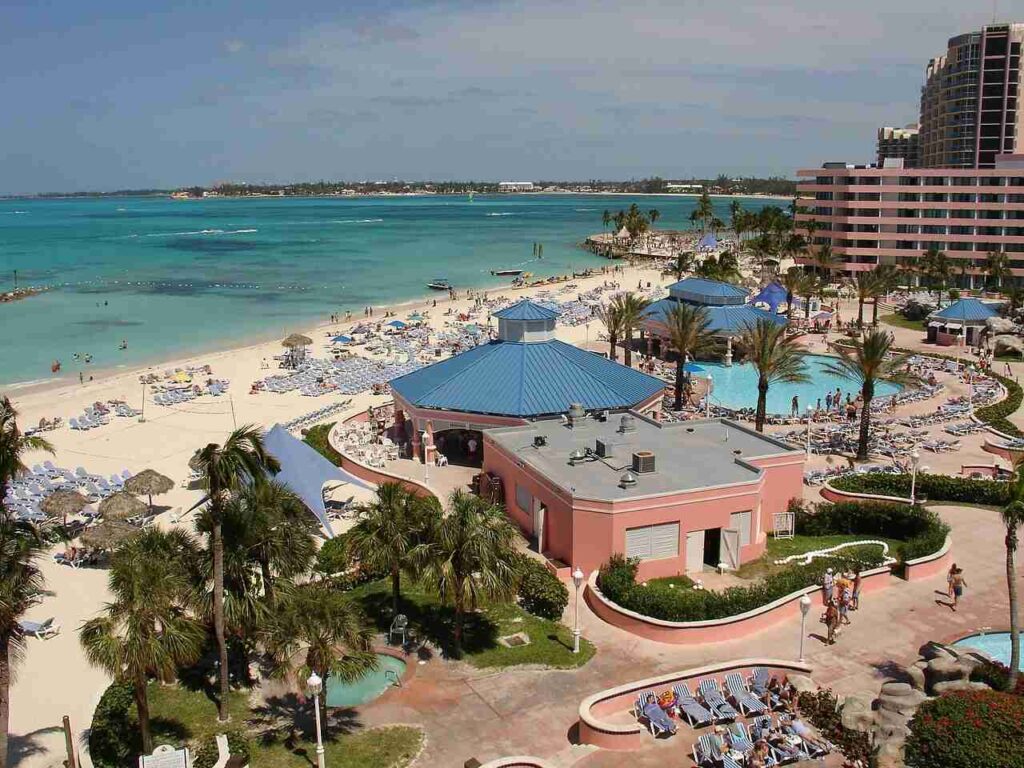
Freeport is practical at its core—breezy days, straightforward roads, and a hub-and-spoke rhythm that pulls you toward Port Lucaya for food, music, and wandering. The beaches spread out like a mood board: lively Taino when you want activity, easy-access Lucaya when you don’t want to think, and Gold Rock Beach when you want a small, memorable “wow” at low tide. It’s not overly polished, and that’s part of the charm. You might plan tight and then change your mind mid-afternoon because the light looks perfect downshore; that’s okay here.
Why visit freeport bahamas right now
There are three pillars: beaches with distinct personalities, a social center that’s actually walkable, and nature that’s more layered than the brochures imply—mangroves, blue holes, and one of the world’s notable underwater cave systems at Lucayan National Park. Port Lucaya Marketplace hums at night with shops and live music in Count Basie Square; it’s touristy, yes, but handy and convivial. If you time one day around low tide, the sandbars at Gold Rock Beach can quietly steal the trip.

Fast facts and how to arrive
- Fly into Grand Bahama International Airport (FPO); it commonly offers U.S. preclearance for smoother returns to the States, which can save time on the back end of your trip.
- Cruise visitors arrive at Freeport Harbour; most day-trippers head to Port Lucaya or Taino Beach for a reliable mix of sand, food, and shops.
- Peak season generally runs late November through mid-April; holidays see the busiest days, but shoulder weeks can feel just right.
If you’re arriving by cruise and only have six to eight hours, keep your plan compact and clustered: market, lunch, and one beach. If you’re flying, consider keeping one morning unplanned for weather wiggle room or a last-minute dive/snorkel window.
Getting around without drama
Taxis are the baseline—agree on fares before you ride and keep small USD bills handy. From the cruise terminal, shared shuttles to Port Lucaya and Taino Beach are common, which helps if you’re traveling as a couple or solo. Renting a car is worth it if you’re looking east toward Lucayan National Park and Gold Rock Beach; flexibility matters a lot there, especially if you care about catching the best low-tide window.
Driving is left-hand, roads are generally straightforward, and distances are deceivingly longer to the East End than they look on a map. If you don’t want to drive, a private tour or taxi charter for the park day is a decent compromise.
Neighborhoods and areas that matter
Lucaya
Hotels, waterfront walks, and the Port Lucaya Marketplace—this is the lively, convenient base for short stays. It’s easy to dip in and out for snacks, live music, or a spur-of-the-moment souvenir. If you like to wander without an itinerary, this is where it makes sense.
Downtown Freeport
Administrative and commercial, with some shopping but less strolling appeal. It’s fine for errands or a direct stop, but most visitors won’t linger. You’ll likely spend more time where the water is, which keeps the day feeling, well, vacation-like.
East End and Lucayan National Park
Mangroves, boardwalks, and access to Ben’s Cave and Burial Mound Cave (no swimming in the caves)—plus the path to Gold Rock Beach. The experience is more nature than amenities; bring water, sun protection, and patience for a slower, more textured day.
West End
Marinas and quieter shoreline. It’s not a checklist area; it’s more of a mood—good sunsets if you like long drives and a calmer end to the day. If you’re based in Lucaya and short on time, you might keep this as a “maybe.”
Best beaches: choose by vibe
Taino Beach
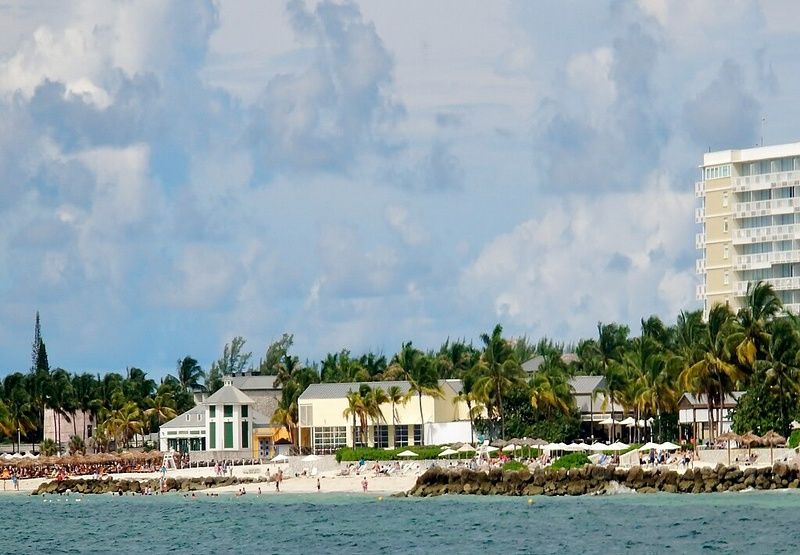
Easy from the port, plenty of watersports, and casual spots to grab food or a drink. It’s the beach you pick when you don’t want to over-plan; if you’ve got three hours and want sun, swim, and a memory or two, this just works.
Lucaya Beach
Right next to the marketplace. Dip, dry off, eat, shop, repeat. If you’re the kind of traveler who likes to mix little errands with ocean time, this is the convenience king.
Xanadu Beach
Sheltered feel and usually calmer water; families appreciate the gentle entry and simpler logistics. Bring snacks if you want to stretch your stay without a food detour.
Fortune Beach
Quieter, good for long walks and an unhurried lunch. Pair it with a slow afternoon and a book; the whole point is the lack of spectacle. If you’re decompressing from city noise, this is a soft landing.
Gold Rock Beach
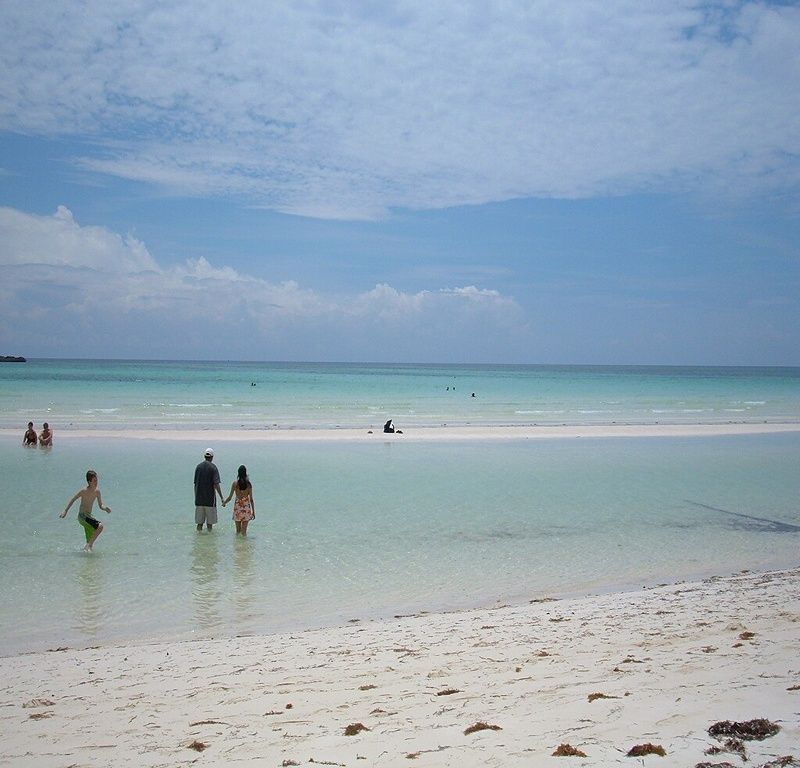
The star of Lucayan National Park—famous for its low-tide sandbars and wide, cinematic shallows. Time it right and it feels like the sea steps back to hand you a private promenade; time it wrong and it’s still beautiful, just less striking. No services on the beach, so pack water, snacks, and shade.
If you’re curious about fine-tuning a tide-timed visit, see the dedicated mini-guide in the cluster post: how to plan Lucayan National Park and Gold Rock Beach.
Nature, caves, and light adventure
Lucayan National Park protects a mangrove creek, boardwalks, and access to two cave entrances—Ben’s Cave and Burial Mound Cave—linked to one of the longest underwater cave systems globally. You can’t swim in the caves, but the viewing platforms and interpretive signs make a short visit feel substantial. It’s a different pulse from beach time: quieter, a bit cooler, and unexpectedly reflective.
Consider a kayak tour on the mangrove side if you want motion with your nature, then cross to the beach trail when the tide window is right. If you have a stroller or mobility concerns, the boardwalks are typically manageable, but expect some stairs into the cave overlooks.
Diving and snorkeling: what to expect
Think reefs, some wrecks, and seasonal shark or dolphin experiences with established operators. Beginners can opt for shallow reef trips or glass-bottom boats that run from the Lucaya area. If you’re building a trip around the water, leave one morning flexible—conditions and visibility can shift more than you’d expect, and a little patience often unlocks a better dive.
Snorkelers might bring their own gear for casual beach swims at Taino or Lucaya, but the best clarity and fish life usually come with boat trips or the Gold Rock coastline (noting that the park day is more about the setting than snorkeling logistics).
Culture and shopping, the easy way
Port Lucaya Marketplace is the island’s social square: specialty shops, straw vendors, water views, and live music in the evenings. It’s tourist-focused and that’s exactly why it’s helpful—you can gather your group, split up for twenty minutes, and reconvene without stress. If you’re staying nearby, this becomes your default night walk.
For gifts, think small and packable: local crafts, sauces, or beachwear that you’ll actually use. If you prefer quieter browsing, go earlier in the day; for atmosphere, return when the music starts up.
Food and nightlife: simple, satisfying
Freeport favors the “good, close, and casual” trifecta. A practical routine is beach → early dinner around Lucaya → a loop through the marketplace for music or dessert. If you’re chasing a livelier scene, weekends have better odds; on weeknights, it can be pleasantly low-key.
If you like a view with your meal, plan lunch near Fortune Beach or a sunset drink toward West End—just remember that return taxis may take longer after dark, so leave yourself a buffer.
When to go and how to pace it
Late November through mid-April is the classic window for reliable weather and busy events. Summer brings heat, humidity, and a slower vibe; it’s fine if you’re easygoing and plan for midday breaks. Hurricane season requires flexible bookings and a watchful eye on forecasts; padding your itinerary with one “free morning” is a smart, no-regrets move.
If Gold Rock Beach is a priority, let the tide chart guide at least one day. You might re-order lunch or switch beaches to ride the low-tide moment—that small adjustment pays off in photos and memory.
Sample itineraries that actually work
freeport bahamas for cruisers: a 1‑day plan
Port pickup → Port Lucaya Marketplace browse and coffee → Taino Beach swim/watersports → optional short nature stop if timing allows (mangrove boardwalk peek) → early dinner by the marketplace → return with a 30–45 minute buffer. It’s deliberately simple; the goal is no missed-ship anxiety.
Beach-first travelers who want calmer water could swap Taino for Xanadu. If shopping is the priority, trim the beach window and lean into Lucaya’s eateries and live music later.
2‑day explorer
Day 1: Settle in Lucaya. Split time between Lucaya Beach and Taino, then evening at the marketplace. Day 2: Head to Lucayan National Park—do caves and mangrove boardwalks first, then hit Gold Rock Beach near low tide. On the way back, stop at Fortune Beach if you’ve got energy for a quiet sunset.
If you’d like a deeper dive on the park day, read the tide-timed mini-guide here: Lucayan National Park and Gold Rock Beach.
3‑day balanced trip
Days 1–2 as above; Day 3 add a boat snorkel or entry-level dive in the morning. Keep your afternoon loose for a repeat of your favorite beach or a slow lunch by the water. If the weather shifts, swap the boat day and the park day; this itinerary is intentionally flexible.
If beaches are your main decision point, this comparison helps: best beaches in Freeport by vibe.
Practical tips (money, safety, small stuff)
- Taxis: agree on fares upfront; many are cash-first. Keep small USD bills and don’t assume card acceptance.
- Rideshare: Uber/Lyft are not standard—plan for taxis, shuttles, or car rental.
- Park day: bring water, snacks, reef-safe sunscreen, and light shade; services at Gold Rock Beach are minimal by design.
- Safety: use standard beach-town common sense; watch belongings and respect currents. Check government advisories before travel.
- Timing: for Port Lucaya’s atmosphere, aim for early evening; for Gold Rock Beach’s sandbars, aim for low tide.
Who this destination suits
Families who want calm water and short transfers; couples who like an easy base with a couple of standout nature days; divers and snorkelers who don’t mind building the week around weather windows; cruisers who want a no-drama shore plan that still feels like a mini-vacation. If you crave relentless nightlife or heavy museum days, this isn’t that—and that’s perfectly fine.
Responsible travel and small conservation wins
Stay on marked paths in the park, avoid touching coral or wildlife, and choose reef-safe sunscreen. If you’re curious, learning a little about mangrove nurseries makes the coastline feel more alive; it explains why those offshore reefs look healthier than you might expect. Tiny choices—like packing out what you bring in—add up in places where nature is the headline act.
Quick answers to common questions
Is there U.S. preclearance in Freeport? Often, yes, at FPO, which helps make returns to the U.S. smoother. Always confirm current operations and hours with your airline before departure.
Can I swim in the caves at Lucayan National Park? No—viewing platforms only. The experience is about seeing the geology and the halocline layers, not getting in the water there.
How far is Gold Rock Beach from the port? Roughly 45 minutes by car, give or take conditions; a rental or private transfer is the most flexible way to line up the tide window.
What’s the best beach for a short cruise stop? Taino for easy fun and facilities; Lucaya Beach if you want very quick access to shops and food; Xanadu for a calmer, family-friendly feel.