Arikok National Park Aruba Things to do

Arikok is the Aruba day that surprises people. You arrive expecting “some scenery,” and you leave dusty, a little sun-drunk, and genuinely impressed that an island known for easy beach time also has caves, wild coastline, and big open desert-like views.
This guide is for planning a real visit: what to prioritize, what’s overrated (for some travelers), and how to structure the day so it feels adventurous but not chaotic. If you haven’t read the big overview yet, start with the main things to do in aruba guide and come back here when you’re ready to commit to a proper park day.
What Arikok National Park actually is (and why it feels different)
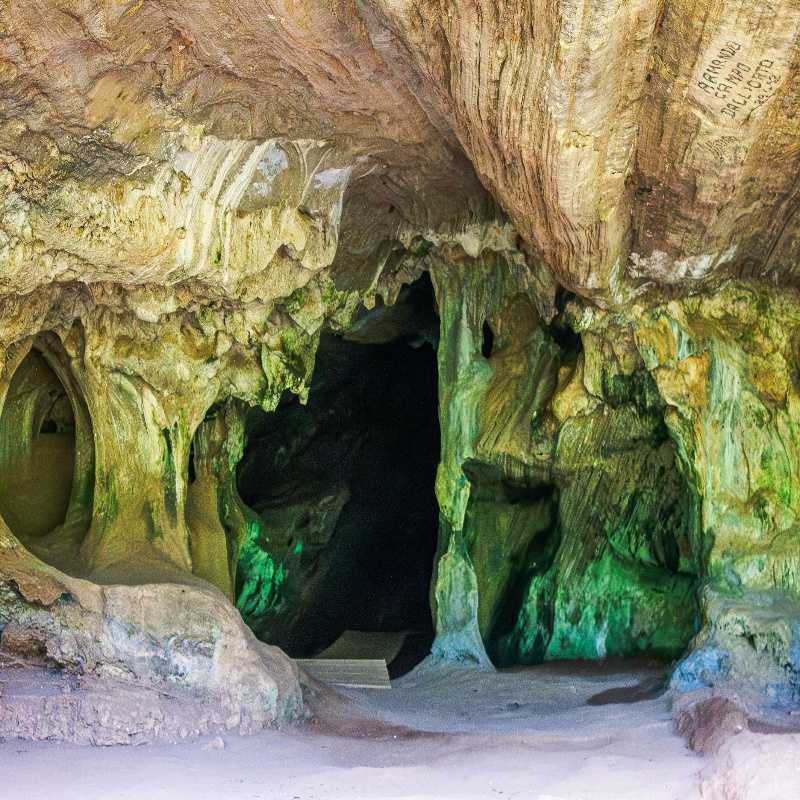
Aruba’s official tourism site describes Arikok National Park as covering nearly 20% of the island, and it positions the park as a full-day destination with a small entrance fee that supports preservation and education programs. Inside the park, Aruba.com highlights a mix of cultural heritage and nature: caves, original Indian rock drawings, unusual land formations (lava, quartz diorite, limestone), and guided nature walks through dry river beds to secluded bays like Moro, Boca Prins, and Dos Playa.
That mix is why Arikok feels “worth the effort.” You’re not just driving to a single viewpoint. You’re moving through an entire landscape that looks and behaves differently from the resort side of the island.
How to decide: self-drive vs guided tour
I think most people wrestle with this decision more than they need to. The right choice depends on what you want your day to feel like.
Choose self-drive if you want flexibility
- You like stopping often for photos, short walks, and “what’s down that road?” moments.
- You’re comfortable with basic navigation and a bit of rough road decision-making.
- You’d rather go at your own pace than follow a set tour timeline.
If you self-drive, plan fewer stops than you think. The park looks compact on a map, but days stretch out here—partly because you’ll pause a lot, and partly because heat makes everything take longer.
Choose a guided experience if you want the “most wild” parts without stress
Aruba.com specifically recommends considering organized tours, often guided by park rangers, if you want to experience the wilder areas without worrying about routes and road conditions. That’s not just marketing. It’s genuinely practical, especially if your group includes someone who gets anxious when plans feel uncertain.
If the hiking angle appeals to you, the Aruba Conservation Foundation lists guided hikes in Arikok (with distance and duration details), which is useful for setting expectations before you show up and “wing it.” You can browse those options on the ACF experiences page here: Experiences || ACF.
Arikok day planning: a realistic pace
It helps to think in blocks. Not because you need a rigid schedule, but because Arikok punishes overly ambitious lists. You don’t want to spend your day rushing from stop to stop, then realize you barely looked at anything.
Block 1: Visitor center mindset shift
Give yourself a few minutes at the start to calibrate. This is where you mentally switch from “beach mode” to “park mode.” You’ll be happier all day if you accept that Arikok is a bit rugged and a bit raw, and that’s the whole point.
If you’re traveling with someone who’s on the fence about the park, this is also where you set the tone: “We’re here for contrast, not comfort.” That usually helps. It’s honest, and it reduces complaints later.
Block 2: Caves + cultural sites (the part you’ll remember)
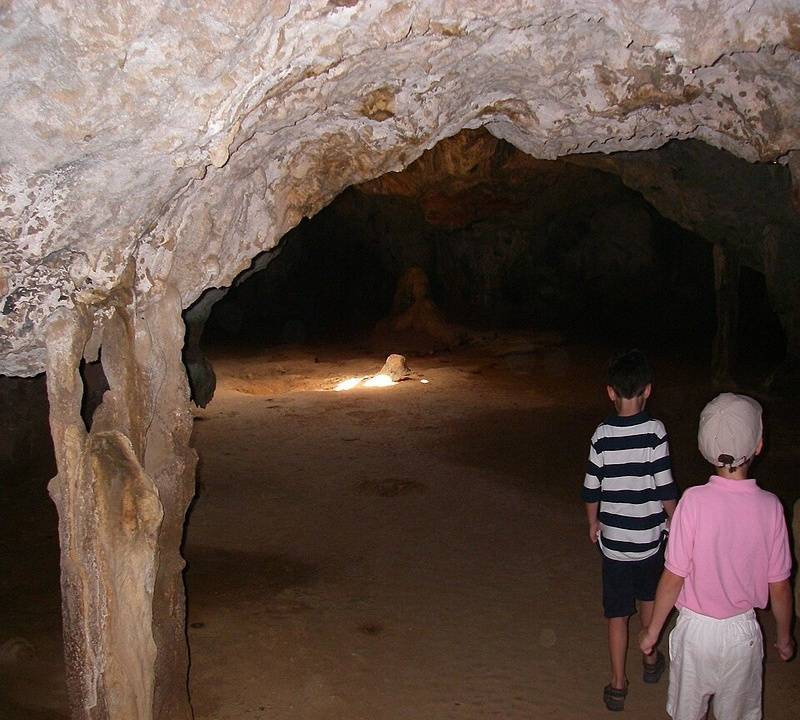
Aruba.com calls out Arikok’s caves and original Indian rock drawings as key heritage elements. In real life, this is the section that tends to make people slow down—because it stops being just landscape and becomes story.
- Go early if you can; caves feel cooler and calmer before the day heats up.
- Bring a small light if you like (your phone works, but a dedicated light is nicer).
- Move carefully; cave floors and steps can be uneven.
And, quietly important: treat the drawings like you’d treat a museum wall. No touching, no leaning in with sandy hands. It’s obvious when you say it out loud, but people get carried away.
Block 3: Geology and “this island is older than it looks” moments
Aruba.com mentions unusual land formations made of lava, quartz diorite, and limestone. That might read like trivia, but it’s actually a good lens for the whole day. When you start noticing textures—jagged rock, coral stone, wind-shaped hills—you stop comparing Aruba to other beach islands and start appreciating what’s specific about it.
If you’re the kind of traveler who likes a little context, this is where you’ll get that satisfying “oh, that makes sense” feeling.
Block 4: Secluded bays and the wild coast
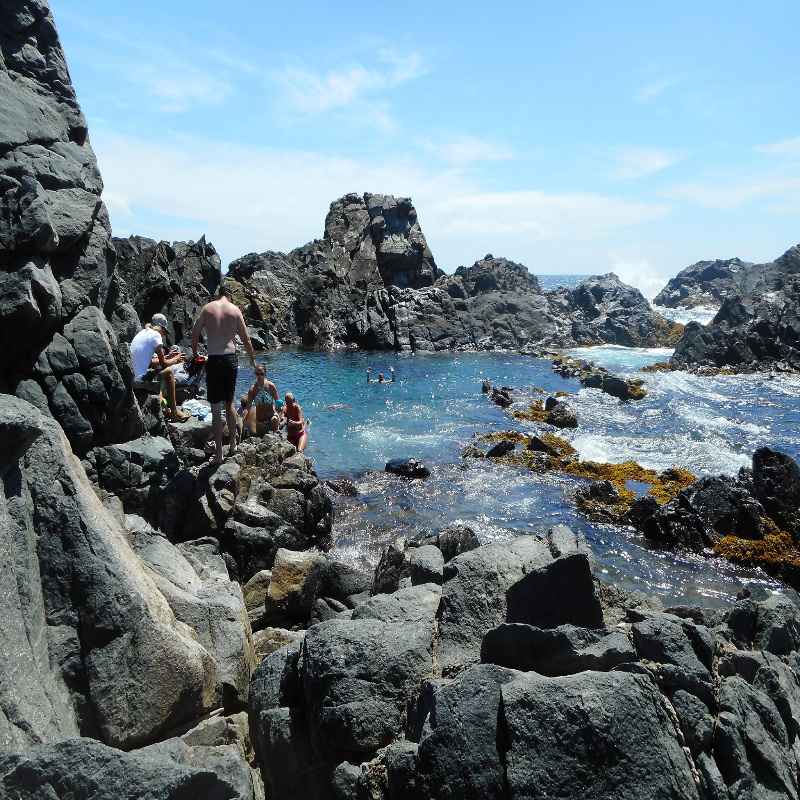
Aruba.com highlights guided nature walks through dry river beds to secluded bays like Moro, Boca Prins, and Dos Playa. This is the part of Arikok that feels cinematic—big sky, wind, waves that are not playing around.
Be conservative with the coastline. It can be stunning and still be a bad idea for swimming. If the water looks rough, admire it the way you’d admire a thunderstorm: from a safe distance. You don’t need drama to have a great day.
If you want a broader “choose your beach” approach for the calmer west side (where swimming is often the main point), you’ll get more value from the beach planning guide: Aruba best beaches and water days.
What to pack for Arikok (and what people forget)
Arikok is not hard in an extreme way, but it is exposed. Sun and wind are the main challenges, and they’re sneaky because they don’t always feel intense in the moment.
- Water, and then a bit more water.
- Sun protection that you’ll actually reapply.
- Closed-toe shoes if you plan to walk more than a few minutes.
- Snacks you can tolerate in heat (some foods turn depressing fast).
- A light layer if you get chilled in caves or wind.
I’ll also say this: bring patience. Not in a “be mindful” way—more in a “the road might be slower than you hoped, and that’s fine” way. Your day improves when you stop fighting the park’s pace.
Common mistakes (so you don’t waste your one park day)
Trying to combine Arikok with too much else
Aruba.com frames Arikok as a place to spend the entire day. Believe it. If you try to stack a full park day with a big dinner reservation across the island, you may spend the evening feeling rushed and dusty instead of satisfied.
Underestimating wind and heat
The park can feel deceptively comfortable at first. Then you look at the time, realize you’ve been in full sun for hours, and you’re weirdly tired. Eat and drink earlier than you think you need to.
Assuming every beautiful coastline spot is a swimming spot
The wild coast is part of the magic, but it’s not a water-park. If conditions look rough, keep the experience as “viewing” rather than “entering.” Your trip does not need a rescue story.
Easy itinerary options for your Arikok day
These are meant to be adaptable. Swap the order depending on timing, tours, and your group’s energy.
Option A: Culture + caves first, coast later
- Start with caves and rock drawing sites while you’re freshest.
- Slow down for geology and viewpoints on the way through.
- Finish with a secluded bay viewpoint like Boca Prins, Moro, or Dos Playa.
Option B: Coast early, then inland
- Hit a wind-and-waves viewpoint early for dramatic light.
- Move inland for caves when the day warms up.
- End with a gentle, short walk rather than a “last big push.”
If you’re pairing Arikok with a culture day later in the week, it’s worth bookmarking the San Nicolas route too. Aruba’s tourism site describes San Nicolas as the cultural capital, known for murals tied to the Aruba Art Fair—an easy contrast to the park’s nature focus.
FAQ: quick, honest answers
Is Arikok National Park worth it if I’m not a hiker?
Yes, if what you want is variety. Aruba.com’s description focuses on more than hiking: caves, heritage sites, rock drawings, land formations, and guided walks to bays. You can keep walking light and still have a genuinely memorable day.
Do I need a guide?
Not always. But Aruba.com’s recommendation to consider organized tours (often ranger-guided) is a strong hint that guided options can reduce stress and help you reach the wilder areas more efficiently.
Conclusion
The best way to enjoy Arikok is to treat it as your “contrast day” in Aruba: fewer stops, more presence, and a plan that respects heat and terrain. If you’re building the rest of your trip around it, go back to the main things to do in aruba guide and slot Arikok in early—then give yourself a calm beach day afterward to recover in the best possible way.