Junkanoo Festival in Nassau: Parades, Parties, and How to Experience it
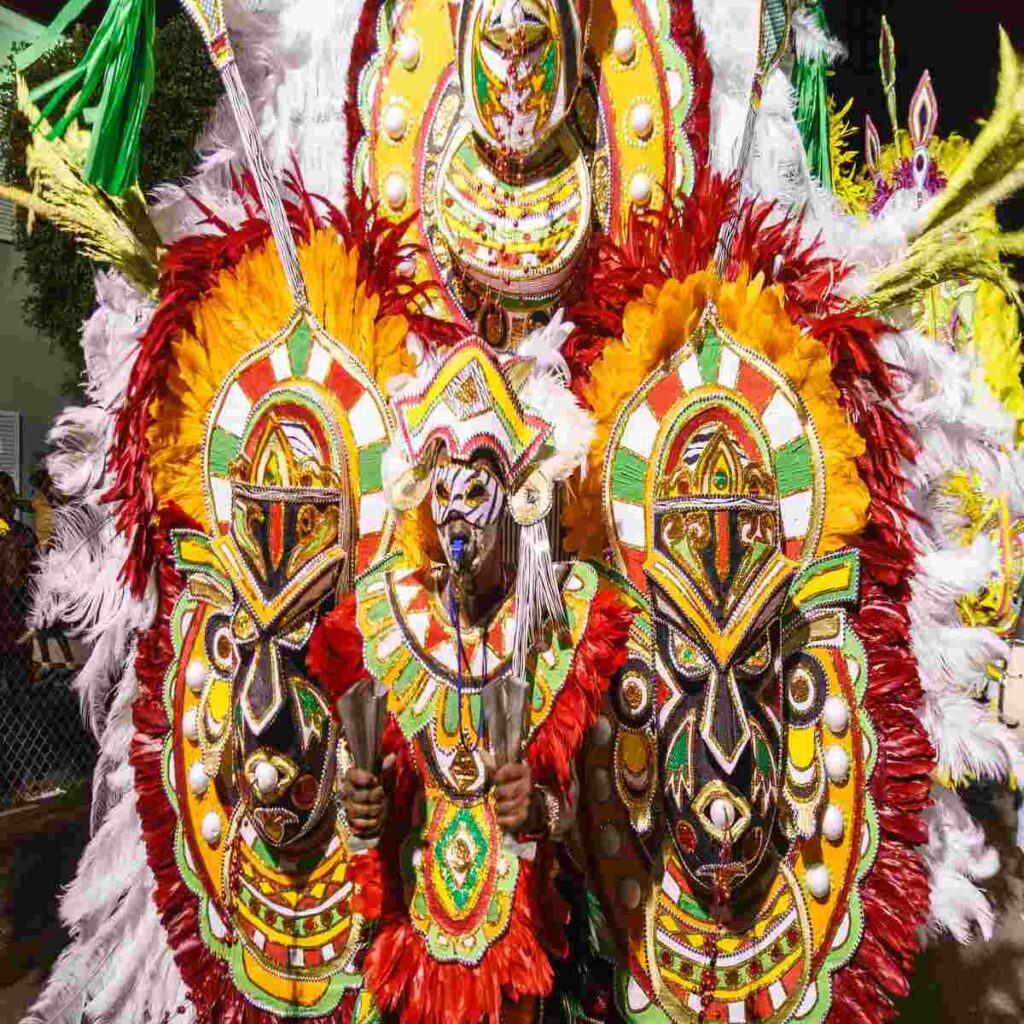
If you’ve ever seen photos of Nassau exploding with color at night—towering costumes, drums, horns, and crowds pressed along Bay Street—you were probably looking at the Junkanoo festival. It’s loud, it’s layered with history, and it’s one of those things you don’t fully understand until you’ve stood there, feeling the drums in your chest as much as in your ears. For many travelers, especially around Christmas and New Year, Junkanoo in Nassau becomes the moment that sticks long after the beach days start to blur.
This guide is for people who want more than “show up and see what happens.” We’ll walk through what the junkanoo festival actually is, when and where it happens, how locals experience it, and how you can build it into a real trip—whether you’re staying on the island or just docking for a short cruise stop. And because so many visitors mix culture with beach time, we’ll also talk about how the festival fits alongside places like Junkanoo Beach, so your plans feel connected instead of random.
What is the junkanoo festival?
At its core, the junkanoo festival is a Bahamian street parade and cultural celebration built on music, costume, dance, and community rivalry. It isn’t a show that’s been invented for tourists; it’s a living tradition that locals pour months of work into, then share with anyone who’s willing to stay up late enough to watch. UNESCO now recognizes Junkanoo as the national cultural festival of The Bahamas, with roots stretching back to at least the nineteenth century and strong connections to West African heritage and the experience of enslaved Africans in the Caribbean.
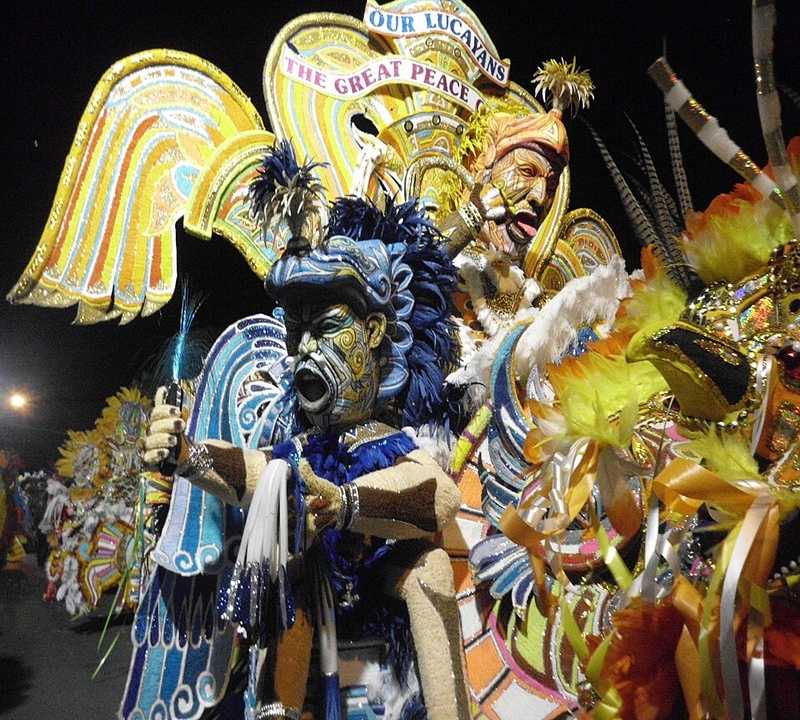
Groups spend months designing and building costumes and floats, crafting elaborate headpieces and body pieces from cardboard, crepe paper, and other materials, then pasting and painting until each section becomes its own moving artwork. When parade night comes, those pieces come alive with music—whistles, cowbells, horns, and goatskin drums—filling downtown Nassau with a sound that feels more like an atmosphere than a background track.
When does the junkanoo festival happen?
The main Junkanoo parades in Nassau traditionally happen twice a year: on Boxing Day (December 26) and on New Year’s Day. The official Bahamas tourism site describes the parades as starting in the early hours after midnight and running into the morning, with Bay Street in downtown Nassau acting as the central stage.
These two dates are the “big ones,” but they’re not the only times you’ll see Junkanoo energy. During some summers and special periods, smaller Junkanoo events, “rush outs,” or themed performances may take place on certain Saturdays or at specific festivals, giving visitors outside the holiday season at least a taste of the experience. Schedules can vary, so it’s always worth checking an up-to-date events calendar for Nassau or the official Junkanoo pages before you finalize your travel dates.
Boxing Day: the first big parade
Boxing Day is usually the first of the two major parades. If you’re used to spending December 26 quietly at home, seeing Bay Street transformed into a blazing corridor of color and sound in the early hours can be a shock in the best possible way. Groups compete with music, choreography, and costume themes, while spectators line the route, cheering, dancing, and sometimes staying for hours as the procession continues.
New Year’s Day: the second celebration
The New Year’s Day parade often carries a slightly different energy—still intense and joyful, but layered with the sense of a fresh year beginning. Some visitors time their trips so they can experience both parades, using the days between to rest, explore Nassau’s beaches, or visit places like the Bahamas Museum of Junkanoo to understand more of what they’re seeing.
Where does junkanoo happen in Nassau?
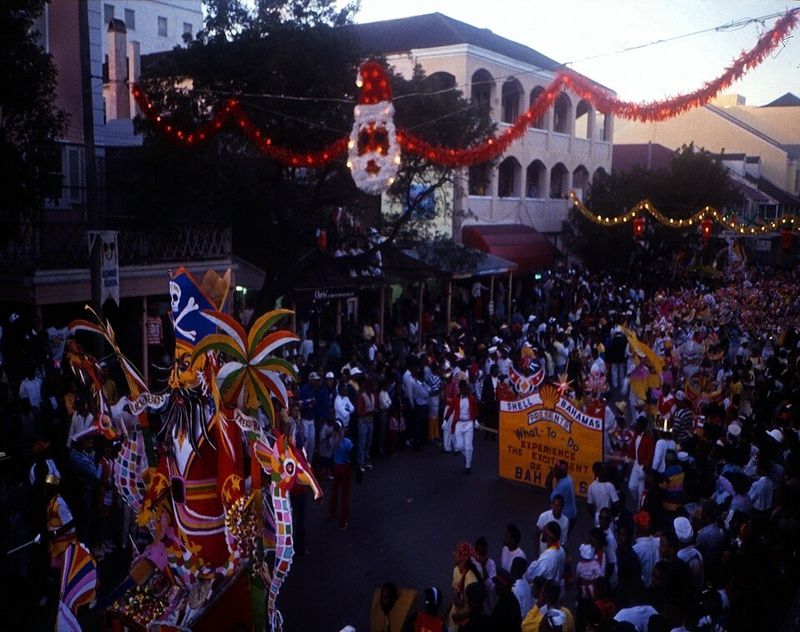
For the main parades, the heart of the action is Bay Street in downtown Nassau. That’s where the largest Junkanoo celebration takes place, according to official Bahamas tourism descriptions, with groups moving along a defined route while judges watch from stands and spectators pack the sidewalks and bleachers.
If you imagine a typical downtown street by day—shops, offices, traffic—and then overlay it with towering feathered costumes, massive drums, choreographed dances, and thousands of people, you get some idea of how completely the festival transforms the space. This is part of what makes Junkanoo feel so rooted in everyday Bahamian life: it’s not fenced off somewhere remote; it runs right through the city’s core.
Smaller and spin-off events
In recent years, Nassau has also hosted more compact festival experiences aimed at visitors, such as a three-day Junkanoo Festival in Pompey Square. These events are designed to give cruise passengers and short-stay tourists a front-row seat to the culture through performances, costumes, food, and music, without requiring them to stay up through the night for the main parades.
There are also museums and cultural spaces that keep the spirit of the festival alive year-round. The Bahamas Museum of Junkanoo, for example, showcases costumes, instruments, and stories from more than 300 years of Junkanoo history, giving context to what you’ll see on the street. For travelers who like to pair live events with deeper understanding, combining a museum visit with a parade or mini-festival can make the whole experience feel richer.
Why junkanoo matters so much in The Bahamas
Junkanoo isn’t just another carnival or street party—it’s a core expression of Bahamian identity. UNESCO describes it as an outlet for creative expression that draws on West African roots and the history of enslaved Africans in The Bahamas, now expressed through music, storytelling, and craftsmanship in the modern parades.
Community groups, sometimes organized by neighborhood or shared affiliation, compete year after year, building friendly rivalries that fuel new ideas and push the art form forward. The preparation process itself is deeply social: people gather in “shacks” to paste costumes, rehearse music, and refine choreography, often late into the night. By the time the parade starts, what you’re seeing is the visible tip of months of shared work, pride, and imagination.
UNESCO recognition and cultural pride
In recent years, Junkanoo has been inscribed on UNESCO’s List of the Intangible Cultural Heritage of Humanity, a step that both honors its deep roots and calls attention to the need to preserve its authenticity. That recognition places The Bahamas among a select group of Caribbean nations whose cultural expressions are highlighted on the global stage, and it has sparked local conversations about how to celebrate Junkanoo without letting it be diluted purely into a commercial performance.
For visitors, this means that when you attend the junkanoo festival, you’re participating in something that locals care about in a serious, long-term way. The event exists with or without tourists, and that sense of ownership is part of what gives the parades their intensity. You’re a guest at a celebration that’s fundamentally for the community first.
What a Junkanoo night feels like
Trying to capture the feel of Junkanoo in a few lines is a bit impossible, but here’s a rough picture. The night starts with anticipation—people arriving, seats filling, food vendors setting up, the air feeling tighter with every drum test and costume adjustment. When a group finally turns the corner onto Bay Street, the sound hits first: drums, cowbells, whistles, brass, all layered so thickly that conversation turns into shouting or smiling or both.
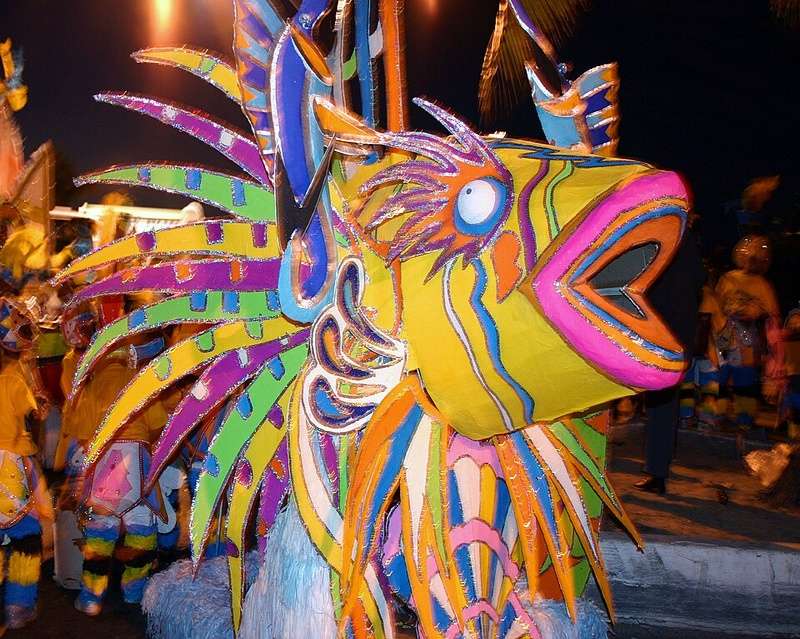
The costumes are huge and detailed, with themes that range from historical scenes to abstract designs to playful interpretations of modern life. Some are so large they seem to defy physics, moving down the street with the help of wheels and multiple people. Dancers and musicians move in waves, sometimes in tight formation, sometimes with a looser, almost improvisational feel. The whole parade has a rhythm: bursts of intensity, then smaller transitions, then another group and another wave of sound.
The role of the crowds
Watching Junkanoo isn’t a silent, distant experience. The crowd is part of the atmosphere—cheering, reacting to favorite groups, calling out to friends on the route. Families, elders, and children all turn up, and you’ll see people who have clearly been doing this for years, armed with blankets, snacks, and the kind of pacing only locals know. As a visitor, you’re stepping into that flow for one night, which can be both energizing and a little overwhelming in the best way.
Because the parades run late into the night or early morning, pacing yourself matters. This is the kind of event where it’s completely acceptable to take breaks, step back for food or water, and then return to the action instead of trying to absorb every second in one stretch.
How to experience junkanoo as a visitor
You don’t have to be a festival expert to enjoy Junkanoo, but a bit of planning goes a long way. The main decisions you’ll make are when to arrive, where to watch from, and how you want to balance comfort, budget, and immersion.
Choosing your viewing spot
In Nassau, you’ll typically find a mix of options: free standing-room areas along parts of the route and paid bleacher or grandstand seating with better views and sometimes amenities. Buying a seat can make sense if you want a fixed base, especially if you’re traveling with children or older relatives, or if you’re planning to stay for many hours.
Standing along the street can feel more spontaneous and close to the action, with the tradeoff that you may be on your feet a lot and have a more limited view when crowds are thick. There’s no single “right” choice; it’s more about how long you realistically want to be out and how comfortable you are in dense crowds late at night.
What to wear and bring
Comfort beats fashion here. You’ll want light, breathable clothing, comfortable shoes you can stand and walk in, and maybe a light layer for the early morning hours when the air can feel cooler after long periods of standing. A small bag with water, snacks, and any medication you need is practical, along with a portable phone charger if you plan to take lots of photos or videos.
As with most large events, keep valuables minimal and secured. A crossbody bag or money belt that stays in front of you is usually better than an open backpack. It’s not about being fearful; it’s about giving yourself permission to relax by knowing you’ve already taken the obvious precautions.
Linking junkanoo festival and beach time
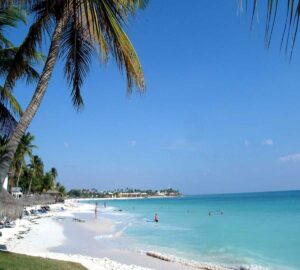
Most visitors to Nassau aren’t choosing between culture and the coast—they’re trying to blend the two. One very natural pairing is to experience the junkanoo festival at night and use the following day (or days) to recover with some slower beach time. This is where places like Junkanoo Beach come in: they’re close to downtown and the cruise port, casual, and easy to fold into a loose schedule when you’re a bit sleep-deprived but still want to be outside.
If you’re in Nassau for a few days around the holidays, you might end up with a rhythm that looks something like: spend one night at the parade, sleep in, then head to the beach in the afternoon; on another day, explore a quieter stretch of sand or a resort beach, then visit a museum or take a short walking tour downtown. Seeing the city in daylight after experiencing it under Junkanoo lights gives you a more complete sense of the place.
What if you’re only in port for a day?
For cruise passengers whose stops don’t line up with the main parade nights, smaller Junkanoo-themed events, cultural performances, or museum visits can still give you a meaningful glimpse. Some seasonal mini festivals in places like Pompey Square are specifically designed with cruise and short-stay visitors in mind, offering daytime or evening experiences that are easier to fit into tight schedules.
On those days, combining a walk to the beach, a few hours at Junkanoo Beach, and a stop at a Junkanoo museum or cultural space can be a satisfying way to feel like you’ve done more than just “go to the beach,” even if your time ashore is limited. The key is being realistic about how much you can fit in without turning a short port call into a sprint.
Respecting the culture while you enjoy it
Because Junkanoo is so visually striking, it can be tempting to treat it only as a backdrop for photos. There’s nothing wrong with wanting beautiful images, but it helps to remember that you’re stepping into a tradition that means a lot to the people creating it. Listening, asking questions politely, and being open to learning can make your experience richer than just collecting snapshots.
That might mean reading a little about Junkanoo’s history beforehand, visiting the Bahamas Museum of Junkanoo or a similar institution, or simply noticing the effort and craft in each costume as more than just “something colorful.” It’s a small mindset shift, but it’s one that locals often appreciate—and it tends to deepen your own memory of the night, too.
Planning your trip around the junkanoo festival
If you’re serious about seeing the main parades, planning around the calendar is non-negotiable. You’ll want to confirm the official dates and times (which can occasionally shift), look at where you want to stay in relation to downtown Nassau, and decide how comfortable you are walking or taking late-night transportation after the event.
Because Boxing Day and New Year’s parades draw both locals and visitors, accommodations and certain viewing areas can book up. It’s worth locking in the basics early and then leaving some space in your schedule for the kind of spontaneous experiences that festivals tend to invite—casual conversations, side events, and unplanned detours.
If part of your plan is to blend the junkanoo festival with beach days, you might sketch out a loose structure where one day is fully festival-oriented, one day is mostly rest and beach (with an easy, close-in option like Junkanoo Beach), and any remaining days mix light sightseeing with food and culture. It doesn’t need to be perfect; it just needs to line up with how much energy you realistically have.
Is the junkanoo festival right for you?
Junkanoo isn’t a quiet, contemplative experience. It’s immersive, intense, and sometimes a bit chaotic in a way that many people find exhilarating and a few find overwhelming. If you love live music, street festivals, and the feeling of being surrounded by a place’s culture rather than just observing it from a distance, the junkanoo festival in Nassau is very likely worth planning a trip around.
If you’re not sure, that’s okay too. You might decide to experience a shorter slice of the night instead of staying until dawn, or to focus on daytime Junkanoo-themed events and museum visits rather than the full overnight parade. Either way, knowing what junkanoo festival offers—deep cultural roots, big sound, and a city transformed for a few hours—helps you decide how it fits into your own version of a trip to Nassau, instead of trying to force yourself into someone else’s idea of what you “should” do.