The Best Kilimanjaro Routes: How to Choose the Right Path For You
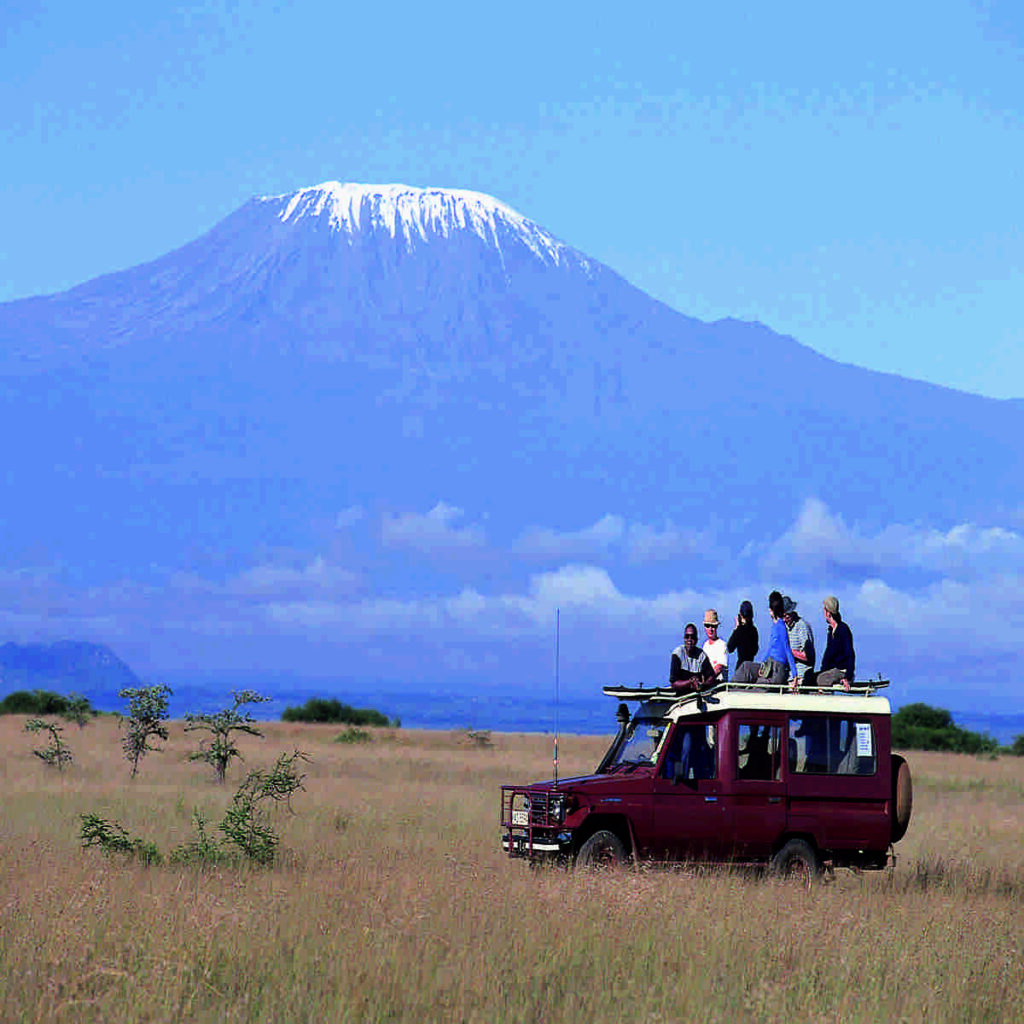
Choosing a route on Kilimanjaro sounds simple until you actually sit down and try to do it. Suddenly it is a blur of names—Machame, Marangu, Lemosho, Rongai, Northern Circuit, Umbwe, Shira—plus strong opinions from strangers online who sound extremely confident. This article is meant to calm that noise down and help you pick the best kilimanjaro routes for you, not just whatever is trending.
Also, a quick note before we get into it: the “best route” is rarely a single answer. It depends on your schedule, how you handle altitude, how much you care about crowds, and whether you like the idea of sleeping in huts versus tents. If you’re still at the stage of deciding whether the mountain itself fits your life, start with the main guide: mount kilimanjaro: a complete guide for curious climbers.
How Kilimanjaro routes actually work (a simple mental model)
Here’s the easiest way I know to think about Kilimanjaro routes: they are different ways of approaching the same summit. Many routes overlap higher up, so you’re not choosing a totally unique “world” from day one to the top. You’re mainly choosing your approach, your acclimatization profile, and your overall experience—especially in the first few days.
There are seven established routes commonly used to climb Kilimanjaro: Marangu, Machame, Umbwe, Rongai, Shira, Lemosho, and the Northern Circuit. Your descent route is often dictated by the park based on your ascent route, so you typically don’t “custom design” every detail the way you might on some other treks.
The one factor people underestimate: acclimatization
I know it’s not the most exciting word. Still, acclimatization is the quiet engine behind summit success. Routes that give you more time at altitude—and that naturally allow a “walk high, sleep low” rhythm—tend to be kinder to your body. And when people say “Kilimanjaro is just a trek,” this is the part they often forget: you can be strong and still get flattened by altitude.
If you want to time your climb around the most comfortable seasons (which can also affect crowding and trail conditions), you’ll probably want to keep this open in another tab: best time to climb Kilimanjaro guide. Route choice and season are not separate decisions, not really.
A quick comparison of the best Kilimanjaro routes
Rather than pretending these routes are all equal, let’s put them side by side. The goal is not perfection—operators vary, itineraries vary—but this gives you a practical starting point.
| Route | Typical days | Crowds | Scenery | Acclimatization | Best for |
|---|---|---|---|---|---|
| Lemosho | 7–8 | Moderate | Very high | Excellent | First-timers who want strong summit odds and a balanced experience |
| Machame | 6–7 | High | High | Very good | Fit trekkers who want classic scenery and a solid acclimatization profile |
| Northern Circuit | 8–9 | Low | Very high | Best | People prioritizing acclimatization and fewer crowds (with extra time) |
| Rongai | 6–7 | Low | Moderate | Fair | Those wanting a quieter approach, often drier conditions |
| Marangu | 5–6 | High | Moderate | Poor to fair | People who strongly prefer huts (but accept tradeoffs) |
| Shira | 6–8 | Low | High | Mixed | Trekkers who understand the higher starting point and plan accordingly |
| Umbwe | 6–7 | Very low | High | Poor | Experienced hikers seeking a steep, direct, demanding approach |
If your eyes keep drifting back to “Typical days,” that’s normal. Days on the mountain are not just a scheduling detail—they’re often the difference between a manageable climb and an unpleasant one. And yes, budgets matter. Still, if you can stretch your itinerary, it often pays you back in comfort and safety.
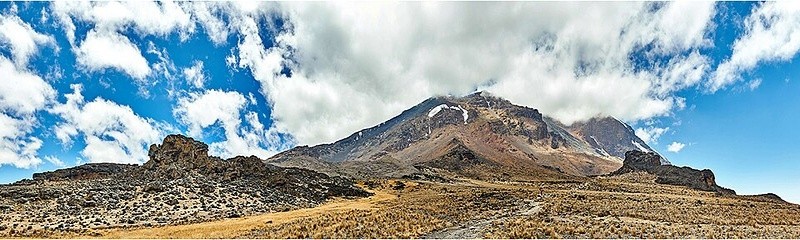
Route-by-route: what each one feels like
Lemosho route (often the best all-around choice)
If someone told me, “I’m reasonably fit, I’m new to high altitude, and I want a route that gives me a real chance without feeling like a cattle drive,” I would probably start by talking about Lemosho. It approaches from the west, begins more remotely, and typically gives you the kind of gradual adjustment that your body appreciates later.
The scenery tends to be a highlight—big views, varied landscapes, and a sense of “arrival” as you move into higher zones. It can be a bit more expensive than some options, partly because of the longer access and common itinerary length, but it often earns its reputation.
Machame route (classic, scenic, and busy)
Machame is popular for a reason. It is scenic, it has a strong acclimatization rhythm, and it feels like a full journey through the mountain’s changing zones. On the other hand, popularity comes with crowds, especially in peak seasons. Sometimes the social energy is fun; sometimes it’s not what you pictured when you imagined “wilderness.”
Machame is also a route where pacing matters. It has ups and downs that can feel like a lot if you’re not used to long trekking days. If you’re training specifically for this kind of route, you might appreciate a more structured approach in how to train for mount kilimanjaro.
Northern Circuit route (time-rich, crowd-light)
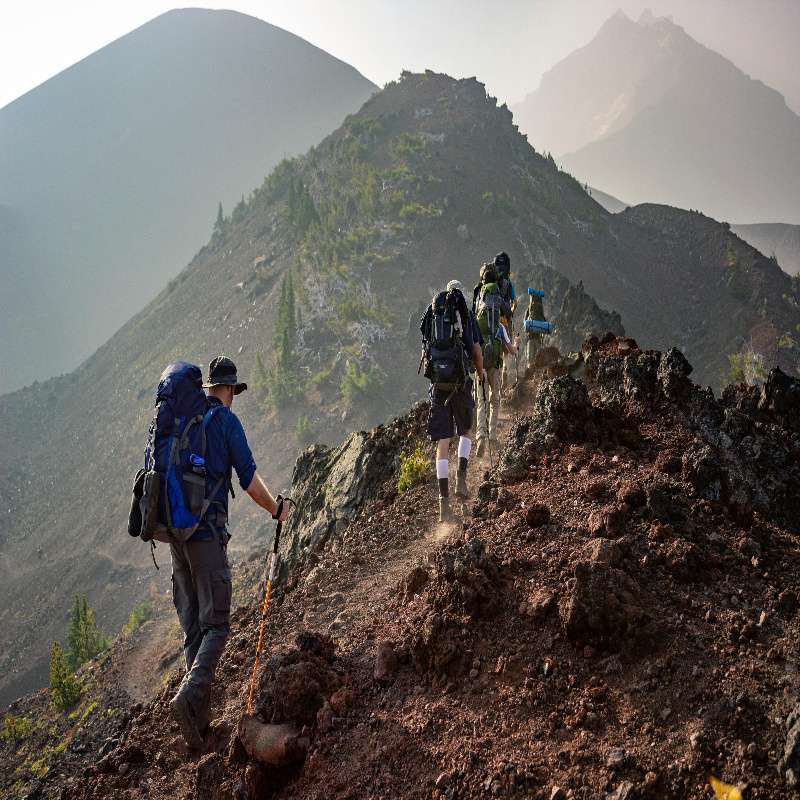
The Northern Circuit is often described as the best route for acclimatization, largely because it is typically the longest. It starts similarly to Lemosho, then makes a wider, quieter arc around the mountain’s northern slopes. Fewer people choose it simply because it takes more days, and in travel planning, days are a kind of currency.
If you can afford that currency—time, budget, flexibility—it can be a wonderful choice. I hesitate to say it is “the best” universally, because some people genuinely do not want a longer trek. But for many, it is the calmest path to a strong summit attempt.
Rongai route (quieter and often drier)
Rongai approaches from the north and tends to see less foot traffic than the busy southern routes. It can be a good option if you’re crowd-avoidant, or if you’re climbing in a season when the northern side may be drier. That said, the acclimatization profile is often considered less optimal than the longer western approaches.
I think Rongai is one of those routes that people either love or find a bit “plain” compared to the dramatic southern traverses. Not because it’s bad—just because it is different in character. If you’re someone who values quiet over constant wow-moments, that trade can be totally worth it.
Marangu route (huts, convenience, and tradeoffs)
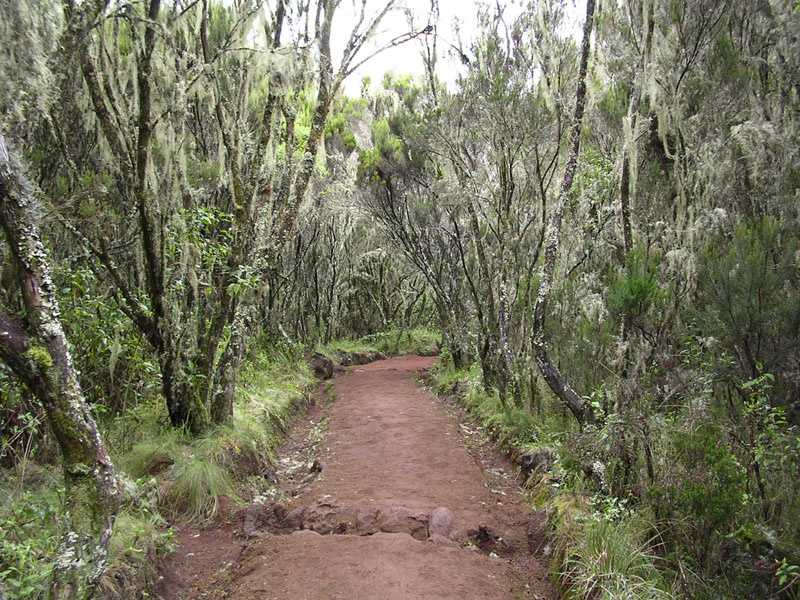
Marangu is famous for being the route with hut accommodation instead of tents. For some trekkers, that is the deciding factor, full stop. Huts can feel more comfortable, especially if you’re nervous about camping.
The tradeoff is that Marangu is often done in fewer days, which can reduce acclimatization time. It can also be busy, and because ascent and descent commonly use the same path, some people find the overall experience less varied. It is not that Marangu is “wrong.” It’s that you should choose it with clear eyes, not because you heard it was the easiest.
Shira route (high start, specific fit)
Shira starts at a higher elevation than many other routes, which can be a mixed blessing. You get into the open landscapes faster, which sounds appealing. But the higher starting point can make the early acclimatization phase more abrupt, and that’s not something everyone tolerates well.
If you’re considering Shira, I’d treat it as a “talk to your operator carefully” route. Ask how many days they recommend, how they manage acclimatization, and what their plan is if someone in the group reacts poorly early on.
Umbwe route (steep, direct, not forgiving)
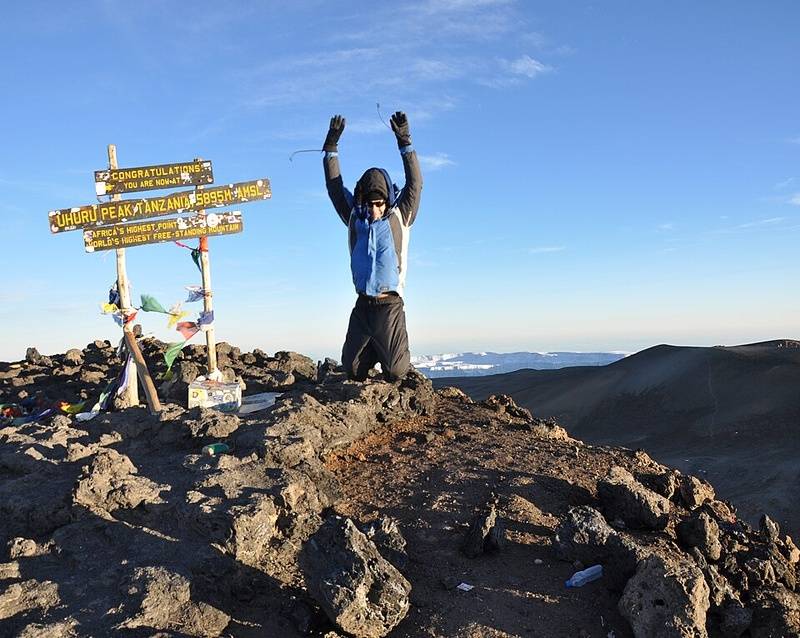
Umbwe is the steepest and most direct of the standard routes, and it’s often labeled as one of the most challenging options. The scenery can be spectacular, and the early days may feel remote and wild. But steep and fast is rarely a friendly combination at altitude.
If you are very experienced and already acclimatized (or you have recent high-altitude exposure), Umbwe might appeal as a more intense wilderness-style approach. If you’re a first-timer, though, it’s usually smarter to choose a longer route that gives you more room to adapt.
How to choose the best route for your personality
Here are a few “decision shortcuts” that tend to help real people make a real choice. They are not rules, exactly. More like filters.
If you want the highest chance of summiting
Prioritize acclimatization: choose a longer itinerary and a route known for good altitude adjustment. For many first-time climbers, that often points toward Lemosho, Machame (in a longer version), or the Northern Circuit. It’s not glamorous advice. It’s just practical.
If you hate crowds
Look seriously at Rongai or the Northern Circuit, and consider traveling in less crowded months. Crowds are not only about trail traffic; they affect campsite vibe, bathroom lines, and whether you feel like you can hear your own thoughts.
If you strongly prefer hut accommodation
Marangu is the obvious candidate. But do not let the hut detail distract you from the bigger issue: itinerary length. If your operator offers a longer Marangu schedule, that can help. If they push the shortest version, be cautious.
If your schedule is tight
This is where people try to “optimize” the mountain, and honestly, Kilimanjaro does not always cooperate. If you have limited days, consider whether you can add even one extra day to improve acclimatization. If you cannot, it becomes even more important to train well, pace conservatively, and choose an operator with a strong safety culture.
Common mistakes when picking a Kilimanjaro route
Choosing the shortest itinerary to save money
I get it. Trips are expensive. But on Kilimanjaro, fewer days can mean a tougher experience and a higher chance of turning around. Sometimes the “cheapest” route becomes the most expensive when you factor in disappointment and the possibility of needing another attempt later.
Choosing a route based on one dramatic photo
Photos are powerful. They also don’t show cold wind at 3 a.m., or how you feel after four straight days of hiking. Use photos for inspiration, sure, but base your route choice on acclimatization and your own preferences: crowds, camping, and comfort level with long days.
Assuming “popular” automatically means “best”
Popular routes can be great. They can also be crowded, and popularity sometimes reflects marketing more than suitability. If you have the chance to pick a route that fits you better—even if it’s less talked about—you may end up with a richer, calmer climb.
How to talk to operators (and what to ask)
By the time you’re reaching out to operators, you want to sound like someone who understands the basics. Not to impress them, but to protect yourself. Ask about itinerary length, acclimatization strategy, guide-to-client ratios, medical procedures, and what they do when someone shows altitude symptoms.
It is also fair to ask about ethical standards and porter welfare. If an operator is vague, defensive, or dismissive, take that seriously. The route matters, but the team you climb with matters just as much.
Bringing it all together
If you want a simple recommendation and you’re not trying to overthink it, a longer Lemosho itinerary is often the most balanced choice for many first-time trekkers. If you want something classic and you don’t mind more people, Machame can be a beautiful route with a strong acclimatization profile. If you have the time and want extra breathing room—literally and socially—the Northern Circuit can be a quiet, steady path with excellent acclimatization.
And if you’re still unsure, that’s not a problem. It might mean you need a bit more context on the mountain as a whole. You can circle back to the pillar guide—mount kilimanjaro: a complete guide for curious climbers—and then return here when the route names start to feel like real choices rather than random syllables.
One last thought, slightly contradictory but true: you can pick a “perfect” route and still have a hard time, and you can pick a “less ideal” route and have an incredible experience. The mountain is like that. Choose thoughtfully, train consistently, and give yourself enough days. Then let the rest unfold.