Things to do in Nashville: a local-feeling guide
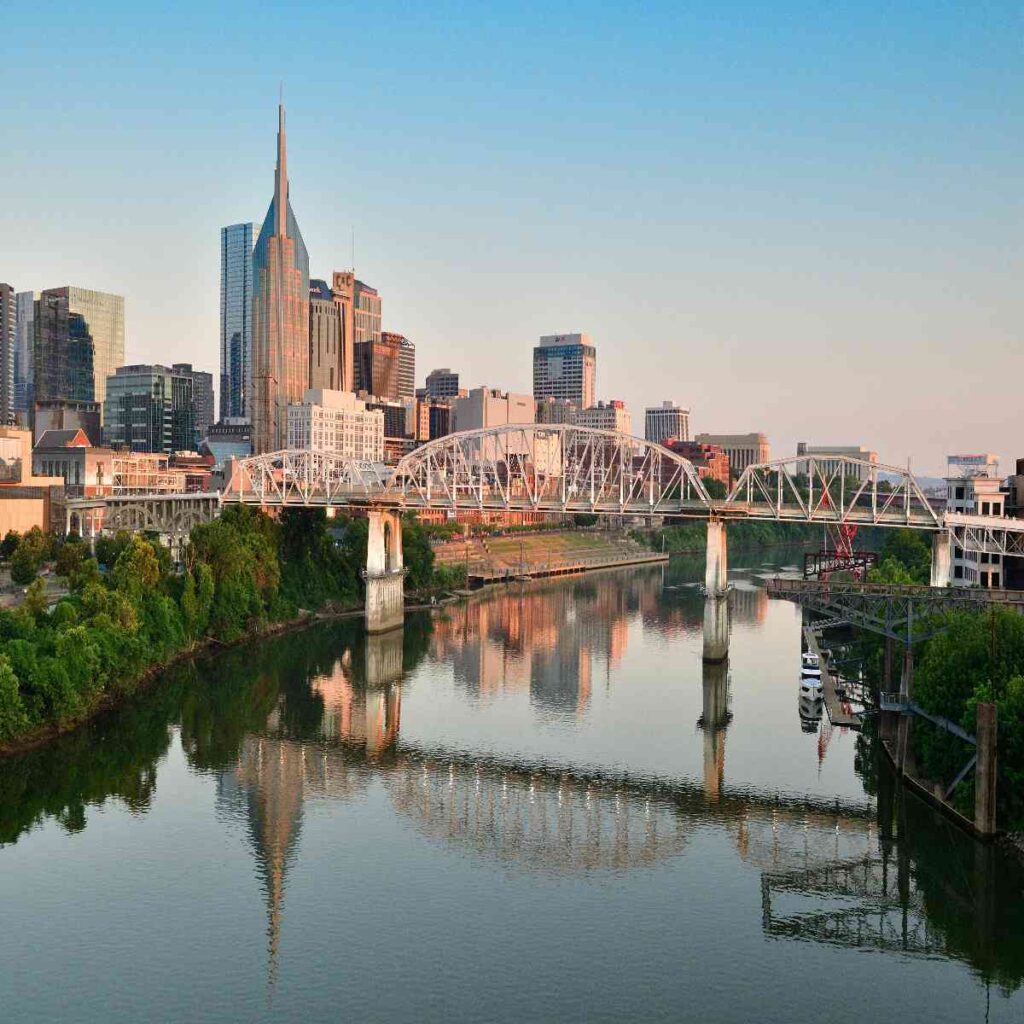
If you’re looking up things to do in nashville, chances are you want two things at once: the iconic “Music City” moments, and a plan that doesn’t feel like you’re speed-running a checklist. I get that. Nashville can be neon and noisy, and then—one turn later—quiet, leafy, almost gentle. It’s part of the charm, even if it’s also a little confusing when you’re trying to build an itinerary.
This guide is meant to be practical. Not perfect. It’s built around the stuff that tends to hold up in real life: what’s worth planning ahead, what you can leave flexible, and how to get the best version of Nashville without feeling like you have to do it all.
Things to do in nashville (a quick “start here” list)
Let’s start with the obvious question: if you only have a day or two, what are the safest bets? These are the experiences that most first-time visitors end up loving—even if they swear they “aren’t really into country music.” (Which is totally fine, by the way. Nashville is bigger than one genre.)
- Spend an hour on Lower Broadway to hear live music spilling out of the doors and windows.
- Pick one “music history” anchor: the Country Music Hall of Fame and Museum or the Ryman.
- Eat something unreasonably good, then take a walk to reset your brain (a riverfront stroll or a neighborhood wander works).
- Choose one neighborhood outside downtown so your trip doesn’t blur into “Broadway, but again.”
Now, if Broadway isn’t your thing—or you suspect it won’t be—don’t worry. There’s a whole section below on alternatives, and there’s also a dedicated post you can skim later: things to do in Nashville that aren’t on Broadway. It’s the same city, just a different volume level.
Start with live music (without making it complicated)
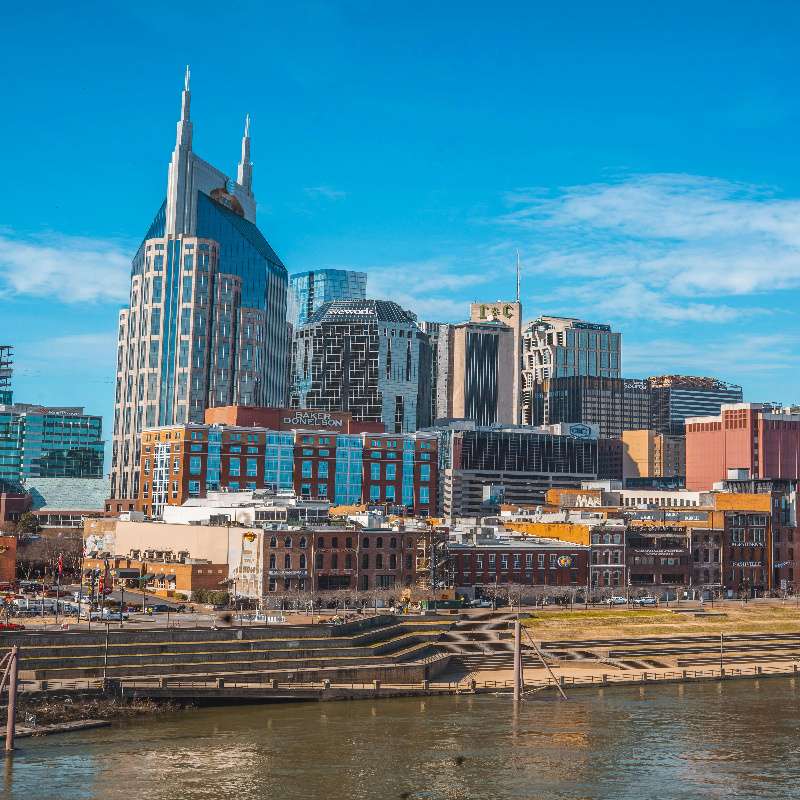
Nashville is one of those places where live music is the default, not the “special activity.” In many downtown venues, the music is effectively free to walk in and hear—no cover charge is part of the culture—so the polite, normal thing to do is tip the band if you stay and enjoy it. That’s not a rule exactly, but it’s… how it works.
The famous stretch is the Honky Tonk Highway on Lower Broadway, where live music runs long hours and the whole street is basically designed for wandering from one sound to the next. If you want the experience with less chaos, go earlier in the day; the music is still there, but you don’t have to shoulder through the biggest crowds.
Things to do in nashville on Broadway (the “easy win”)
Broadway is not subtle. It’s loud, bright, and honestly a little ridiculous in the best way—until you’ve had enough. The trick is to treat it like a tasting menu. Try a couple of spots. Stay if you’re having fun. Leave the second you stop having fun. There’s no prize for pushing through.
If you want a deeper, practical approach—timing, pacing, and how to avoid the “we’re stuck here and it’s not even enjoyable” scenario—save this for later: Honky Tonk Highway and Broadway tips.
One small note that’s easy to forget: even when the music is “free,” musicians often rely on tips, especially in the classic honky-tonk setup. If you’re staying for more than a song or two, tossing something in the tip jar is part of being a good guest.
See the music history that actually feels alive
This is where Nashville can surprise people. The best music attractions aren’t just “stuff in glass cases.” They’re stories, context, and a kind of time travel—especially if you’ve grown up hearing these names in the background of American pop culture.
Country Music Hall of Fame and Museum (worth the time)
The Country Music Hall of Fame and Museum is one of the most reliable daytime picks in town. It’s operated by the Country Music Foundation (a not-for-profit educational organization) and it’s widely positioned as a major U.S. history-museum-level attraction, not a quick novelty stop. In other words: it tends to be worth the ticket, even for people who show up “just to see what it’s like.”
If you’re building a day around it, this is a nice place to start in the late morning, then roll into lunch in the SoBro area and walk toward Broadway later. That rhythm works because you’ve already done something meaningful before the nightlife energy kicks in.
Ryman Auditorium (tour it or catch a show)
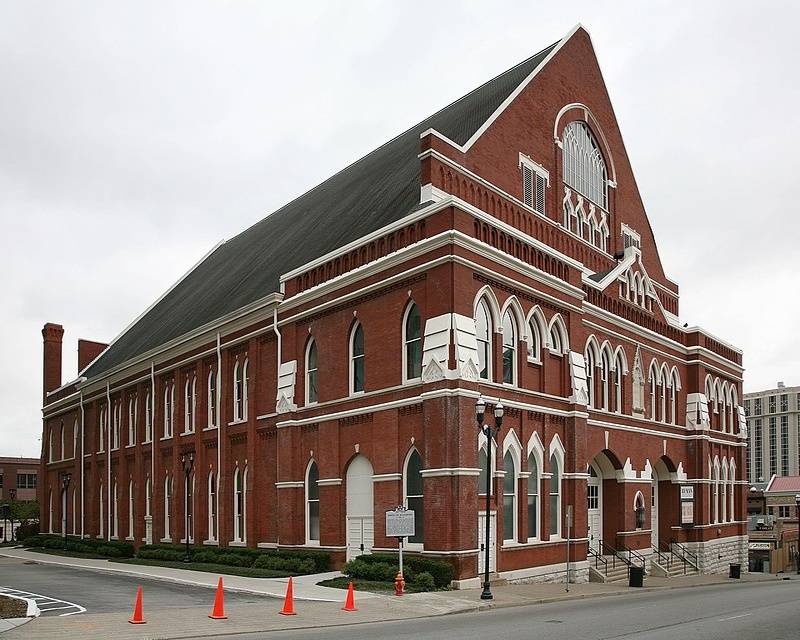
The Ryman is one of those venues that feels bigger than the show you’re seeing, even if you’re not sure why at first. It’s often called the “Mother Church of Country Music,” and part of the appeal is the history: it began as the Union Gospel Tabernacle, and it later hosted major cultural events and performances—including the Grand Ole Opry for a long stretch of time.
If you’re torn between a daytime tour and a nighttime ticket, here’s a slightly imperfect answer: if you love architecture and history, tour it. If you love the feeling of a crowd going quiet for a great song, try for a show. Either way, it’s not a bad decision.
Do the “classic Nashville” loop (and then get out of it)
Downtown Nashville is efficient for visitors. You can stack a lot of big-ticket highlights close together, and that’s useful. It’s also easy to stay downtown the entire trip and come away thinking you’ve “done Nashville”… while missing the parts that feel most normal and local.
A nice approach is to do a classic downtown loop once—Broadway, a museum, a landmark venue—then spend your next day mostly outside the core. That balance is where the trip starts to feel like your own.
Neighborhoods that change the whole mood
If Nashville had a secret, I think this would be it: neighborhoods are the difference between “I went to Nashville” and “I really liked Nashville.” The city’s personality changes fast depending on where you spend your time.
SoBro (downtown, but functional)
SoBro is where a lot of the major visitor infrastructure sits. It’s convenient, walkable, and a good base if you’re doing the Hall of Fame and then heading toward Broadway later. It’s not the most charming part of town, maybe, but it’s easy. And sometimes easy is exactly what you need.
The Gulch (sleek, modern, very walkable)
The Gulch tends to feel polished—great for a nice dinner, shopping, and an “I want to look put-together today” kind of afternoon. It’s also the kind of place where you can pop into a spot, grab a coffee, and just… take a breath.
12 South (strolling, boutiques, casual food)
12 South is a good answer to “I want to wander without a strict plan.” It’s not a checklist neighborhood; it’s more of a slow meander with shops, patios, and little places that tempt you into staying longer than expected.
Germantown (food-forward, calmer)
Germantown is a strong choice if you care about restaurants and you’d rather avoid the “downtown crush.” It feels more residential. It’s also a good place to schedule a meal you’re actually excited about, not just something you grabbed between attractions.
East Nashville (creative, eclectic, less touristy)
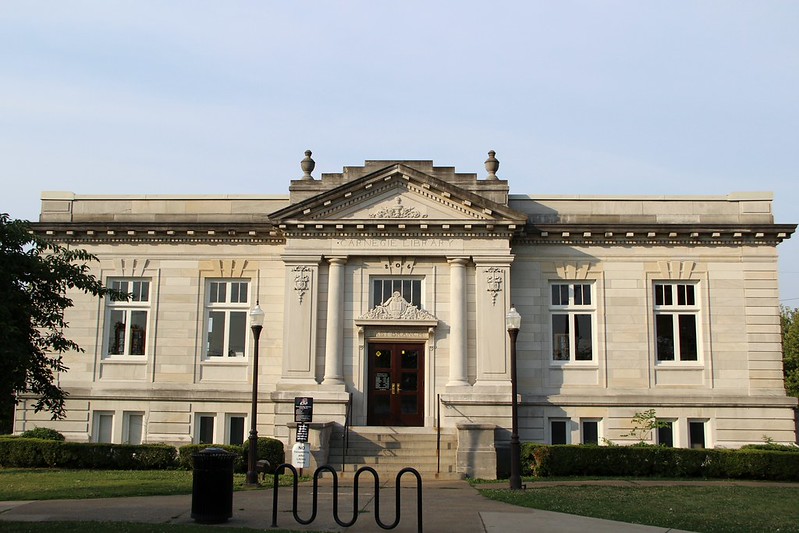
East Nashville often gets described as artsy or eclectic, which can be true, but the real point is that it’s different. It’s the easiest way to see a side of the city that isn’t built purely for visitors. If you’re the kind of traveler who likes to poke around record stores, local bars, and small galleries, it’s a good fit.
If you want a clean shortlist of non-downtown options—plus ideas like arcades, murals, and lesser-hyped stops—bookmark this: things to do in Nashville that aren’t on Broadway. It’s meant for the “I want Nashville, but not the chaos” mood.
Food and drink (the part you’ll remember)
Food in Nashville deserves real attention, but it’s also easy to overdo it. Hot chicken is iconic, yes, but you don’t need to turn every meal into a spicy endurance test. I think one “signature” meal and one “comfort” meal is a nice balance.
- Try the classics once (hot chicken, BBQ, Southern meat-and-three).
- Leave room for something lighter the next day, especially if you’re doing a lot of walking.
- Don’t skip breakfast. Nashville days go long, and you’ll feel it by late afternoon if you start on fumes.
If you’re staying downtown, consider eating earlier than you think. Restaurants and bars fill up quickly when there’s an event night, and waiting while hungry is a very specific kind of vacation misery.
Outdoor breaks that make the city feel bigger
This might sound counterintuitive, but parks and walks can make a Nashville trip feel more “complete.” After a few hours of sensory overload—music, crowds, bright signage—green space feels almost like a reset button.
You don’t need to spend half a day hiking. Even a simple walk between neighborhoods, or a quiet hour with a coffee in a park, can change the pace of the whole trip.
One-day, two-day, and three-day itineraries
Itineraries are tricky because they look authoritative on the page, and then real life happens: you sleep in, it rains, the museum takes longer, you find a bar with a great band and you stay. Still, having a loose plan helps. Think of these as “good defaults,” not rules.
1 day in Nashville (first-timer version)
- Late morning: Country Music Hall of Fame and Museum.
- Lunch: Somewhere in SoBro (keep it easy).
- Afternoon: Walk around downtown; consider a Ryman tour if timing works.
- Evening: Broadway / Honky Tonk Highway for live music, but go with a time limit in mind.
2 days in Nashville (classic + neighborhoods)
- Day 1: Do the downtown hits: museum + Ryman + a taste of Broadway.
- Day 2 morning: 12 South stroll and coffee.
- Day 2 afternoon: Germantown meal or East Nashville exploring.
- Day 2 evening: A ticketed show (or a quieter live music venue) instead of another Broadway lap.
3 days in Nashville (slow down, go deeper)
- Day 1: Downtown highlights, done calmly.
- Day 2: Neighborhood day (Gulch + 12 South, or East Nashville + Germantown).
- Day 3: Choose a theme: history, shopping, food, or a winter-friendly indoor day if the weather isn’t cooperating.
If you’re visiting in colder months, it’s worth having a backup plan that leans indoor: museums, shows, and long meals you can linger over. This is exactly why the seasonal guide exists: winter things to do in Nashville.
Practical tips that save your day (and your mood)
This part isn’t glamorous, but it’s the difference between “great trip” and “why are we stressed?”
- Do Broadway earlier if crowds make you tense. The energy is still there, just with more breathing room.
- Plan one anchor per day (a museum, a tour, a ticketed show). Everything else can be flexible.
- Tip musicians when the music is free. It’s a small thing, but it matters.
- Expect noise downtown. If you’re a light sleeper, choose lodging a little outside the loudest blocks.
And one more gentle truth: you don’t have to “understand” Nashville in one trip. Most people don’t. You pick a version of it—music history, nightlife, neighborhoods, food—and that version becomes your Nashville. Next time, you pick another.
Conclusion
The best things to do in nashville aren’t always the flashiest. Sometimes it’s the small moments: a band that’s far better than you expected, a museum exhibit that pulls you in, a neighborhood meal that turns into a long conversation because nobody wants to rush back into the noise.
If you take one idea from this guide, let it be this: build a trip with contrast. A loud hour, then a quiet hour. A big landmark, then a wandering neighborhood. That’s when Nashville starts to feel less like a backdrop and more like a place you were actually in.