Top tourist attractions in Italy Rome Vatican: a realistic 3-day plan
Before you plan days: two quick truths
First: you’ll walk more than you think. Even if you take taxis or the metro, Rome is still a “walk between moments” city.
Second: the big sights don’t just get busy—they get booked.
For the Colosseum area (Colosseum, Roman Forum, Palatine Hill), the official Parco archeologico del Colosseo site publishes opening times and ticket information, and it’s worth checking it close to your travel dates because seasonal hours change. You can see the official details here: Opening Times and tickets.
For the Vatican Museums and Sistine Chapel, the Vatican Museums’ official “Prices and Tickets” page explicitly warns that the only official site for purchasing tickets online is their ticket portal.
It’s a simple sentence, but it can save you from a surprisingly stressful mistake: Prices and Tickets.
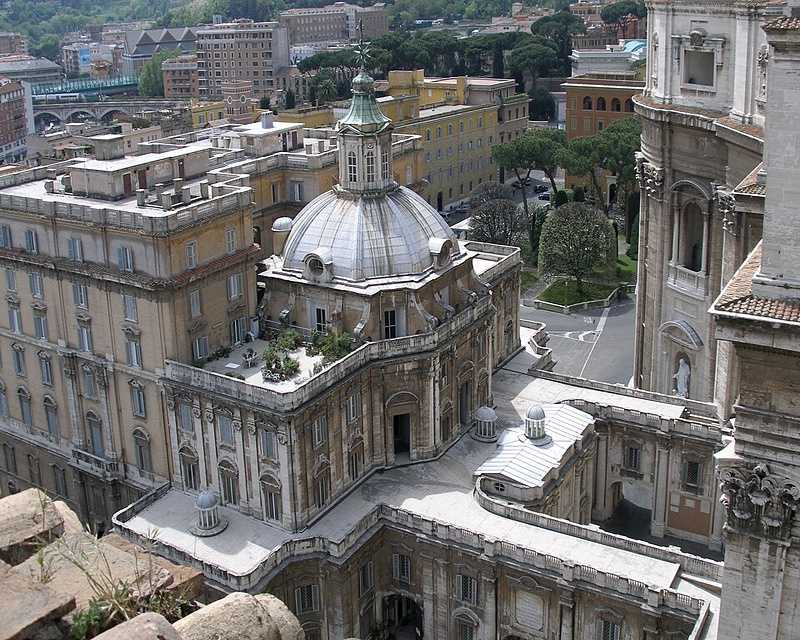
A realistic way to structure Rome + Vatican
Here’s the approach I like for most first-timers: split the trip into “Ancient Rome,” “Vatican day,” and “Rome at street level.”
You can swap the order depending on ticket availability, but try not to stack your two heaviest days back-to-back if you can avoid it.
And yes, I know—sometimes you only have two days. If that’s you, you can still do it. It just becomes a tighter version of the same structure: one major timed-entry block per day, then flexible wandering around it.
Day 1: Ancient Rome (Colosseum, Forum, Palatine)
This is your “big stone and big feelings” day. Start with the Colosseum, then continue through the Roman Forum and Palatine Hill.
Grouping these together isn’t just thematically satisfying—it’s practical, because they’re next to each other and the ticketing is designed around visiting the archaeological area.
Colosseum timing (what people underestimate)
The Colosseum has timed entry, and it matters. On the official site, the Parco notes that the Colosseum opens at 8:30 am, while the Roman Forum–Palatine area opens at 9:00 am, with closing times that vary by season. That detail nudges your whole day into place: Opening Times and tickets.
A small but helpful habit: aim to be in the area earlier than you feel like being. Not because you need to “beat Rome,” but because mornings tend to feel calmer, and your patience will stretch further later in the day.
Forum and Palatine (how to make it enjoyable)
The Roman Forum and Palatine Hill can be surprisingly draining if you treat them like a museum with labels. Think of them more like a landscape with ruins—something you move through.
If you want a little structure without a full guided tour, pick a few anchor points you care about, then let the rest be atmosphere.
If you’re the kind of traveler who likes to lock in tickets early, the Parco archeologico del Colosseo also lists combined ticket options on its official ticket pages, including entry covering the Colosseum, Roman Forum, and Palatine.
One example is the “24h – Colosseum, Roman Forum and Palatine” product page: 24h – Colosseum, Roman Forum and Palatine.
Late afternoon suggestion (optional, but it often works): after you finish the ruins, deliberately choose something “small” and nearby—coffee, gelato, a slow stroll—before you go hunting for dinner. It sounds basic. It’s also the difference between feeling pleasantly tired and feeling wrecked.
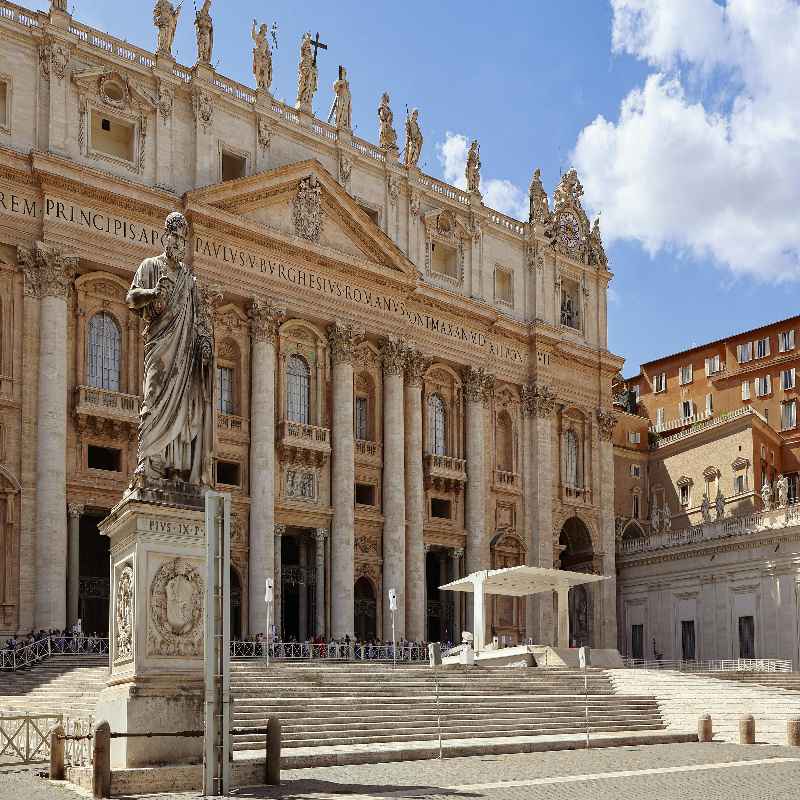
Day 2: Vatican Museums + St. Peter’s (commit to the day)
The Vatican day is intense in a different way. Instead of sun and stones, it’s corridors of art, security lines, and the quiet pressure of wanting to “see it all.” You won’t. Nobody does. That’s okay.
Vatican Museums tickets (the official thing to do)
The Vatican Museums’ official ticket information page spells out a few things that are easy to miss when you’re planning quickly: the ticket entitles you to visit the Museums and Sistine Chapel only on the date it’s issued, and they note the only official site for purchasing tickets online. It’s the kind of official clarity that’s calming, honestly: Prices and Tickets.
If you’re deciding between a guided visit and going on your own, here’s my imperfect take. A guided tour can be a gift if you’re short on time or you find museums tiring. Self-guided can be better if you like lingering in strange corners.
I’d choose based on energy, not on “what a good traveler should do.”
Sistine Chapel expectations (gentle, realistic)
People talk about the Sistine Chapel like it’s a single quiet moment. In reality it can be crowded, and the experience is often shorter than you imagine.
That doesn’t make it less meaningful, but it helps to walk in with realistic expectations so you’re not disappointed for the wrong reasons.
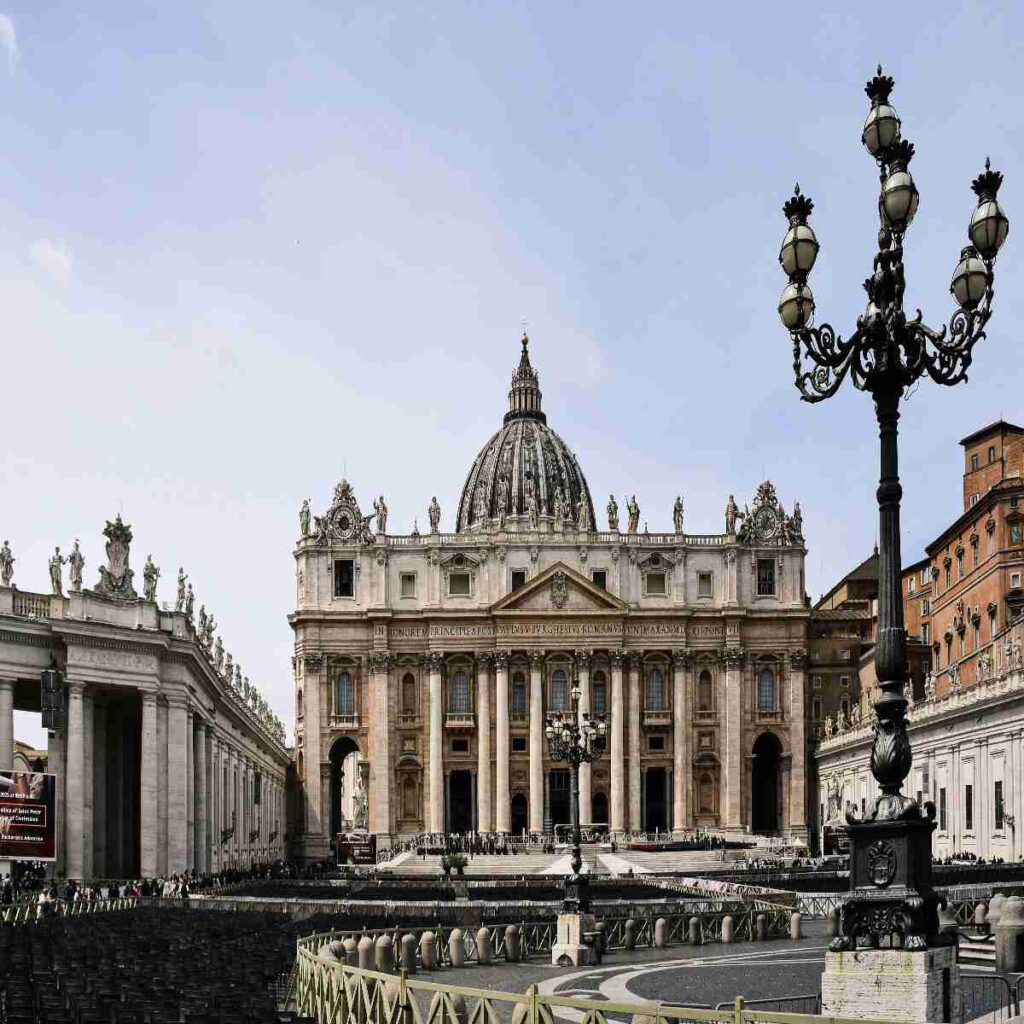
St. Peter’s Basilica: place it after the Museums (usually)
Many travelers pair St. Peter’s Basilica with the Vatican Museums on the same day, and it can make sense geographically.
Just keep a little flexibility: if the Museums take more out of you than expected, you might prefer a slower evening walk and visit the basilica another morning.
If you’re still shaping your broader trip (and you’re tempted to add Amalfi or the Dolomites right after Rome), the guide top tourist attractions in Italy scenic add-ons
can help you choose a “big extra” without blowing up your pace.
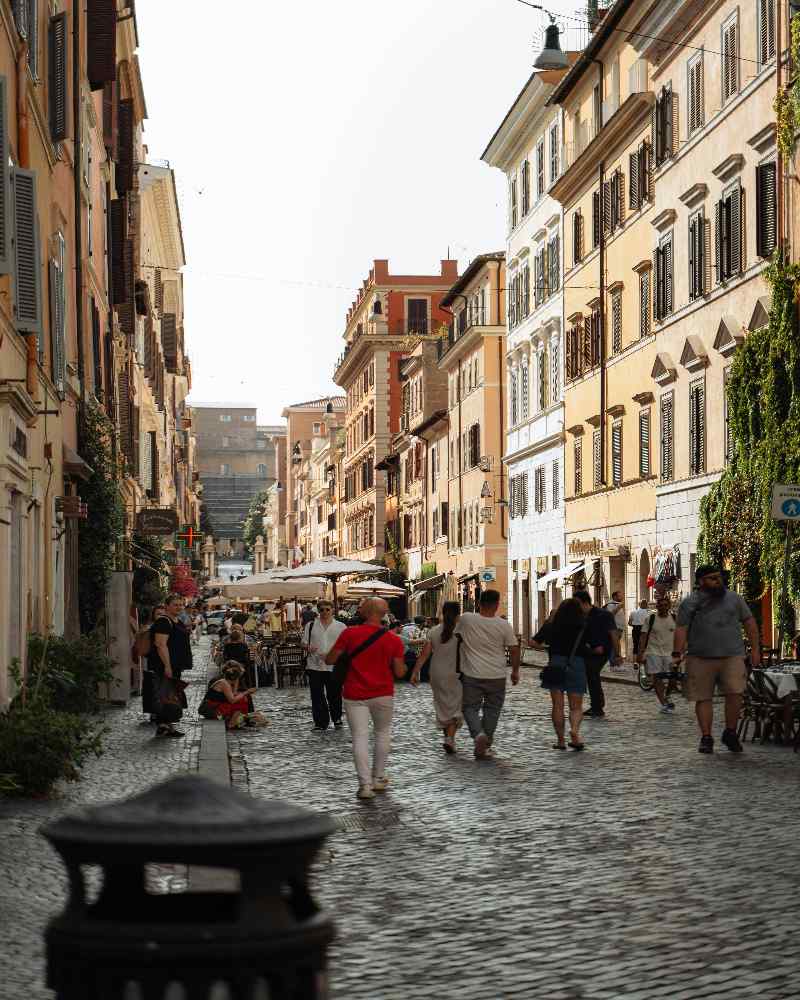
Day 3: Rome at street level (the day you’ll remember)
This is the day many itineraries forget to include, and it’s often the day people talk about afterward. Use it to explore neighborhoods, fountains, churches, and the everyday Rome that sits between the headline sights.
You’ll still see major landmarks, but you’ll do it without the constant pressure of a timed slot.
A few easy ways to shape this day:
- Choose a theme: “Fountains and piazzas,” “churches and art,” or “food and markets.”
- Walk in one direction: A simple point-to-point route is less mentally tiring than bouncing around.
- Leave your afternoon open: For shopping, a nap, or a second pass at a place you rushed on Day 1.
If you’re planning beyond Rome, this is also a good moment to look at your onward travel and ask a slightly uncomfortable question: “Am I trying to do too much?”
If the honest answer is yes, the main pillar guide top tourist attractions in Italy has a calmer way to prioritize across the whole country.
Common Rome + Vatican mistakes (and how to avoid them)
I’ll keep this practical. These are the patterns that trip people up most often.
- Booking too late: For the Colosseum area and the Vatican Museums, ticket availability and time slots shape your whole schedule; check official ticket info early via Opening Times and tickets and Prices and Tickets.
- Trying to do Vatican + Colosseum same day: Some people can do it, but many people end up exhausted and enjoy both less.
- Not planning recovery time: A long lunch or a slow evening walk isn’t wasted time in Rome; it’s part of the point.
- Assuming everything is “quick” because it’s close: Distances are short, but queues and security checks are real.
Conclusion: a Rome + Vatican trip that feels good
The best version of a first Rome trip isn’t the one where you “win” by seeing everything. It’s the one where the big sights land, you don’t spend your whole day in lines, and you still have enough energy to enjoy dinner.
Use this top tourist attractions in Italy Rome Vatican plan as your spine: one day for Ancient Rome, one day for the Vatican, and one day for the city itself.
Then, when you’re ready to connect Rome to the rest of your journey, go back to top tourist attractions in Italy and build outward from there.