Things to Do in West Village: A Walkable, Story-Driven Guide to NYC’s Most Charming Neighborhood
Arriving Without a Plan
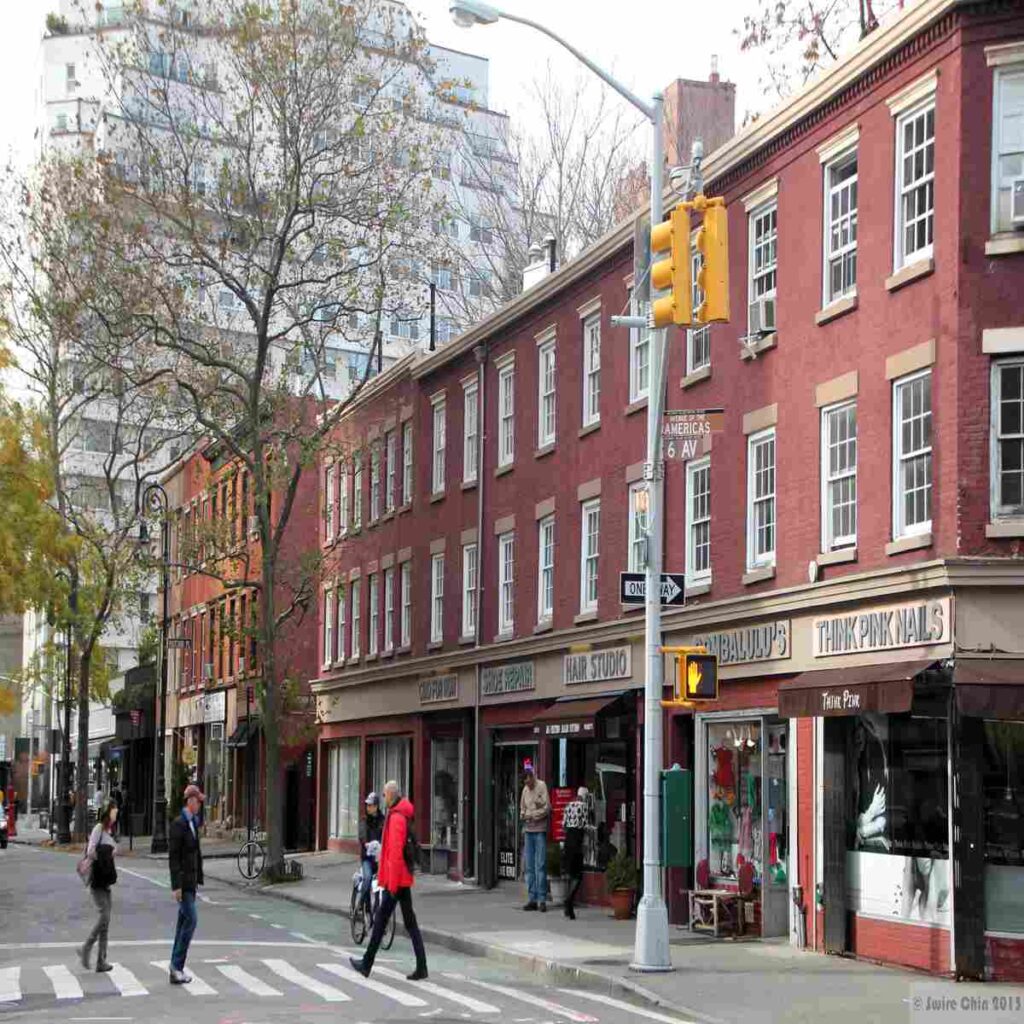
The first time I walked into the West Village, I didn’t really “arrive” in the usual New York sense. There was no dramatic skyline reveal, no obvious landmark telling me I’d made it. Instead, the city just… softened.
The streets stopped making sense in a grid. Buildings felt lower, older. Trees appeared where I wasn’t expecting them. And somewhere between turning down the wrong street and deciding not to check Google Maps, I realised something important—this wasn’t a place you rush through.
If you’re searching for the best things to do in West Village, you could easily make a checklist. But that would miss the point. The real experience is slower, more layered. It’s about noticing small details—the way brownstones catch the afternoon light, the quiet corners that suddenly open into busy cafés, the feeling that you’ve stepped into a different version of New York.
This guide will help you explore it properly—not just see it.
Why West Village Feels Different
There’s a reason the West Village stands apart from the rest of Manhattan.
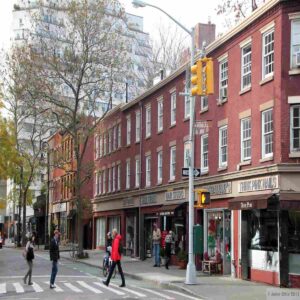
Most of New York follows a strict grid, but here, the streets predate that system. They twist, intersect unexpectedly, and sometimes seem to ignore logic altogether. It can feel slightly disorienting at first—but that’s part of the charm. You’re meant to wander.
The neighborhood also carries a long cultural memory. Historically, it was known as a center of artistic and alternative life—often described as a hub of “bohemian” culture, where writers, musicians, and creatives gathered and shaped new ideas.
That legacy hasn’t disappeared. It just blends into everyday life now. You’ll see it in small theatres, independent shops, and the general sense that this area has always attracted people doing things a little differently.
At the same time, it feels surprisingly residential. Tree-lined streets, preserved townhouses, and strict building protections have kept the neighborhood from becoming overly vertical or commercialised.
The result is rare for Manhattan: a place that feels both historically significant and quietly livable.
How to Explore the West Village (Before You Start)
Before getting into specific things to do in West Village, it helps to adjust how you approach it.
This isn’t a neighborhood where you jump from one attraction to another. It works better if you think of it as a slow walk with occasional stops.
Start with a Loose Direction, Not a Fixed Plan
A simple route works best:
- Begin around Bleecker Street or Christopher Street
- Walk west toward the Hudson River
- Let yourself take random turns along the way
Because of the irregular layout, you’ll naturally stumble onto places you wouldn’t have planned anyway.
Give Yourself Time to Pause
Some of the best moments here aren’t “destinations”:
- Sitting outside a café for longer than you intended
- Watching a street corner for a few minutes
- Walking the same block twice because you liked it
The neighborhood rewards that kind of unstructured time.
Choose the Right Time of Day
- Morning: quieter, more residential feel
- Afternoon: ideal for walking and cafés
- Evening: the energy shifts—restaurants and music venues come alive
If you can, spend at least half a day here. Rushing through it doesn’t really work.
Things to Do in West Village
Wander the Streets That Define the Neighborhood
If there’s one thing I’d prioritise above everything else, it’s this.
Walking through the West Village without a strict goal is not just an introduction—it is the experience.
You’ll notice the difference almost immediately:
- Streets that curve instead of running straight
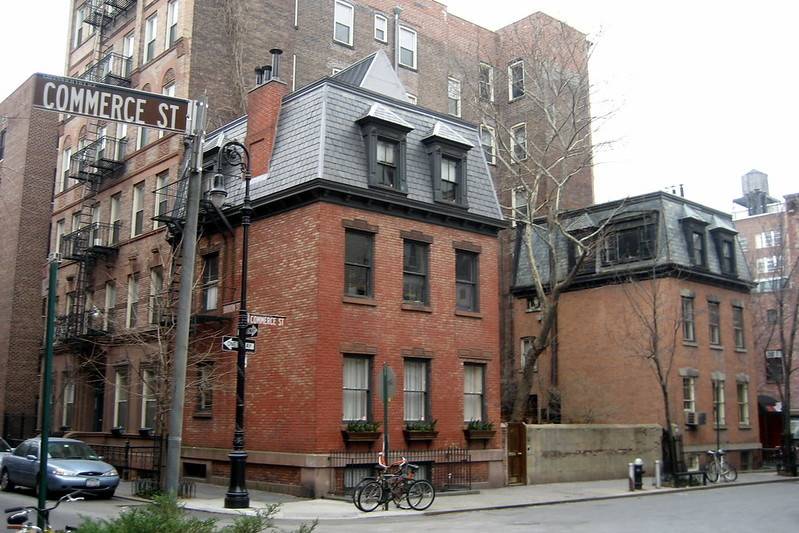
- Brownstones with small details—iron railings, flower boxes, worn steps
- Quiet residential blocks just a minute away from busy intersections
Unlike other parts of Manhattan, the West Village doesn’t overwhelm you with scale. It pulls you in with detail.
There’s also a rhythm to it. One block feels calm and almost private. The next has a café spilling onto the sidewalk. Then suddenly, you’re at a small square or a corner that feels unexpectedly familiar.
It’s easy to see why the neighborhood developed its reputation as a creative hub. The layout encourages wandering, and wandering leads to discovery. That pattern has been part of the area for decades.
Practical tip:
Don’t rely too heavily on maps here. Use them to orient yourself, then put your phone away for a while.
Walk Bleecker Street for Food, Shops, and Energy
If wandering gives you the feel of the West Village, Bleecker Street gives you its pulse.
This street runs through the heart of the neighborhood and has been a central part of its identity for over two centuries. Originally laid out across farmland in the early 1800s, it has evolved into one of the most active and recognizable streets in the area.
Today, it’s where everything comes together:
- Restaurants ranging from casual to iconic
- Small boutiques and independent stores
- Bars and music venues that hint at the area’s artistic past
Walking along Bleecker Street feels different from the quieter residential blocks nearby. There’s more movement, more noise, more choice.
What I usually do here is simple: I don’t commit to anything too quickly.
I’ll walk a few blocks, notice a bakery, keep going, double back, then finally step in. That flexibility works well because there’s always something else just ahead.
It’s also one of the easiest places to transition between experiences—grab coffee, browse a store, sit down for food, and continue walking without needing to plan much.
Practical tip:
Expect it to be busier than surrounding streets, especially in the afternoon and evening. If you prefer a slower pace, explore the side streets just off Bleecker—they’re often quieter but just as interesting.
Visit the Cultural & Historic Landmarks
After you’ve spent some time wandering, the West Village starts to reveal another layer. It’s not just visually distinct—it’s historically significant in ways that quietly shape the atmosphere.
Stand Where History Shifted at Stonewall Inn
You might walk past it without realizing at first. It looks like a bar—because it is. But it’s also one of the most important sites in modern social history.
In 1969, the events now known as the Stonewall riots began here, widely considered a turning point in the fight for LGBTQ+ rights.
Today, the surrounding area is part of the Stonewall National Monument, and even if you’re just passing through, it’s worth slowing down. Not in a “tourist stop” way—but in a quiet, reflective one.
What I found interesting is how ordinary it feels. There’s no grand structure, no overwhelming signage. And that makes the history feel closer, more human.
Step Inside Jefferson Market Library
This is one of those places you might not plan to visit—but should.
From the outside, it looks almost theatrical. A Gothic-style building with a tall clock tower, steep roofs, and intricate details that stand out even in a neighborhood full of character. It was originally built as a courthouse in the 1870s before being saved from demolition and turned into a public library.
Inside, it’s quieter than you’d expect from the street outside. There’s a sense of continuity—people reading, working, sitting quietly in a space that has served the neighborhood in different ways for over a century.
Tip: Even a 10-minute visit is worth it, especially if you’re already nearby.
Spend Time at the Whitney Museum of American Art
If you want a more structured cultural stop, the Whitney offers a different perspective on the neighborhood.
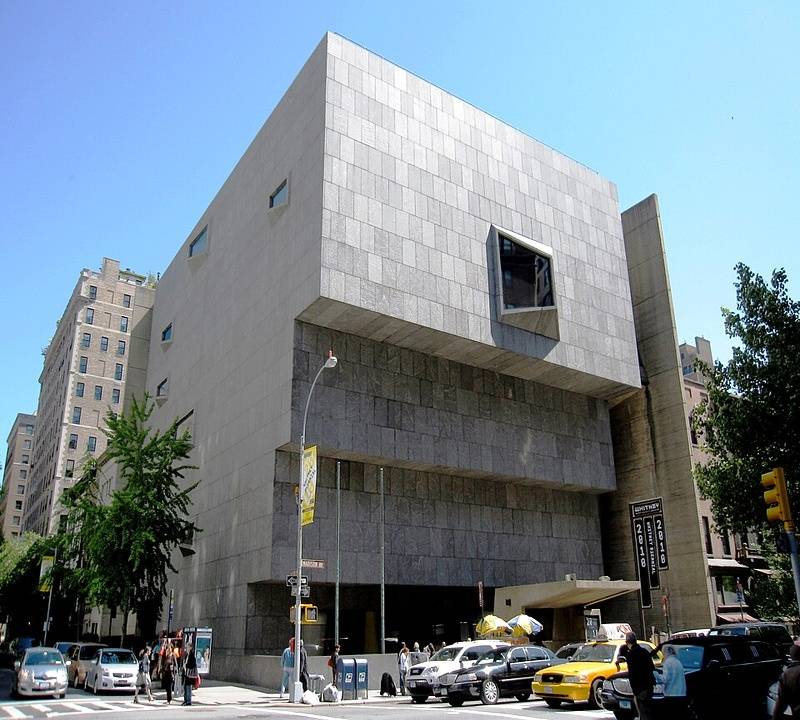
It focuses on modern and contemporary American art, with a large permanent collection and rotating exhibitions. The museum moved to its current location in the West Village area in 2015, bringing a more contemporary edge to the historic surroundings.
Even if you’re not planning a full museum visit, the building itself—and its terraces—offer a nice shift in pace from the narrow streets.
Experience West Village Through Food
Food in the West Village isn’t just something you plan around—it’s something you encounter constantly.
You’ll notice quickly that there isn’t one “main” dining area. Instead, good places are scattered across the neighborhood, often just a few steps away from each other. That makes it ideal for a slower, more flexible approach.
Eat Without Overplanning
One of the best decisions I made here was not booking everything in advance.
- Walk until something catches your attention
- Check if there’s a short wait
- Adjust your plan as you go
This works especially well in the West Village because the density of good options is high. If one place is full, there’s usually another just around the corner.
Try a Mix of Classic and Casual Spots
The neighborhood balances long-standing institutions with newer, trend-driven places.
- Old-school Italian restaurants that have been around for decades
- Small bakeries with limited menus but consistent lines
- Casual cafés that feel more like local hangouts than tourist stops
What makes it interesting is that nothing feels overly corporate. Even newer places tend to adapt to the neighborhood’s scale and style.
Take Breaks Instead of One Big Meal
Instead of planning one large lunch or dinner, it often works better to break it up:
- Coffee mid-morning
- A light bite while walking
- Dessert later in the afternoon
This approach matches the pace of the neighborhood and lets you experience more without feeling rushed.
Discover Music, Comedy, and Nightlife
The West Village changes subtly after dark.
It doesn’t become louder or more intense—it becomes more layered. The streets stay relatively calm, but behind doors, there’s a lot happening.
Listen to Live Jazz at Village Vanguard
This is one of the most iconic jazz clubs in the city, operating since 1935.
The space is intimate, almost understated. You’re not there for spectacle—you’re there for the music. And that simplicity is what makes it memorable.
Even if you’re not deeply into jazz, the experience feels authentic in a way that’s hard to replicate elsewhere.
Experience Stand-Up at the Comedy Cellar
Comedy here feels different from larger venues.
The room is small, the audience is close, and the performances feel less rehearsed. It’s known for surprise appearances from well-known comedians, but even without that, the atmosphere carries the show.
If you’re planning to go, booking ahead helps—but sometimes last-minute availability works out too.
Enjoy the Night Without Overplanning It
What stands out most about nightlife in the West Village is that it doesn’t demand a strict plan.
- Step into a bar for a short while
- Walk out and try somewhere else
- End the night with a late dessert instead of drinks
There’s flexibility here that you don’t always get in more structured nightlife areas.
Visit Famous Filming Locations (If You’re Curious)
Even if you’re not actively looking for them, you’ll probably pass at least one familiar spot.
The “Friends” Apartment Corner
Located at Bedford and Grove Streets, this building is instantly recognizable for fans of Friends. It’s used for exterior shots in the show and has become one of the most photographed corners in the area.
What’s interesting is how seamlessly it fits into the neighborhood. Without the context, it would just look like another building.
Carrie Bradshaw’s Apartment
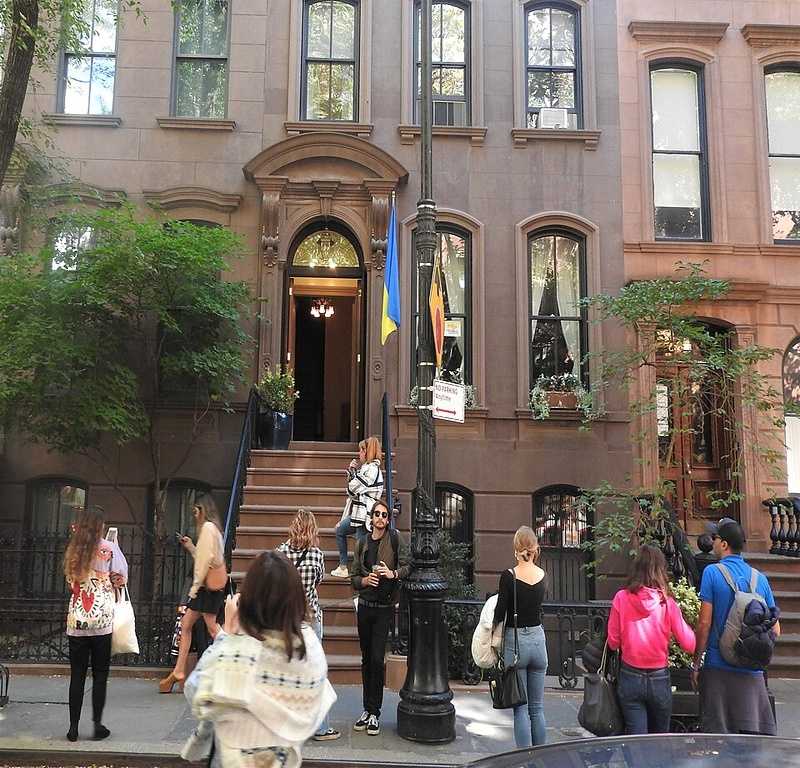
A short walk away is the brownstone used as Carrie’s apartment in Sex and the City.
Like the Friends building, it’s not marked in any dramatic way. It’s just part of the neighborhood—which makes finding it feel more like a small discovery than a major attraction.
Why These Spots Still Work
Normally, filming locations can feel overdone. But in the West Village, they don’t disrupt the experience.
They’re woven into the streets you’re already exploring, so stopping by feels optional—not essential.
Walk the Waterfront: Hudson River Park & The High Line
At some point, the streets start to feel dense—in a good way. That’s usually when I head west.
Within a few minutes, the West Village opens up completely.
Slow Down at Hudson River Park
Running along the western edge of Manhattan, Hudson River Park feels like a reset button.
It stretches for miles along the river, but you don’t need to walk the whole thing. Just stepping onto one of the piers changes the pace:
- Wider space
- Open views of the river
- A quieter, more reflective atmosphere
The park itself spans several miles and includes walking paths, recreational areas, and places to simply sit and watch the water.
What I like most is how flexible it is. You can:
- Walk along the path for 20 minutes
- Sit on a bench and do nothing for a while
- Catch the sunset without planning your day around it
It’s not a “must-see” in the traditional sense—but it’s one of the most grounding experiences in the area.
Walk Above the City on the High Line
Just a short distance away, you get a completely different perspective.
The High Line is built on a former railway line, transformed into an elevated public park that runs through Manhattan’s west side.
Walking here feels subtly unusual. You’re above the streets, but still surrounded by the city:
- Landscaped paths with native plants
- Views of buildings at eye level
- Occasional art installations and performance spaces
It stretches for about 1.5 miles and connects different neighborhoods, starting near the West Village and continuing north.
When it works best:
- Late afternoon into evening
- When you’re not in a rush
- As a transition between neighborhoods
It can get crowded, especially on weekends, so if you prefer a quieter walk, go earlier in the day.
Explore the Small, Unexpected Spots
Some of the best things to do in West Village don’t show up on most lists.
They’re the places you find between the “main” stops.
Step Into Independent Bookstores and Shops
The West Village still holds onto a kind of independence that’s harder to find in other parts of Manhattan.
You’ll come across:
- Small bookstores with curated selections
- Magazine shops stacked with titles you didn’t know existed
- Boutiques that feel personal rather than polished
You don’t need to buy anything. Just browsing feels like part of the experience.
Find a Café and Stay Longer Than Planned
This sounds simple, but it’s one of the most reliable ways to experience the neighborhood properly.
Pick a café—not necessarily the most popular one—and sit for a while.
What you’ll notice:
- Locals coming and going
- Conversations that feel unhurried
- A pace that doesn’t match the rest of Manhattan
It’s one of the few places in New York where lingering doesn’t feel out of place.
Let Yourself Get Slightly Lost
This is where the neighborhood really works.
Because the streets don’t follow a grid, you’ll occasionally:
- Turn the wrong way
- End up somewhere unexpected
- Discover a quiet block you didn’t plan to see
And those moments tend to stick more than the planned stops.
Best Time to Visit the West Village
Timing changes the experience more than you might expect.
Morning (Quiet + Local)
- Fewer people
- More residential feel
- Ideal for walking and photography
Afternoon (Balanced + Lively)
- Best mix of activity and space
- Cafés and shops fully open
- Good time for casual exploring
Evening (Atmosphere + Energy)
- Restaurants and bars fill up
- Music and comedy venues come alive
- Streets feel more social without becoming overwhelming
If you can, visit across two different times of day. The contrast adds a lot to the experience.
How to Get There and Get Around
The West Village is easy to reach—but once you’re there, walking is the only way to really experience it.
Getting There
Nearby subway options include:
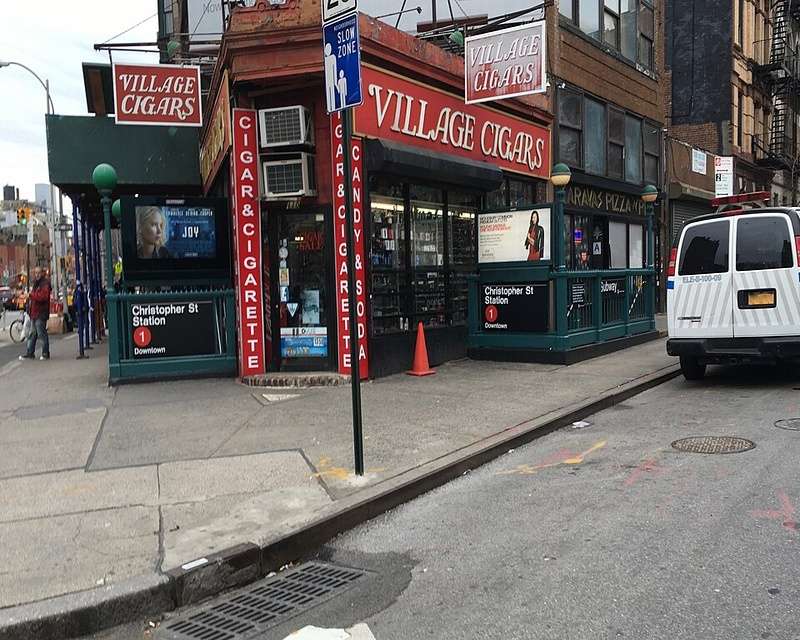
- Christopher Street–Sheridan Square
- West 4th Street
- 14th Street (closer to the High Line)
From any of these, you’re just a short walk into the neighborhood.
Getting Around
- Walking is essential
- Distances are short, but streets are irregular
- Don’t rely too strictly on directions—use them loosely
This is one of the rare parts of New York where getting slightly off-track actually improves the experience.
A Half-Day Walking Route (Simple, Flexible Plan)
If you want a loose structure without losing the spontaneous feel, this works well:
Start:
Christopher Street
Then:
- Wander through nearby residential streets
- Head toward Bleecker Street for food and shops
- Visit a landmark (Stonewall or Jefferson Market Library)
- Walk west toward Hudson River Park
- End with the High Line or sunset by the river
This route takes about 3–4 hours at a relaxed pace.
Why the West Village Stays With You
After spending time here, what stands out isn’t one specific place.
It’s the feeling of the neighborhood as a whole.
The West Village doesn’t try to impress you with scale or spectacle. It works differently. It invites you to slow down, notice small details, and move without urgency.
And that’s probably why it stays with you longer than expected.
You don’t leave thinking, “I saw everything.”
You leave thinking, “I could have stayed a little longer.”
Final Thoughts
If you’re looking for structured sightseeing, there are easier neighborhoods in New York.
But if you’re looking for something more personal—something you experience at your own pace—the West Village does it better than almost anywhere else in the city.
And the best part?
No two visits feel exactly the same.