Things to do in New Orleans: A Local-feeling Guide

If you’re searching for things to do in new orleans, you probably want two things at once: the famous highlights (yes, they’re famous for a reason) and a plan that doesn’t feel like you’re speed-running a checklist. I get that. New Orleans is compact in the way that lets you wander, then suddenly not compact at all once you add museums, City Park, Uptown, and day trips. It helps to think in “clusters” of neighborhoods, not just attractions.
This guide is built for real travel days: mornings where you’re ambitious, afternoons where you slow down, and nights where you want music without having to overthink it. I’ll also point you to a few deeper, more focused guides on greg-j.com as you go, so you can zoom in on the parts you care about.
Things to do in New Orleans by vibe (start here)
I know, “by vibe” sounds a little fuzzy. But it’s honestly how most people experience New Orleans. You might wake up thinking “history,” end up buying a pastry, get pulled into live music you didn’t plan for, and then—somehow—it’s midnight. That’s normal.
My short list of things to do in New Orleans (if you only have 24 hours)
If you’ve got one day, don’t try to do everything. Pick a few anchors and leave room for the city to do its thing.
- Morning: Start in the French Quarter for a slow wander and people-watching; if you want a framework that keeps it simple, use my French Quarter guide here: things to do in New Orleans French Quarter.
- Afternoon: Ride a streetcar just because it’s part transportation, part experience. Streetcars are widely described as a charming, convenient way to see different parts of the city, and multiple lines originate downtown. (More on routes in a minute.)
- Evening: Head toward Frenchmen Street for live music. It’s known as one of the city’s best places to find live music, with sounds spilling out of clubs along the corridor.
That’s it. It’s intentionally incomplete. If your day feels “too light,” add one museum or one tour, not three.
If you want the classic postcard version
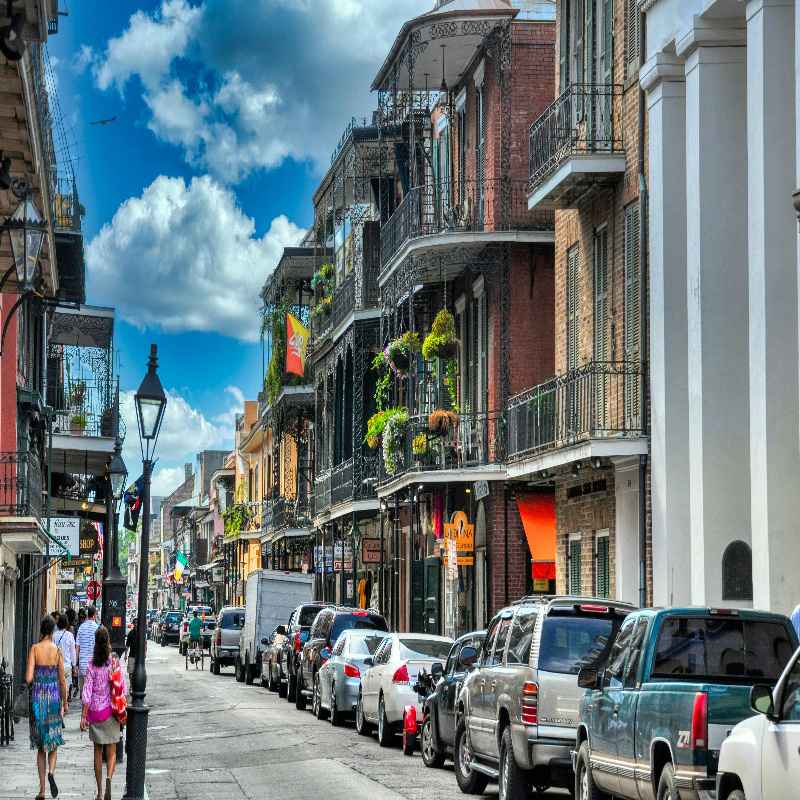
The French Quarter is the obvious starting point, and it still works. Window shopping along streets like Royal and Chartres shows up again and again on official free lists for a reason; it’s an easy, low-pressure way to absorb the city’s visual texture. You’ll see art, antiques, and odd little details you didn’t know you liked until you’re standing in front of them.
One gentle suggestion: do the Quarter in the daytime first. At night, it becomes a different animal. Not worse. Just louder, brighter, and more chaotic—sometimes fun-chaotic, sometimes “okay, I’ve had enough” chaotic.
If you want live music to be the main event
Frenchmen Street is the name you’ll hear most often, and I think it earns its reputation. New Orleans & Company calls it one of the best streets for finding live music in the city, and that matches the on-the-ground feel: you can walk a few blocks and catch totally different sounds—jazz, blues, reggae—without committing to a single big-ticket show.
It’s also physically well-placed. Frenchmen runs near the edge of the French Quarter and into the Marigny area, which makes it easy to pair with a classic Quarter day. If you’re the kind of traveler who likes an “early night,” go earlier and treat it like a music crawl with a couple of stops. If you’re a “late night” person, you’ll find your people.
If you want something quieter (and surprisingly satisfying)
I think some visitors feel like they’re doing New Orleans “wrong” if they’re not out all night. You’re not. A streetcar ride through Uptown can be calm in the best way, especially if you’ve done the French Quarter intensity already.
Streetcars are described as a unique, fun way to see the city, and there are four distinct lines that can take you from downtown through the Quarter and beyond. If you’re looking for a low-effort afternoon, that’s a pretty good formula: ride, hop off once or twice, then ride again.
If this sounds like your kind of day, I’ve put the practical version (routes, where to start, what to pair together) into a focused guide here: New Orleans streetcar itinerary.
If you’re on a budget (or just don’t want to spend money constantly)
New Orleans can be expensive if every “thing to do” is a ticketed experience. But it doesn’t have to be. NewOrleans.com has a whole “50 free things” list that leans into what the city does naturally well: street music, parks, wandering historic neighborhoods, and free cultural moments that don’t feel like leftovers.
My take is that budget planning works best when you treat free experiences as anchors, not filler. Start with my dedicated guide here—free things to do in New Orleans—and then add one or two paid “splurges” you truly care about.
Neighborhood-first planning (what goes together)
This is the part most “best things to do” lists skip, and it’s where you can save yourself a lot of time (and, honestly, a lot of small travel stress). New Orleans rewards walking. It also punishes unnecessary zig-zagging across town when you’re tired.
Here’s a practical way to group your days:
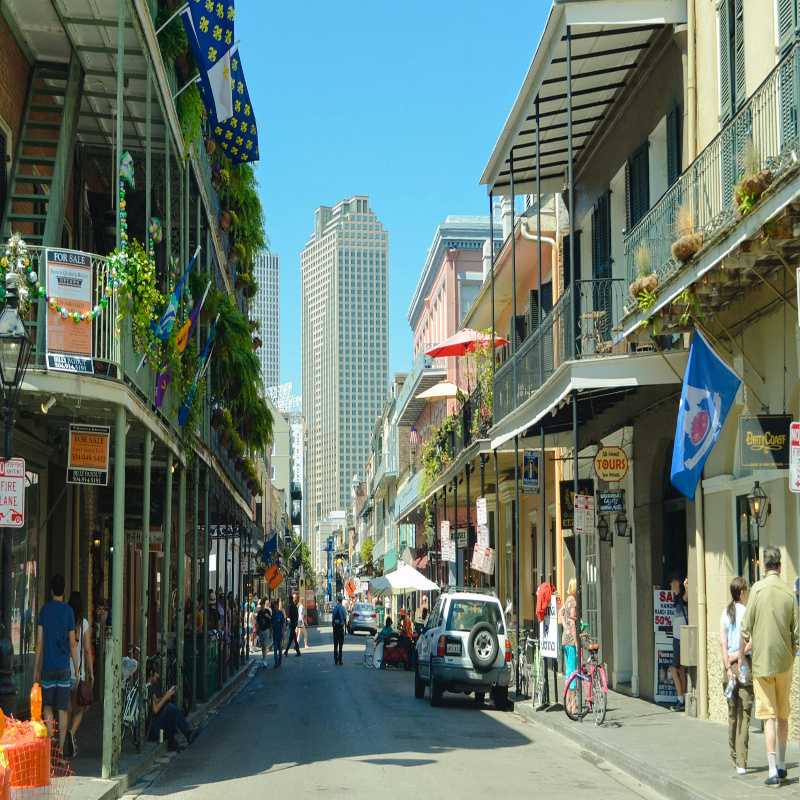
- French Quarter + nearby riverfront: Best for first-timers, daytime wandering, quick history tours, and that “I can’t believe I’m here” feeling. If you want a clean plan that avoids overwhelm, use this French Quarter guide as your base.
- Marigny + Frenchmen Street: Best for live music nights and a slightly less tourist-forward vibe. Official guides describe Frenchmen as a top street for finding live music, and it really does function like a choose-your-own-adventure evening.
- Uptown + Garden District (via St. Charles streetcar): Best when you want to slow down and see a different side of the city. If the Quarter feels like sensory overload, this is your reset day.
- City Park area: Best for a museum-and-park combo day. Official streetcar guidance notes you can take a Canal streetcar marked CITY PARK/MUSEUM, with the City Park spur ending at the New Orleans Museum of Art, and it also mentions a sculpture garden you can wander through for free.
Could you mix these? Of course. But if you’re building a 2–4 day trip, this structure keeps your itinerary human-sized.
Ride the streetcar like it’s an attraction
I’ll say something slightly contradictory: streetcars are both a very practical way to get around and, at the same time, not the fastest way to get around. That’s part of their charm. If you treat a streetcar ride as a “transfer,” you may get impatient. If you treat it as part of the day—like a rolling neighborhood tour—it makes much more sense.
New Orleans & Company frames streetcars as a charming and convenient way to experience different areas of the city, with four lines starting downtown. That’s the headline. The useful part is how you apply it.
Which streetcar routes matter for visitors
- St. Charles line: Great for Uptown scenery and a Garden District day, and it’s the one many visitors think of first.
- Canal streetcars (including the City Park/Museum spur): Useful for getting toward City Park and the museum area; official guidance notes the City Park spur ends at the New Orleans Museum of Art.
- Riverfront line: Handy if you’re doing a riverside wander and want an easy, scenic ride back toward downtown.
If you want an itinerary you can basically copy and paste—where to start, where to hop off, and what to pair together—use my New Orleans streetcar itinerary.
Small streetcar tips that save you trouble
Here’s the stuff people tend to learn after the fact:
- Bring patience. A streetcar ride is often about the ride itself, not shaving minutes off your day.
- Have a plan for weather. Heat and sudden rain can change how “cute” a long ride feels.
- If you’re trying to hit multiple far-apart neighborhoods in one day, consider mixing walking + streetcar for one section and using a faster option for the rest.
Free and low-cost favorites (that don’t feel “cheap”)
I think “free things to do” can sound like compromise travel. In New Orleans, it often isn’t. Some of the city’s best moments are the ones you didn’t pay for—because they’re just happening.
NewOrleans.com’s free list is a great reference point, and it includes ideas that range from street music in the French Quarter (with tipping encouraged) to wandering the Garden District to enjoying parks and green spaces. I’d rather you choose five of those and do them well than attempt twenty and feel like you’re racing.
Easy free wins
- Street music in the French Quarter: The official free guide notes you’re bound to run into spontaneous live music; the show is free, but tipping is encouraged.
- Window shopping and wandering: The same guide explicitly calls out wandering Royal and Chartres streets, plus Magazine Street, for shops, art, antiques, and general exploring.
- Garden District walk: NewOrleans.com’s free list highlights wandering through the Garden District to admire the mansions and ironwork details.
- Frenchmen Street as a “no-cover” kind of night: The free list even frames Frenchmen as a place to “dance down” because music fills the air from clubs late into the night.
If you want the curated version—with “what to pair together” and a few realistic cautions—I keep it here: free things to do in New Orleans.
Nighttime: Bourbon vs Frenchmen (a calm opinion)
Let’s talk about the question people dance around: where should you actually go at night?
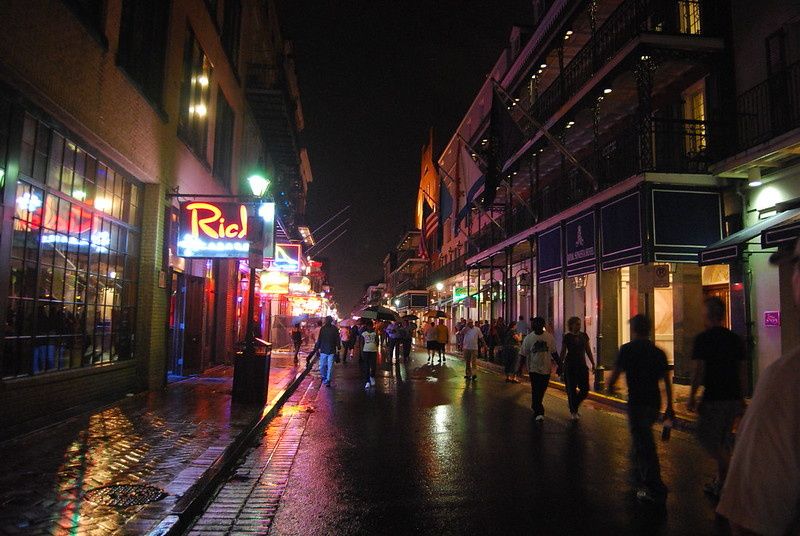
Bourbon Street is iconic. It’s also… a lot. Some travelers love it. Some walk through once, look around, and decide they’re done. Both reactions are valid. I’m not here to scold anyone for wanting the classic experience, but I do think it helps to set expectations: Bourbon is high-energy, loud, and heavily oriented around drinking.
Frenchmen Street, on the other hand, is regularly described as one of the best places in the city for finding live music, and the atmosphere often feels more music-first. You’ll still find crowds. You’ll still find late nights. But it’s easier to build an evening around listening rather than just “being out.”
A simple night plan that usually works
- Option A (balanced): Do the French Quarter earlier in the evening, then go to Frenchmen for live music later.
- Option B (energy): Bourbon for a short, intentional stop, then pivot somewhere else when you’re ready.
- Option C (low-key): A streetcar ride around sunset, dinner in a calmer neighborhood, then one music stop—no marathon required.
If you’re trying to make the French Quarter feel more manageable—especially at night—bookmark things to do in New Orleans French Quarter and use it like a “choose 3” menu.
Tours and day trips (pick one, don’t overschedule)
Tours in New Orleans can be genuinely excellent. They can also be the reason you end up exhausted by day two. I think the sweet spot is one “structured” experience per day, maximum—especially if you’re stacking late nights.
If you’re staying mostly downtown, a French Quarter tour is an easy way to put context behind what you’re seeing. There are also sightseeing options like carriage rides in the Quarter, which can be a surprisingly nice break if you’ve been walking all day.
Day trips are their own category. Swamp tours, plantation visits, and regional side trips can be meaningful—but they also eat a full day. If your New Orleans time is limited, consider whether you want “more city” or “more Louisiana.” Either choice is fine. Just be honest with yourself about tradeoffs.
A realistic 3-day outline (without trying to be perfect)
A lot of people land in New Orleans for a long weekend. Three days is enough to feel the city, as long as you don’t force it into an overly tidy plan.
Day 1: The classics, at an unhurried pace
- French Quarter wander, with stops that catch your attention rather than a rigid checklist.
- Optional: a short guided tour for history and orientation.
- Evening: ease into live music—Frenchmen if you want music-first.
Day 2: Streetcar day + a slower neighborhood
- Ride the St. Charles line for an Uptown/Garden District day.
- Walk the Garden District (it’s even highlighted as a free “must-do” style experience in official budget content).
- Keep the evening flexible; this is usually the night people realize they either want a second music night or a quiet dinner.
Day 3: City Park/Museum spur or a free-and-easy day
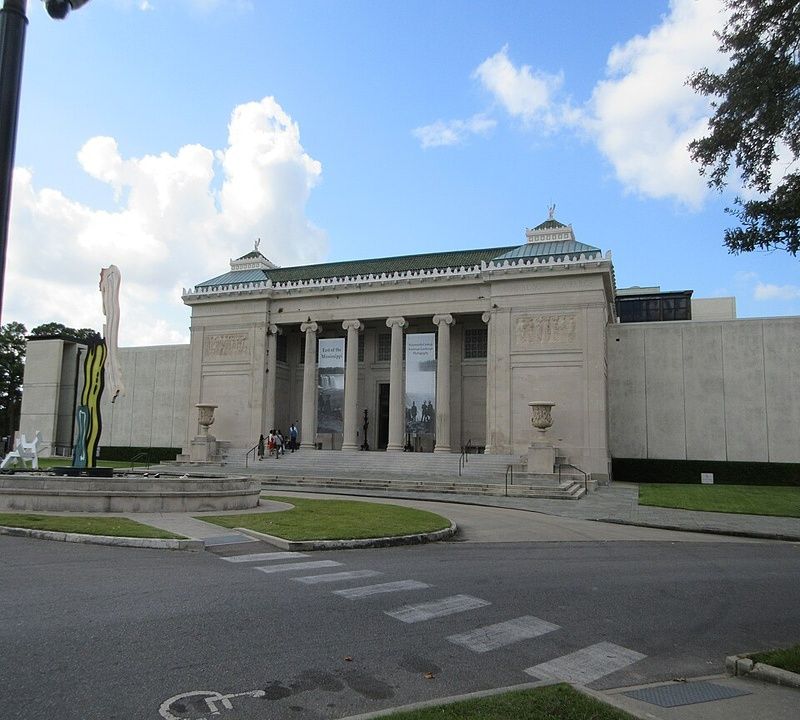
- If you want museums and green space, take a Canal streetcar marked CITY PARK/MUSEUM; official guidance notes the City Park spur ends at the New Orleans Museum of Art and mentions a sculpture garden you can wander through for free.
- If you want budget-friendly wandering, build your day from the official free list and treat it like a sampler: street music, window shopping streets, parks, and one neighborhood walk.
For a more precise version of that “rideable” day, my New Orleans streetcar itinerary lays it out in a way that’s easier to follow when you’re actually on the ground.
FAQs (quick, honest answers)
Is Frenchmen Street worth it for live music?
Yes, if live music is even mildly important to your trip. Official visitor guidance describes Frenchmen as one of the best streets for finding live music in New Orleans, and part of the fun is how easy it is to try a few spots in one night.
Are streetcars a good way to see New Orleans?
They’re one of the most memorable ways to see it, and official guidance explicitly frames them as charming and convenient, with multiple lines going beyond downtown. Just remember they’re not always the fastest option, so build in a little time.
What are genuinely good free things to do?
Start with street music in the French Quarter (tip if you can), wandering Royal and Chartres, walking through the Garden District, and using parks and riverfront spaces as your “main event” instead of an afterthought. NewOrleans.com’s “50 free things” list is a solid master list when you want more ideas.
Conclusion
If you take anything from this guide, let it be this: the best things to do in new orleans aren’t always the loudest or the most expensive. The city rewards a little wandering, a little patience, and one or two intentional choices each day.
If you want to narrow your plan without overthinking, start with things to do in New Orleans French Quarter, add a budget-friendly backbone using free things to do in New Orleans, and then stitch it together with a rideable plan from the New Orleans streetcar itinerary. That combination tends to produce a trip that feels full, but still breathable.