A Realistic 3-day NYC Itinerary (with maps)
Who this itinerary is for
This plan works best for first-time visitors, or for people who have been to NYC before but mostly did Midtown and now want a trip that feels a bit more rounded. It assumes you like walking, you’re comfortable using the subway when needed, and you’d rather see a few places properly than rush through fifteen.
It also assumes something else, maybe more importantly: you want your trip to feel like a trip, not a productivity challenge. New York has enough energy already. Your itinerary does not need to imitate it.
How to use this 3-day plan
The structure is simple. Day 1 givesa you Lower Manhattan and harbor energy, Day 2 leans into Midtown and classic New York, and Day 3 slows the pace a little with Central Park, neighborhoods, and Brooklyn. That rhythm tends to work well because it mixes big-ticket sights with the kind of wandering that makes the city memorable.
There’s also a little flexibility built in. You can swap one museum for another, skip a show if theater is not your thing, or turn a structured afternoon into a long meal and a walk. Honestly, those adjustments are often what make an itinerary feel human.
If you’re trying to reduce costs while keeping the trip interesting, I’d keep my guide to free things to do in new york open in another tab. It’s useful for swapping in budget-friendly alternatives without making the trip feel stripped down.
Day 1: Lower Manhattan, the harbor, and your first “I’m really here” moments
Morning: start downtown and keep the first day focused
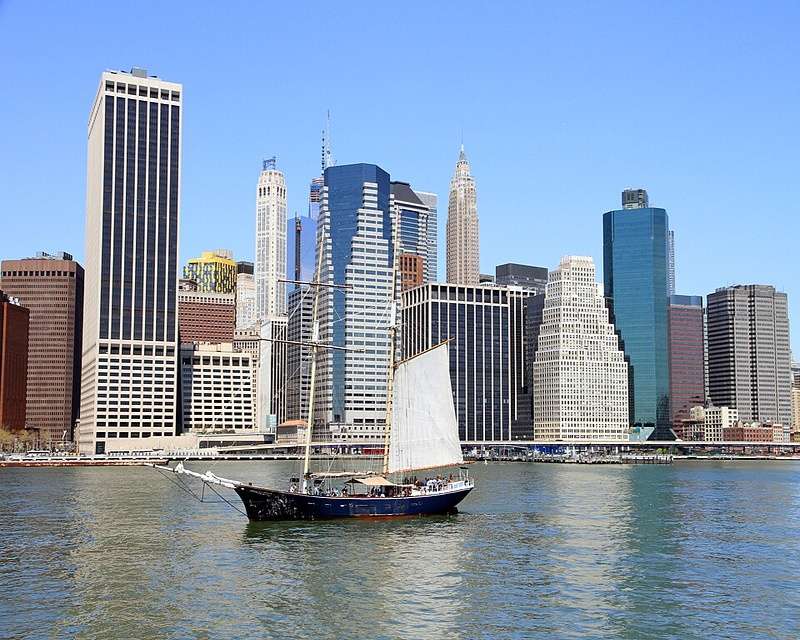
Begin in Lower Manhattan. There’s something helpful about starting here: the city feels historic, vertical, slightly cinematic, and immediately recognizable. It gives first-time visitors that grounding moment very quickly.
Start with the 9/11 Memorial area. Give yourself enough time to move through it without rushing. Even if you don’t spend hours here, it sets a different tone for the morning and reminds you that New York is layered in ways most city itineraries don’t quite capture.
From there, walk through the Financial District. You do not need to over-program this part. Wall Street, the old buildings, the contrast between narrow older streets and the modern skyline—it all works better if you let it happen at walking pace.
Midday: use the waterfront well
By late morning or around lunch, head toward the water. If the weather is decent, this is a good time to ride the Staten Island Ferry. It’s operated by NYC DOT, runs regularly, and the crossing takes roughly 25 minutes each way, which makes it one of the easiest “big view for low effort” experiences in the city.
I would not overcomplicate the ferry ride. Just board, grab a decent standing spot, and enjoy the skyline and harbor views. It’s simple, but it’s one of those New York things that still feels oddly generous.
If you’d rather stay on land, you can keep walking the Lower Manhattan waterfront and save the ferry for another trip. That said, I think it’s worth doing on a first visit—especially because it adds movement and air to a day that could otherwise become too museum-and-finance-district heavy.
Afternoon: keep the pace easy
After lunch, avoid the temptation to add too much. This is where many itineraries start making bad choices. You’ve already done something meaningful, seen a classic district, and had a harbor-view experience. That is enough for one day to already feel full.
If you still have energy, take a gentle walk into nearby neighborhoods or sit somewhere with coffee and let the city be noisy around you for a bit. I know that sounds vague. Still, vague can be useful. You don’t need every hour labeled.
Evening: choose one anchor
For your first night, keep dinner simple and choose one anchor for the evening: a relaxed neighborhood stroll, a skyline moment, or an early night if travel fatigue is catching up with you. A lot of people try to “make up for lost time” on the first evening and end up flattening the rest of the trip.
If you’re the kind of traveler who likes to mix the obvious with the unexpected, this can also be a good moment to browse my hidden gems things to do in new york guide and see whether one nearby stop fits naturally into the night.
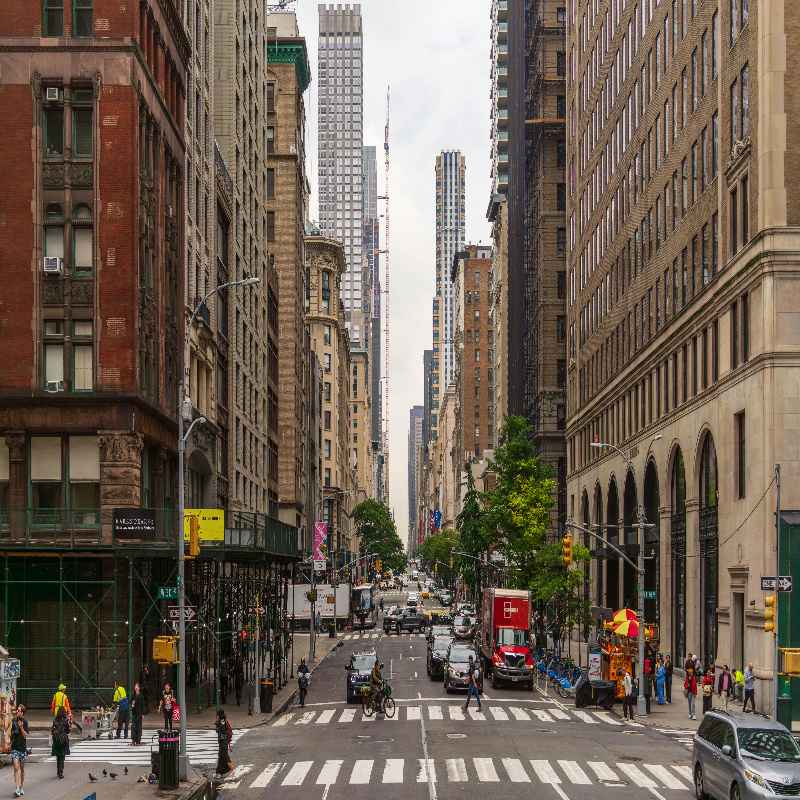
Day 2: Midtown, major landmarks, and a proper New York night
Morning: do Midtown before it does you
Midtown is where people come for the New York they’ve seen in photos, films, and other people’s itineraries. It’s exciting, yes. It can also be exhausting if you hit it with no structure.
The trick is to arrive with a simple rule: one skyline experience, one landmark cluster, one evening plan. Anything more and the day starts to feel crowded in the wrong way.
Start the morning with a landmark-heavy walk. Rockefeller Center works well because it places you in the middle of the classic Midtown atmosphere without forcing you to commit to a whole afternoon there. Times Square is nearby too, and while people love to complain about it, I think first-timers should see it once. Just maybe not at the busiest possible moment.
Late morning or early afternoon: pick one observation deck
This is the point where you choose a view and stop comparing all the other views. That sounds obvious, but somehow it becomes emotionally difficult once you start reading too many lists.
Some decks are better for open-air photos. Some feel sleeker and more dramatic. Some are simply more convenient for the rest of your day. The important thing is not to spend your trip chasing the theoretical “best” one at the expense of everything else.
If you want the calmest experience, book ahead and go slightly off-peak. If you want the city glowing, a late-afternoon or sunset slot can be lovely, though obviously more popular. There’s no perfect answer here, which is maybe why people obsess over it.
Afternoon: add one cultural or slower-paced stop
After the skyline moment, give Midtown a different texture. This could be a museum, a café break, a department-store wander if that genuinely interests you, or simply a quieter avenue walk that lets the day breathe a little.
One of the easiest mistakes in NYC is assuming that movement equals progress. Sometimes the smarter call is sitting down for forty minutes and enjoying not having to decide anything.
Evening: Broadway, jazz, comedy, or just a very good walk
Day 2 is the best night to schedule something distinctly “New York.” Broadway is the obvious move and, honestly, it’s obvious for a reason. The theater district gives the night a shape, and it turns a sightseeing day into an actual evening out.
If shows aren’t your thing, choose jazz, comedy, or a long dinner followed by a walk through a lively area. New York at night doesn’t always need tickets. It just needs intention.
If your energy dips halfway through this day, trim it. I mean that. A shorter, better Midtown day is more valuable than one more attraction you barely remember.
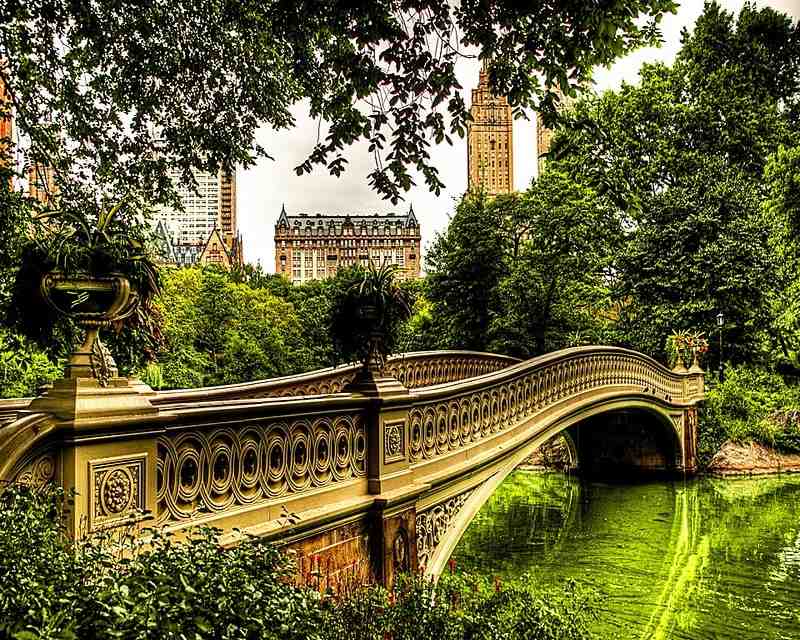
Day 3: Central Park, neighborhood wandering, and Brooklyn at golden hour
Morning: let Central Park reset the trip
By Day 3, most travelers need a shift in atmosphere, whether they realize it or not. Central Park is perfect for that. It’s one of the few places in the city where the pace changes almost immediately, and the park is large enough that it can absorb crowds better than you might expect.
Do not try to conquer all 843 acres. Pick a section and enjoy it properly. Bethesda Terrace and the lake area make sense if you want classic scenery, while a longer loop works if your legs still feel cooperative and you want one last substantial walk.
This is also a good day to pair the park with a museum if that sounds appealing. The Upper East Side and Upper West Side both make that easy. A “park plus museum plus slow lunch” day may not sound flashy, but in practice it can be one of the most satisfying parts of the trip.
Afternoon: downtown wandering or a more specific neighborhood choice
After the park, head toward a neighborhood that suits your mood. Greenwich Village, SoHo, or the Lower East Side all work, depending on whether you want pretty streets, shopping energy, or a more textured mix of history, food, and smaller museums.
This part of the itinerary is intentionally less rigid. By the third day, you usually know what kind of traveler you are in this city. Some people want one more major attraction. Others want coffee, good streets, and fewer decisions. Both approaches are valid. I might even argue the second one often leads to the better memories.
Late afternoon into evening: head to Brooklyn
End the trip in Brooklyn if you can, especially around DUMBO and the waterfront. The skyline views from here are excellent, maybe even the kind people imagine when they think of New York in the first place.
This is a good time for a slower evening: walk, sit near the water, take photos if that’s your thing, eat something casual, and let the trip wind down without forcing a grand finale. New York rarely needs help being dramatic.
If you’ve already done the obvious Manhattan highlights on a previous visit, you can use this last afternoon to lean more heavily into the less predictable parts of the city with suggestions from hidden gems things to do in new york. That tends to work especially well for repeat travelers.
What to skip if you only have three days
This might be the most useful section, actually, because short itineraries improve just as much by what they leave out as by what they include.
- Don’t try to do multiple observation decks. One is enough.
- Don’t stack too many museums back to back unless museums are the main reason you came.
- Don’t bounce between Uptown, Downtown, and Brooklyn in a single day unless there’s a very good reason.
- Don’t confuse a full schedule with a good one.
There’s a slightly comforting myth that you can “cover” New York in a long weekend. You can’t. But you can absolutely have a great trip in three days if you stop trying to win at it.
Budget notes for this itinerary
This plan can be adjusted in either direction. If you want a more comfortable, splurge-heavy version, add better dining, a premium deck ticket, and one booked evening experience. If you want to bring the cost down, lean harder on parks, ferry views, neighborhood walking, and one paid highlight per day instead of several.
That’s where my guide to free things to do in new york becomes useful again. It helps you trim costs without trimming the character out of the trip, which is a distinction I care about more than I probably should.
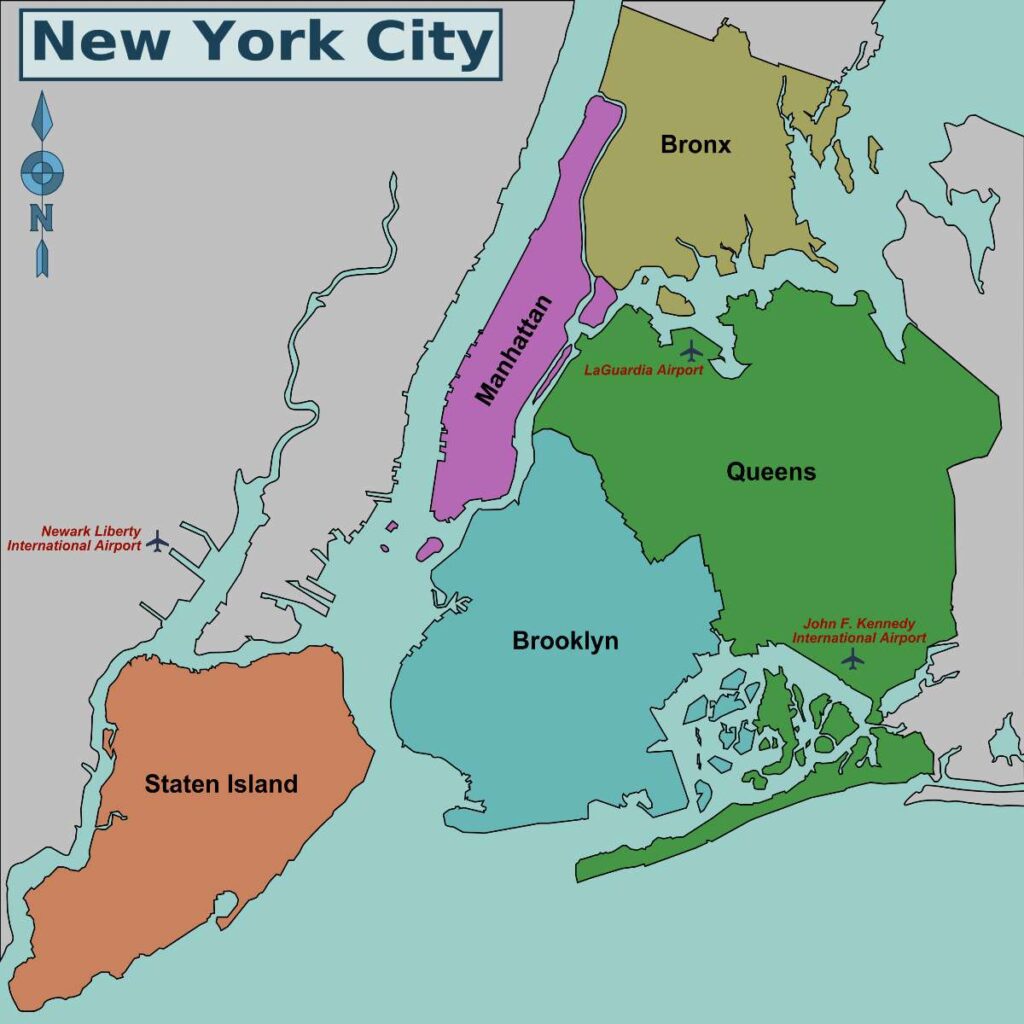
Simple map logic for each day
Day 1 map logic
Stay mostly in Lower Manhattan. Walk rather than zig-zag. Let the ferry add your main transport “moment” rather than a bunch of extra subway hops.
Day 2 map logic
Keep the day centered in Midtown. The whole point is concentration: landmarks, a skyline stop, and an evening plan that does not require crossing half the city.
Day 3 map logic
Use Central Park as the morning anchor, then move gradually downtown or outward toward Brooklyn depending on your energy. This day should feel loose in a good way, not messy.
Final thoughts on a 3-day things to do in new york itinerary
A strong three-day plan in NYC is not about squeezing in the maximum number of attractions. It’s about creating a rhythm that lets the city feel big, varied, and occasionally surprising without exhausting you by the second afternoon.
That’s really the heart of this 3-day things to do in new york itinerary: one downtown day, one iconic day, one more open-ended day. It gives you structure, but not so much structure that the trip stops feeling alive.
If you want to zoom back out after reading this, head to my main guide on things to do in new york. And if you’re trying to make the trip cheaper or a little less obvious, the companion guides to free things to do in new york and hidden gems things to do in new york are the natural next stops.