Things to do in Orlando Besides Theme Parks

If you’re looking for things to do in Orlando besides theme parks, the good news is that you have real options. Not filler options, either. Not the kind of activities people mention just to pad out a list. Orlando may be built around the giant parks in a lot of people’s minds, but the city and the surrounding area are much broader, more relaxed, and honestly a little more interesting once you stop treating everything like an extension of the resort strip.
This guide is for travelers who want a different kind of Orlando trip. Maybe you’re skipping Disney and Universal completely. Maybe you’re doing one park day and then need a break before your feet file a formal complaint. Or maybe you’ve been before and you want something that feels less obvious. All fair. If you want the wider planning version, including parks, neighborhoods, and day-trip structure, start with my main things to do in Orlando guide and then use this article as the more focused, non-park companion.
The trick with Orlando, I think, is not asking, “What attractions are there?” but asking, “What kind of day do I want?” Slow and leafy? Air-conditioned and easy? Slightly kitschy? Outdoorsy but not exhausting? Once you frame it that way, Orlando opens up.
Things to do in Orlando besides theme parks if you want a real trip
There’s a version of Orlando that lives outside the turnstiles and branded hotels. It has gardens, lakes, museums, local neighborhoods, scenic drives, boat tours, and enough food spots to make a flexible afternoon feel like a plan. That’s the version this article is about.
I’m not going to pretend every non-park activity is life-changing. Some are simply pleasant. Some are more memorable than they have any right to be. And some are exactly what you need after a loud, overbooked, too-sunny day when the idea of standing in another line feels vaguely offensive.
Things to do in Orlando besides theme parks by mood
If you want a quiet morning, go to a garden or a lakeside park. If you want a curious, low-stress afternoon, pick a museum. If you want outdoor Florida without committing to a full wilderness mission, choose kayaking, a scenic boardwalk, or a spring day. And if you want something easy, slightly touristy, but genuinely fun, Orlando has plenty of those too.
That’s the main point here: you do not need to fill every hour with major-ticket attractions. In fact, Orlando tends to work better when you don’t. A city walk, a long lunch, one standout activity, then an evening that stays open a little longer than planned—that often becomes the best day of the trip.
Walkable, low-pressure places to start
Let’s start with the easiest wins, because those matter. Not every day has to be a “big” day. Sometimes you just want a place to stretch your legs, have a coffee, and feel like you’re seeing a side of the city that isn’t entirely built around roller coasters.
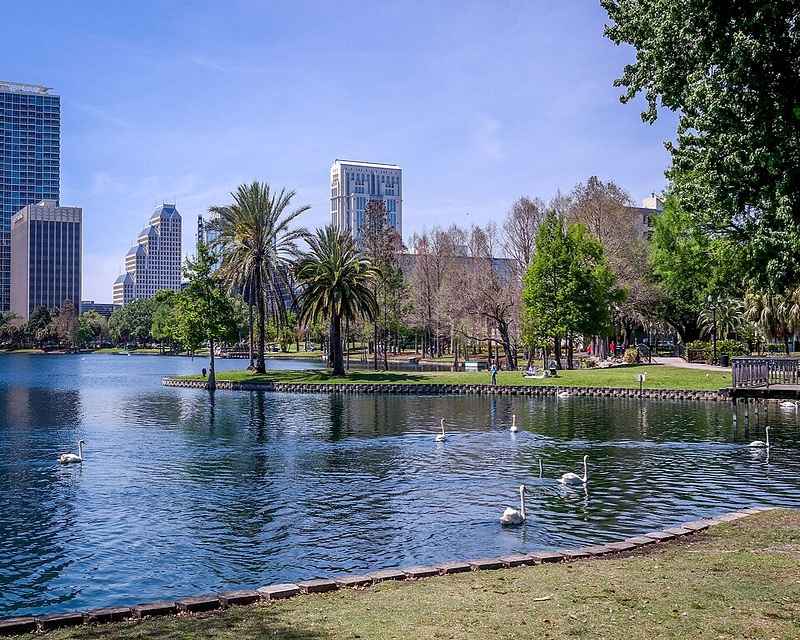
Lake Eola Park
Lake Eola is one of those places that works almost regardless of trip style. Solo traveler, couple, family, mixed-age group—it’s just easy. The loop is manageable, the skyline makes it feel a little more urban than people expect from Orlando, and the whole area has that useful “we can stay 30 minutes or 2 hours” flexibility.
If your trip has started to feel too scheduled, this is a good reset. Walk the lake, sit for a while, get something to drink nearby, and let the day loosen up. I wouldn’t build an entire vacation around it, obviously, but as a grounding stop, it’s excellent.
Winter Park
Winter Park is one of the best answers to “What else is there?” because it feels calm without feeling empty. You can browse shops, stop for lunch, linger over coffee, and wander into a museum without any real urgency. There’s something satisfying about a place that doesn’t demand a performance from you.
It’s also useful for travelers who want Orlando-adjacent charm without having to overthink logistics. If you only have half a day and want it to feel local-ish, polished, and easy, Winter Park is a strong choice.
Downtown Orlando
Downtown is not usually the star of an Orlando trip, but that’s partly why it works. It’s best in smaller doses—a morning walk, lunch, maybe a museum, maybe a drink later. You’re not coming here for nonstop sightseeing; you’re coming here to give your trip a different rhythm.
I’d treat downtown like a piece of a day rather than the whole day. Pair it with Lake Eola, the history center, or an evening out, and it starts to make more sense.
Gardens, green space, and slower afternoons
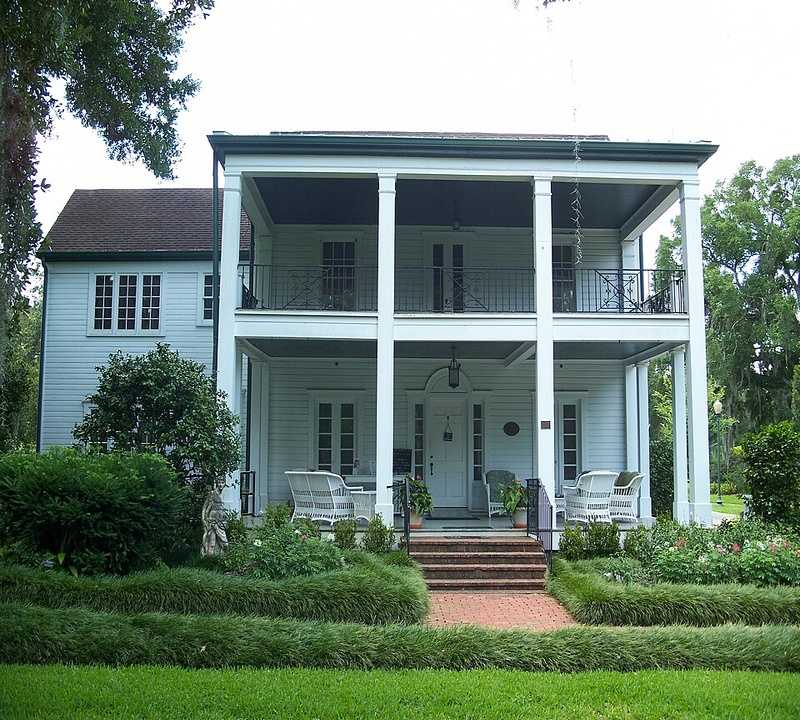
There are moments on an Orlando trip when you just need trees. Shade. Something quieter than a queue, a stage show, or a giant themed gift shop. This is where the gardens and greener corners of the city really earn their place.
Harry P. Leu Gardens
Leu Gardens is one of the easiest non-park recommendations because it asks so little of you while giving quite a lot back. The pace is slow, the setting is beautiful in an unfussy way, and it works especially well if you’re traveling with someone who likes to take things in rather than rush through them.
This is a good half-day option, not an all-day one. That’s part of the appeal. You can do the gardens, have lunch afterward, and still have room for another stop without feeling overscheduled. For a city that often feels loud, Leu Gardens is pleasantly quiet.
Loch Haven Park area
This broader cultural pocket is useful because it lets you stack a few softer activities together. You can spend part of the day in green space, then move into a museum or the science center without crossing the whole city. For anyone trying to reduce drive time, that matters more than it sounds.
Orlando is spread out, and sometimes the smartest itinerary choice is simply picking places that are close enough to each other that you don’t spend your afternoon staring at brake lights.
Museums and indoor ideas that are actually worth doing
“Indoor backup plan” can sound like code for “the thing you do because your first choice got rained out.” But in Orlando, a few indoor attractions are good enough to be first-choice material, particularly if you’re traveling in summer, with kids, or with anyone who has hit their limit for heat and crowds.
Orlando Science Center
The Orlando Science Center is one of the most reliable non-park picks in the city. It’s interactive, broad enough to work for different ages, and a genuinely useful rainy-day option that doesn’t feel like a compromise. You can spend a couple of hours here pretty easily, and more if your group gets pulled into exhibits in a serious way.
It’s especially helpful for families, which is why I’d also point you toward my more targeted guide on things to do in Orlando with kids if your trip planning has a strong family angle. Some places sound family-friendly in theory; this one usually is in practice.
Orlando Museum of Art
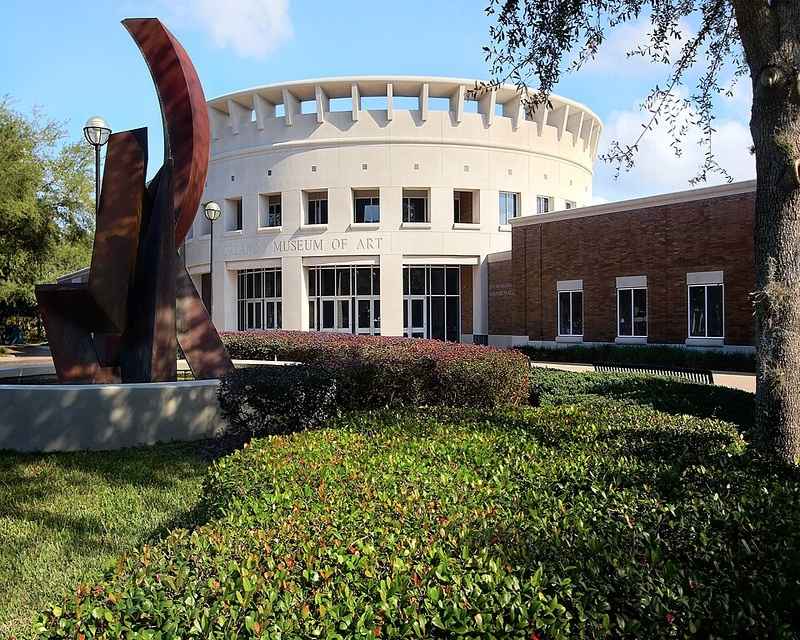
If you want something quieter and more traditional, the Orlando Museum of Art gives you that shift in tone. It won’t be everyone’s centerpiece, and that’s fine. Sometimes a museum is simply the right kind of pause—cooler, calmer, and more reflective than the rest of your itinerary.
I like these kinds of stops on trips because they create contrast. Without contrast, every day starts to blur, which is oddly easy in Orlando if you keep moving from one attraction bubble to another.
Orange County Regional History Center
This is one of the better options if you want your trip to feel more rooted in the actual region. Instead of “generic fun,” you get context—how Central Florida developed, what shaped Orlando, and why the place feels the way it does now. That might sound a little more serious than vacation reading usually gets, but in person it’s more approachable than that.
It also fits nicely into a downtown day. History center, Lake Eola, lunch, maybe an evening plan later. That’s a strong sequence. Not flashy, perhaps, but solid.
Outdoor Orlando without going full wilderness
A lot of people want “nature” but don’t necessarily want to rent gear, plan a hardcore route, or commit to a dawn-to-dusk outing. Fair enough. Orlando can do soft adventure quite well, especially if water is involved.
Go kayaking or paddleboarding
This is one of the best ways to experience the landscape around Orlando without overcomplicating the day. A guided paddle is often worth it, especially if you’re new, a bit unsure, or just don’t want to spend vacation energy figuring everything out on your own. There’s a difference between adventure and admin, and guides remove a lot of the second one.
If you’re hoping to see wildlife, go earlier if you can. The day usually feels better that way anyway. Less heat, less fatigue, and a stronger chance that the outing still feels charming by the end instead of slightly too ambitious.
Plan a spring day
Central Florida springs are one of the strongest non-theme-park arguments for visiting the area at all. Clear water, a more natural setting, and an experience that feels distinctly Floridian in a way no shopping district ever will. They’re also ideal if you want one of your vacation days to feel restorative rather than stimulating.
The catch is that springs reward early starts. Capacity can fill. Parking can become annoying. And the people who arrive with a relaxed “we’ll get there whenever” attitude are often the same people who end up improvising a totally different afternoon.
Boardwalks, wildlife drives, and simple scenic stops
You don’t always need a headline attraction. Sometimes a boardwalk through wetland scenery or a scenic area where you can watch for birds and other wildlife is enough. In fact, I think these quieter moments often end up feeling more specific to Florida than the splashier, more commercial options.
They also pair well with the rest of a day. You can do a scenic stop in the morning, a relaxed lunch later, and still leave room for a museum or an easy evening. That combination tends to wear well.
Touristy, yes. Still fun, also yes.
There’s a category of Orlando activity that is not exactly local and not exactly profound, but still enjoyable. I think it helps to admit that. Not everything has to be deeply authentic to deserve a place on the itinerary.
International Drive
International Drive is convenient, crowded in parts, and full of attractions that range from surprisingly fun to very skippable. The key is to use it strategically. It works well for mixed groups, casual evenings, indoor backups, and travelers who want options within easy reach.
If your group can never agree on one plan, I-Drive can be useful simply because it gives everyone a slightly different version of “good enough.” That may not sound glamorous, but on a real trip it’s incredibly practical.
Mini-golf, novelty museums, and easy entertainment
Would I build an entire Orlando itinerary around novelty attractions? Probably not. But would I happily add one after dinner, or on a humid afternoon when everyone wants something low-stakes and vaguely ridiculous? Absolutely. Trips need texture. A little silliness helps.
The trick is not mistaking these for must-dos. They’re best as add-ons, not anchors. Once you treat them that way, they become much more enjoyable.
Food-focused Orlando days
One of the easiest ways to do Orlando differently is to organize part of the trip around food instead of attractions. That sounds obvious, maybe, but it changes the pace of the day. You stop rushing. You wander more. You linger. You make better decisions, or at least slower ones.
Neighborhood lunch and coffee plans
Winter Park is a strong choice here, but it’s not the only one. The broader point is to pick an area where you can eat, walk, and maybe browse without jumping back into the car every 20 minutes. Orlando feels much better when you can cluster your plans like that.
If you enjoy that style of travel, you’ll probably get a lot from the broader itinerary ideas in my main things to do in Orlando guide. The pillar article is where I get into how to sequence these neighborhoods with other activities so the trip still feels balanced.
Entertainment districts when you want easy, not perfect
Places like Disney Springs or Universal CityWalk are not really “off the beaten path,” and no one should pretend otherwise. But they can still be useful if you want a meal, a little movement, and an evening that doesn’t require much planning. Convenience counts, especially midway through a trip.
This is one of those mild contradictions travelers run into: sometimes the less “local” option is the one that makes the day work. That’s okay. You’re not taking an oath.
Evening plans that do not involve a park ticket
Orlando doesn’t have to shut down when the sun goes down unless you want it to. There are enough easy evening options to give the trip some shape without forcing a full nightlife commitment.
Downtown drinks and live music
If you want a more adult evening, downtown is usually the clearest answer. You can keep it simple—one cocktail bar, maybe a second stop, maybe live music if the mood is right. The point isn’t to conquer the whole district. It’s to have one good night out and leave it there.
A guided night tour
Ghost tours and evening history walks are useful for travelers who want “nighttime activity” but not necessarily “nightlife.” They also work surprisingly well in groups where some people want structure and others just want to wander with a drink in hand and call it culture.
Not every tour will be brilliant, obviously. But a decent one can give the evening enough shape to feel intentional without becoming a production.
Best non-theme-park day trips from Orlando
Sometimes the best answer to “What should we do besides the parks?” is “leave the city for the day.” Not dramatically. Just far enough to change the scenery and reset the mood. Orlando is well-positioned for that.
Kennedy Space Center area
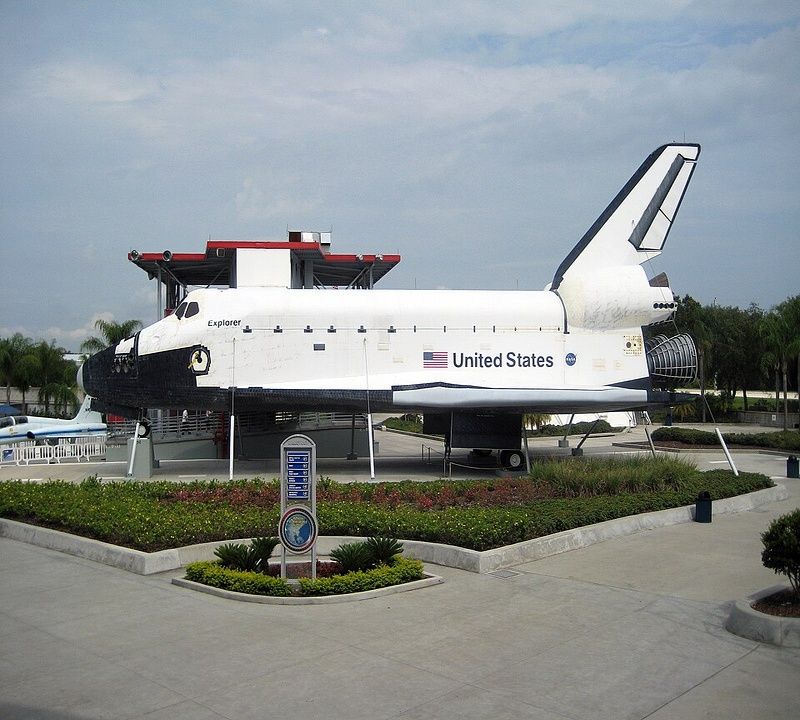
This is one of the strongest day-trip choices from Orlando, even for travelers who are only casually interested in space. It feels iconic because it is. And it gives your trip a totally different tone—less fantasy, more wonder in a very real-world sense.
If day trips are a major part of your planning, use my more specific best day trips from Orlando guide alongside this one. That article goes further into what’s worth the drive, what pairs well together, and when a “quick day trip” is not actually quick at all.
Springs and small-town escapes
Not every day trip needs a huge marquee name. Sometimes a spring, a small downtown district, or a scenic area with a good lunch spot is enough. In fact, those lower-pressure trips can be the ones that feel most human by the end—less “we covered ground,” more “that was a really nice day.”
And yes, that may sound less dramatic than a major attraction. But I think many travelers, if they’re honest, need one day like that in the middle of a busy trip.
Sample itineraries for Orlando besides theme parks
These are intentionally realistic. You can change them, shorten them, or ignore half of them. But they should give you a sense of how non-park Orlando fits together in actual days, not just bullet points.
One-day non-park Orlando plan
- Morning: Lake Eola walk and coffee.
- Late morning: Orange County Regional History Center or Orlando Museum of Art.
- Afternoon: Winter Park lunch and wandering.
- Evening: Downtown drinks, live music, or an easy dinner somewhere close to your hotel.
Two-day plan with a nature day
- Day 1: Leu Gardens, Orlando Science Center, and a low-key dinner.
- Day 2: Early spring or kayaking outing, then a slow afternoon with very little scheduled.
Three-day plan if you want variety
- Day 1: Downtown Orlando + Lake Eola + history or art museum.
- Day 2: Nature day with springs, paddling, or a scenic outdoor stop.
- Day 3: Winter Park, food-focused wandering, and an evening entertainment plan.
Practical planning tips that make this easier
Orlando is easier when you resist the urge to do too much. That sounds almost boring as advice, but it’s true. Distances are longer than visitors expect, the heat can flatten your energy fast, and even “simple” days go better when you leave some room around them.
Start earlier than you want to
This is especially true for outdoor plans. Springs, paddling, scenic spots, even basic walking days all feel better earlier. The air is better, the light is better, and your patience is usually better too.
Group nearby activities together
Try not to build a day that bounces from one side of Orlando to the other without a good reason. Pair downtown with Lake Eola and the history center. Pair Loch Haven area attractions together. Pair Winter Park with lunch and coffee instead of trying to wedge it into a park-heavy schedule somewhere awkward.
Leave one afternoon mostly open
This might be the most underrated Orlando tip of all. Leave one afternoon where the only real plan is “see how we feel.” That’s often when a trip starts to feel personal instead of overproduced.
FAQs about things to do in Orlando besides theme parks
Is Orlando worth visiting without Disney or Universal?
Yes, especially if you like warm-weather trips with a mix of nature, casual city time, museums, and easy day trips. You just need to plan around neighborhoods and experiences instead of headline attractions.
What is the best area to stay in for non-theme-park activities?
It depends on your style. If you want central access and city energy, look toward downtown-adjacent areas. If you still want convenience and tourist infrastructure, I-Drive can work. If you want a polished, calmer feel, spending time around Winter Park can make a lot of sense.
How many non-park days do you need in Orlando?
Two to three is enough for a satisfying trip if you choose well. You can do a city-focused day, a nature day, and one flexible day with food, shopping, or a day trip—and that already feels pretty full.
Conclusion: why Orlando works better when you widen the frame
The best things to do in orlando besides theme parks are usually the ones that give your trip some breathing room. A lake walk. A garden. A museum when it rains. A paddle in the morning. A neighborhood lunch that turns into an unplanned afternoon. That’s the Orlando a lot of people miss, and I think it’s often the version they end up liking most.
And if you decide you want to mix these ideas with the bigger headline attractions after all, go back to the full things to do in Orlando guide and build from there. The best trip is rarely the one with the longest checklist. It’s the one that feels like it had enough space to happen properly.